

Shop Life
Quick Answer — What turns a normal shop day into chaos?
Shop life is the mix of smooth mornings and sudden chaos — lost tools, kickbacks, forgotten plans, and the small moments that turn a normal day into “oh, fuck.” It’s the rhythm, humour, frustration, and timing that shape how real work gets done.
Lost tools — the hammer buried under scraps, the tape measure hiding with the pencil
Kickback moments — the half‑second shift when a cut goes wrong and the day changes
Timing failures — mistakes hit differently at 9 a.m., noon, or 4 p.m.
Forgotten plans — the mental trail breaks, and suddenly you’re retracing steps
Season mood swings — July heat or January cold shaping how you react when things go sideways
Knowing when to quit — the quiet skill of calling it early, taking a break, or shutting the lights off
How a Normal Day Turns Into a Shop Story
Some days in the shop run smooth, and some days fall apart in small, ridiculous ways. This Ramble is about the humour, frustration, and timing that shape a working day — the lost hammer, the missing tape, the kickback that changes your mood, and the quiet skill of knowing when the day is done. Shop life isn’t dramatic; it’s human. Normal until it’s not.
BY THE END OF THIS STORY
You’ll understand how small moments shape a working day — the tools that disappear, the timing that matters, the kickbacks that change your mood, and the quiet skill of knowing when the day is done.
Read time is about 3 minutes
Fast Summary
A short, honest look at how a working day in the shop shifts from calm to chaotic — the missing hammer, the tape measure hunt, the kickback that changes your mood, and the quiet skill of knowing when the day is done.
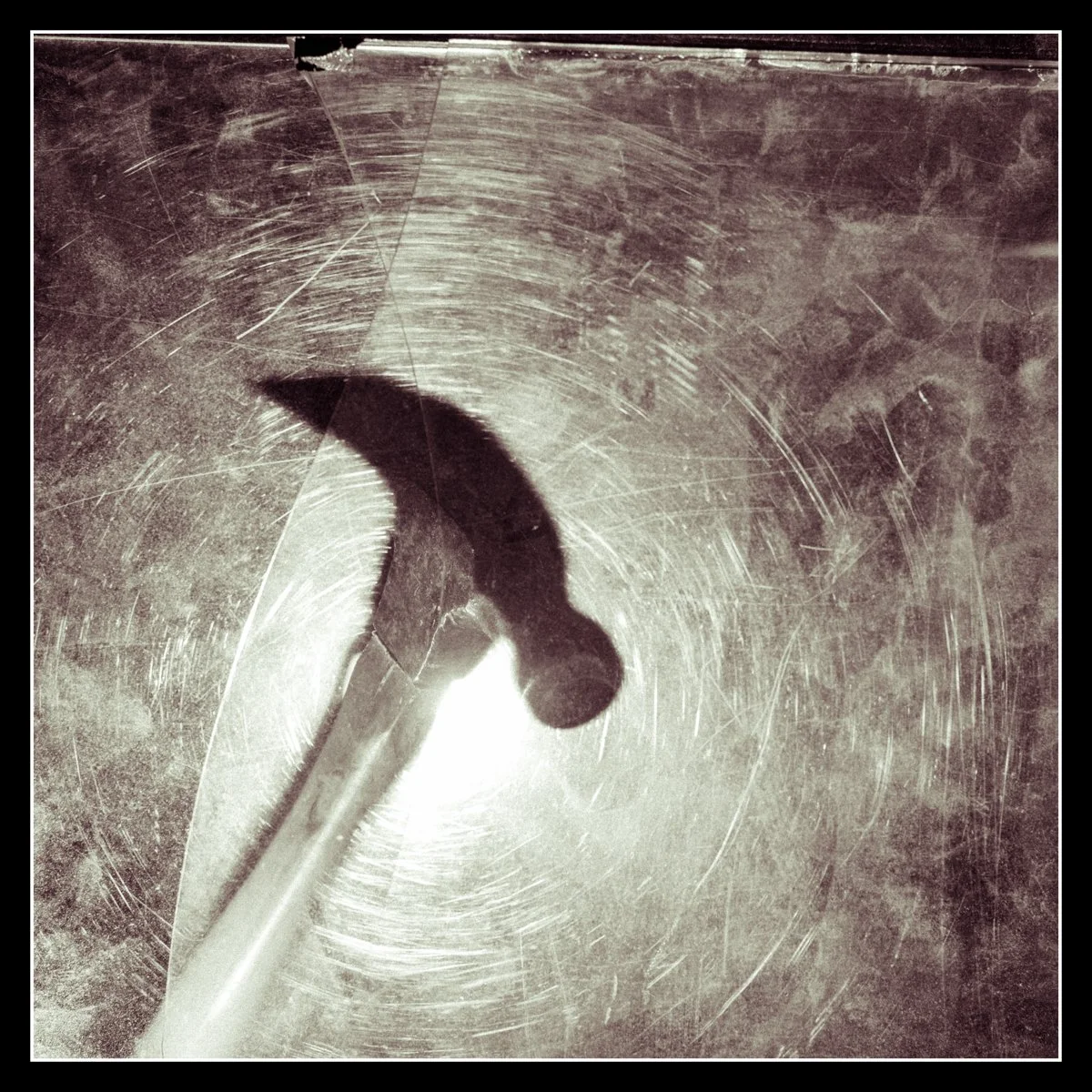
Shop Hammer Through Scratched Plexi — The Opposite of Rose‑Coloured Glasses
This is the hammer from the story, seen through scratched and chipped plexi — the opposite of rose‑coloured glasses on the days when nothing goes according to plan. The marks, the distortion, the wear all capture the mood of a working shop: humour, frustration, timing, and the small moments that shape how a day unfolds. Tools look different when the day is fighting back, and sometimes even a simple hammer becomes part of the story.
The Morning That Starts Like Any Other
You know those days—you wake up under a dark winter sky, warm bed, feeling strangely refreshed. You plan the day in little moments, a mental to‑do list waiting for check marks. All you need is that first coffee to get the ball rolling.
Normal Until It’s Not
Then I roll over and my back pinches, fighting me all the way to the kitchen. But I won’t let that ache beat me, not today.
Coffee ready, I head to the shop. The familiar smell of sawdust—and more sawdust—says good morning. A nice, normal morning. But some days don’t care about your mood. Mistakes happen, and things go wrong at different levels.
Normal until it’s not.
The Hunt for the Hammer (And Everything Else)
A lot of tools in the shop are ordinary. A hammer with a wooden handle hiding in a pile of scraps like ordinary things do. But when I need it, normal turns into frustration as the hunt begins. I think about buying six more—not because I can swing six at once, but so I can find one when I need it.
But the hunt is part of the job. The clock won’t stop, won’t slow. It just keeps ticking while the work keeps sitting. I walk around the shop, eyes scanning off‑cuts and sawdust. I find three other things to do during the hunt, then stand there for thirty seconds trying to remember what the hell I was doing. Retrace the mental trail.
“Right, the hammer!”
And there it is, exactly where I left it, with an extension cord thrown on top.
Grab it, smack what needs smacking, put it away proper this time. Can’t afford the time loss. Now I’ll get some work done.
Where’s my tape measure? UUGGG.
But I know where it is—hanging out with the pencil I lost before lunch.
The Moment When the Day Turns
That’s life in the shop. Normal until normal says no more and something breaks, something kicks back, something gets destroyed. Not common, but it happens. And how I react depends on the time of day. You can’t react the same in the morning as at lunch or at 4 p.m. Time of day matters. So does the season. Hot July morning? Cold, dark January afternoon? These things shape that moment when the landscape darkens because the piece you worked on for two days is an inch short.
That moment—that’s a special moment—when your body recoils and just stands there waiting for your brain to start the slow acclimation from morning coffee to oh fuck.
What happens next:
Knowing When the Day Is Done
If it’s early, it’s time for a long coffee break.
If it’s close to lunch, lunch will be long.
If it’s 4pm, lights out.
And if it’s July and still morning? Sounds like a beach day.
Life is life. I’ll face the problem with the kind of clarity that keeps me from doing something stupid around a table saw. Knowing when a day is done—that’s a skill learned the long way, through years of shop time. Knowing when to quit.
And if I want to be absolutely sure I’m done for the day, I’ll crack a beer or two. I never work after a drink, so sometimes I need to seal the deal.
That’s a tomorrow problem.
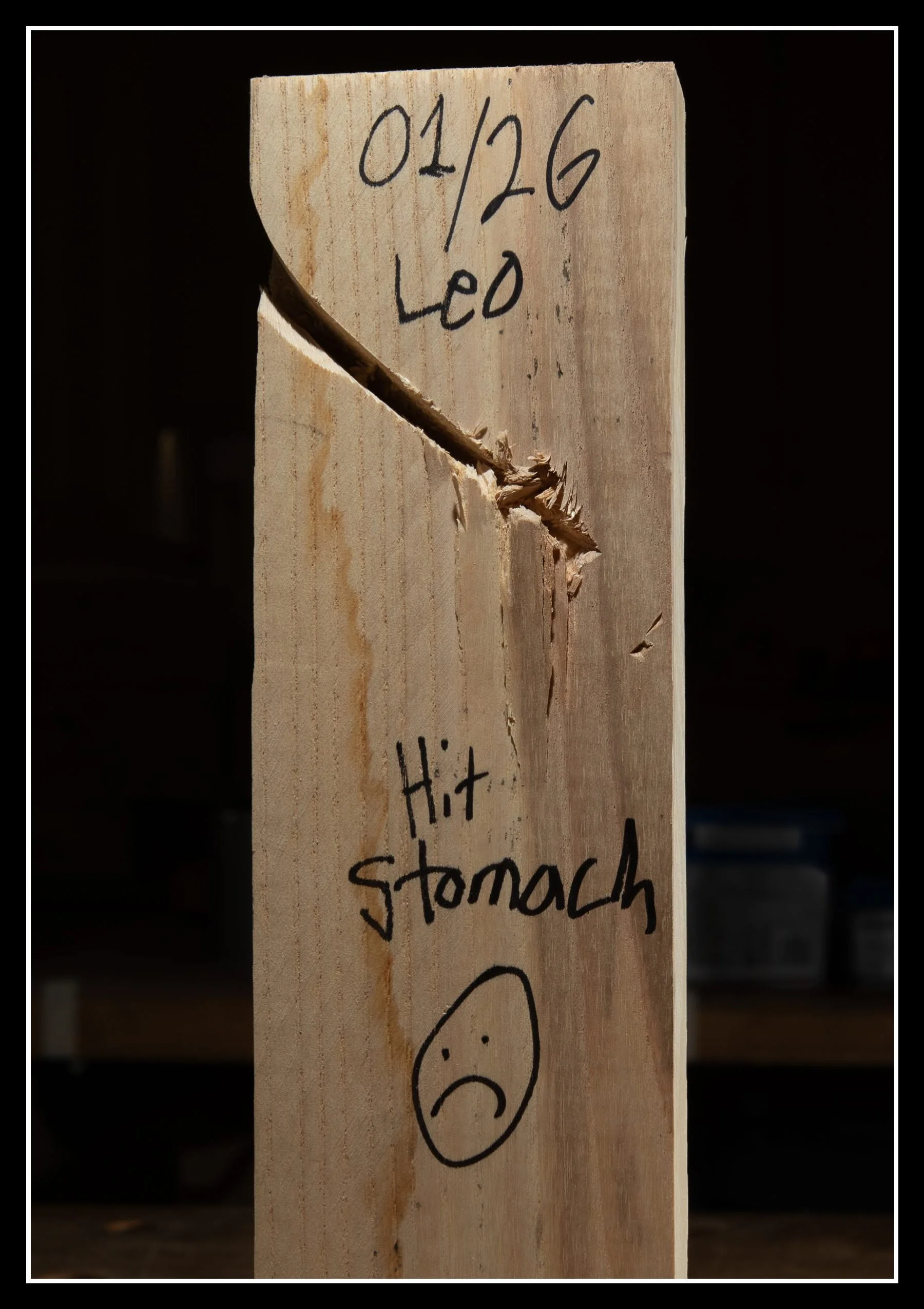
Kickback Reminder — A Board That Fought Back in the Shop
This board took a kickback during a cut — one of those shop moments that goes from normal to “oh, fuck” in half a second. The dent, the marker notes, even the little sad face tell the story of a day that shifted gears fast. Kickback happens, even when you’re careful, and it’s a reminder of how quickly a routine cut can turn into a lesson. Shop life is full of these tiny incidents: the humour, the frustration, and the timing that shape how the day unfolds.
Together, gathered in one place so the machine stories, tool reflections, and workflow moments stay connected — easy to find and easy to return to.
SHARE
The Working Side of the Craft — Connected Through Machines, Tools & Stories
If you want the stories shaped by table saws, bandsaws, grinders, fences, and jigs — the honest, noisy side of woodworking — the Working Side Of The Craft is one click away.
If you’d like to hear from me only when something big is happening — a launch, a milestone, or a major project — you can join the mailing list below.
Written by David Flather, Red Seal cabinetmaker and founder of Knotty Dave’s Fine Woodworking — a Manitoba shop rooted in heritage restoration, storytelling, and real craft.
All photos shot by David Flather — in the shop, on the road, and in the places where craft and story meet.
Related Stories:
Why Woodworkers Never Have Enough Clamps: The Truth About F‑Clamps
How Thickness Planers Really Behave: Tearout, Ridges & Grain That Fights Back
Contractor Saw vs Cabinet Saw: The Real Difference I Learned the Hard Way
Woodworking After 50: How Experience, Patience, and a Personal Shop Redefine the Craft
The Workshop Library
If you enjoyed this story, there’s lots more like it inside The Workshop Library — and it’s free to explore.
Wood Archive — species, grain, working properties, and real‑world craft notes
Behind the Grain — the deeper stories inside wood, craft, and heritage
The Working Side of the Craft — tools, shop life, workflow, and the realities of making
Digital to Sawdust — Design Studio — geometry, proportion, visual flow, and design thinking
The Stories of the Shop — the personal side of craft, the shop’s history, and the quiet moments that shape the work
House & Hearth — heritage home restoration, the hearth room, winter culture, and the lived‑in side of craft
I’m just one man with a shop, building this archive one story at a time. If you’d like to follow the journey as it unfolds, explore The Workshop Library — new stories every week.
