

The Power of Lazy
Quick Answer — What is The Power of Lazy actually about?
A Quiet Story from a 1988 autobody shop, where “lazy” didn’t mean doing less — it meant doing things right the first time. This story explains how slowing down, paying attention, and avoiding regret became one of the most valuable lessons in craft, shaping the way I work in the shop today.
“Lazy” meant smart, patient, intentional work
Doing it right the first time prevents wasted repairs
Mr. Smith’s autobody lesson shaped a lifetime of craft
Old cars taught careful, detail‑driven craftsmanship
Slowing down became a core woodworking habit
This story connects memory, craft, and discipline
Why “Lazy” Was the Smartest Lesson I Ever Learned
Some lessons in craft don’t come from wood at all — they come from the people who taught us how to work. This Quiet Story goes back to a 1988 autobody shop, where “lazy” didn’t mean careless or slow, but smart, patient, and intentional. It’s a reflection on the kind of work that gets done right the first time, and how that mindset shaped a lifetime of building.
BY THE END OF THIS STORY
You’ll understand why “lazy” in a craft shop doesn’t mean doing less — it means doing things right the first time, avoiding regret, and learning the kind of patience that shapes a lifetime of work.
Estimated read Time: 4 minutes
Fast Summary
This Quiet Story goes back to a 1988 autobody shop, where a teacher reframed “lazy” as the smartest way to work — slow, careful, and intentional. It’s a reflection on how doing things right the first time became a lifelong craft philosophy, shaping the way I build, restore, and teach in the shop today.
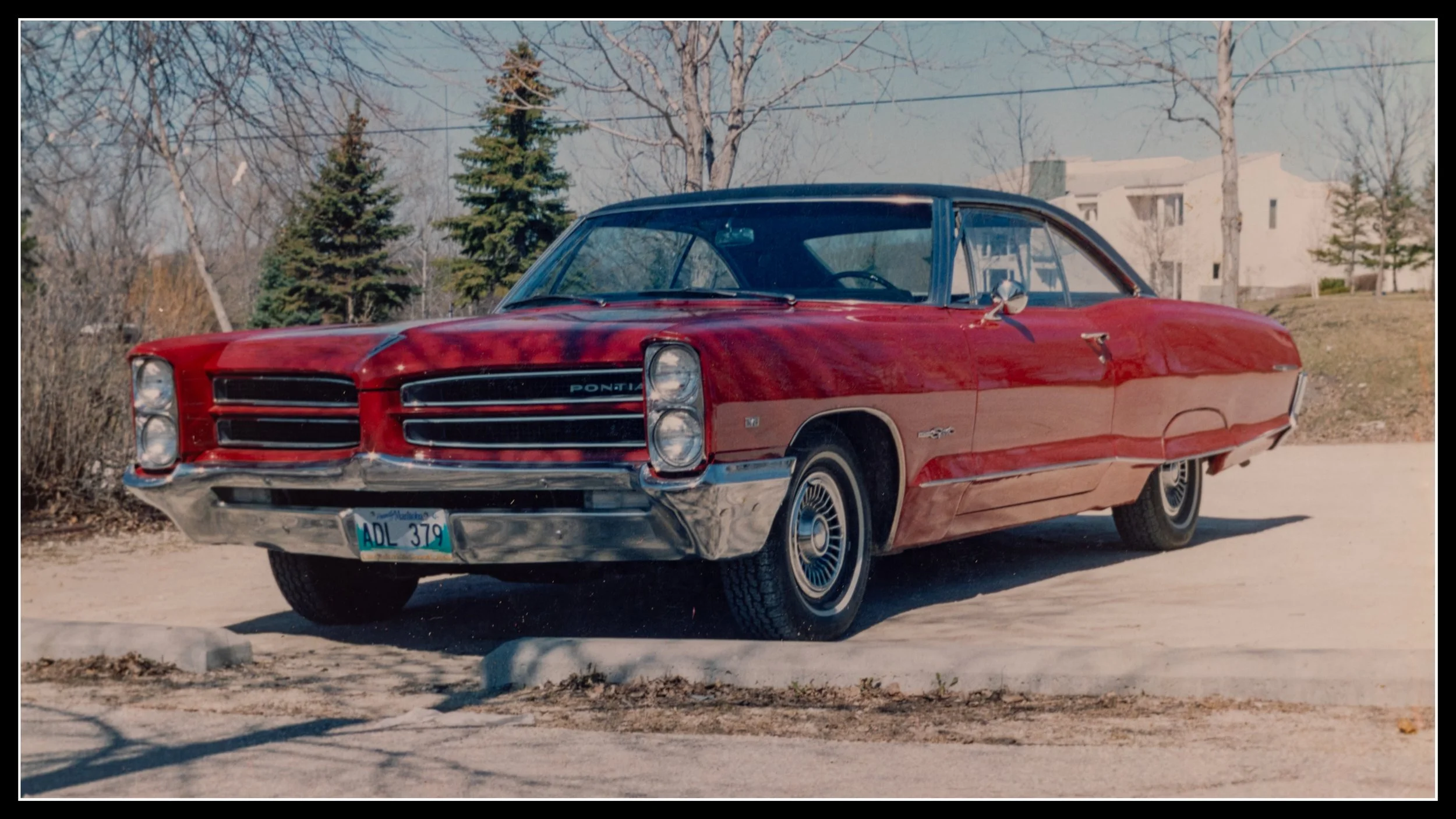
1966 Pontiac Parisienne — A Canadian Classic Built Right
My 1966 Pontiac Parisienne Custom Sport — a Canadian‑built GM model that most Americans have never seen. This was my autobody project in Mr. Smith’s class: a full body‑off frame restoration over four semesters, complete with an engine rebuild and every panel done properly. Canadian Pontiacs were their own thing — unique trim, unique lines, and a character all their own. This car taught me the lesson Mr. Smith drilled into us: lazy workers do the job right the first time.
The First Day, the Dust, and the Lesson Waiting to Be Learned
It was a warm day, the kind where the wind whipped dust clouds off parched gravel roads and bare fields. Fallen leaves were getting tossed around on city streets. Despite the wind, the smell of harvest hung thick in the air, and the rhythm of combines cutting wheat, barley, and canola hummed in the countryside. Geese were congregating in fields and parks, terrorizing anyone who strayed too close. I was waiting at the end of our driveway for the school bus to pick me up, my long frizzy hair swishing in the gusts over my jean jacket. When the bus finally rolled up the gravel road, it arrived with a cloud of dust that got into my nose, mouth, and eyes. Another first day back to school off to a good start.
First days were always the worst. This was a new school, and I felt lost and didn’t know anyone. It was the biggest school I’d ever been to — and honestly, the most amazing. I was there for three years, and the number of classes I skipped during that time was legendary. I was so good at forging my dad’s signature on sick notes that it became my regular signature to this day. It was a vocational school with a great carpentry program, and the carpentry shop was loaded with all the tools a woodworker could dream of. So naturally, I signed up for Autobody and graduated from it three years later. I had a thing for old cars, and they taught us in metric. Carpentry was in inches and feet; I wasn’t learning that backwards stuff.
Mr. Smith’s Lesson — Lazy Means Doing It Right the First Time
After a few days of settling into the routine, our autobody teacher, Mr. Smith, had us standing in the shop while he explained how dangerous everything could get. He wasn’t wrong — he was a smart guy. His lecture kept rolling along until he suddenly stopped and looked at us. “Who here is lazy?” he asked. We stood in silence. “None of you? Really? That’s too bad,” he said with disappointment. “I’m lazy. I was hoping some of you were too. That’s disappointing.” We could feel the pride in his voice and instantly regretted our silence. But we were confused.
“You guys like working hard then? If you’re not lazy, I can expect you to be working all the time, right?” he said, again with that strange pride. The class agreed with grunts and nods. Mr. Smith furrowed his bushy eyebrows and pushed his glasses up.
“You guys agreed to something you don’t understand. I’m lazy, and I want you all to be just as lazy — but none of you asked why before agreeing to work hard.” His stance was confident, and we were leaning into every word.
“You assume lazy is bad, but it’s obvious that’s not the case here, is it?” He paused again, letting the idea settle. “Lazy workers are smart. They do the job right the first time. Hard workers get it right the second or third time. So I’ll ask again: who here is lazy?”
This time we were much more animated in our grunts and nods. The message landed. Mr. Smith smiled — we must have had that ah‑ha look on our faces. “Lazy doesn’t mean sitting around,” he said. “It means not cutting corners and regretting it later. Fixing what you’ve done wrong is harder than most repairs — it’s just wasted time.”
The energy in the room felt lighter, as if we understood each other a little more. A few minutes later the bell rang, and we moved on to math or English — whatever our schedules said. I had science as my last class of the day. I skipped.
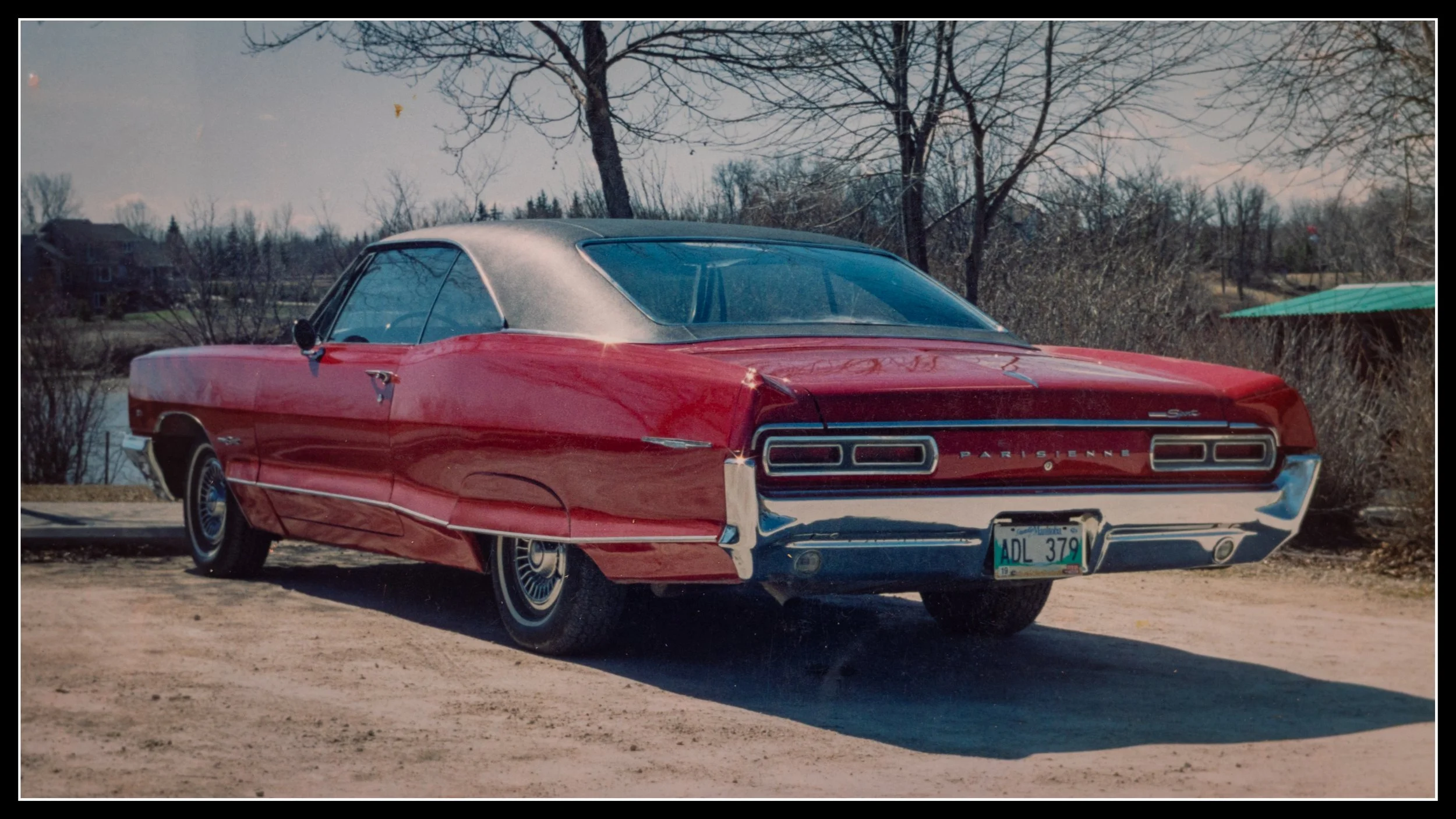
1966 Pontiac Parisienne — The Car I Sold to Build My Future
A Canadian‑built 1966 Pontiac Parisienne Custom Sport — the car I restored in high school, and the one I eventually sold so I could afford college and clear space for my first woodworking shop. Four semesters of body‑off frame work, an engine rebuild, and every panel done properly. This car taught me Mr. Smith’s lesson about “lazy” workers doing things right the first time, and selling it became the first real step toward the craft and career I have today.
Why the Lesson Stayed With Me
That was 1988, and I can’t stop myself from thinking that it was a long time ago. I’m not doing the math to put a number to the age of that memory. But it never left me, and I’ve always considered myself a lazy guy thanks to Mr. Smith.
As for learning inches and feet, I did eventually — even though it’s all messy and not metric. That frizzy long ’80s hair is long gone, and my signature has been perfected. Dad asked about it once. He wasn’t impressed.

The Railway Museum Car
This old car at the Winnipeg Railway Museum reminded me exactly why Mr. Smith’s lesson stuck. I didn’t know the make or model, and it didn’t matter — the worn curves, the tired metal, the quiet scars of time were enough. Back in autobody, being “lazy” meant slowing down, paying attention, and taking things apart the right way the first time. You learned more from a rusty seam than from rushing to the next step. Standing in front of this car years later, I felt that same instinct: look closely, notice everything, let the details teach you. Lazy isn’t about doing less — it’s about doing it right.
This story is part of a small collection of reflections about the tools, lessons, and quiet moments that shape a woodworker’s life. These aren’t tutorials — they’re the memories and experiences that teach us how to see the craft differently, one quiet moment at a time.
SHARE
The Quiet Stories — Connected Through Behind the Grain
For the quiet side of woodworking — The Quiet Stories that sit behind the grain, where the background work, the memories, and the cancer chapters live — head to Behind the Grain.
If you’d like to hear from me only when something big is happening — a launch, a milestone, or a major project — you can join the mailing list below.
Written by David Flather, Red Seal cabinetmaker and founder of Knotty Dave’s Fine Woodworking — a Manitoba shop rooted in heritage restoration, storytelling, and real craft.
All photos shot by David Flather — in the shop, on the road, and in the places where craft and story meet.
Related stories:
How to Arrive at Perfect: A Quiet Story About Imperfection in Woodworking
Sawdust — How a Radial Arm Saw Shaped a Lifetime of Woodworking
Grandpa’s Toolbox: A Quiet Story of Heritage Tools and Generational Woodworking
The Workshop Library
If you enjoyed this story, there’s lots more like it inside The Workshop Library — and it’s free to explore.
Wood Archive — species, grain, working properties, and real‑world craft notes
Behind the Grain — the deeper stories inside wood, craft, and heritage
The Working Side of the Craft — tools, shop life, workflow, and the realities of making
Digital to Sawdust — Design Studio — geometry, proportion, visual flow, and design thinking
The Stories of the Shop — the personal side of craft, the shop’s history, and the quiet moments that shape the work
House & Hearth — heritage home restoration, the hearth room, winter culture, and the lived‑in side of craft
I’m just one man with a shop, building this archive one story at a time. If you’d like to follow the journey as it unfolds, explore The Workshop Library — new stories every week.
