

Shop Notes & Rambles
The Rambles are the stories lived and learned over decades — the moments, the lessons, and the shop life that shaped the craft. They accumulate here, sorted by publish date. If you want the curated version, explore the Workshop Library.
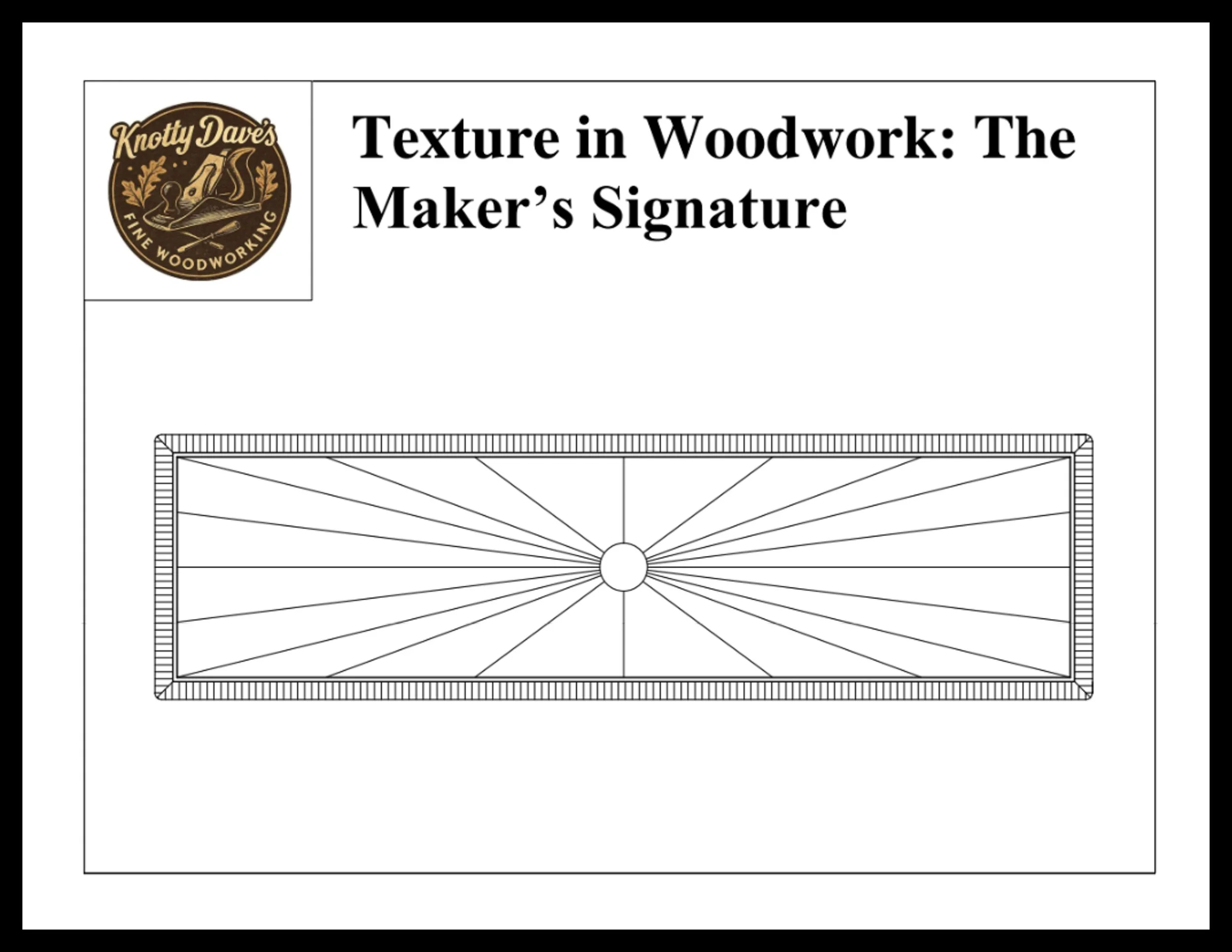
Texture in Woodwork: The Maker’s Signature
Texture is the quiet part of furniture that most people never notice, yet it’s the first thing their hands remember. This story shows how surface feel becomes a design language of its own — shaping light, mood, and the honesty of a piece. If you’ve ever wondered why some furniture feels alive, this is the chapter that finally explains it.
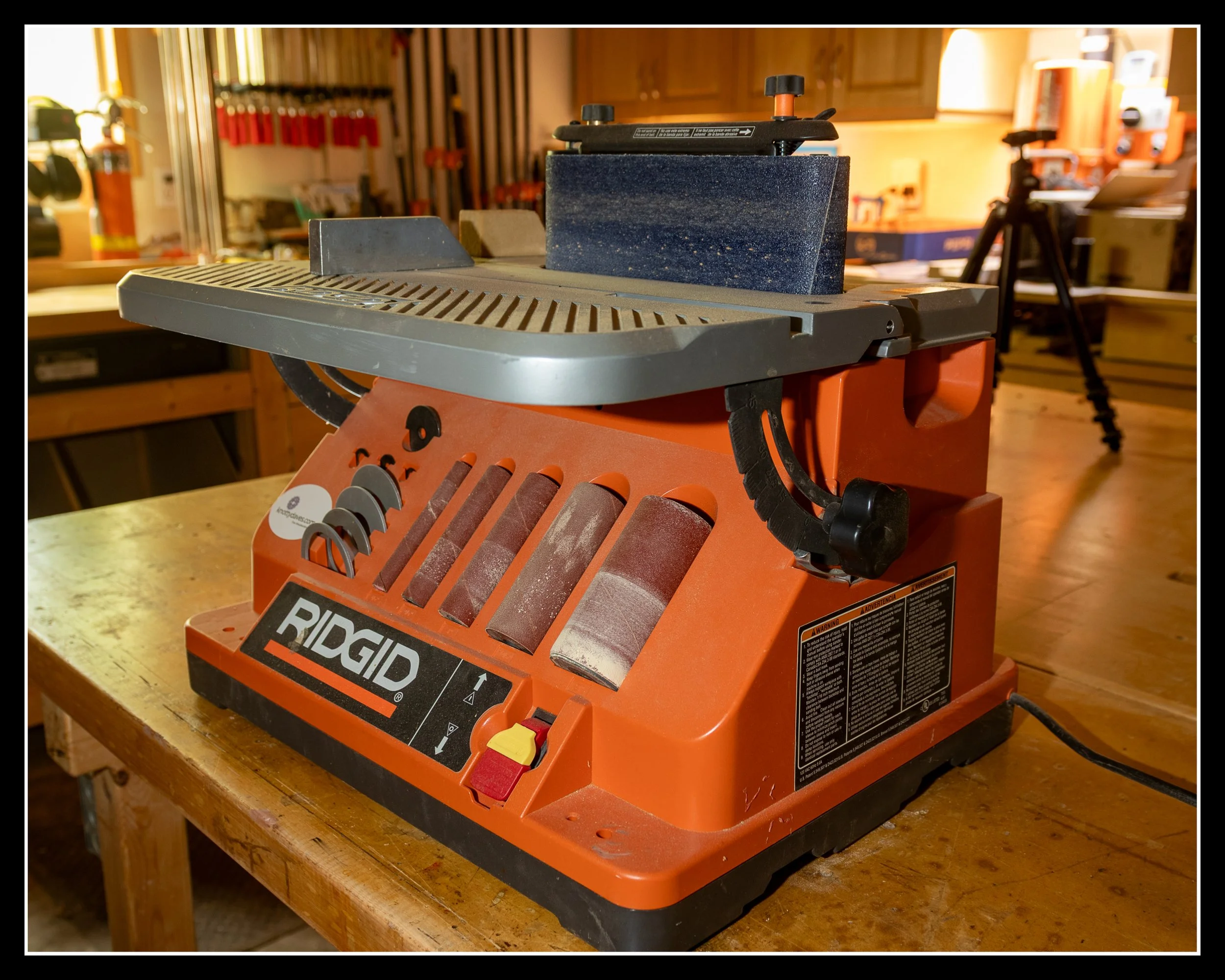
Oscillating Belt Sander — Simplicity and Effectiveness. You Need One
An oscillating belt sander doesn’t look like much, but in a small shop it punches way above its weight. It keeps edges square, stops burn marks, prevents belt lines, and even converts into a spindle sander when you need curves cleaned up fast. It’s one of those rare box‑store tools that quietly earns its place under the bench — and by the end of this story, you’ll see why every woodworker eventually realizes they need one.
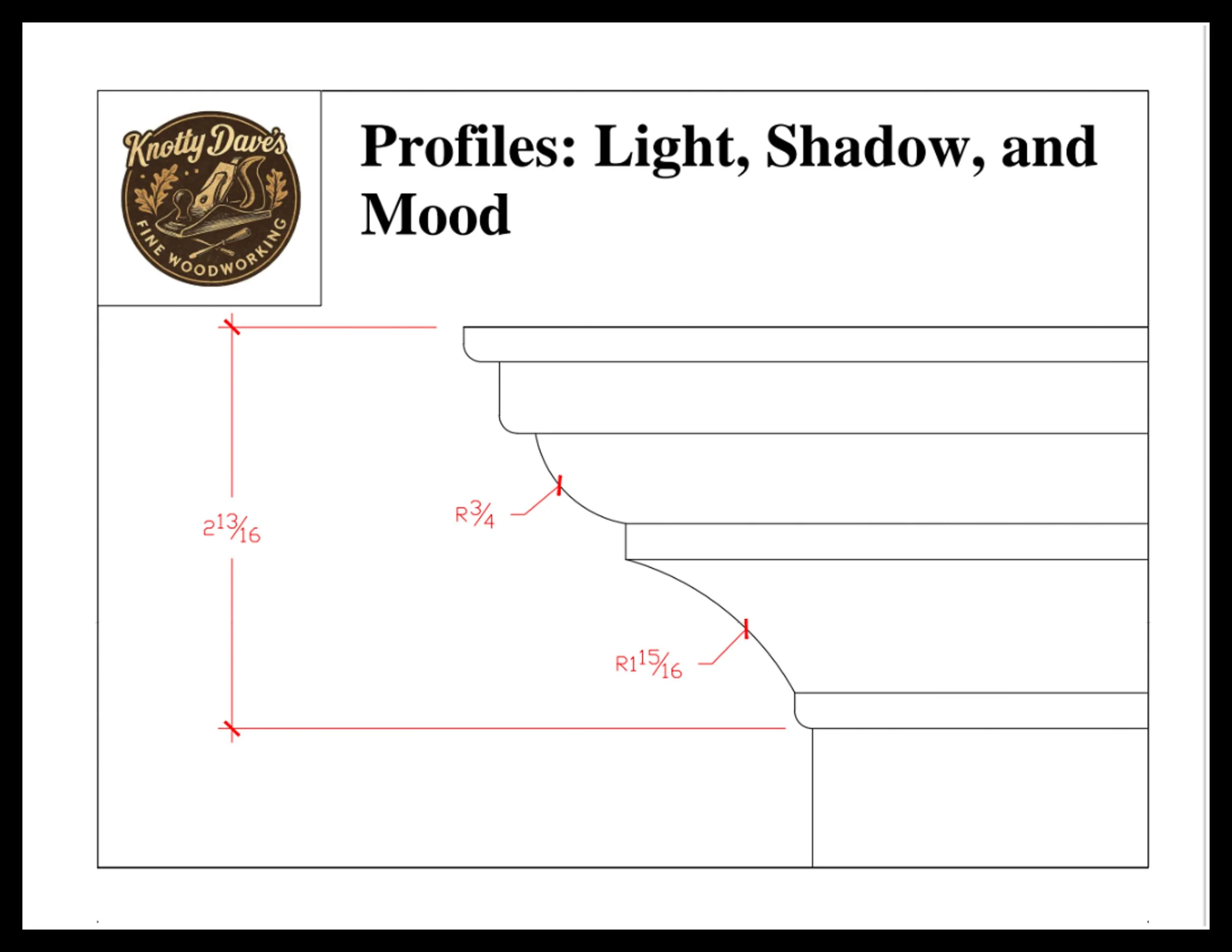
Profiles: Light, Shadow, and Mood
Profiles quietly shape the way a room feels. By guiding how light moves across edges, they create shadow lines that influence mood, weight, and intention. This story looks at profiles as small pieces of geometry — not decoration — and how they connect architecture, furniture, and the quiet atmosphere of a space.
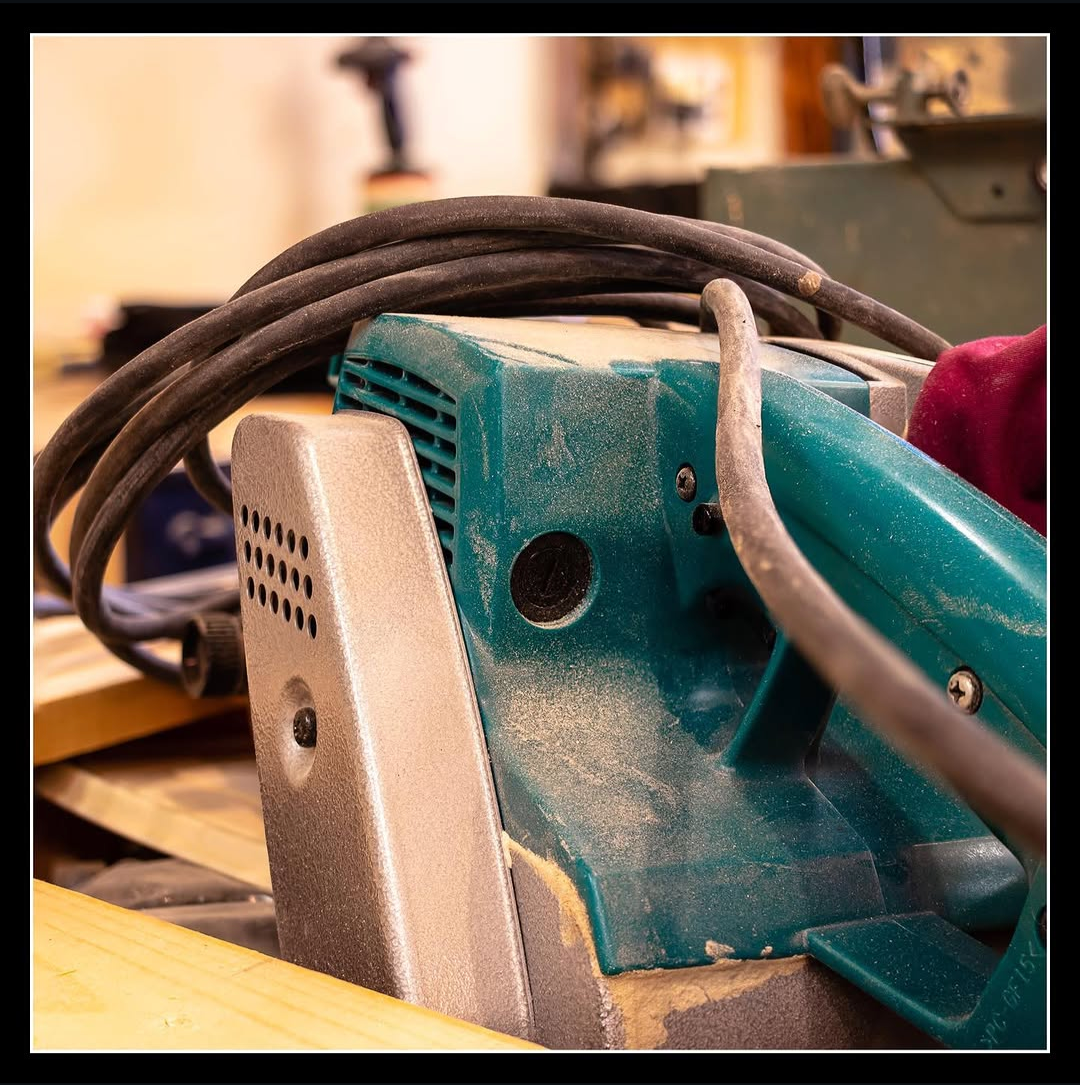
The Belt Sander Mistake Every Woodworker Makes
A belt sander is the shop’s fastest problem‑solver — and its fastest trouble‑maker. It can scribe a crooked wall, level a lipped MDF edge, or rough up melamine in seconds. But one wrong move and it digs, tilts, gouges, or destroys the surface before you even know what happened. By the end of this story, you’ll understand the single mistake that turns a belt sander from a shaping tool into a project‑killer — and how to avoid it every time.
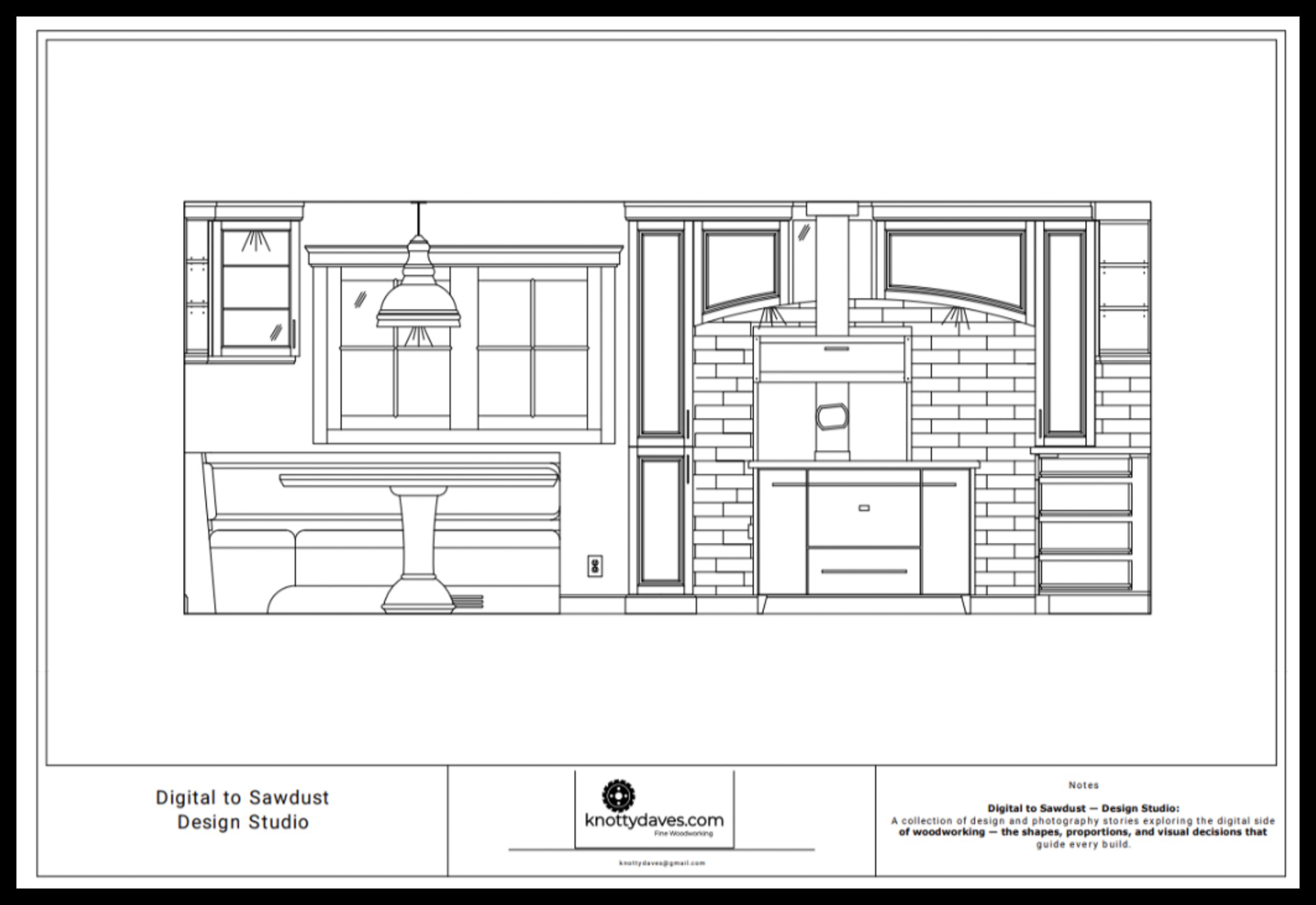
Anchor Lines — The Quiet Guides Inside Every Good Design
Anchor lines are the quiet guides inside every good design — the subtle lines, shadows, and shapes that pull your eye through a room, a photograph, or a piece of furniture. Once you learn to see them, design becomes simple. The flow of a space makes sense, images feel intentional, and the geometry beneath everything finally reveals itself.
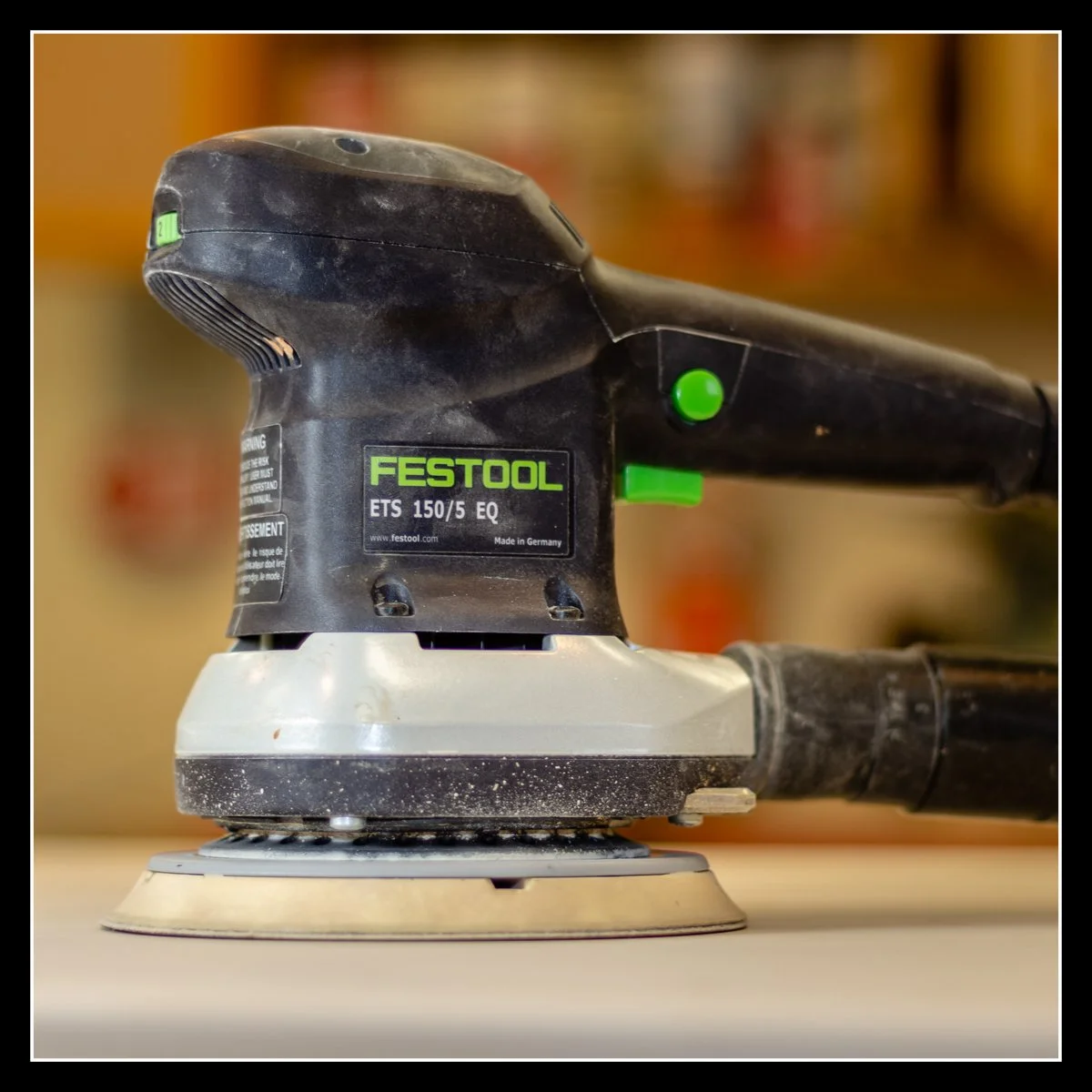
How to Use an Orbital Sander (The Way Professionals Actually Do)
Orbital sanders seem simple, but they hide mistakes you don’t see until it’s too late. This story shows why they leave wavy surfaces, how uneven stock removal really happens under the pad, and the professional techniques that keep your sanding flat and clean every time.
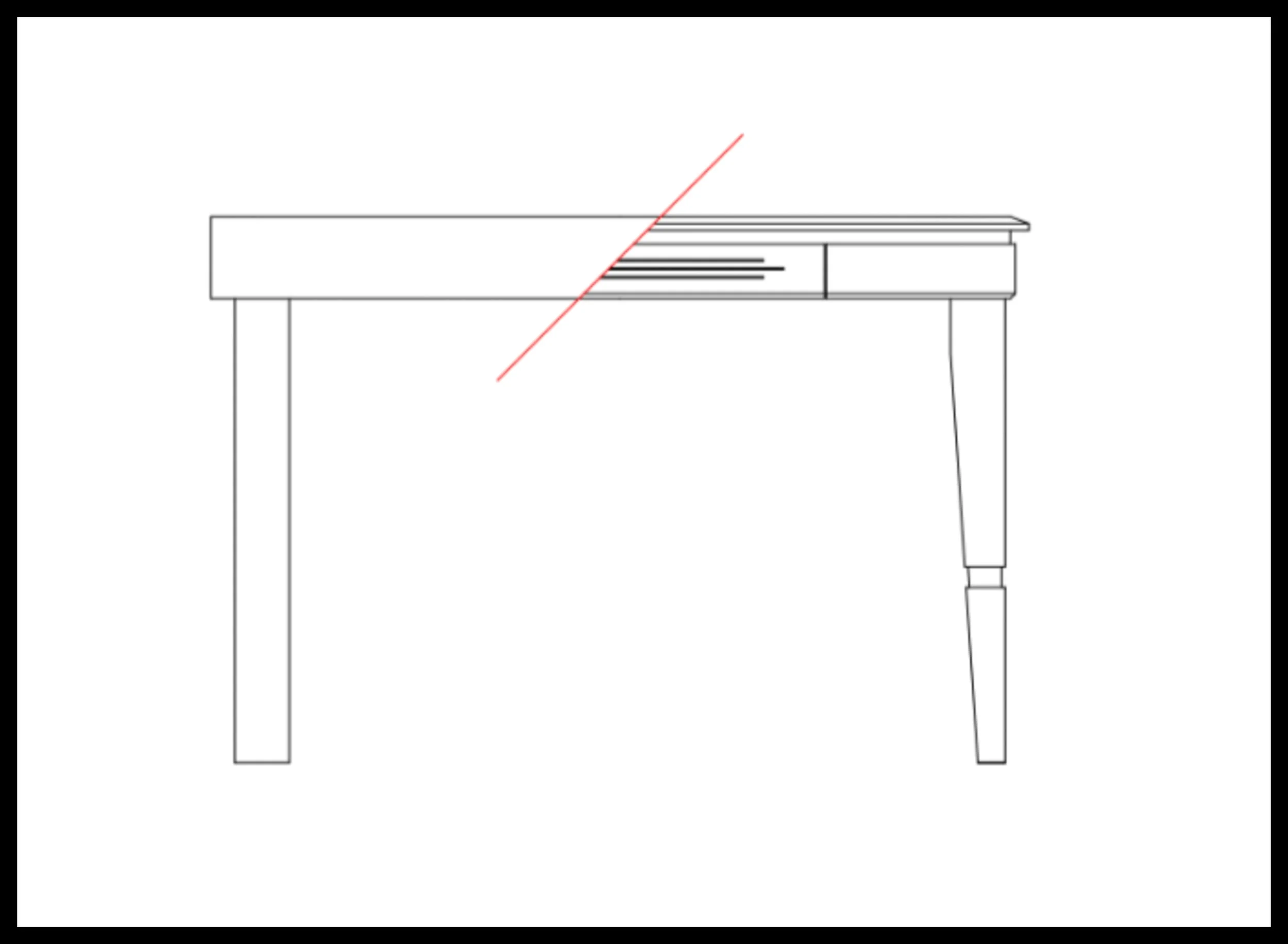
Design Geometry: Why Thickness Changes Everything in Furniture
Thickness changes how furniture feels long before it changes how it measures. This story shows how small geometric decisions — shadow lines, proportions, and refined edges — can turn a heavy table into something visually lighter and more intentional.
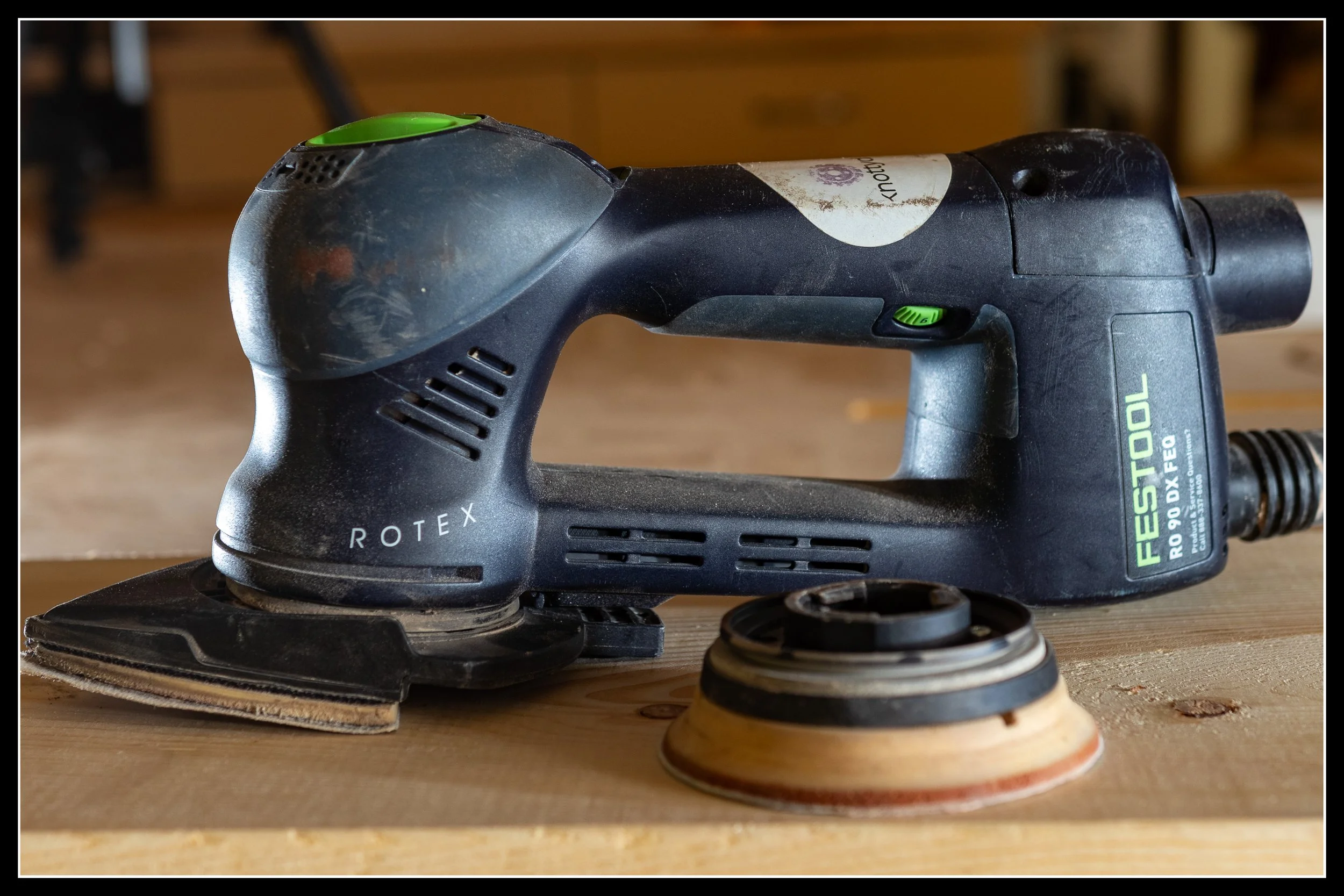
The Finishing Sander Mistake Everyone Makes
Most people buy the wrong sander first — not because they’re careless, but because finishing/detail sanders look more useful than they really are. This story clears up the confusion so your surface doesn’t betray you under stain.
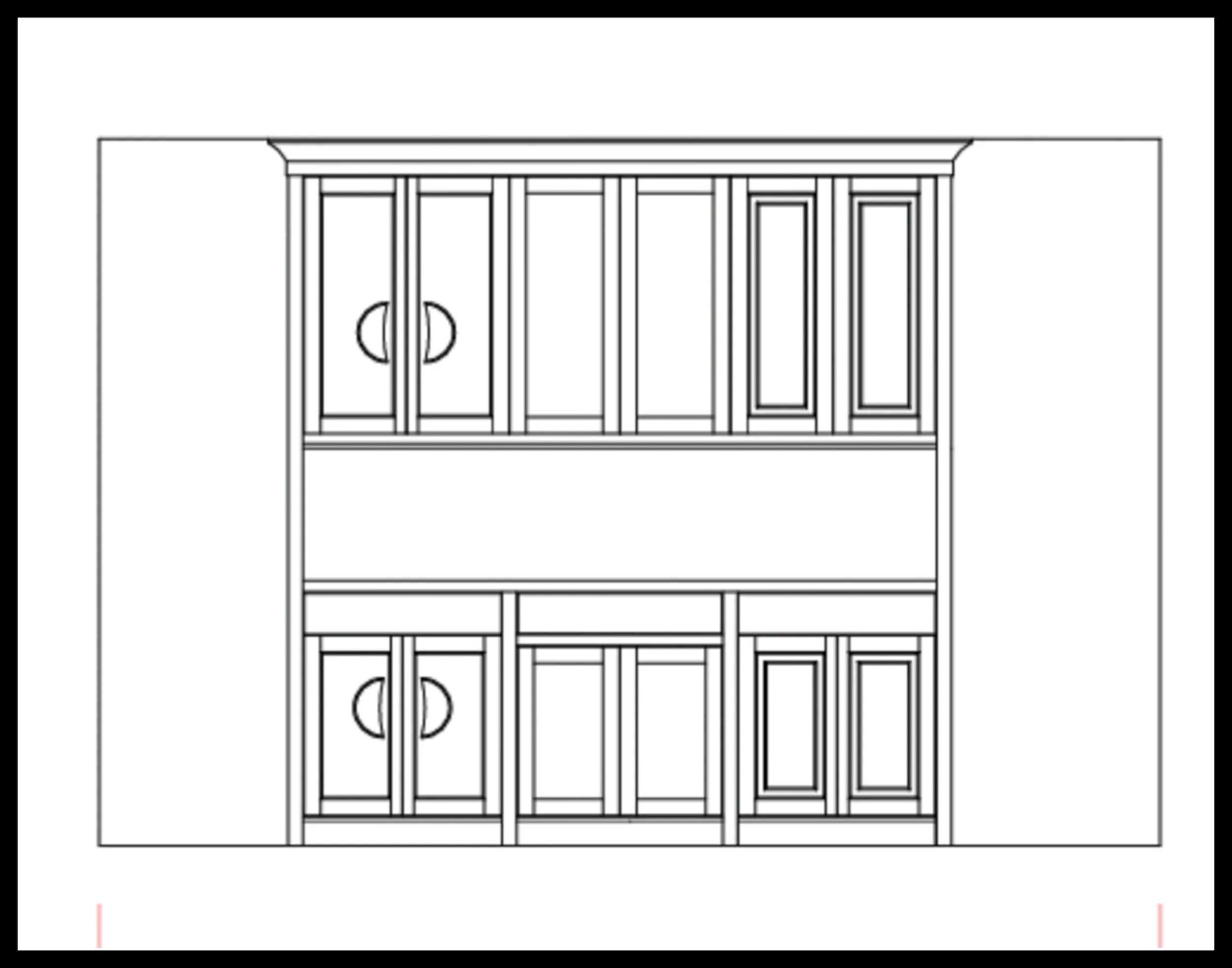
The Quiet Geometry of Furniture
Most of this room is made of rectangles, but the story is about what happens when you break that pattern. A few circles, a few curves, and suddenly the mood shifts — the space feels warmer, more human, more welcoming. This is a look at how small geometric choices can change the way a room feels, and why those choices matter.
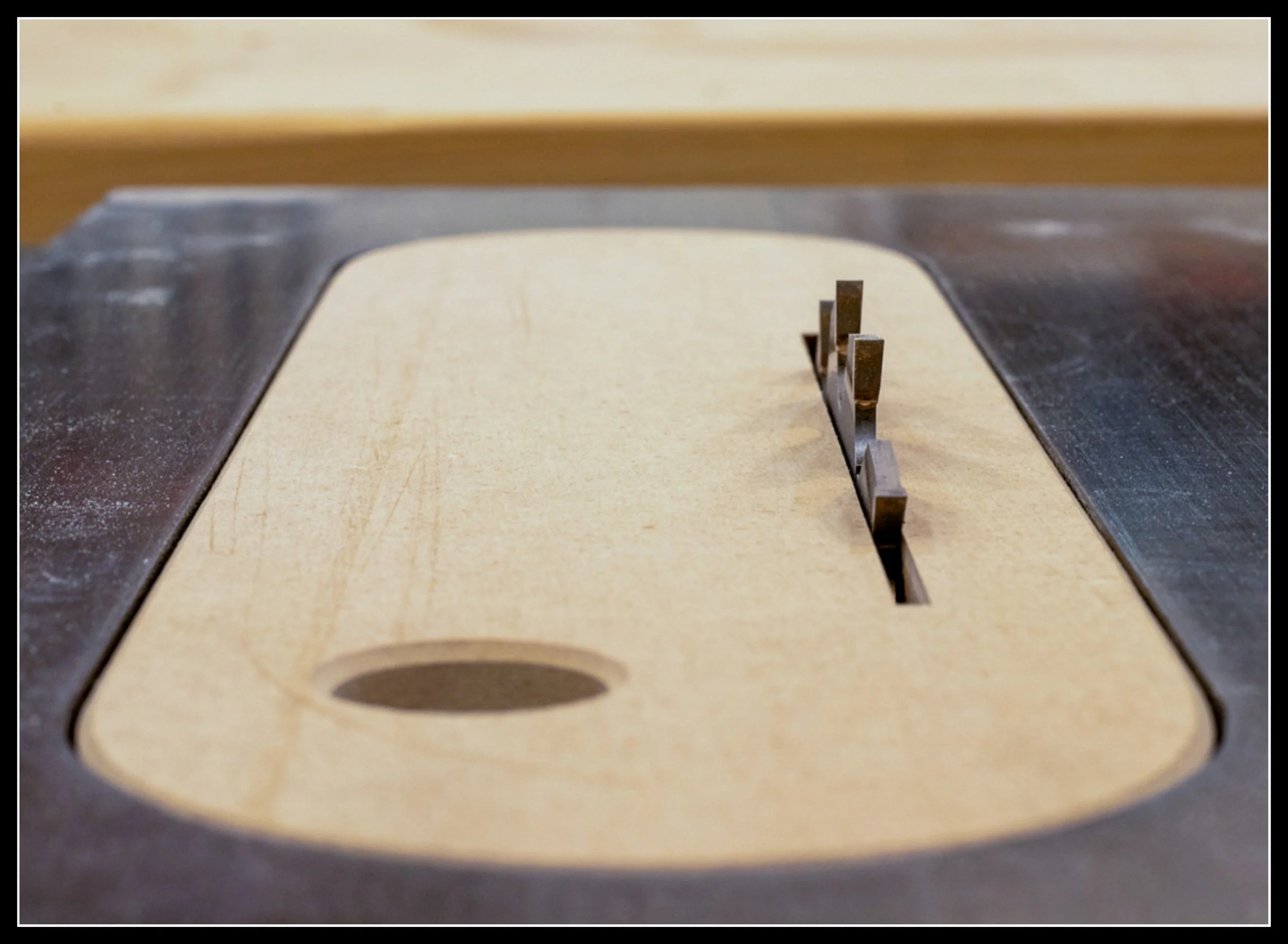
How to Make a Zero Clearance Throat Plate
A clean edge on both sides of a board can make or break a project, especially on cabinet doors where every detail shows. Tear‑out is the enemy, and a zero‑clearance throat plate is one of the simplest ways to stop it. In this story, I explain why these plates matter and how they improve cut quality — and the video shows the full process of making one from scrap MDF, even if your saw is missing the original insert.
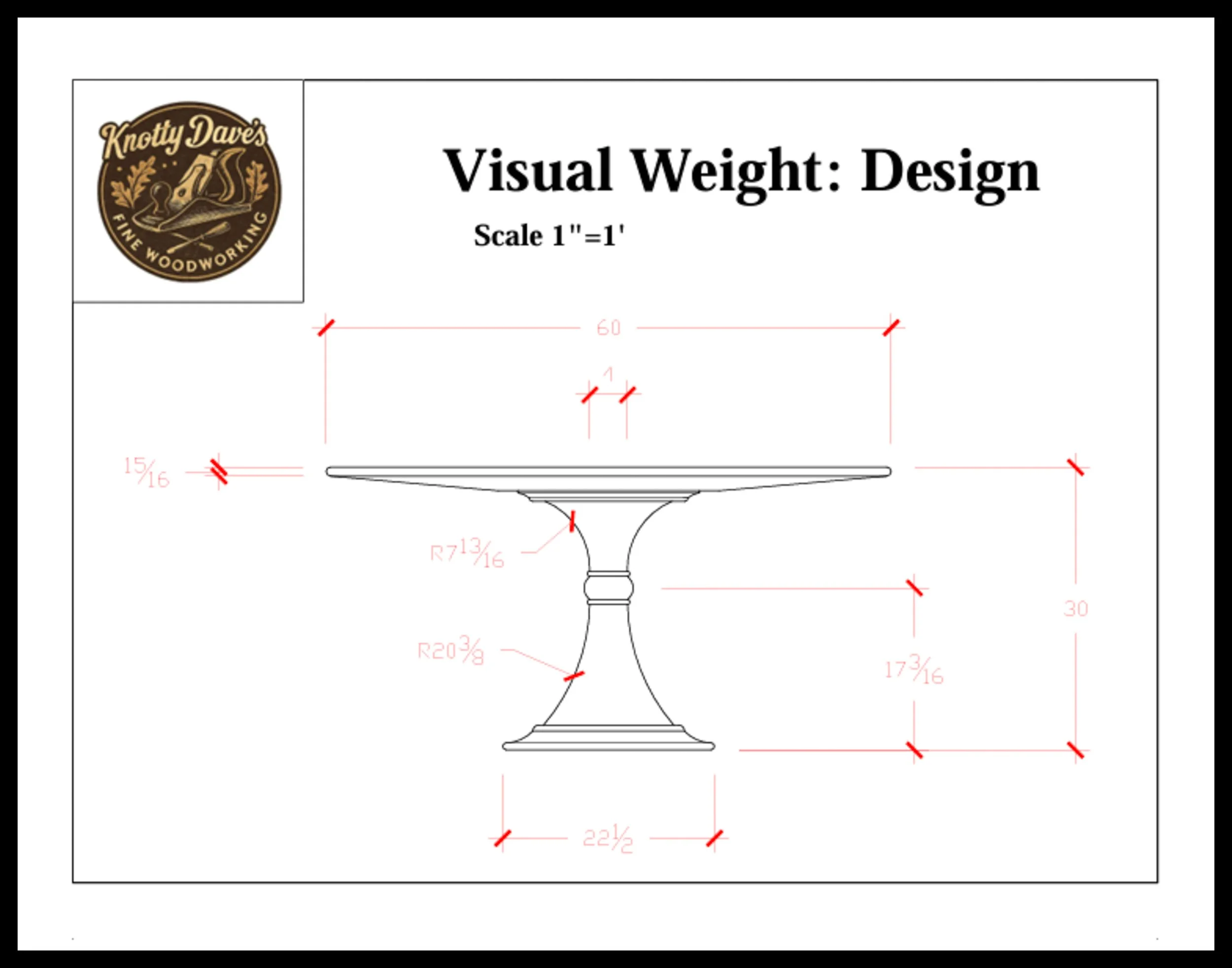
Visual Weight: Design
Most woodworking mistakes aren’t in the cuts — they’re in the design. If you’ve ever built something that looked right in your head but wrong on the bench, this story explains why. Visual weight, balance, and proportion are skills you can learn, and once you do, every project starts making sense. This is something I wish I’d known years ago.
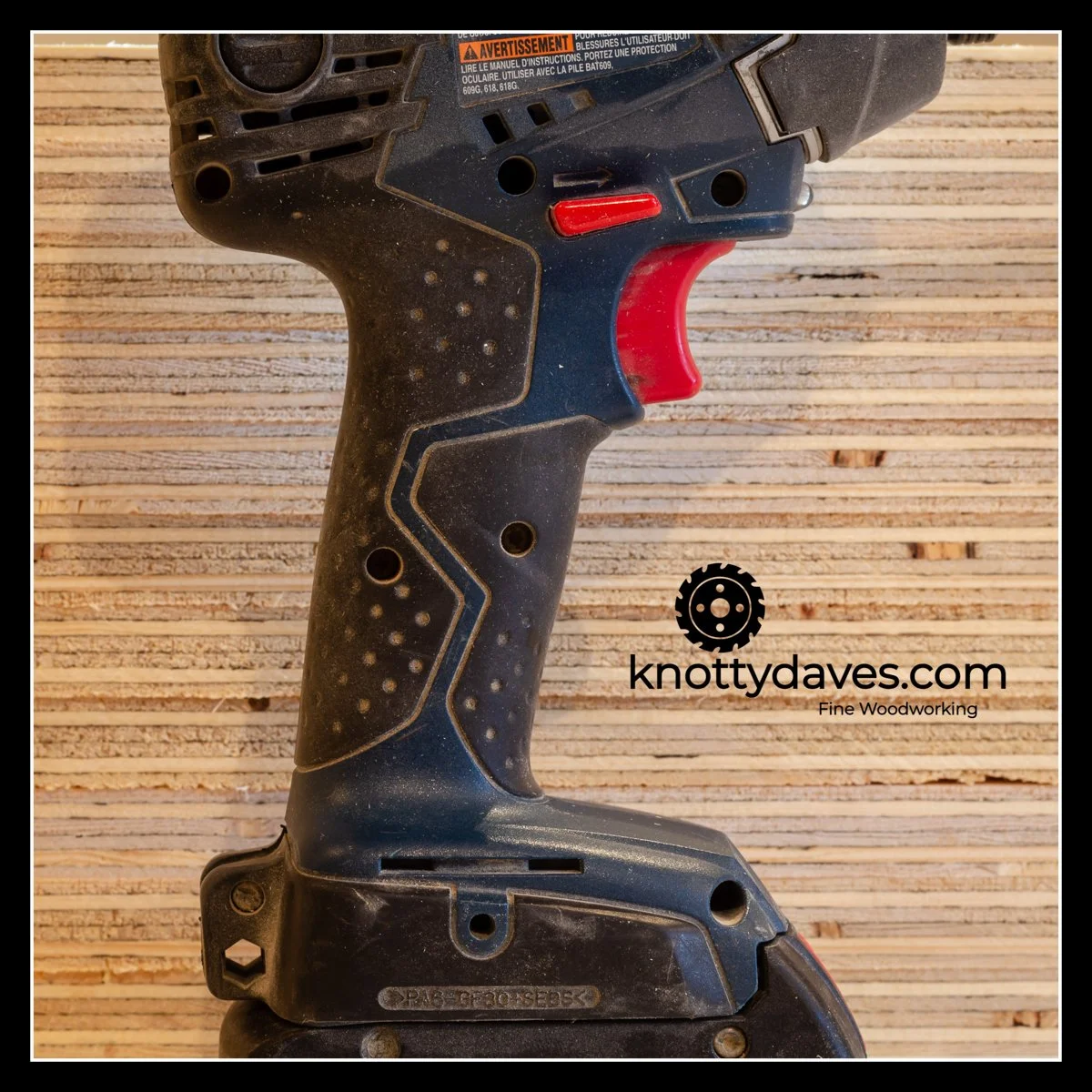
Cordless Drills: Quit Overthinking Them
Drills are the most overthought tool in the shop. After 25+ years using every voltage, battery chemistry, and brand, I can tell you the truth: drills spin bits. That’s it. Here’s what actually matters when you’re using one.
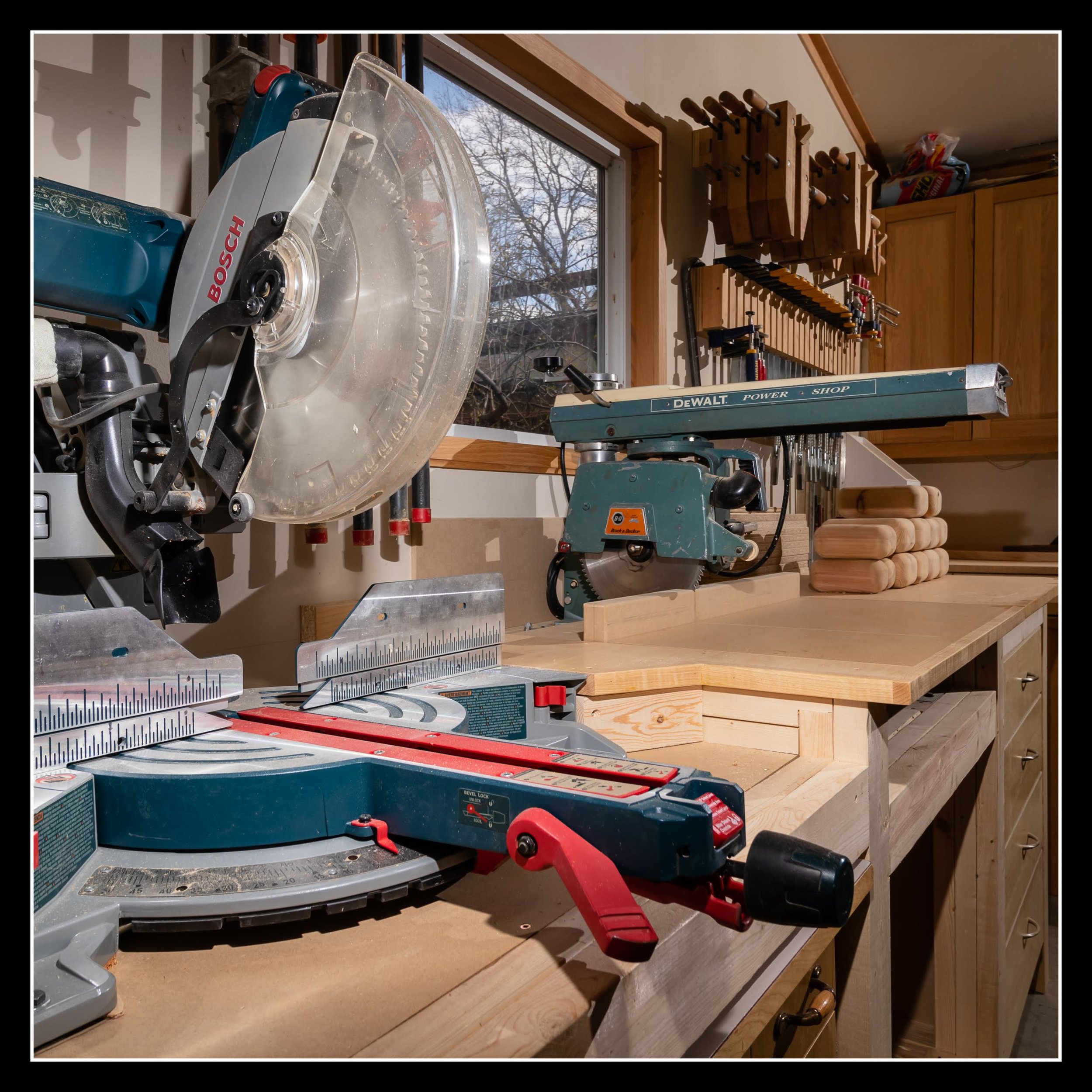
The Compound Mitre Saw: Fastest Way to Cut the Wrong Angle
The mitre saw looks like a precision tool, but it isn’t one. It’s built for real‑world conditions — crooked houses, twisted lumber, out‑of‑square rooms. When you understand what this saw is actually designed to do, the accuracy problems finally make sense.
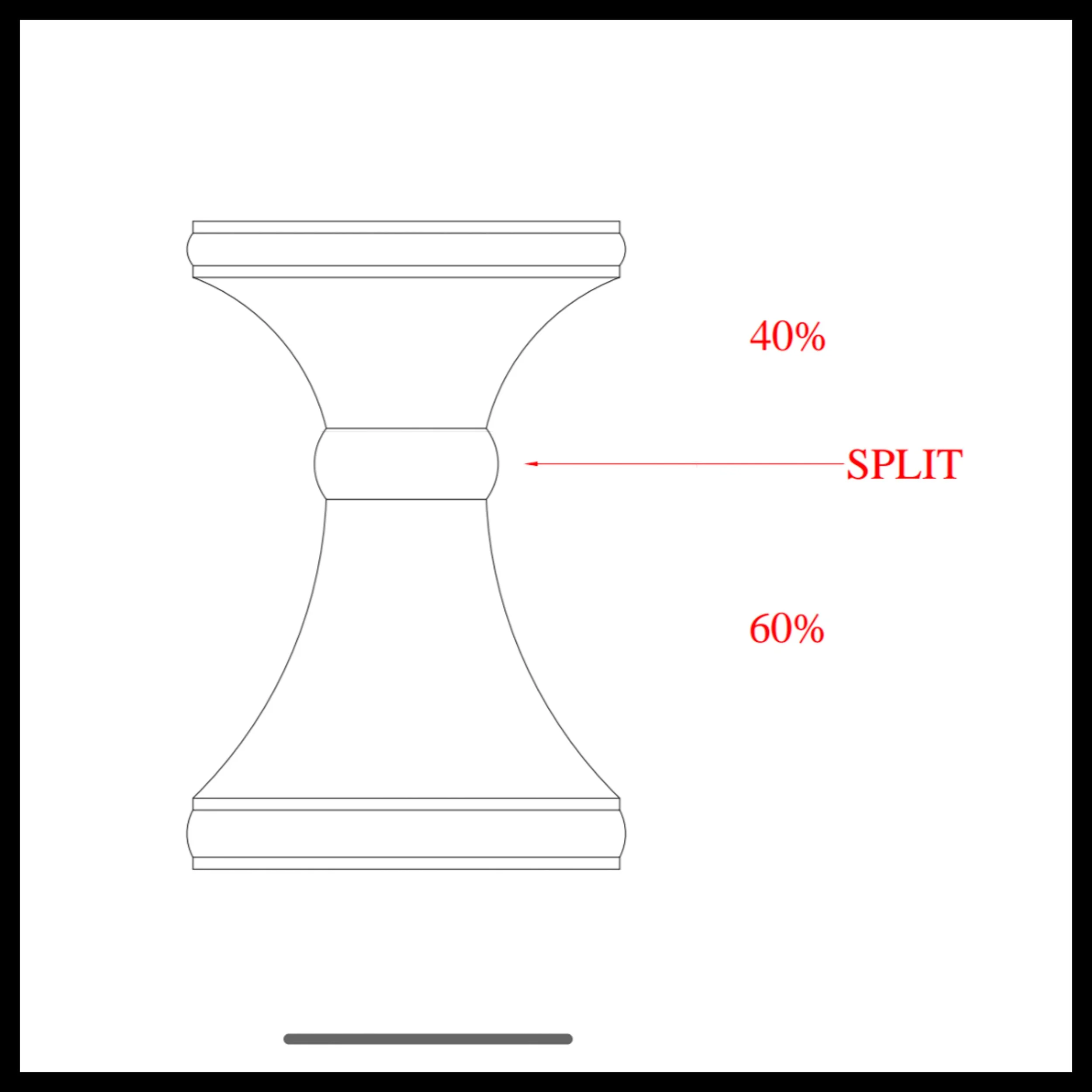
Woodworking Design: Getting It Right
Good woodworking looks right because it’s balanced — and the simplest way to get that balance is the 60/40 rule. This story explains how a single proportion can improve drawer layouts, bowl turning, furniture design, and any build that feels “off.” If you want your work to look intentional instead of accidental, this guideline is the easiest place to start.
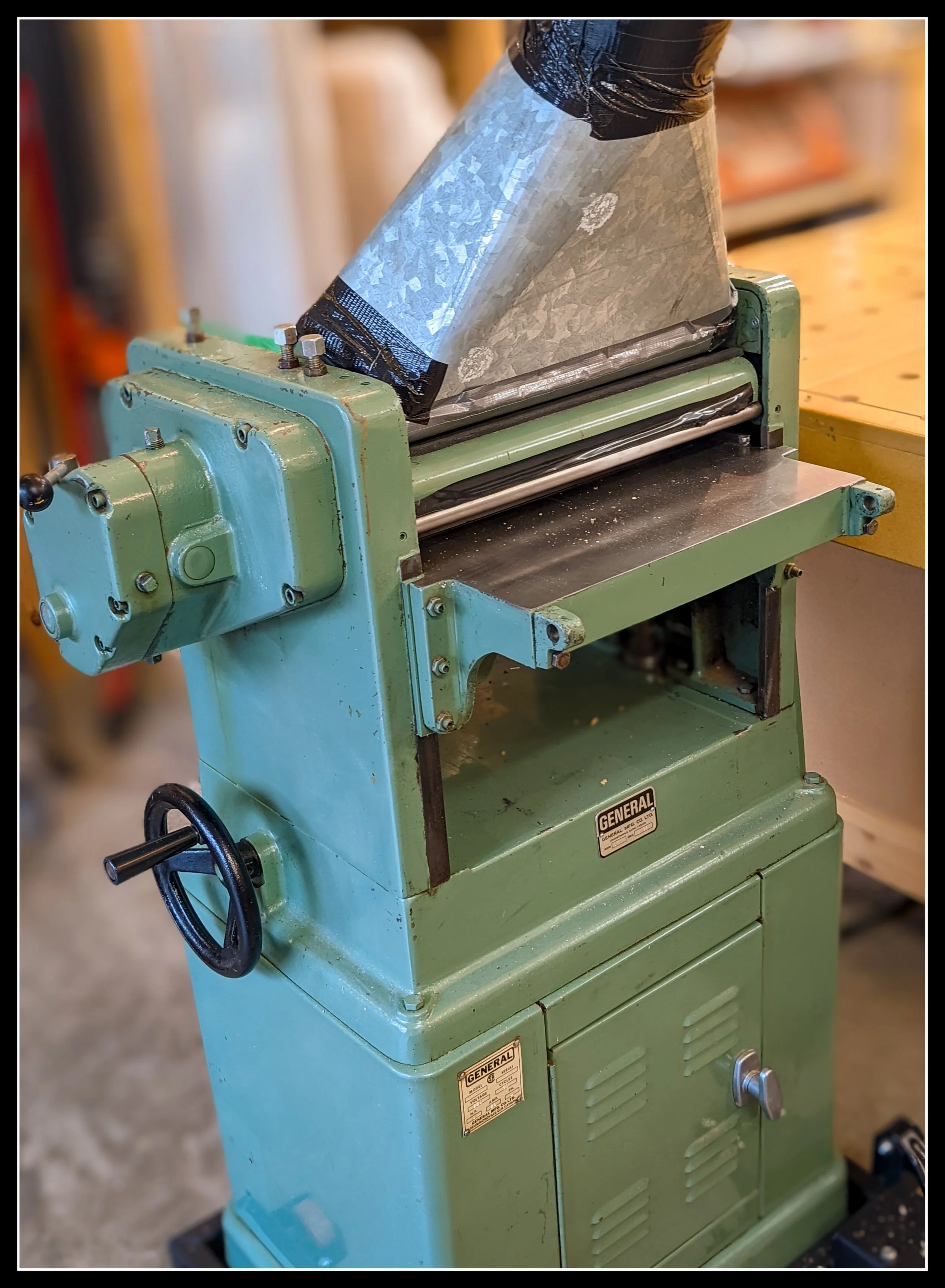
Thickness Planers: Taming Wood and Humbling Woodworkers
A thickness planer will show you exactly what wood is made of — and exactly what you’re made of. If you’ve ever had a board fight back, a knot explode, feed rollers stall, or grain tear out when you least expect it, this story will feel familiar. It’s about the machines that tame wood, humble workers, and teach lessons you don’t forget.
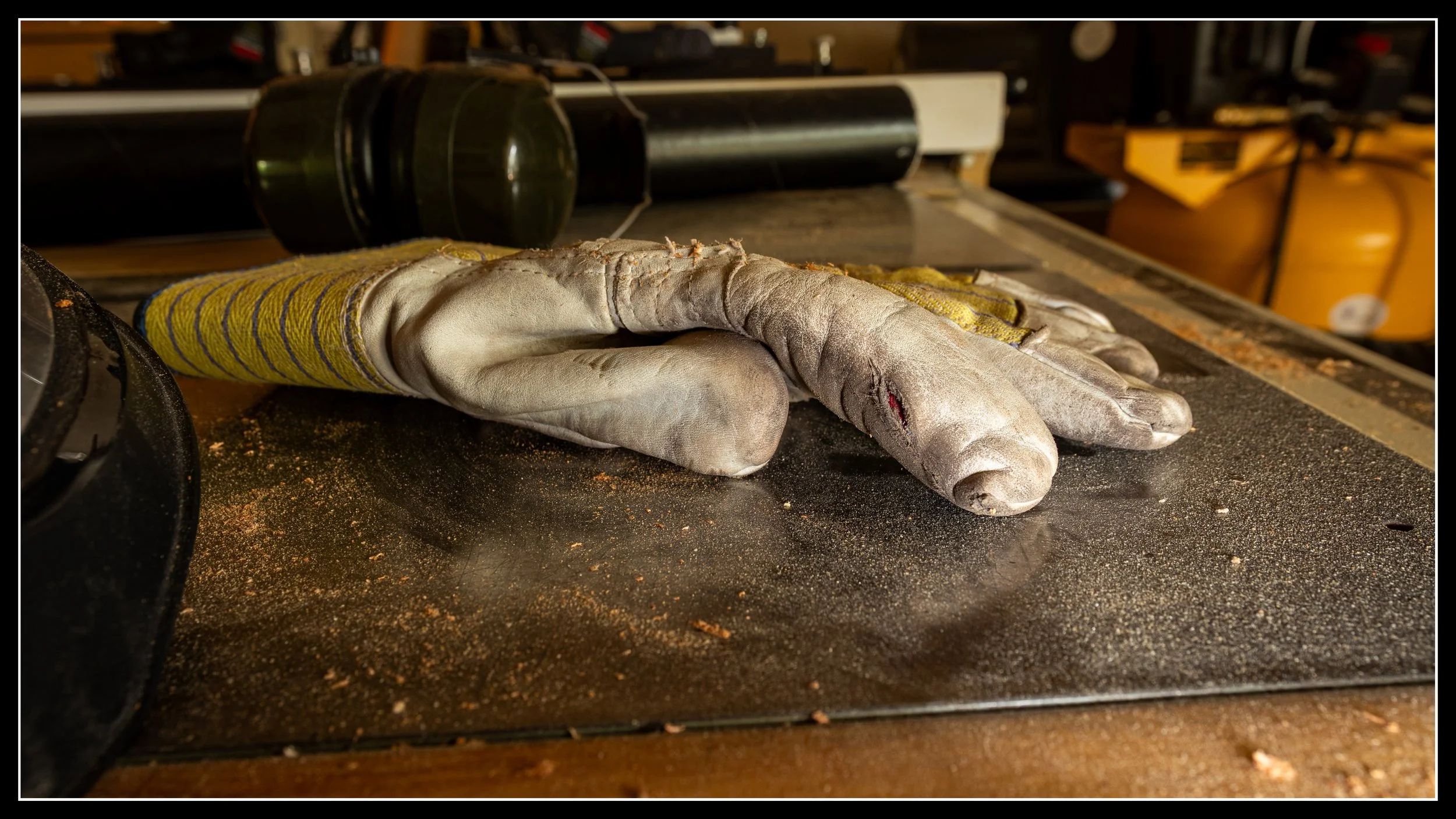
Sawdust — How a Radial Arm Saw Shaped a Lifetime of Woodworking
A quiet story about the first woodworking lesson no one teaches — the smell of sawdust in a dim shop, the hum of a radial arm saw, and how those early moments shaped a lifetime of craft.
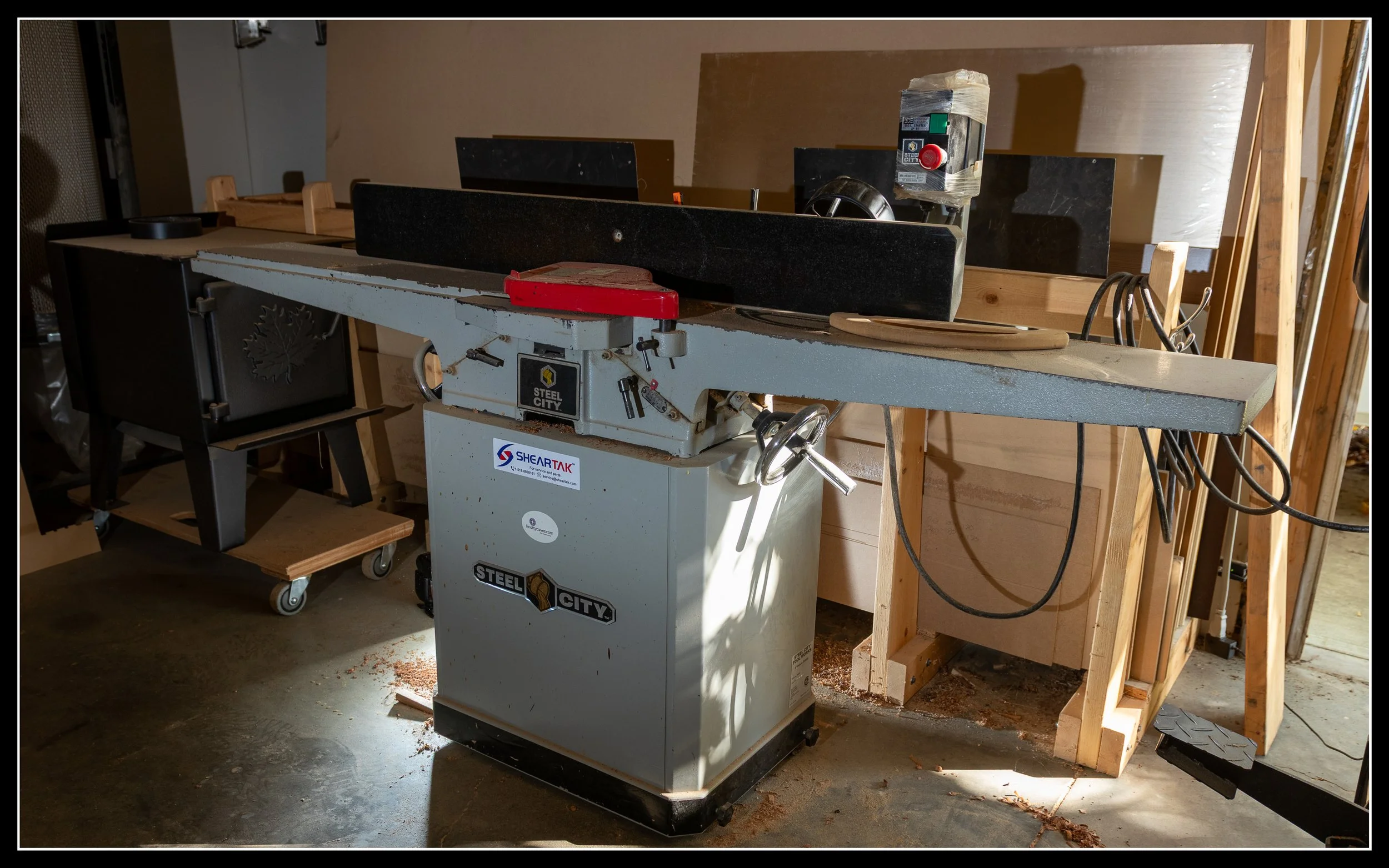
The Jointer: Eliminating the Twist
The jointer is the difference between real woodworking and pretending. It’s the only machine that can eliminate twist, cup, bow, and crook — and when you don’t have one, every other tool in the shop becomes harder, less accurate, and more frustrating. When you do have one, woodworking finally becomes what it’s supposed to be.
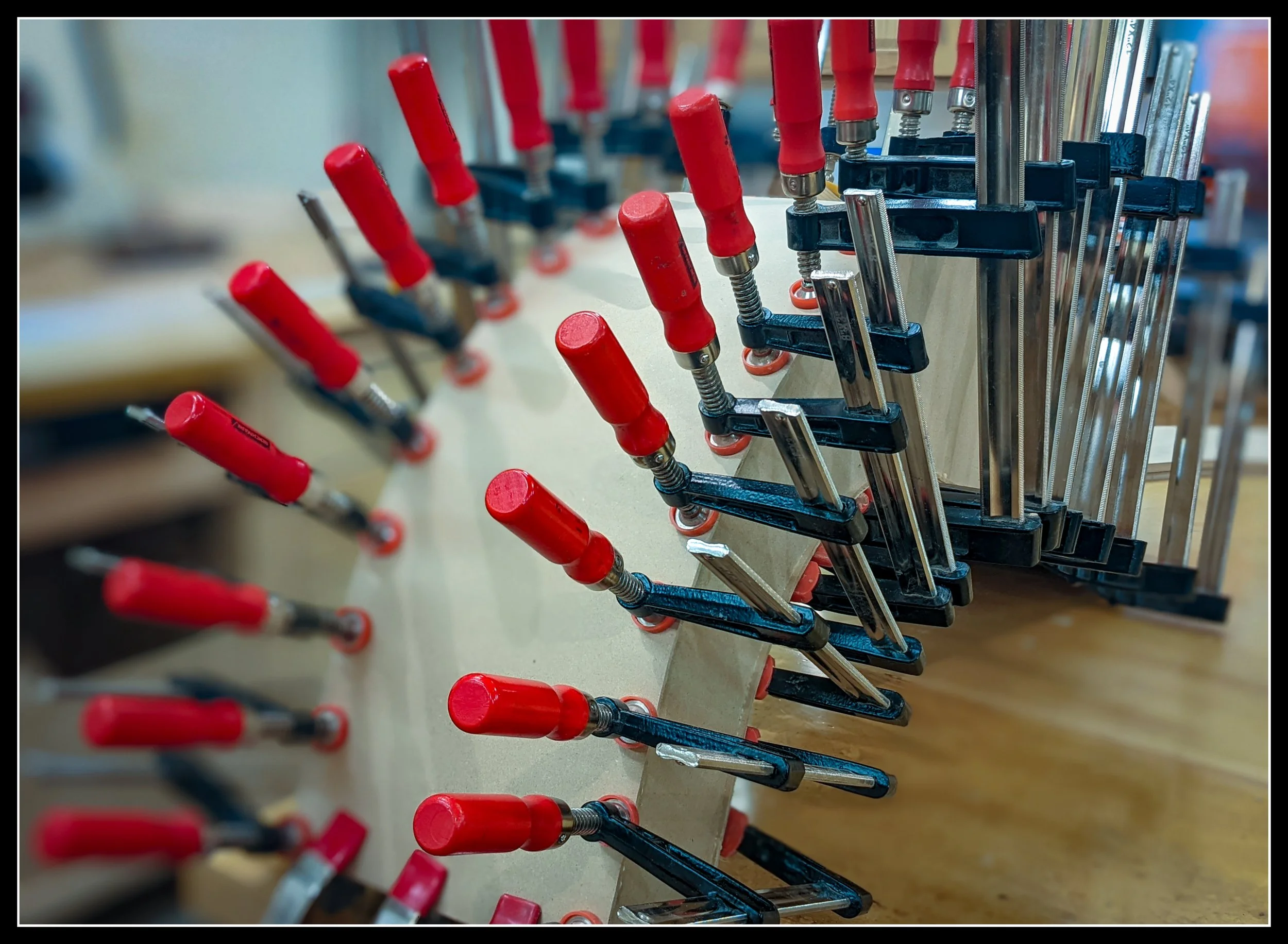
Why You Never Have Enough Clamps: My Shop’s Heavy Duty F Clamp Workhorses
Woodworking clamps don’t get much attention, but they decide whether a glue‑up succeeds or fails. In every shop, F‑clamps quietly carry the load — holding boards straight, keeping edges true, and saving projects when the pressure is on. This story looks at why quality clamps last decades, how cheap clamps fail, and why the right setup on the wall can transform the way you work.
If your glue‑ups ever feel chaotic, this story shows how the right clamps bring order back to the bench.
Does Cancer Have a Silver Lining?
Some days cancer doesn’t just slow me down — it forces me to face the parts of my life I’m terrified of losing. This is one of those days.
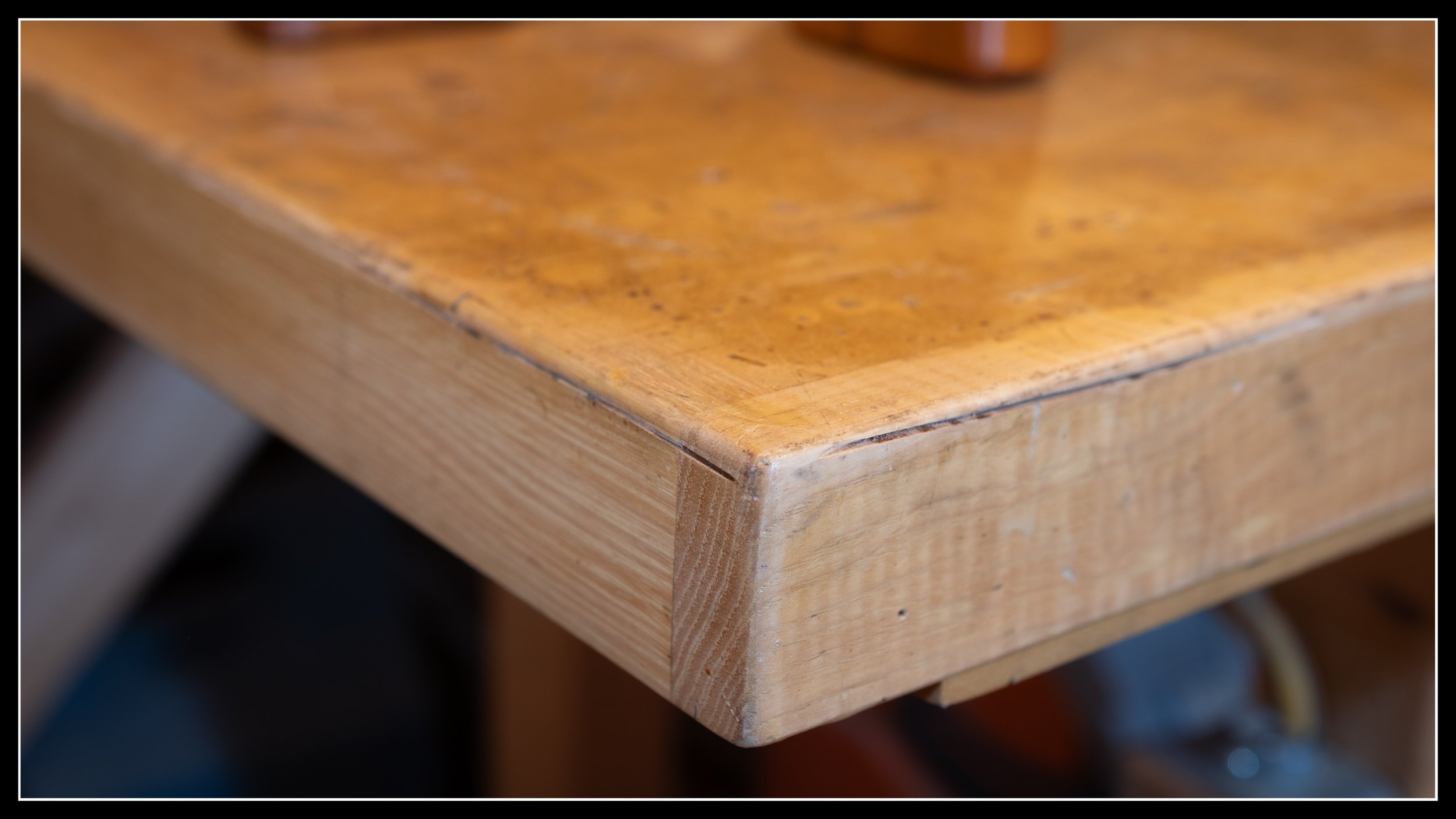
Hickory
Hickory wood — one of the toughest North American hardwoods, known for extreme strength, shock resistance, and the durability behind axe handles, mallets, and heavy‑use tools.