

The Shop
Quick Answer — What Is a Working Woodworking Shop?
A working shop is a small, evolving space built through upgrades, mistakes, problem‑solving, and the belief that tight quarters can still hold big projects. It’s the benches, racks, storage, workflow, and daily decisions that turn a one‑person heritage shop into a place where real work gets done — and where the craft gets carried forward.
Small‑space evolution — built through upgrades, rebuilds, mistakes, and problem‑solving
Workflow clarity — benches, racks, and layout turning chaos into predictable flow
Storage ingenuity — every inch used, from ceiling mounts to the Walnut Wagon
Tool partnership — machines tuned, trusted, and woven into daily work
Heritage craft — a one‑person shop becoming a shared space across generations
Daily decisions — the habits, fixes, and small choices that make real woodworking possible
How a Small Shop Becomes a Working Shop
A shop doesn’t become a shop overnight. It’s built in layers — walls, benches, mistakes, rebuilds, and the stubborn belief that a small space can hold big dreams. Mine started as a one‑person heritage shop in Winnipeg, and now it’s a place I share with my son. Every upgrade tells a story: the Walnut Wagon, the MFT bench, the lumber rack that finally worked. This is where chaos becomes clarity, where tools become partners, and where the craft gets carried forward one project at a time.
BY THE END OF THIS STORY
You’ll understand how a working shop evolves — the upgrades that matter, the mistakes that teach, the storage that saves the day, and the small‑space decisions that turn a heritage shop into a place where real work gets done.
Read time: 2 minutes
Fast Summary
A working shop grows through upgrades, mistakes, storage solutions, workflow improvements, and the small‑space decisions that make real woodworking possible. It’s the benches, racks, tools, and daily habits that turn a heritage shop into a place where chaos becomes clarity and every project finds its place.
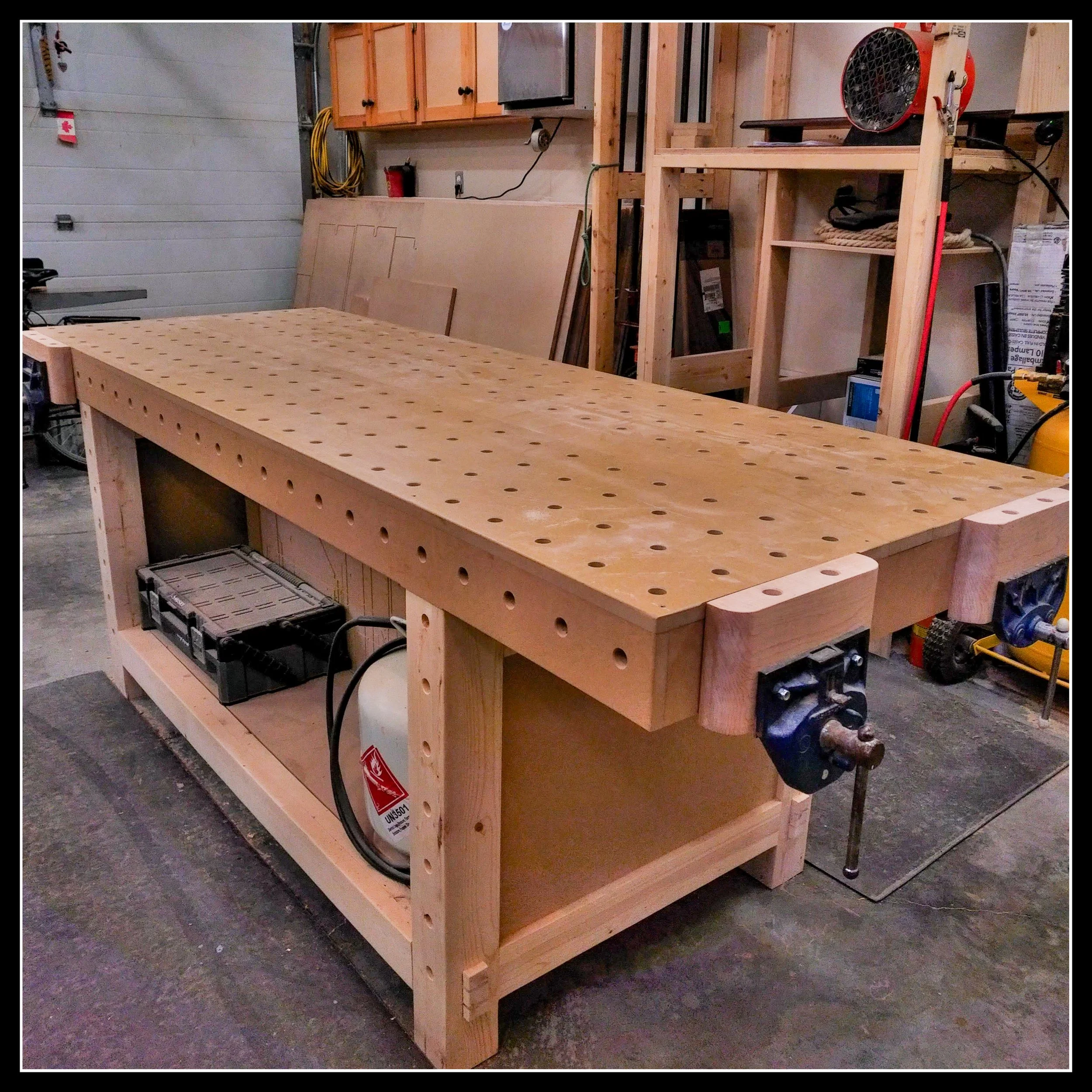
The MFT Bench — Precision That Changed Everything
This MFT bench is one of the best upgrades I’ve ever made. Every hole is perfectly square at 90 degrees, and with pins, surface clamps, and a track saw, it turned my small shop into a precision workspace. It’s the accessories and jigs that make the difference — repeatability, accuracy, and a workflow that finally feels dialed in. This bench changed how I build.
A One‑Person Heritage Shop Built Wall by Wall
Each morning I unlock the shop and push open the door, coffee in hand and still waking up from the night’s sleep. The smell of wood washes over me and wakes me faster than any caffeine-drenched coffee ever could — and I haven’t even turned the lights on yet.
The Shop That Grew Through Mistakes and Rebuilds
Some mornings I sit for a minute, sipping my coffee with the radio playing, enjoying the solitude before the daily grind begins. I look at the day’s project and start planning the work in my head. And if the latest job is out the door and I’m between the end of one build and the start of another, I get a rare moment to simply look around the shop — this space that works with me like a silent partner, helping turn ideas and dreams into something real.
The shop itself has been a long process of wants, mistakes, successes, rebuilds, and slow evolution as new machinery and opportunities arrive. Back in 2008, I built the shop, then I designed it wall by wall, bench by bench. Sometimes I got it wrong, but that’s part of learning how to make a small space handle big projects. It works well for now, though the router table is looking dated and might be the next thing to rebuild. It’s the oldest part of the puzzle.
Every wall is used from floor to ceiling — benches, saws, drills, the lathe. Above that, lumber racks right to the top. I’m officially out of space. I had a few pictures I wanted to hang in the shop; we ended up mounting them on the ceiling because the walls were full. We even picked up a 12' cargo trailer (AKA the Walnut Wagon) just for storage (and occasionally hauling), and built a floor-to-ceiling wall system inside it to squeeze out every inch of space.
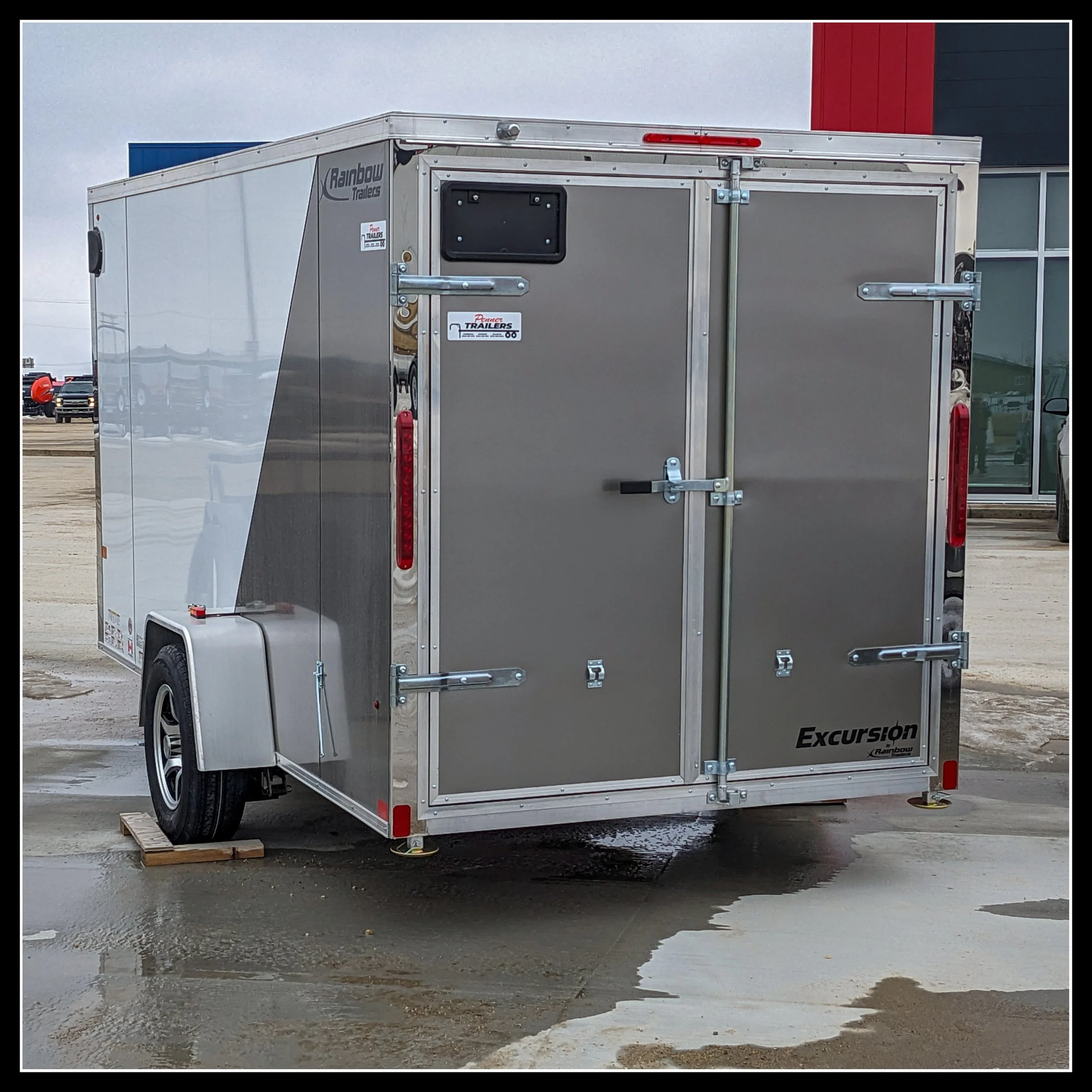
The Walnut Wagon — Storage, Ingenuity, and Shop Survival
The shop ran out of space years ago, so we built more — inside a 12' cargo trailer that became the Walnut Wagon. Floor‑to‑ceiling racks, tight organization, and every inch used with purpose. It’s not just storage; it’s part of the shop’s evolution, a reminder that craft adapts, grows, and finds a way forward even when the walls are full.
A Shop Built for Two — And Built to Adapt
Everything wood in this shop was built by me — even the drywall. And for a single-person shop, it works beautifully. The newest challenge is my son and apprentice, Leo, working alongside me. The shop feels smaller with the two of us, but that’s when I adapt. We’ll see where this new era takes us.
My workshop is where chaos becomes clarity. Where tools aren’t props — they’re partners. Where sawdust settles the mind better than any meditation app ever could.
This is where I build heirloom tables, desks, cabinets, and the occasional questionable experiment. This is where I photograph tools like they’re supermodels. This is where I feel most like myself.
And one day, this is where Leo will stand — hands on the bench, tools within reach — carrying the craft forward.
Mind the shavings. You’re in the right place.
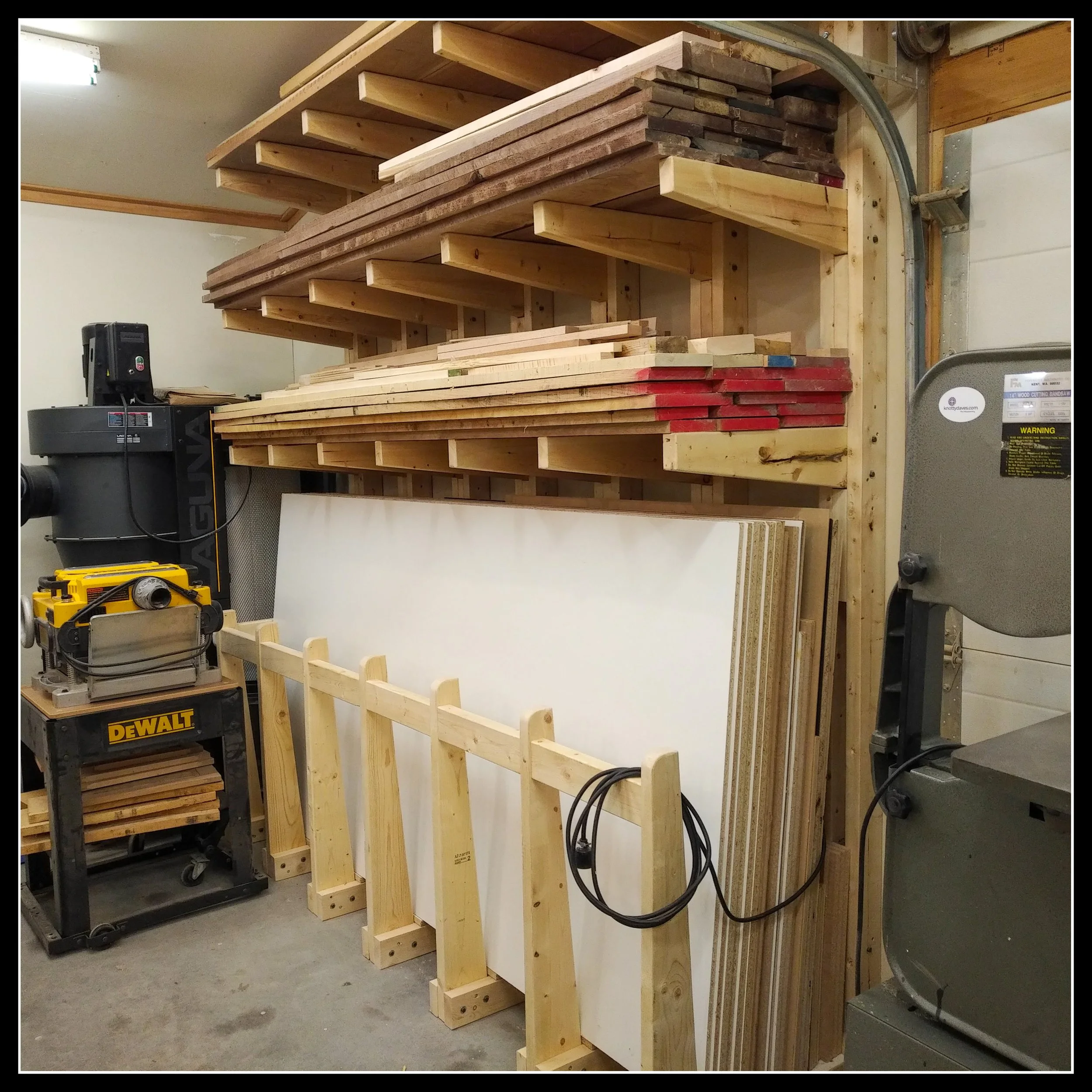
The Lumber Rack — The Upgrade That Finally Worked
This second‑generation lumber rack and sheet‑goods system changed everything. The first version was a mistake — awkward, unsafe, and never quite right. This one is the answer. Strong, organized, efficient, and built to squeeze every inch out of a small shop. It’s the upgrade that made the workflow smoother, safer, and far more predictable.
Together, gathered in one place so the machine stories, tool reflections, and workflow moments stay connected — easy to find and easy to return to.
SHARE
The Working Side of the Craft — Connected Through Machines, Tools & Stories
If you want the stories shaped by table saws, bandsaws, grinders, fences, and jigs — the honest, noisy side of woodworking — the Working Side Of The Craft is one click away.
If you’d like to hear from me only when something big is happening — a launch, a milestone, or a major project — you can join the mailing list below.
Written by David Flather, Red Seal cabinetmaker and founder of Knotty Dave’s Fine Woodworking — a Manitoba shop rooted in heritage restoration, storytelling, and real craft.
All photos shot by David Flather — in the shop, on the road, and in the places where craft and story meet.
Related stories:
The World Runs on Pencils — Woodworking, Shop Life, and the Tool Everyone Loses
Why Woodworkers Never Have Enough Clamps: The Truth About F‑Clamps
Woodworking After 50: How Experience, Patience, and a Personal Shop Redefine the Craft
My First Bandsaw That Didn’t Suck — A Woodworker’s Journey Through Vintage Saws
The Workshop Library
If you enjoyed this story, there’s lots more like it inside The Workshop Library — and it’s free to explore.
Wood Archive — species, grain, working properties, and real‑world craft notes
Behind the Grain — the deeper stories inside wood, craft, and heritage
The Working Side of the Craft — tools, shop life, workflow, and the realities of making
Digital to Sawdust — Design Studio — geometry, proportion, visual flow, and design thinking
The Stories of the Shop — the personal side of craft, the shop’s history, and the quiet moments that shape the work
House & Hearth — heritage home restoration, the hearth room, winter culture, and the lived‑in side of craft
I’m just one man with a shop, building this archive one story at a time. If you’d like to follow the journey as it unfolds, explore The Workshop Library — new stories every week.
