

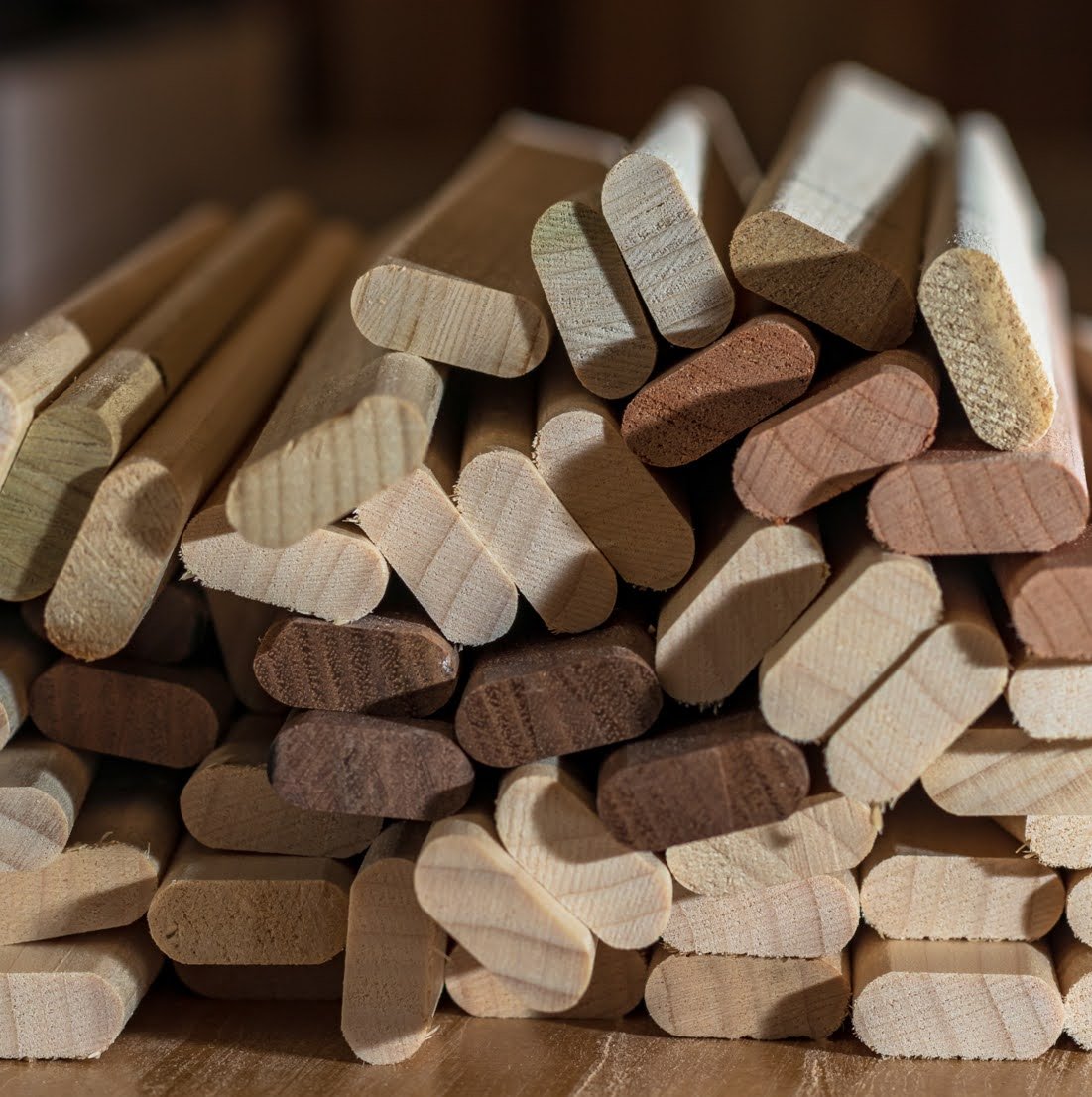
Shop Notes & Rambles
The Rambles are the stories lived and learned over decades — the moments, the lessons, and the shop life that shaped the craft. They accumulate here, sorted by publish date. If you want the curated version, explore the Workshop Library.
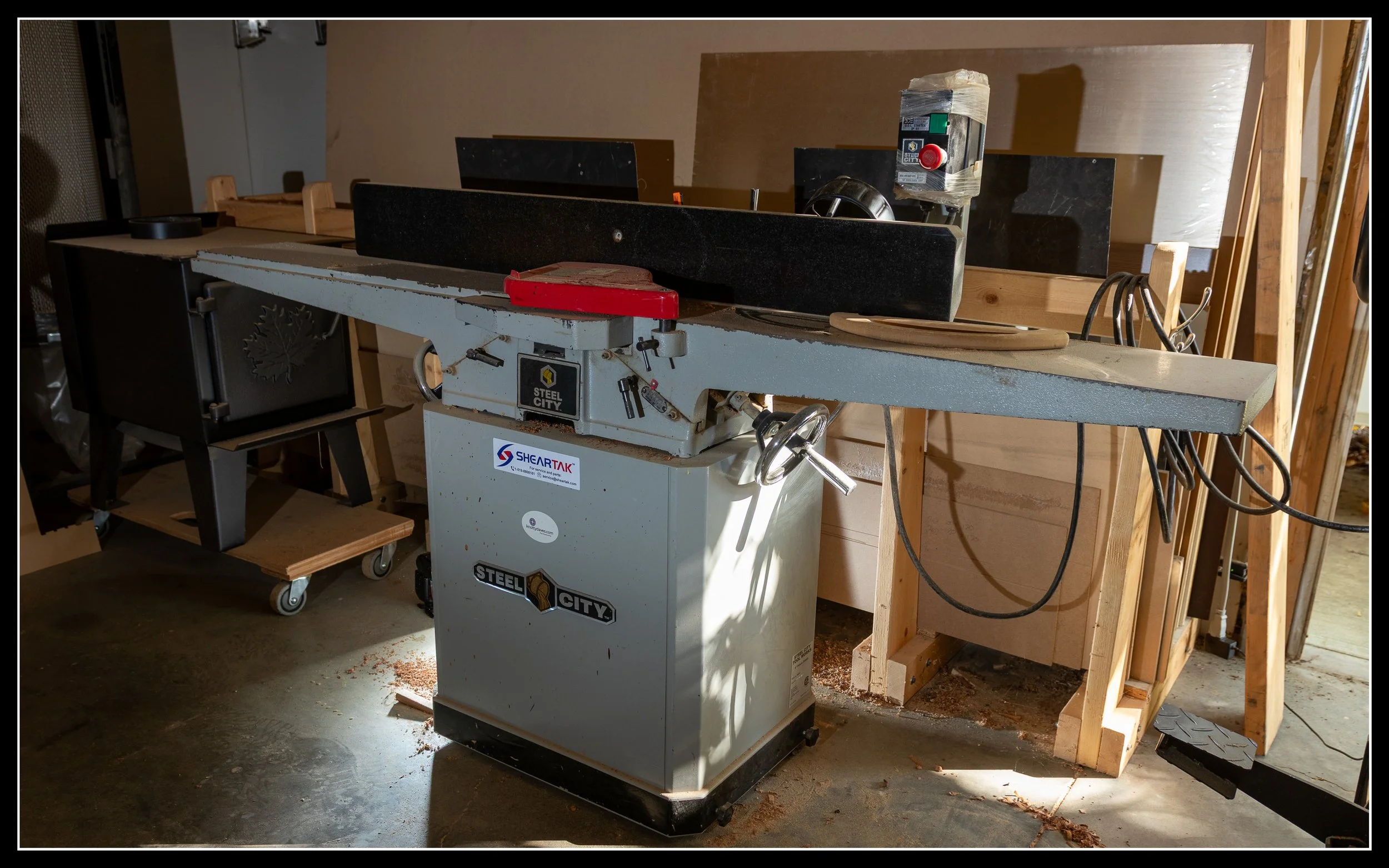
The Jointer: Eliminating the Twist
The jointer is the difference between real woodworking and pretending. It’s the only machine that can eliminate twist, cup, bow, and crook — and when you don’t have one, every other tool in the shop becomes harder, less accurate, and more frustrating. When you do have one, woodworking finally becomes what it’s supposed to be.
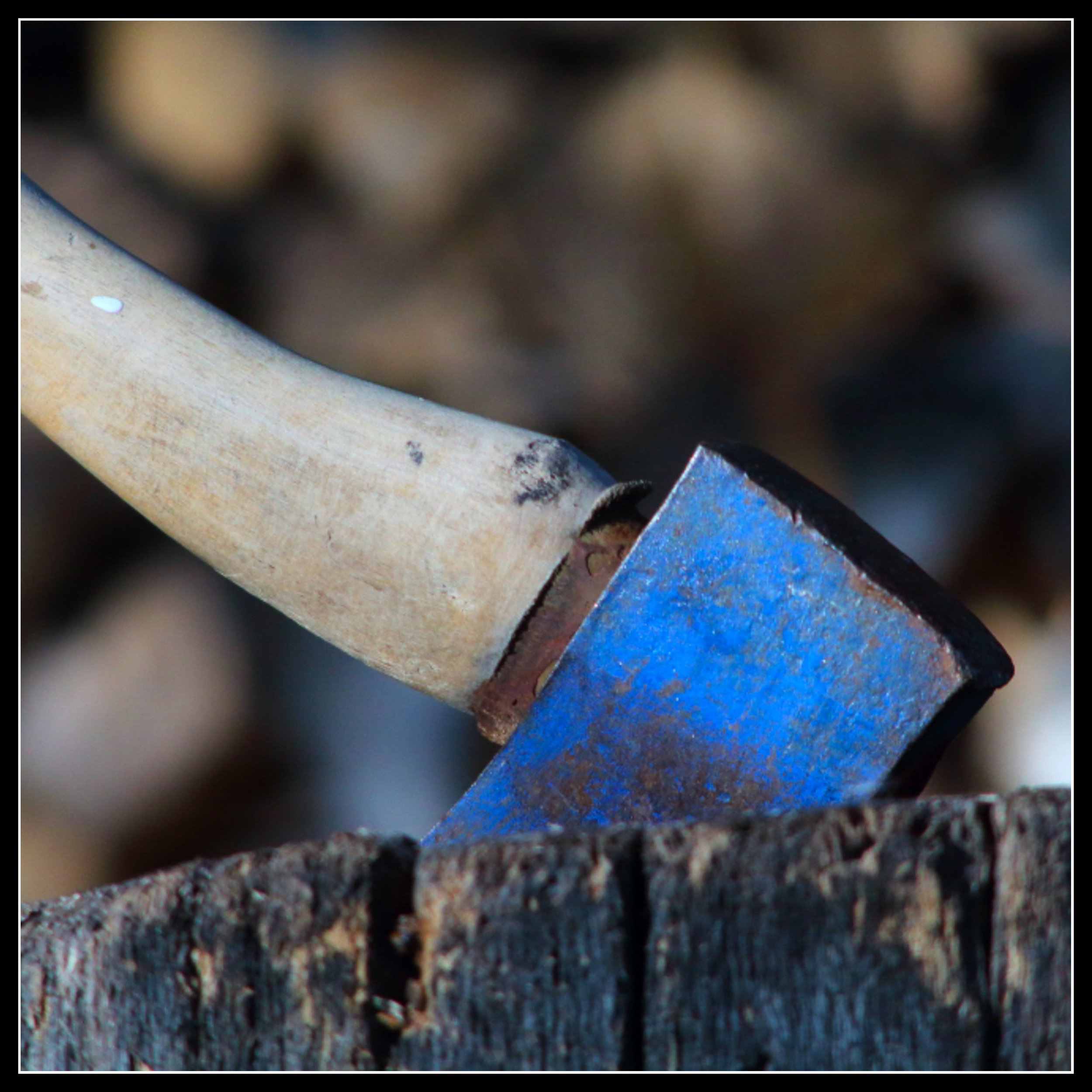
Wood Doesn’t Lie: Lessons From the Woodpile to the Workshop
A lifetime of splitting firewood taught me the first truths about wood — grain, movement, strength, and the imperfections every tree carries. Those lessons followed me into the workshop, shaping how I read lumber, choose boards, and understand the character inside every piece of wood.
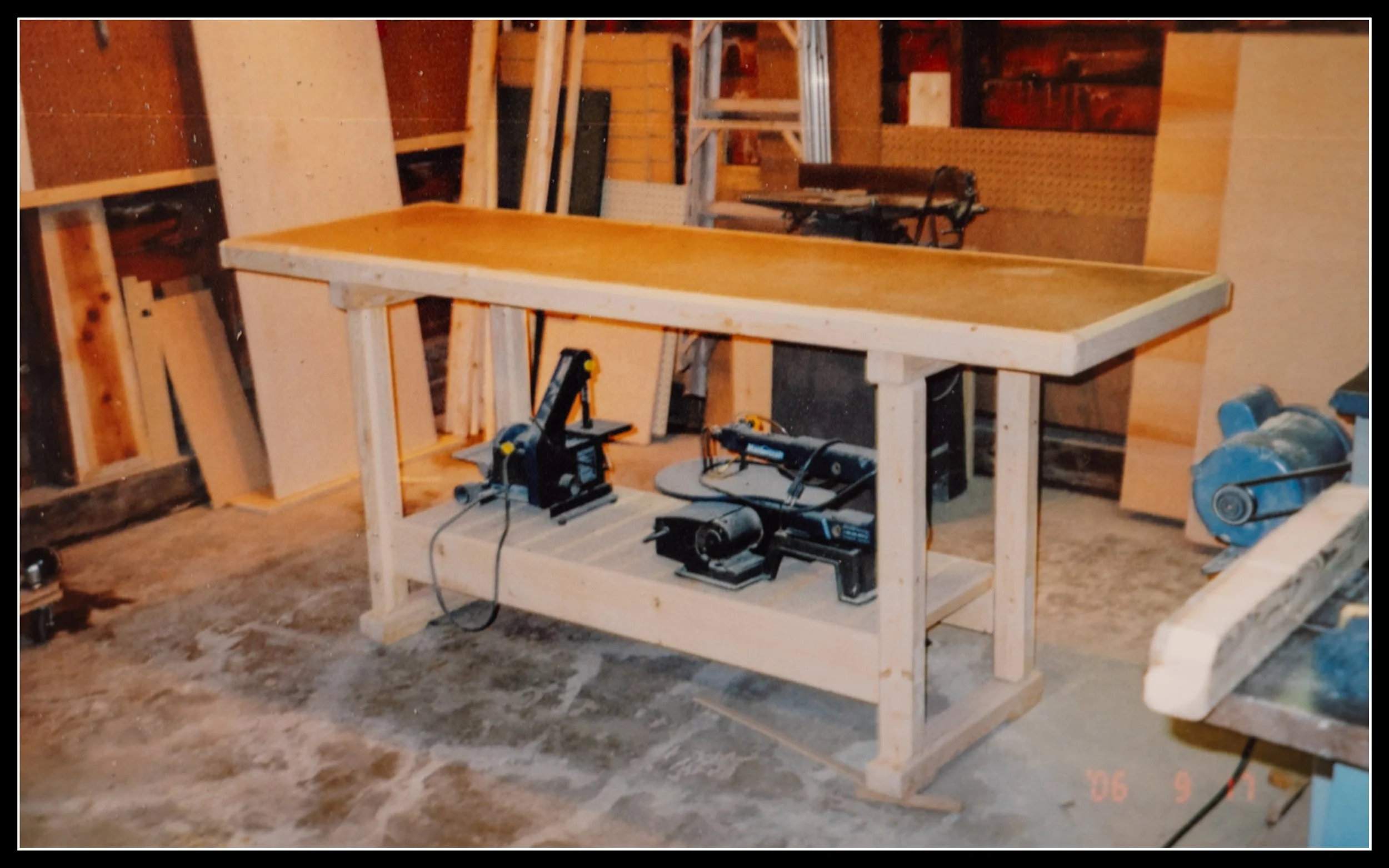
The Mistake Every New Woodworker Makes (And I Made It Too)
Every new woodworker makes the same mistake: trying to force wood to behave. This Ramble follows a twisted spruce workbench, glue‑up problems, and the hard‑earned lesson about wood movement that every beginner eventually learns.

Rarity of Wood
Old‑growth wood is disappearing — not because we’re running out of trees, but because time itself has become rare. This story explores how younger forests, industry changes, disease, fire, and salvage have reshaped the wood we build with, and why the tight‑grained, high‑quality lumber our grandparents knew is now hard to find. From pioneer beams to salvaged elm and century‑old cedar, this is a look at what true wood once was — and why its rarity matters.
Understanding Wood
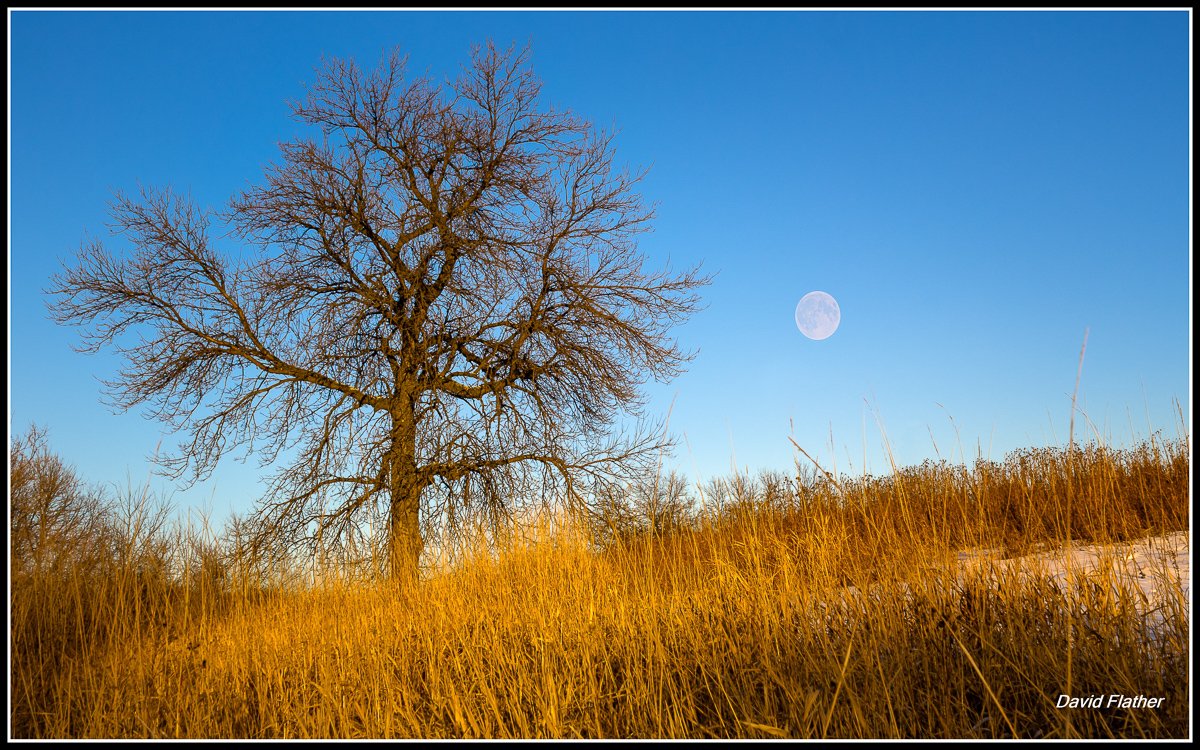
Wood behaves the way it does because every board carries the memory of the tree it came from. Leaning trunks, shifting riverbanks, floodwater, wind pressure, scars, tension wood, compression wood — all of it becomes grain, movement, and character in the shop. This piece explains how trees grow, adapt, and survive, and why those hidden forces show up decades later when a woodworker planes a board and the wood reacts. Understanding wood begins with understanding the life it lived.