

Rarity of Wood
Quick Answer — Why Old‑Growth Wood Is Disappearing
Old‑growth wood is disappearing because time has become scarce — mature trees rarely survive long enough to develop tight grain, deep colour, and strength in a world shaped by fast harvest cycles, fire, bugs, disease, and industry demand.
Old‑growth takes centuries to develop tight grain, colour, and strength
Modern forests are younger due to faster harvest cycles
Fire, bugs, and disease remove mature trees before they reach age
Industry shifts favour fast‑grown lumber over quality
Urban salvage is now one of the last sources of big trees
Why High‑Quality Wood Has Become Hard to Find
Old‑growth wood is rare today not because forests are empty, but because time itself has become scarce. Younger forests, faster harvest cycles, fire, bugs, and disease all shape the lumber we buy — and the tight‑grained, high‑quality boards our grandparents worked with now come from forests that barely exist at scale.
BY THE END OF THIS STORY
You’ll be able to recognize the difference between old‑growth and modern lumber — seeing how time, harvest cycles, fire, disease, and industry shape grain, colour, weight, and strength. You’ll understand why mature trees produce the boards woodworkers prize, why younger forests dominate today’s supply, and where the last sources of high‑quality wood still come from.
Read Time: ~7 minutes
Quick Summary
This story explains why old‑growth wood has become rare — how centuries of slow growth create tight grain, deep colour, and stability, and how modern forestry, fire, bugs, disease, and industry demand have shifted the supply toward younger, faster‑grown lumber. It shows why mature trees produce superior boards, why modern lumber behaves differently, and where old‑growth still appears today through protected forests and urban salvage.
Comparison — Old‑Growth vs Modern Lumber
Old‑growth — tight grain, deep colour, heavy boards, centuries of growth
Modern lumber — wider grain, lighter weight, more knots
Old‑growth strength — stable, dense, long‑lived
Modern strength — adequate, but less stable
Sources — protected forests, salvage, heritage structures
What This Story Covers
Why old‑growth wood is rare today
How younger forests shape modern lumber
How fire, bugs, and disease affect wood quality
Why mature trees produce better grain and strength
Where old‑growth still appears (urban salvage, protected forests)
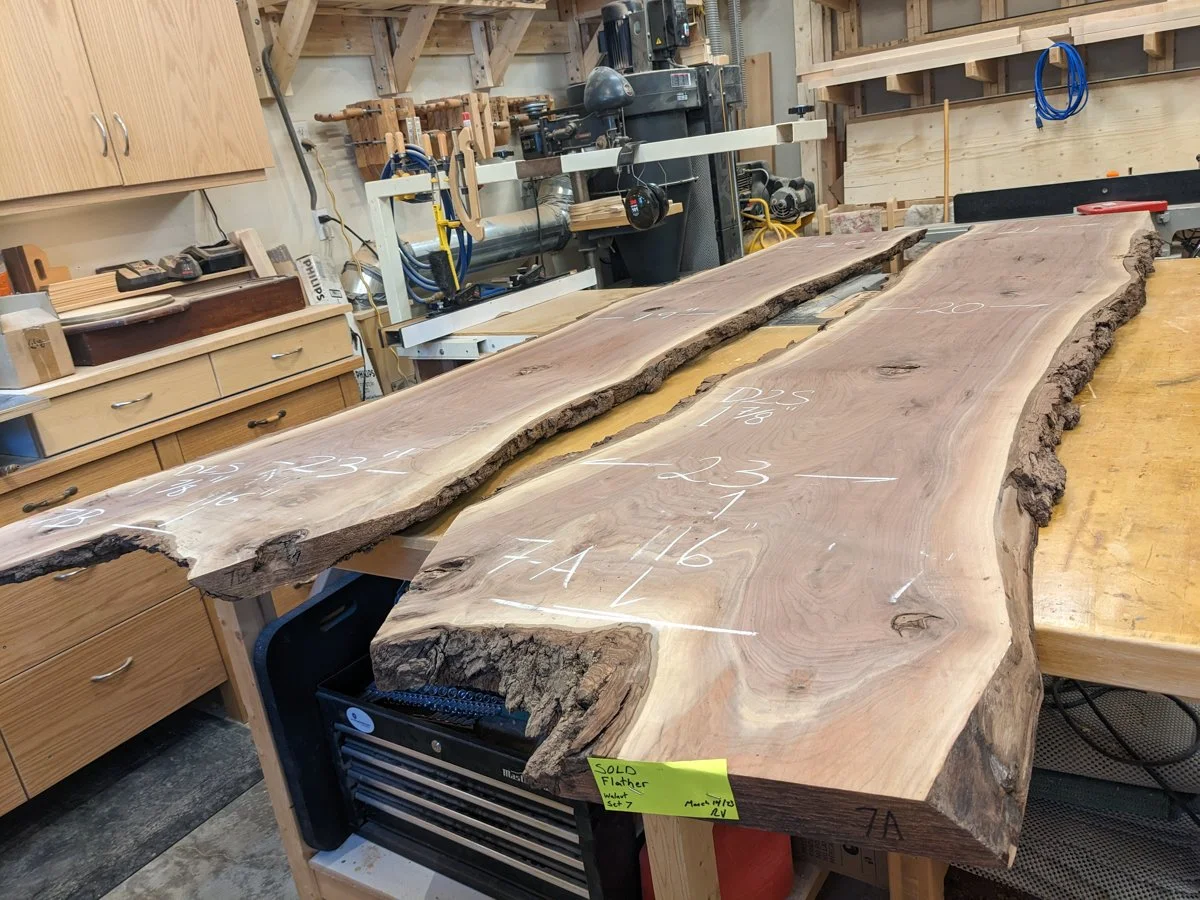
🌳 Bookmatched Walnut Slabs
Bookmatched walnut like this shows what mature trees can produce — wide boards, deep colour, and grain that mirrors itself like pages in a book. These slabs carry decades of growth, storms, and seasons, and they’re a reminder of why high‑quality hardwood is becoming rare. You don’t get boards like this from young forests; you get them from time.
A Drive Across Canada, and a Question About Wood
Back in 2022 my wife and I took a drive from Winnipeg to Cape Breton Island and back. The road was long and filled with traffic; some stretches were remote and others were multi‑laned, fast‑moving highways. We cut through Canadian Shield, mountainous regions, and farmland. We had blue skies, rainy skies, and even snow. We saw Manitoba, Ontario, Quebec, New Brunswick, Nova Scotia, and Prince Edward Island. It was a great drive.
This was October, and we saw trees everywhere. The sparsest stretch was the first forty minutes driving east of Winnipeg through open prairie country. Once we hit the treeline, the trees were unending. That may sound strange to some, but I’m a Winnipeg prairie boy — trees aren’t common where I’m from. Out here, a single shelterbelt can feel like a forest. Lots of corn fields though.
We loved seeing all those fall colours. But as a woodworker, I wasn’t just seeing trees. I was seeing an endless supply of wood. We could smell the forests in every province. We saw logging trucks in every province except PEI, and even there they were cutting storm‑fallen trees for firewood.
The Forest Is Full — But the Wood Is Young
And yet high‑quality wood keeps getting harder to find — and more expensive when we do find it.
So why is that? I literally saw billions of trees on that trip, and that was just eastern Canada.
Why Old Growth Is Rare Today
But what I didn’t see were old stands of trees. Not the 200‑year‑plus giants in huge numbers. I’m not saying they don’t exist — I have some old bur oaks on my own property that I can’t wrap my arms around. But that’s four trees. What I saw were younger forests with a few big trees mixed in. The only places where the trees truly felt old were in protected forests like Algonquin Park — reminders of what this country once had.
I’m not a forester, but I work with wood every day, and what I saw on that trip matched what I feel in the lumber pile: the forest is full, but the wood is young.
This same issue echoes across North America. We consume mature wood as fast as it grows.
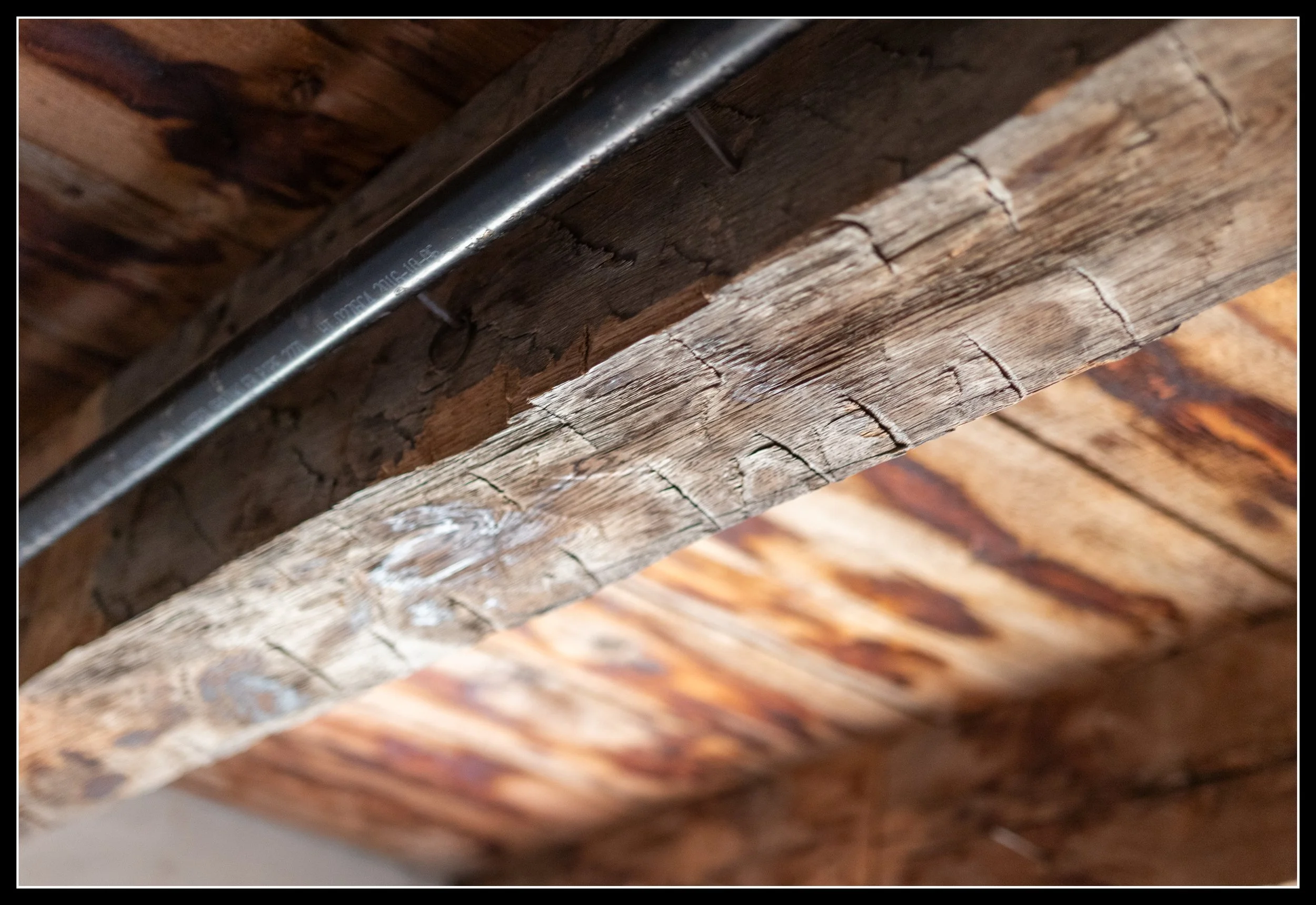
🌲 Pioneer Beam Still Doing Its Job
This pioneer‑age beam was shaped by hand with an adz, long before machines or mills. It’s been holding up the second floor at Lower Fort Garry since the fur‑trade era, carrying generations of footsteps, conversations, and work. Wood like this isn’t just old — it’s proven. It shows what true old‑growth strength looks like, and how long a single tree can serve when it’s given purpose instead of being wasted.
Fire, Bugs, and Industry
I’ve seen a trend with the lumber that arrives in my shop. The boards are narrower, with less heartwood and bigger knots. The wood simply comes from younger forests, and the high‑quality material our grandfathers built with has become rare. And if we’re not cutting the forests, fire, bugs, and disease are consuming them anyway. A spruce can live 200 years, but that’s rare. They usually get forty to seventy years until harvest — and they can easily burn before they ever reach that age.
What We Lost Without Noticing
Now, I’m a woodworker, and I appreciate good quality wood. If you’ve been reading my blog, maybe you’ve seen the story Old Cedar. I tore our old cedar decks out — close to fifty years old now. We salvaged as many boards as we could, and we found cedar better than any I’ve ever built with. Tight‑grained, minimal knots, and many of the boards felt heavier than what I’m used to when working with cedar. A few were undeniably cedar but so heavy I questioned it. I was amazed this wood had been used for a deck — it was such high quality.
But changes in the industry happen slowly, and we don’t notice them right away. By the time we do, the change has already moved on. I wasn’t buying lumber fifty years ago — I was four years old. So I don’t know the quality of the wood back then until I salvage something like my old deck and stand back in the shop thinking, Damn, that’s nice wood.
Today, most of us have never worked with old growth. We don’t know what it looked like, how it felt in the hand, or how it behaved. And after working with that old cedar, I can’t help but wonder what other species looked and felt like just fifty years ago.
Now, I can still get some amazing wood — I’m not saying it’s gone. But the memory of a grandfather can’t tell me what it was like in his era. What looks like good wood to me might not have impressed him. He’s not here to tell me.
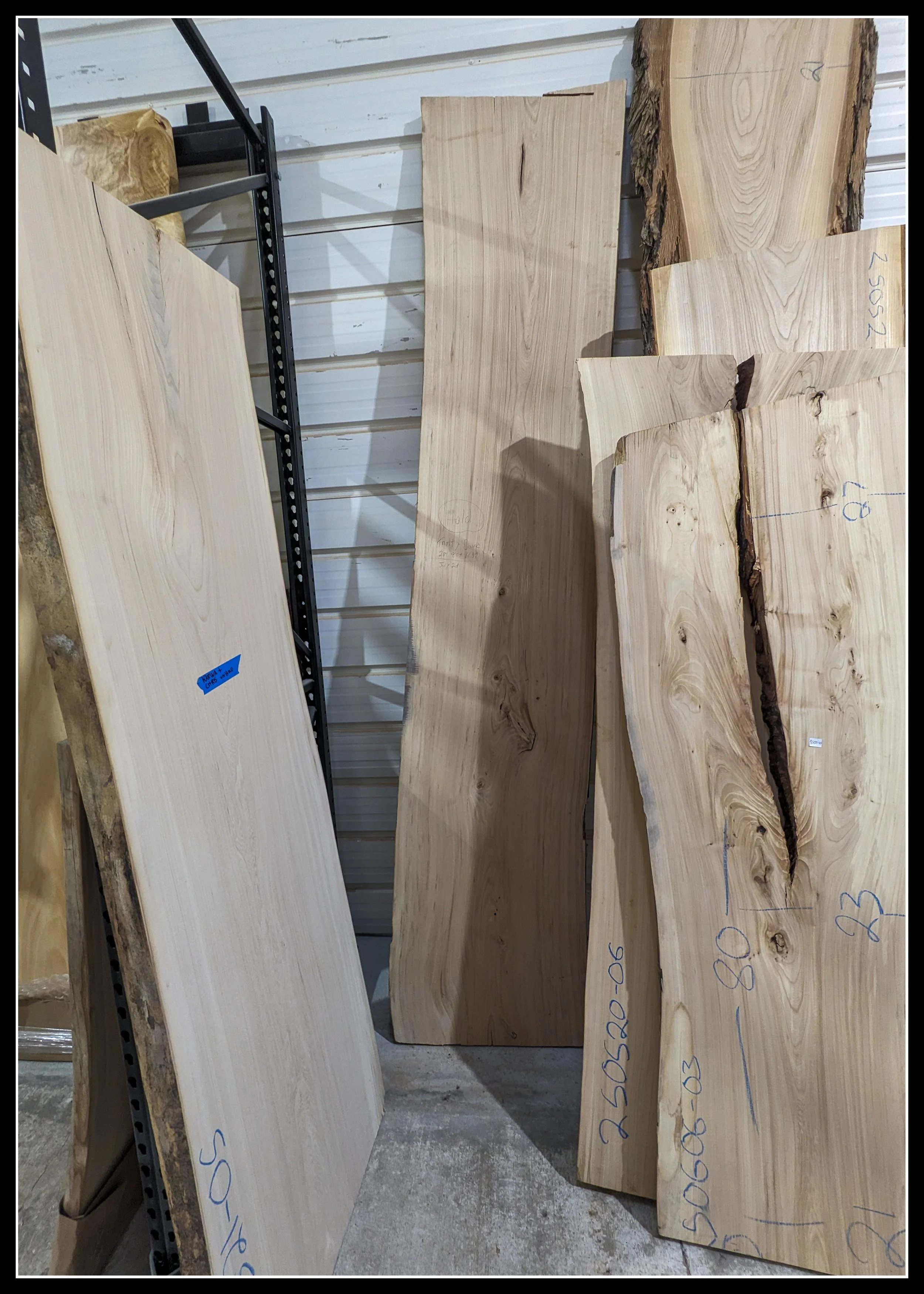
🌳 Elm Saved From the Fire
Urban salvage gives elm a second chance. These slabs came from trees lost to Dutch elm disease — trees that would’ve been burned like so many before it. Instead, they’re milled, dried, and turned into lumber with tight grain, weight, and character you can’t get from young forests. This is what saving wood looks like: not just preventing waste, but preserving the last pieces of a city’s old‑growth heritage.
Urban Salvage: The Last Big Trees
One place here in Winnipeg that’s selling big‑growth elm is Urban Lumber. Winnipeg is home to the largest urban forest of elms anywhere. But Dutch elm disease claims many trees each year, and for decades those trees were simply incinerated once infected to control the spread. Today Urban Lumber has a contract with the city to mill them. The disease lives in the bark and sap wood, so that’s the bark is disposed of. Then the wood goes into a kiln to eliminate any risk of dutch elm disease surviving. These trees have been growing in town for over a hundred years in some cases. They’re big. I’d call some of them old growth in size and character. Tight grain and heavy. And only sold here in Winnipeg.
So the rarity of wood isn’t about running out of trees. It’s about high‑quality wood becoming rare. There’s no shortage of pallet wood, particleboard, or pulpwood for paper.
Old Growth and Time
Before I close off here, I’d like to leave you with a thought. A few years ago, I was at the MCC thrift shop that sells furniture. I found a Seth Thomas long‑pendulum school clock built around 1895. I paid forty dollars for it. My dad, a retired watchmaker, repaired the movement and got it running. I repaired the oak case, and I sent it to Western Paint for stain, clear coat, and preservation of the interior decals.
The Real Rarity of Wood
This clock hangs proudly in my living room today. In fact, I’ve been listening to its tick‑tock while writing every story on this website. I look at its tight‑grained, quarter‑sawn oak case, and I think it’s very likely made from an old‑growth tree that could have been 250 to 300 years old, possibly older. The clock was made in 1895 — that’s 131 years ago. If the tree was 300 years old at the time, it started life in 1595. That’s a long time ago.
But if a new tree germinated in 1895, it’s only 131 years old today. Will that tree ever see 300 years? That’s 169 years from now — the year 2195.
That’s one tree.
That’s old growth.
If that oak began life in 1595, it has seen more of this world than any of us ever will. And the trees growing today may never reach that age again. That’s the real rarity of wood — not the boards we buy, but the time it takes to grow them.
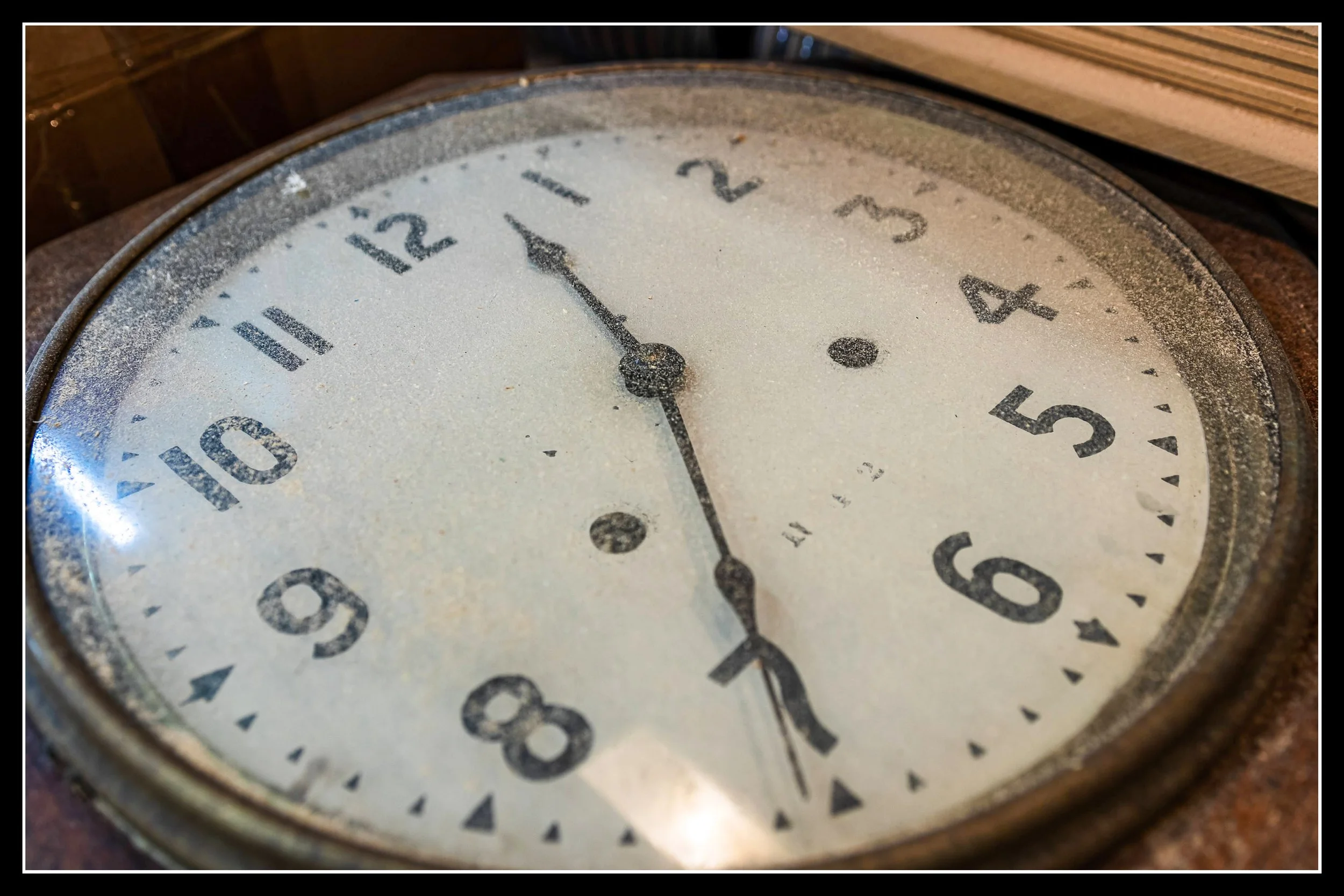
🕰️ Old Growth, Old Time
This Seth Thomas clock was built in 1895, and its oak case came from true old growth — wood that spent centuries becoming what it is. Time is the main ingredient of wood, and this clock is the metaphor. It’s still running, still marking the hours, still earning respect more than a century later. Nothing else we build lasts like this. Old growth isn’t just rare — it’s irreplaceable.
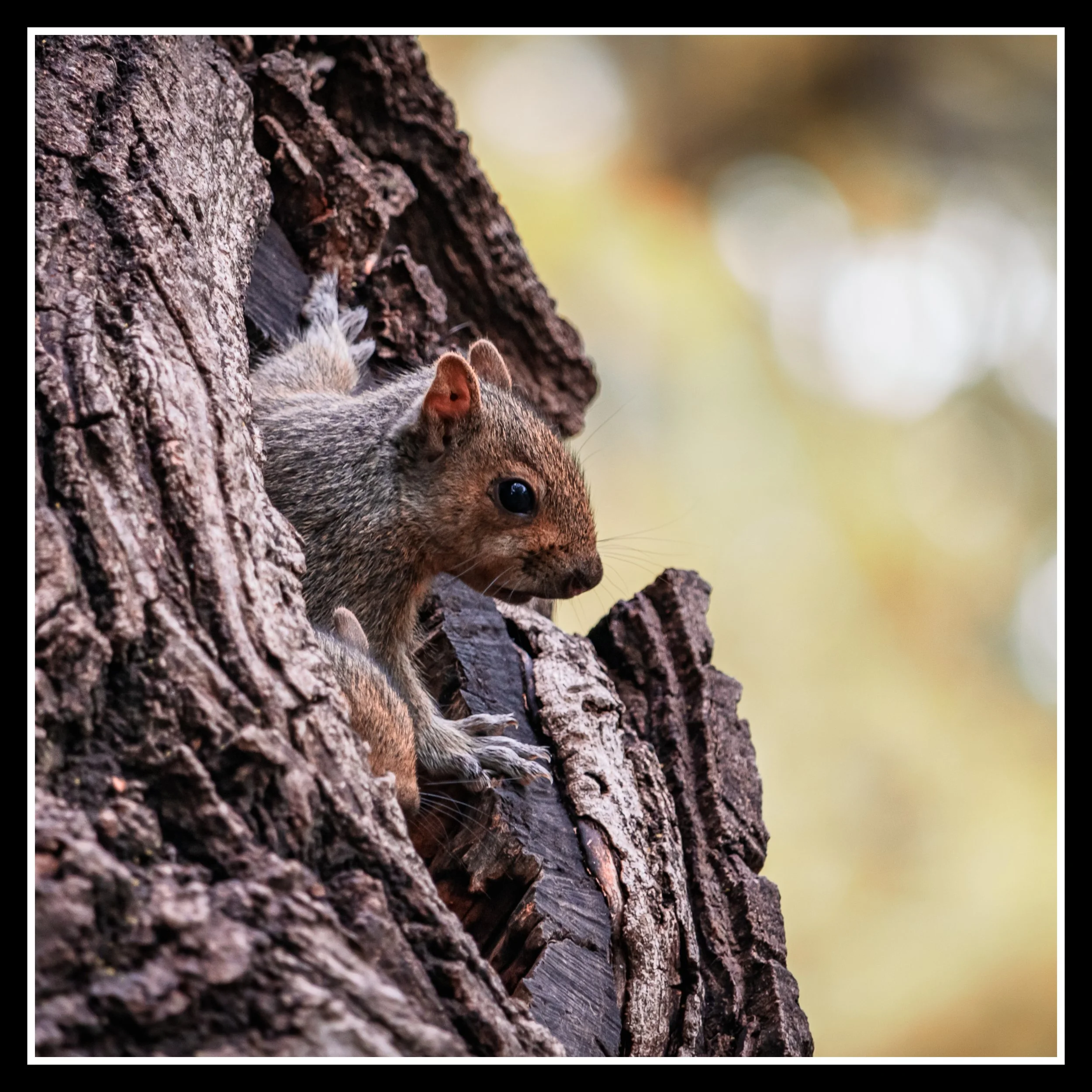
🐿️ One of the Many Critters Who Depend on Trees
A squirrel tucked into the bark of an old tree reminds us that wood’s value goes far beyond lumber. Trees shelter entire ecosystems — birds, insects, mammals, fungi, and everything in between. When old‑growth disappears, so do the homes that species like this rely on. The rarity of high‑quality wood isn’t just about boards in a shop; it’s about the living world that depends on mature forests.
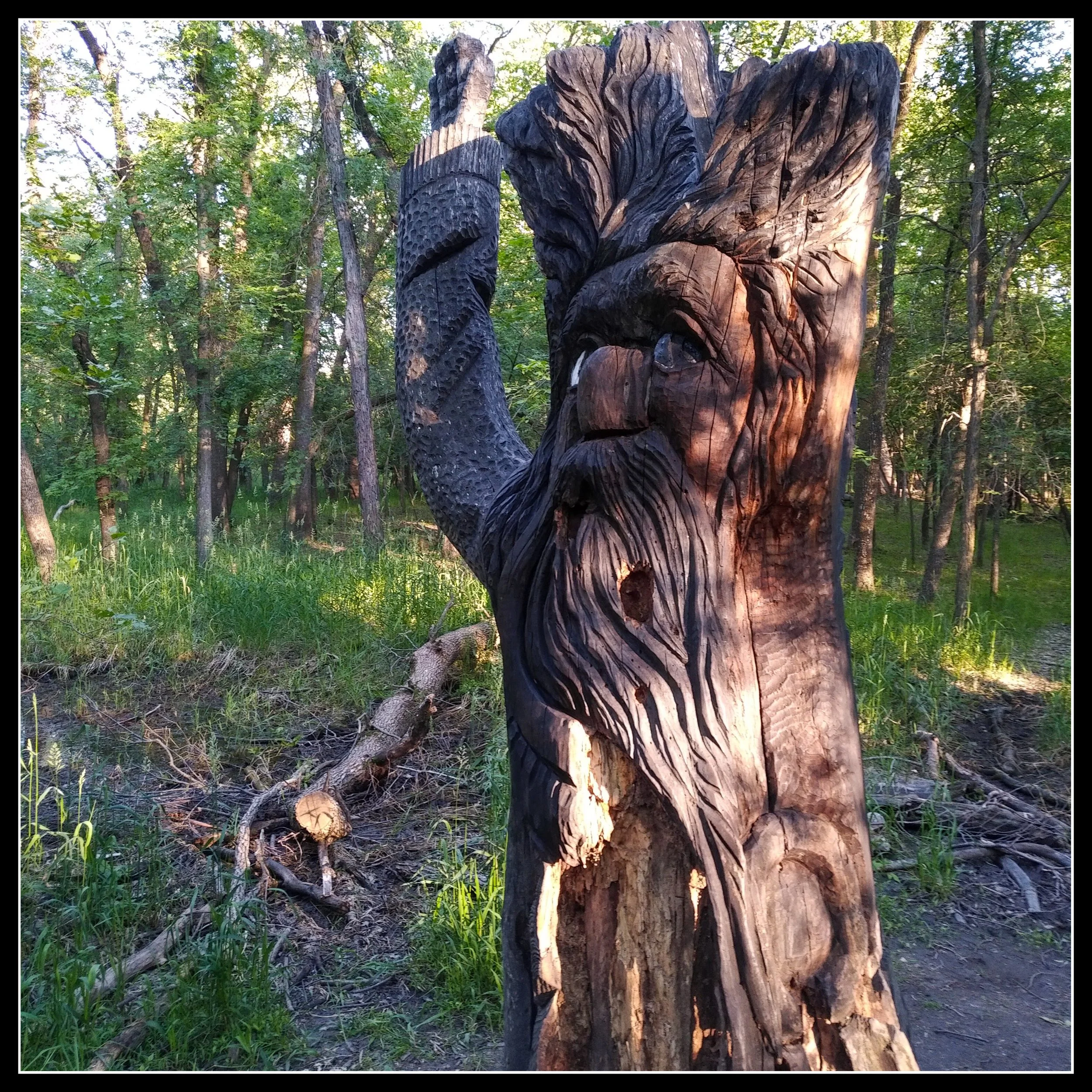
🌲 Second Life Through Art
A dead tree doesn’t have to be wasted. This carved old man gave the wood a second life, turning a fallen trunk into something meaningful instead of mulch or firewood. Even in decay, wood can carry story, character, and purpose — a reminder that rarity isn’t just about age or size, but about how we choose to honour the material we have.
Where every species, every board, and every lesson in wood science comes together — a place to explore the materials that shape our craft.
SHARE
The Wood Archive — All the wood Stories in One Place
For the living side of woodworking — the stories shaped by walnut, oak, maple, cherry, elm, cedar, and poplar — head to the Wood Archive.
If you’d like to hear from me only when something big is happening — a launch, a milestone, or a major project — you can join the mailing list below.
Written by David Flather, Red Seal cabinetmaker and founder of Knotty Dave’s Fine Woodworking — a Manitoba shop rooted in heritage restoration, storytelling, and real craft.
All photos shot by David Flather — in the shop, on the road, and in the places where craft and story meet.
Related Stories:
Understanding Wood: Why Trees Grow the Way They Do — And How That Shapes Every Board
The Value of Wood in the Fur Trade: Winter Logging, River Transport, and York Boat Timber
Outdoor Wood: Rot Resistance, Freeze‑Thaw Survival, and 200 Years of Real‑World Weather
Hardwood vs Softwood: The Real Difference, Strength, Uses, and How Each Tree Family Evolved
The Workshop Library
If you enjoyed this story, there’s lots more like it inside The Workshop Library — and it’s free to explore.
Wood Archive — species, grain, working properties, and real‑world craft notes
Behind the Grain — the deeper stories inside wood, craft, and heritage
The Working Side of the Craft — tools, shop life, workflow, and the realities of making
Digital to Sawdust — Design Studio — geometry, proportion, visual flow, and design thinking
The Stories of the Shop — the personal side of craft, the shop’s history, and the quiet moments that shape the work
House & Hearth — heritage home restoration, the hearth room, winter culture, and the lived‑in side of craft
I’m just one man with a shop, building this archive one story at a time. If you’d like to follow the journey as it unfolds, explore The Workshop Library — new stories every week.
