

Hardwood vs Softwood
Quick Answer: What’s the difference between hardwood and softwood?
Hardwoods come from deciduous trees with broad leaves; softwoods come from conifers with needles. Hardwoods are generally denser and used for furniture, flooring, and fine woodworking. Softwoods grow faster, are lighter, and dominate construction lumber. The real difference is biological: hardwoods are angiosperms, softwoods are gymnosperms.
hardwoods = deciduous, broad leaves
softwoods = conifers, needles
hardwoods usually denser
softwoods usually lighter
biological difference: angiosperms vs gymnosperms
How Two Tree Families Built the World
“This ramble dives into the origins of hardwood and softwood, tracing their evolution from ancient landscapes to the boards we use in woodworking today.”
BY THE END OF THIS STORY
You’ll understand how softwoods evolved to survive harsh, dry, thin‑soiled landscapes, how they terraformed the continents and built the first forests, and how hardwoods later evolved to fill the warm, rich environments with speed, complexity, and biodiversity. You’ll see how fire cycles shaped softwoods, how climate shifts opened new niches, and how the asteroid reset the world in favour of fast‑growing hardwoods — creating the balance of forests we see today.
Estimated reading time: 8 minutes
Fast Summary
This story explains the true difference between hardwoods and softwoods — not hardness, but biology and evolution. It traces how softwoods first colonized harsh, barren landscapes and built the planet’s earliest forests, and how hardwoods later evolved to fill richer environments with speed, complexity, and biodiversity. It shows how fire, climate, and extinction events shaped both families and how their traits still define the wood we use today.
Hardwood vs Softwood — Quick Comparison
Softwoods (Gymnosperms)
Needles and cones
Usually lighter
Simpler cellular structure
Stronger per weight
Used for framing lumber, outdoor structures
Examples: pine, spruce, fir, cedar
Hardwoods (Angiosperms)
Broad leaves
Usually denser
More complex cellular structure
Often stronger per volume
Used for furniture, flooring, cabinetry
Examples: oak, maple, walnut, cherry
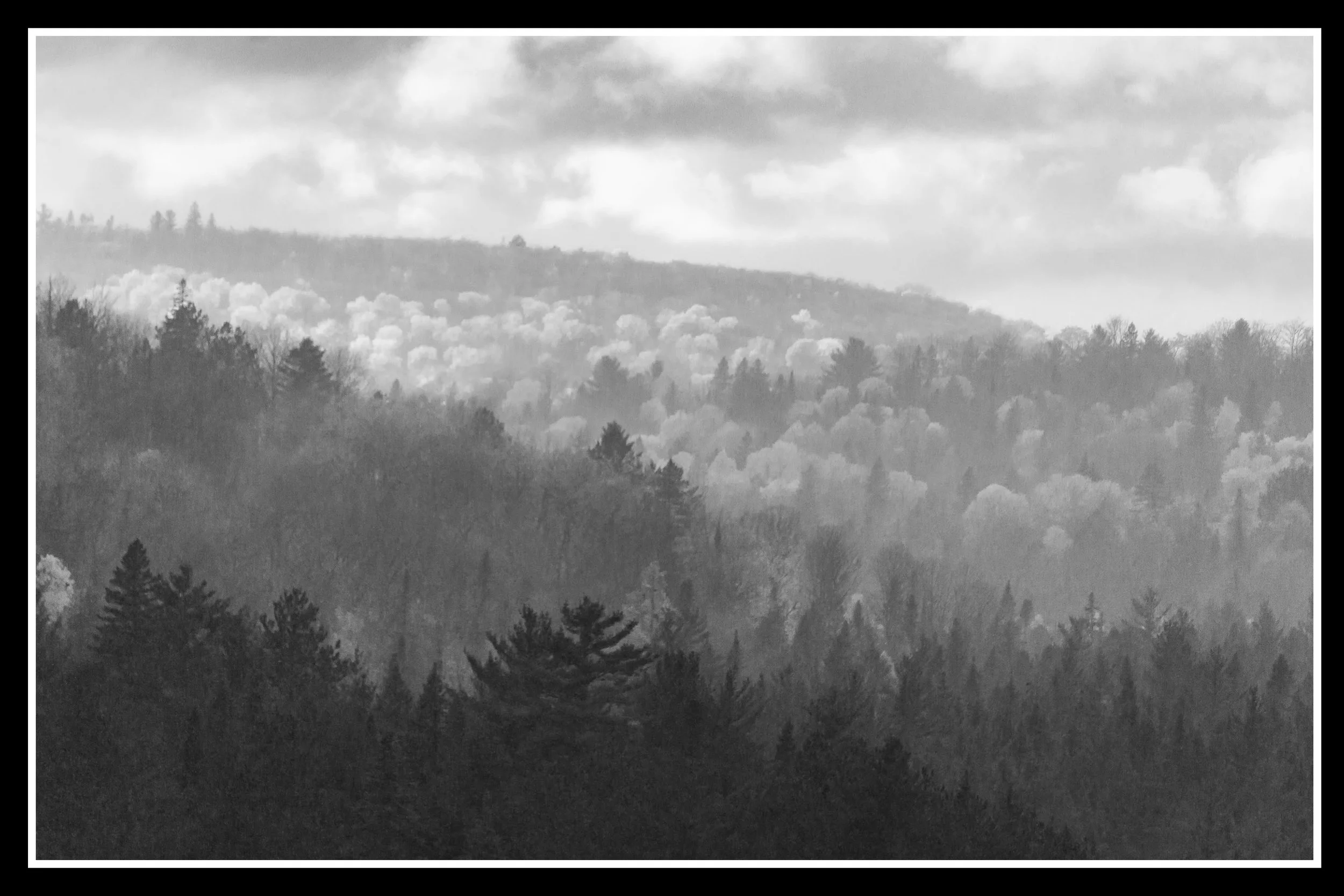
Mixed Forest — Algonquin in Mist
Algonquin Park is one of the places where hardwoods and softwoods share the same skyline, each tree shaped by the land and the long history behind it. On a misty, rain‑soaked day, the conifers stand dark and steady, built for thin soil and cold ground, while the deciduous trees fade lighter into the distance, waiting for warmer weather to open their leaves. This is the meeting point of the two great families — softwoods holding the rugged terrain, hardwoods filling the richer pockets of soil. In the layered hills and drifting fog, you can see how both lineages still carve out their place in the world.
The Real Difference Isn’t Leaves or Needles — It’s Biology
Why the wood we use today carries the story of how life survived.
Not long ago, I was at an elementary school teaching students about the materials we build with — more specifically, wood. And of course, the question came up: What’s the difference between hardwood and softwood? It always does.
But the real answer isn’t about needles or leaves, cones or flowers. The real answer is a story — one that starts long before humans, long before forests, long before soil. A story about how trees built the world we live in.
The Harsh World Softwoods Were Born Into
To understand why these two great families of trees exist, we need to look at the world they came from — a world that was barren, dry, and harsh. Very little life survived there. Along the coastlines it was different: warm, wet, and sheltered. That’s where the first fern‑like plants evolved and spread. They were pioneers in a world without soil as we know it — just rock, dust, and thin mineral ground. But life is resilient. Time stacks up. And over millions of years, plants evolved into trees capable of surviving the brutal interior of the continent.
Let’s take a moment and imagine the world those early softwood ancestors faced. It’s not easy to picture. Think of a gravel pit or a granite face. No grass. No insects. A landscape like Mars — but warmer, with occasional rain. Wind scoured the land. Dust flew. Winters were cold and unforgiving. It was a tall order for any tree to survive. Somehow, they did.
The tree that emerged and spread across this landscape was the early version of the softwoods we know today. It had needles to reduce water loss, resin to seal wounds, cones to protect seeds, thick bark to survive fire, and deep roots to reach what little water existed. These were the traits needed to endure a world like that. And over time, these trees spread across the land.
In doing so, they changed the world.
How Softwoods Terraformed the Continents
Softwoods stabilized the dusty ground and began the first steps of soil formation. They created shade and microclimates. They slowed wind erosion, built the first true forests, and created the first habitats for early insects and animals. They literally terraformed the continents. You could say this was the gateway to the world we know today.
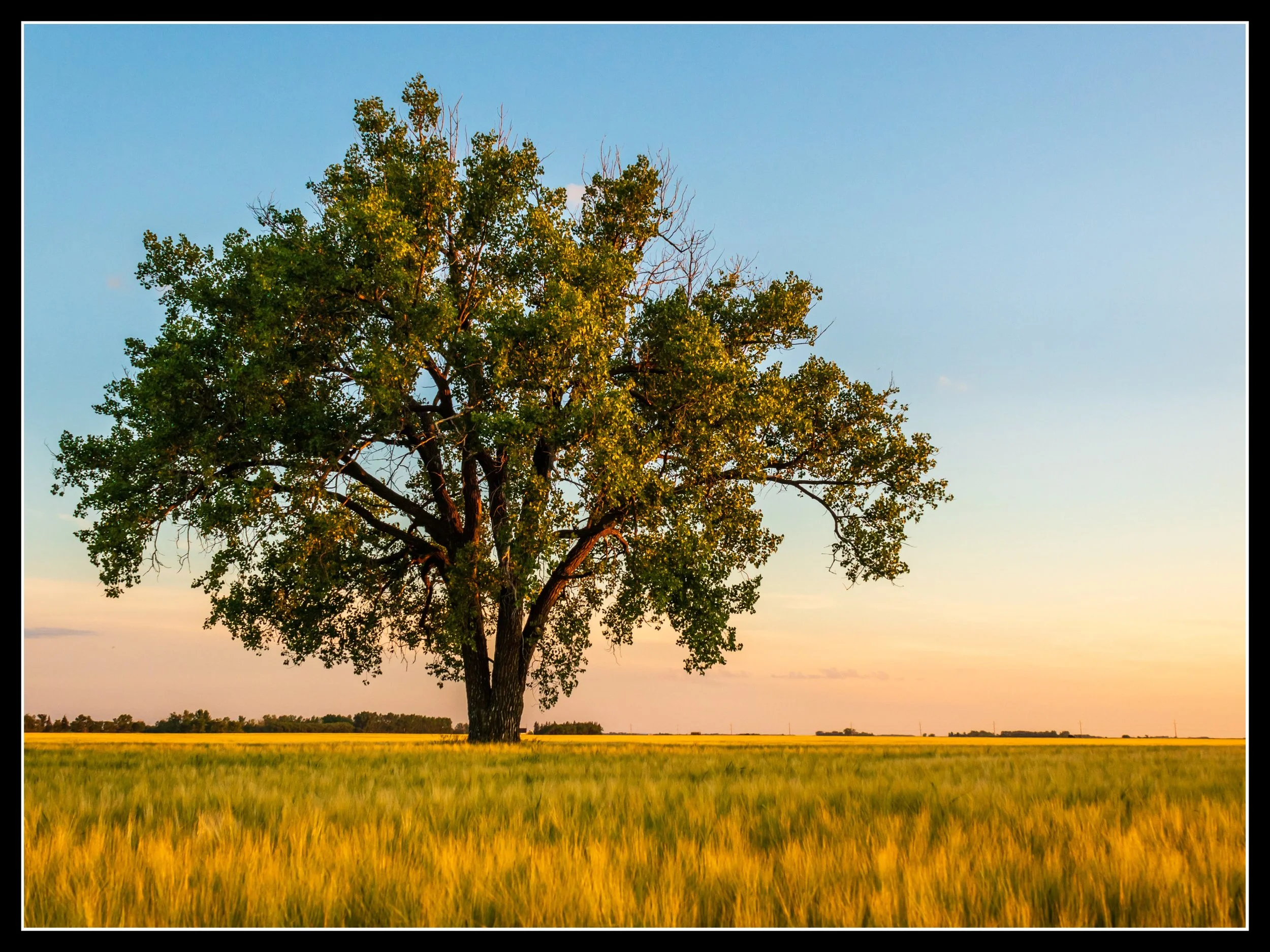
Poplar at Golden Hour
Poplar stands in the middle of a farmer’s field like a reminder of everything this Ramble talks about — how trees adapted, survived, and shaped the world long before we ever milled a board. Softwoods built the first forests, but hardwoods like this poplar filled the world with speed, colour, and complexity once the climate changed. In the evening light, you can see the broad leaves, the fast growth, and the quiet strength of a tree built for rich soil and long summers. It’s a living example of how hardwoods rewrote the rules of life.
Fire, Resin, and Survival
The world was dry, and lightning was the same then as it is now. Fires were common. Softwoods had to survive fire — they burned. Some of their descendants, especially the pines, evolved cones sealed with resin that only open in heat, dropping seed onto fresh ash. Not all softwoods do this, but the fire cycle shaped the family. The trees burned, leaving ash that fertilized the ground. When the rains came, thousands of seedlings sprouted in the sun. This cycle still happens today.
These trees spread and spread. They crossed the continent and reshaped it. They were kings of every mountain and every plain. If the land was dry and harsh, softwoods ruled it. They allowed countless species of insects and animals to grow, survive, and evolve alongside them. They dominated for millions of years.
When the World Changed, Hardwoods Appeared
And during this time, the world slowly changed. It became wetter, richer, and more stable. Soil deepened. Rivers expanded. Rainfall patterns shifted. New ecological niches opened. And in these new environments, new species evolved.
Hardwoods Rewrite the Rules of Life
One of them was the hardwood tree — trees with broad, flat leaves. They lived where softwoods couldn’t: wetlands, river valleys, coastal lowlands. They weren’t competing with softwoods; they were filling the spaces softwoods left open. These were small territories compared to the vast softwood world, but hardwoods evolved and survived.
Hardwoods were like sports cars in a world built for trucks and gravel roads.
They were different. They had flowers, fruit, nuts, and in those new, rich environments they could spread fast. Not every hardwood grows faster than every softwood—each species has its own rhythm—but as a family they were built for speed in the warm, fertile landscapes that were beginning to appear. This created new food sources and allowed far more biodiversity. Hardwoods transformed forests from simple, slow, conifer‑dominated systems into fast, rich, complex ecosystems full of colour, food, and life. They didn’t replace softwoods. They didn’t dominate yet. But they changed the rules of the game.
Softwoods built the world. Hardwoods filled it with life — at least in the warm, wet places.
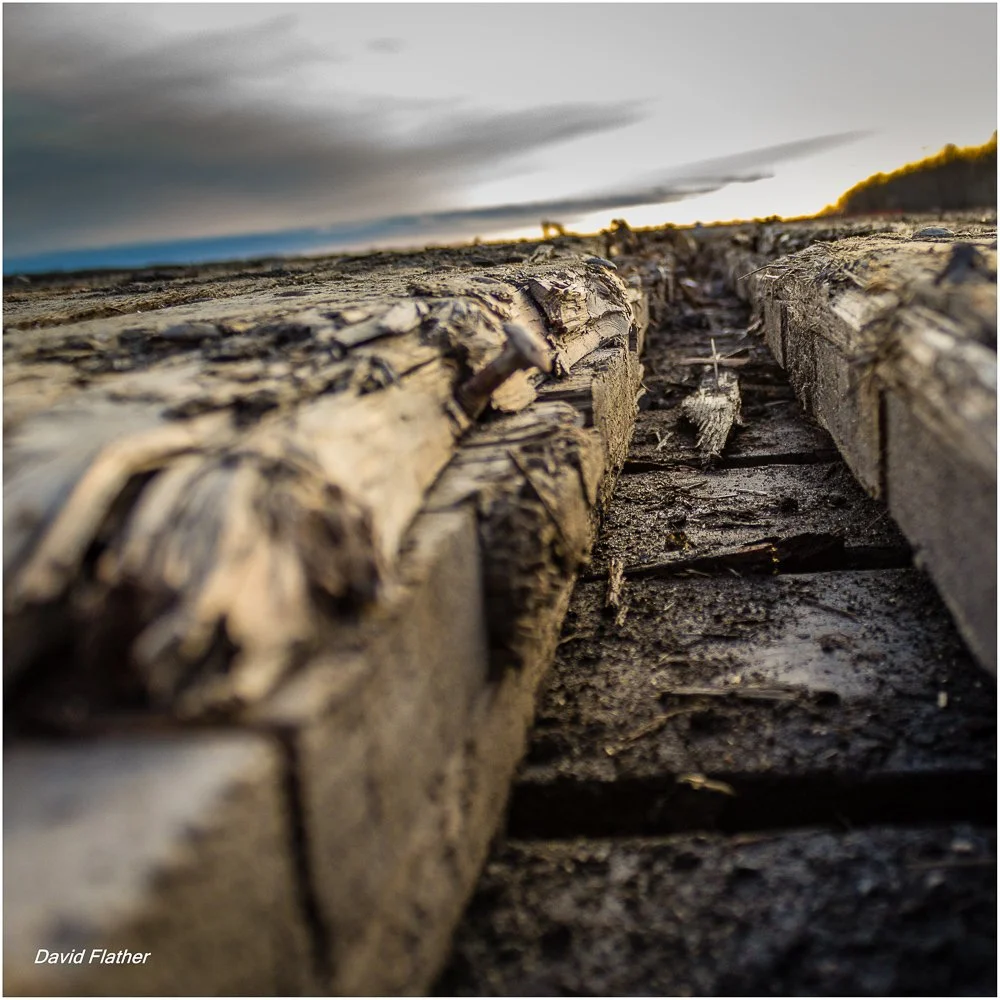
Softwood Treated — Temporary Road Platform
Softwood has always been the tree built for harsh ground, and you can see that lineage in how industry still uses it today. These treated timbers are laid down to create a temporary road across spring mud, giving heavy machinery a stable path without tearing up the land beneath. Manitoba Hydro and other field crews rely on platforms like this when the ground is too soft to support equipment. It’s a modern version of what softwoods evolved to do millions of years ago — endure tough conditions, protect the ground, and make the impossible terrain passable.
The Asteroid Reset the World
Hardwoods had already rewritten the rules of life. But the asteroid changed the world to match their strengths.
When it struck, it burned the world — almost every tree — in a matter of days. Ash filled the air. The sky darkened. And when the dust finally settled, the world was reset. Almost no trees. Very little life. But there were seeds. Lots of seeds.
And that sports‑car analogy? The script flipped.
The New Balance of Forests
The world was covered in ash — a fertilizer that enriched thin soils. It was a world that needed speed, and hardwoods were ready. They grew fast and spread fast. They pushed deep inland and forced softwoods back into the dry, barren regions where they still dominate today. The tree world found a new balance. The world changed again, and the trees made it green once more.
And with so many hardwoods — with flowers, fruit, and nuts — life exploded. Entire new lines of evolution opened.
What We Carry Into the Workshop
And here we are today. The world is still changing, and life is still evolving. The next time you look at a tree, you’ll know what you’re seeing: a survivor from a lineage that has rebuilt this planet more than once. Trees own this world in a way few things ever have. No matter what extinction event comes, trees endure. They survive, they return, and they give life another chance.
We owe our existence to trees. Every breath, every ecosystem, every species that followed — all of it stands on the foundation they built. And the next time there’s wood on the bench, I’ll think of this story. The next time I’m giving a presentation at the school, this is the story I’ll tell. And every time I walk into the forest from now on, I’ll carry this with me.
Because every board has a history older than mountains, and every tree carries the memory of how life survived.
“A reader sent in a good question about the story “Hardwood vs Softwood”
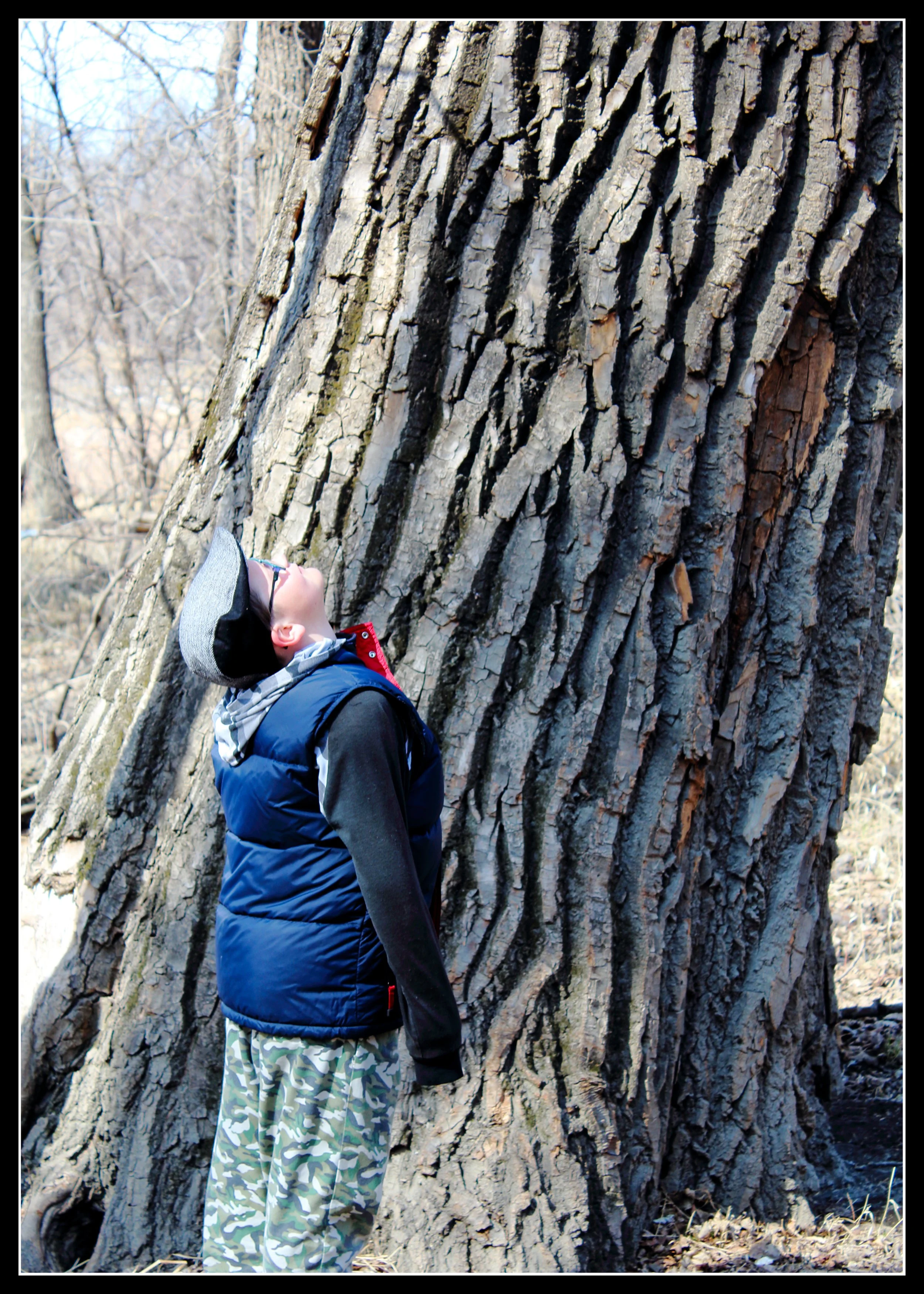
Black Poplar — Red River Giant
On the banks of Manitoba’s Red River, black poplars grow as big as they ever will, and this old tree is one of the giants. It’s nearing the end of its life cycle, bark thick and furrowed, trunk wide enough to stop you in your tracks. My son is in the photo for scale, and even then the size is hard to grasp — this poplar was likely six feet across at its widest. In Manitoba, that’s as big as they get. Trees like this carry the full history of the hardwood lineage: fast growth, broad leaves, and the strength to survive floods, storms, and decades of riverbank change. Standing beside it, you feel the weight of time.
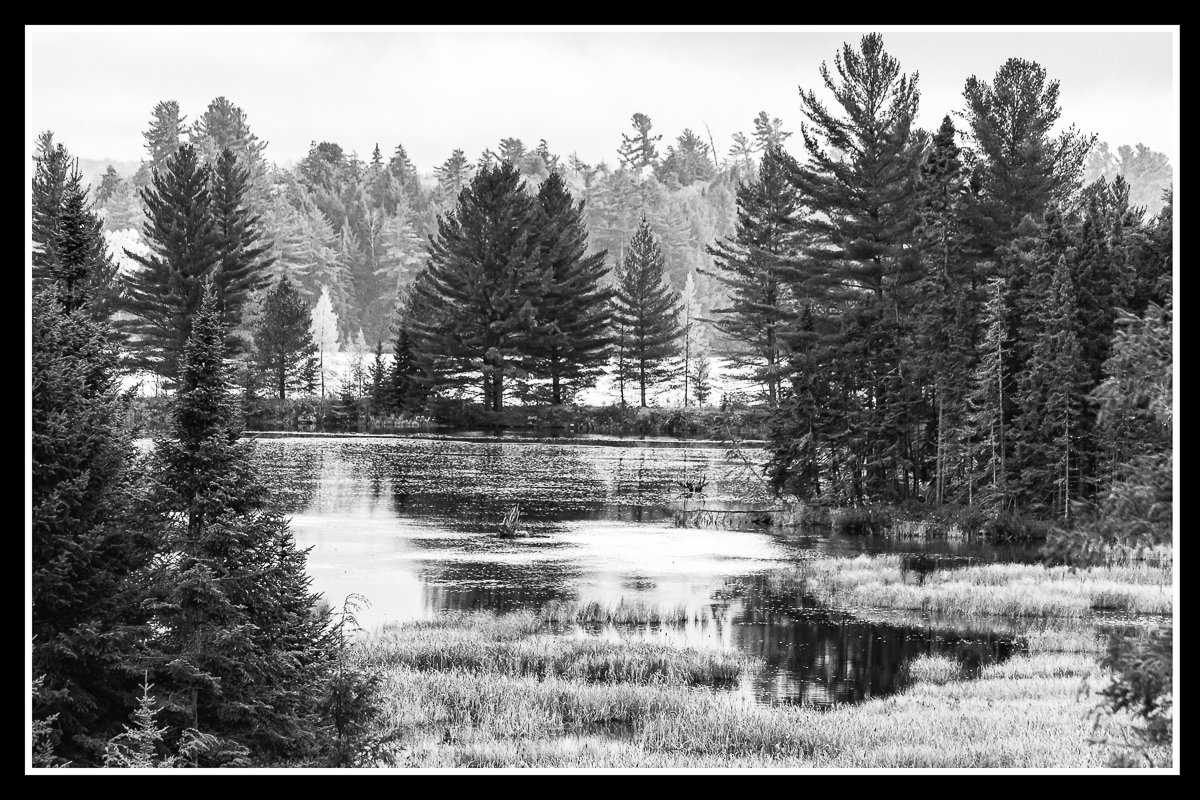
Softwood Forest — Algonquin Park
Algonquin Park is one of the places where you can still see softwoods doing exactly what they were built for: holding ground, shaping climate, and surviving whatever the land throws at them. These trees grew in the same spirit as their ancient ancestors — needles built for conserving water, resin for sealing wounds, and a toughness that fits the rocky Canadian Shield. In the quiet reflection of the water, you can see how softwoods create entire worlds: shade, shelter, and the first steps of soil that make life possible. This is softwood country, and it’s been that way for millions of years.
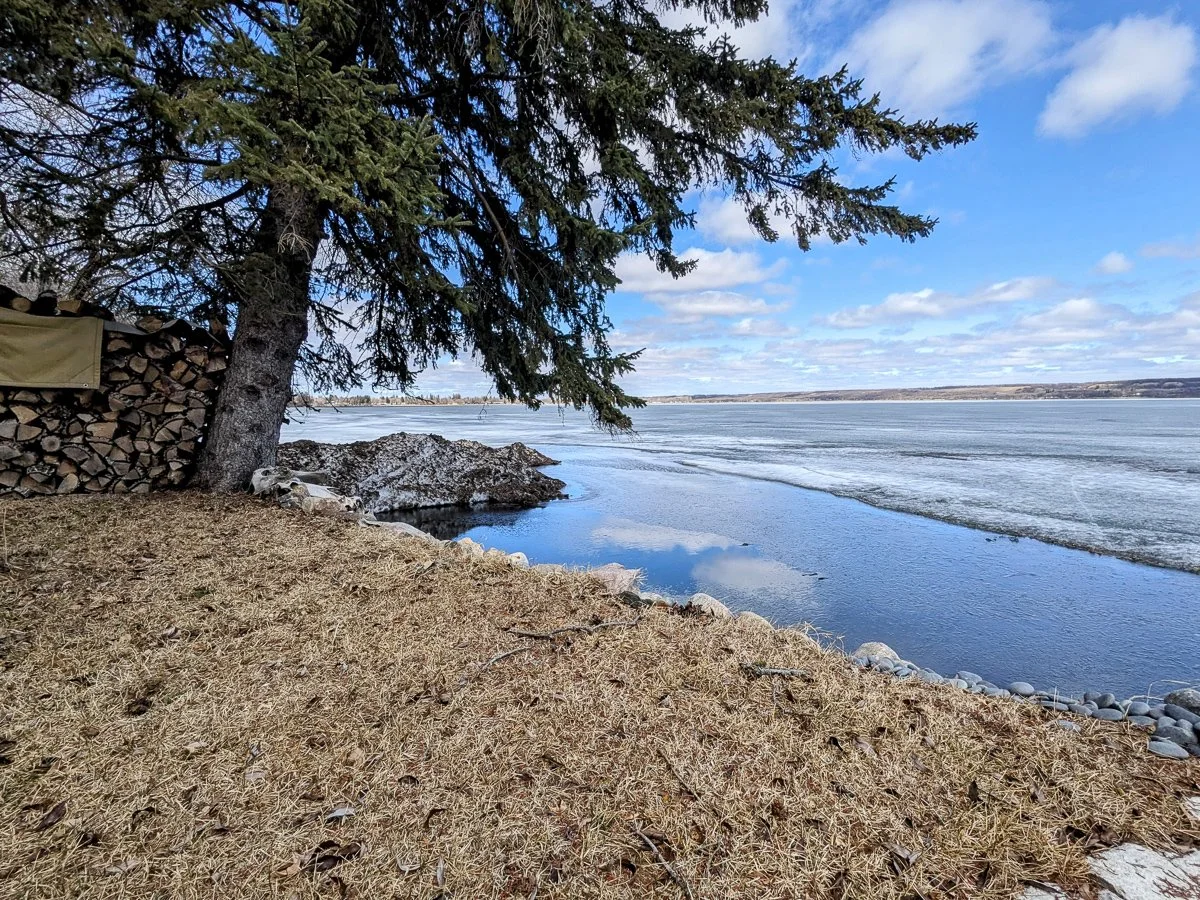
Spruce on the Shore — Pelican Lake
Spruce trees have always been built for the edges of things — rocky ground, thin soil, cold wind, and the long freeze‑thaw cycle that shapes Manitoba every spring. This spruce stands right on the shore of Pelican Lake, holding its ground while the ice breaks up and the water starts to move again. Softwoods were made for moments like this: resin to seal wounds, needles to conserve water, roots that grip into whatever the land offers. Even in spring melt, when the shoreline is half ice and half open water, spruce stays steady. It’s a reminder of how softwoods survive in places hardwoods simply can’t.
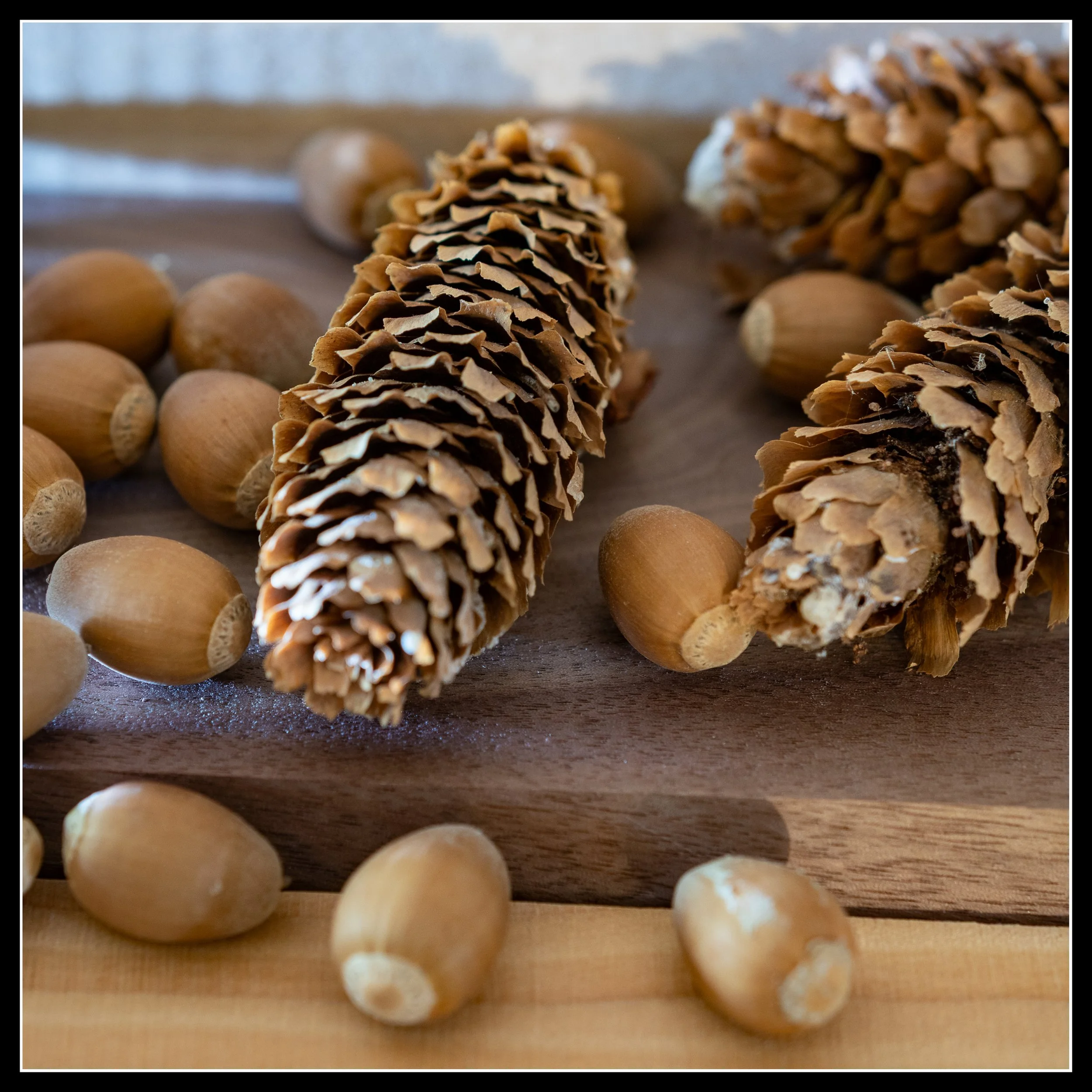
Spruce Cones and Acorns — Softwood and Hardwood Origins
A close arrangement of spruce cones and acorns on a wooden surface, showing the contrasting seeds of softwoods and hardwoods. The cones represent the gymnosperm lineage that evolved for harsh, dry landscapes, while the acorns reflect the angiosperm family built for richer, faster‑growing environments.
Where every species, every board, and every lesson in wood science comes together — a place to explore the materials that shape our craft.
SHARE
The Wood Archive — All the wood Stories in One Place
For the living side of woodworking — the stories shaped by walnut, oak, maple, cherry, elm, cedar, and poplar — head to the Wood Archive.
If you’d like to hear from me only when something big is happening — a launch, a milestone, or a major project — you can join the mailing list below.
Written by David Flather, Red Seal cabinetmaker and founder of Knotty Dave’s Fine Woodworking — a Manitoba shop rooted in heritage restoration, storytelling, and real craft.
All photos shot by David Flather — in the shop, on the road, and in the places where craft and story meet.
Related stories:
The Mistake Every New Woodworker Makes: Understanding Wood Movement Before It Ruins Your Project
Wood Doesn’t Lie: Understanding Grain, Movement, and the Truth Inside Every Board
The Value of Wood in the Fur Trade: Winter Logging, River Transport, and York Boat Timber
Outdoor Wood: Rot Resistance, Freeze‑Thaw Survival, and 200 Years of Real‑World Weather
The Workshop Library
If you enjoyed this story, there’s lots more like it inside The Workshop Library — and it’s free to explore.
Wood Archive — species, grain, working properties, and real‑world craft notes
Behind the Grain — the deeper stories inside wood, craft, and heritage
The Working Side of the Craft — tools, shop life, workflow, and the realities of making
Digital to Sawdust — Design Studio — geometry, proportion, visual flow, and design thinking
The Stories of the Shop — the personal side of craft, the shop’s history, and the quiet moments that shape the work
House & Hearth — heritage home restoration, the hearth room, winter culture, and the lived‑in side of craft
I’m just one man with a shop, building this archive one story at a time. If you’d like to follow the journey as it unfolds, explore The Workshop Library — new stories every week.
