

Understanding Wood
Quick Answer — Why Wood Behaves the Way It Does
Wood behaves the way it does because every board carries the stored stresses of the tree it came from — wind, gravity, lean, scars, and healing — all locked into the grain until milling releases them.
Trees store stress from wind, gravity, and growth
Grain reflects the tree’s life — scars, lean, pressure, and healing
Hardwoods form tension wood to pull themselves upright
Softwoods form compression wood to push themselves upright
Wood reacts when milled because those stresses release
How Trees Build the Wood We Work With
Wood behaves the way it does because every board carries the stresses of the tree it came from. Wind, gravity, lean, scars, and shifting soil all leave their mark in the grain. Understanding these forces helps woodworkers read wood’s memory — predicting movement, twist, and reaction long before a board reaches the bench.
BY THE END OF THIS STORY
You’ll be able to read wood the way experienced craftspeople do — seeing where a tree leaned, where it healed, where it fought wind and gravity, and how those stresses shape grain and movement. You’ll know why boards twist or cup, why grain reverses, and how hardwoods and softwoods respond differently once milled. Most importantly, you’ll understand how to work with wood’s memory instead of against it.
Estimated Read Time: ~6 minutes
Quick Summary
This story explains why wood behaves the way it does — how trees store stress from wind, gravity, lean, scars, and healing, and how those forces become visible in grain once the tree is milled. It shows how hardwoods and softwoods build different types of reaction wood, why boards twist or cup, and how woodworkers can read grain to predict movement. It’s a guide to understanding wood’s memory and working with it instead of fighting it.
What This Story Covers
How trees store stress
How grain forms from scars, lean, and pressure
Why hardwoods and softwoods react differently
Why boards twist, cup, and move
How woodworkers can read wood’s memory
Comparison — Hardwood vs Softwood Stress Memory
Hardwoods — build tension wood on the upper side of a lean
Softwoods — build compression wood on the lower side
Straight‑grown trees — predictable grain, easier machining
Leaning trees — reactive grain, twist, and movement
Stress scars — healed wounds that show up as grain features
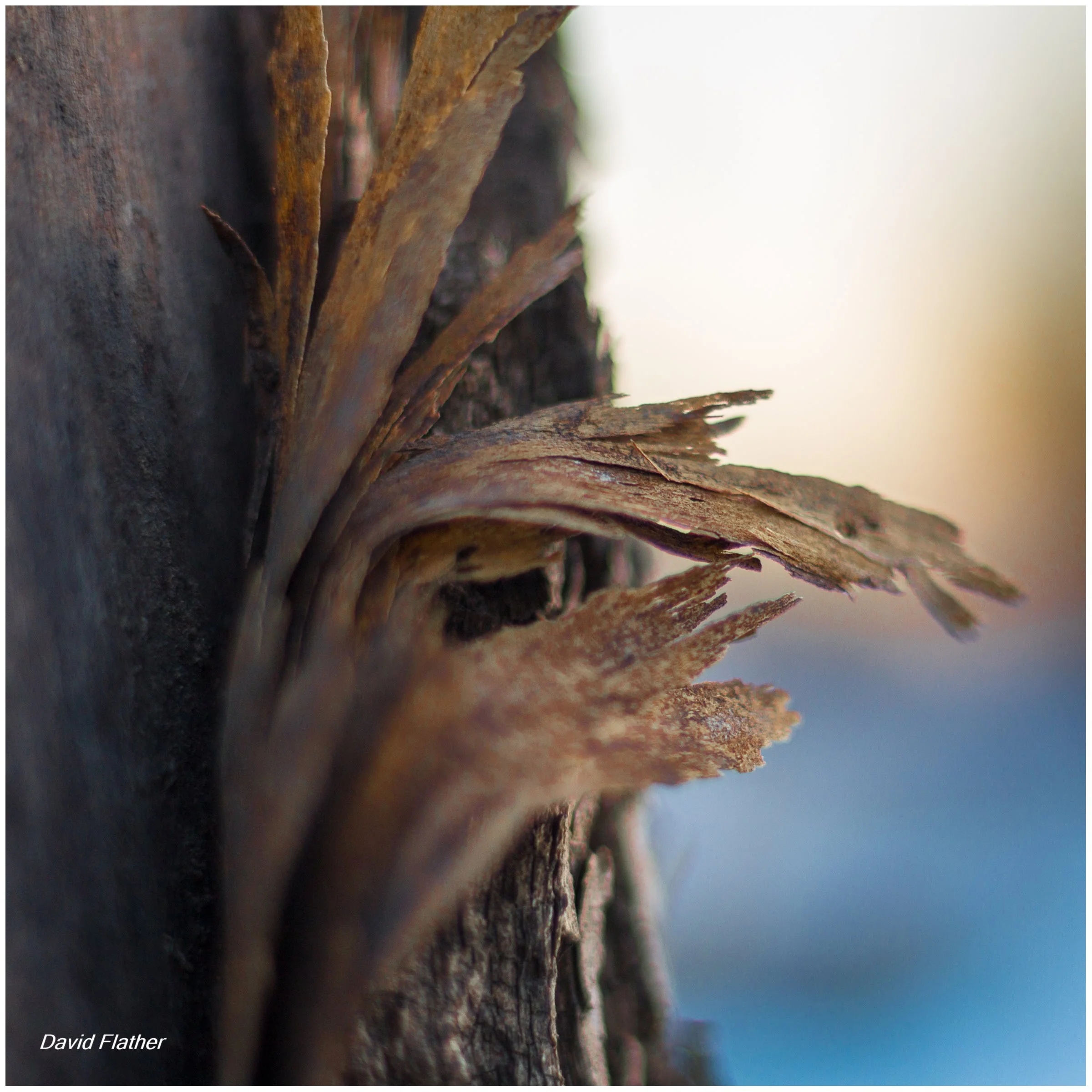
🌳 Where the Tree Heals, the Wood Remembers
This bark damage is the beginning of a scar the tree will carry for the rest of its life. It will heal, layer by layer, building new wood over the wound. Decades from now — maybe seventy years — a woodworker will find this exact mark inside a board and wonder what happened here. Every scar becomes part of the grain, part of the story, part of the wood’s memory.
Wood Is Alive With Memory
Fire crawled over the wood in the fire pit in a hypnotic, magical flicker that draws people of all ages together. It draws breath as the wood burns; it generates heat that pushes us away on a hot night or pulls us in closer on a cold one. Its smoke rises and dances through the canopy above, disappearing into open air. Smoke clings to our clothing and senses in legendary fashion.
Our world revolves around wood like no other material. It has shaped our lives more than we give it credit for. It’s everywhere. All people depend on it. At one time we relied on it for heat and cooking—the most basic of needs. Our technology has evolved, our tools have improved, and machines now cut and shape wood in ways our ancestors could never have imagined.
This is our world. We can walk into a lumber yard and buy any species of kiln‑dried lumber we want. It has never been this easy to get wood in human history. It comes in flat, milled boards that make great material to build with. But to build with wood, you must respect the fact that it wasn’t invented for woodworkers or designers. It was a tree. It was alive. It has memories, character, and style, and it can be the crankiest, most stubborn stuff to work with if you don’t respect its origins. But the results can be amazing. In our engineered world of metal and plastic, wood remains elemental and organic. Humans will always be drawn to it.
Trees Adapt to the World Around Them
As a tree grows from a sapling, it reaches upward—some species taller than others. It survives animals grazing, bugs burrowing, birds pecking, squirrels climbing, and fires burning. It endures long winters, spring flooding, dry summers, early falls, and the constant push of the wind. Trees evolved to survive all of this. They’re built tough, whether they grow in the tropics or on the edge of the Arctic.
The Forces That Shape Grain
But no matter the climate, they share one thing: they grow heavy trunks and limbs, and they grow tall. Gravity pulls at that weight. The tree needs light, so it reaches. Gravity never stops, so the tree adapts and grows despite the force. This is why wood is strong—and why it’s often reactive.
Gravity, Lean, and Reaction Wood
If a tree grows straight and avoids wind damage, the wood will be lovely to work with. But that’s rare. Trees reach for light, and where the seed germinates isn’t always where the light is. So the tree grows at an angle to survive. Look around next time you’re in a forest—you’ll see it everywhere.
But gravity doesn’t change. The tree grows deep roots and holds the earth, leaning like a ladder against a wall. A full‑grown tree can weigh tons. Its cell structure develops to support that angle — but hardwoods and softwoods do it differently. In hardwoods, the upper side of the leaning trunk forms tension wood that pulls the tree upright. In softwoods, the lower side forms compression wood that pushes the tree up. Two different strategies, same result: a tree that can have a wildly off‑center center of gravity and still grow for a hundred years.
Gravity pulls. The tree pushes back. Year after year it grows taller, reaches farther, thickens its trunk, and adds weight. And still it stays in equilibrium.
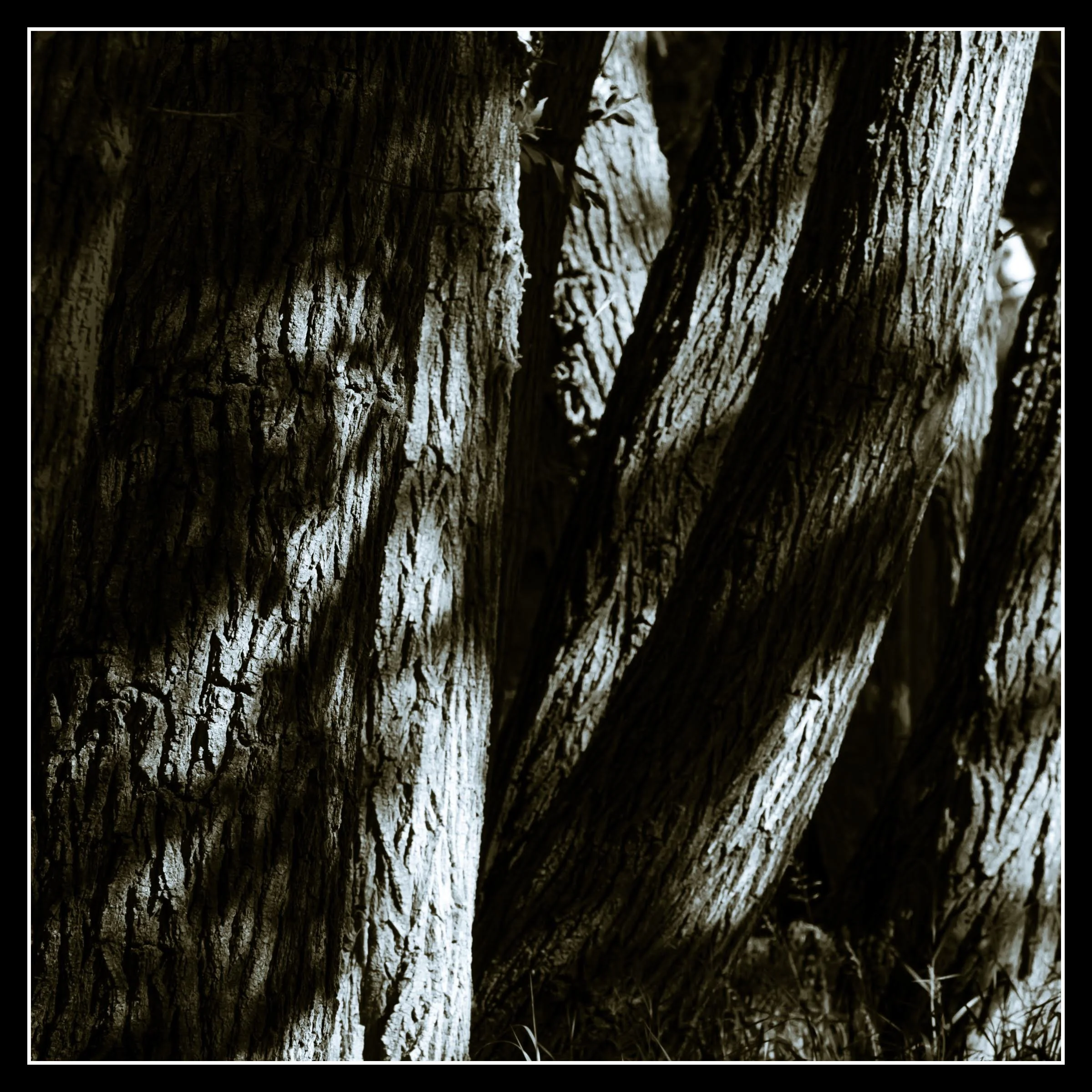
🌲 Trees Protect Each Other From Wind and Weather
These trees grew in a tight cluster, huddled together against wind and weather. Each trunk leans and adjusts, sharing the load the way trees do when they grow in groups. A lone tree has to fight every storm by itself, but a stand like this becomes a single structure — roots intertwined, trunks shielding one another, strength multiplied. Wood remembers this. When these trees are eventually milled, the grain will show the angles, the pressure, and the shared struggle that shaped them.
What Happens When the Tree Becomes Lumber
Then one day a person comes along. The tree is cut, milled, dried in a kiln, shipped to a lumber yard, and sold to a woodworker. Now the tree is boards—but the cellular structure is still locked in, even though gravity no longer plays a role. The board sits on the bench, straight as a banana, and the woodworker shakes their head, knowing this wood will fight back.
Why Wood Reacts in the Shop
The wood is still countering the gravity it grew under. That worked when it was a tree. But once the trunk is cut, the fibers release tension as the blade moves through them.
As a woodworker, it’s my job to deal with this.
The point of all this is simple: wood was a tree. It was alive. It has memories, character, and style, and it can be stubborn if you don’t respect its origins. When working with wood, we need to understand that it behaves—and why. You don’t need deep scientific knowledge to build with it. You just need to respect where it came from and remember that every tree has its own story ingrained deep in its soul.
Respect the Tree, Respect the Wood
Wood is made of cells that absorb water—sometimes at different rates. It dries out. It can crack. Its grain reverses. It carries scars. It lived a life. So read the wood and understand what it’s doing. And if you’re not sure what’s going on, remember: it’s wood. There’s always another board.
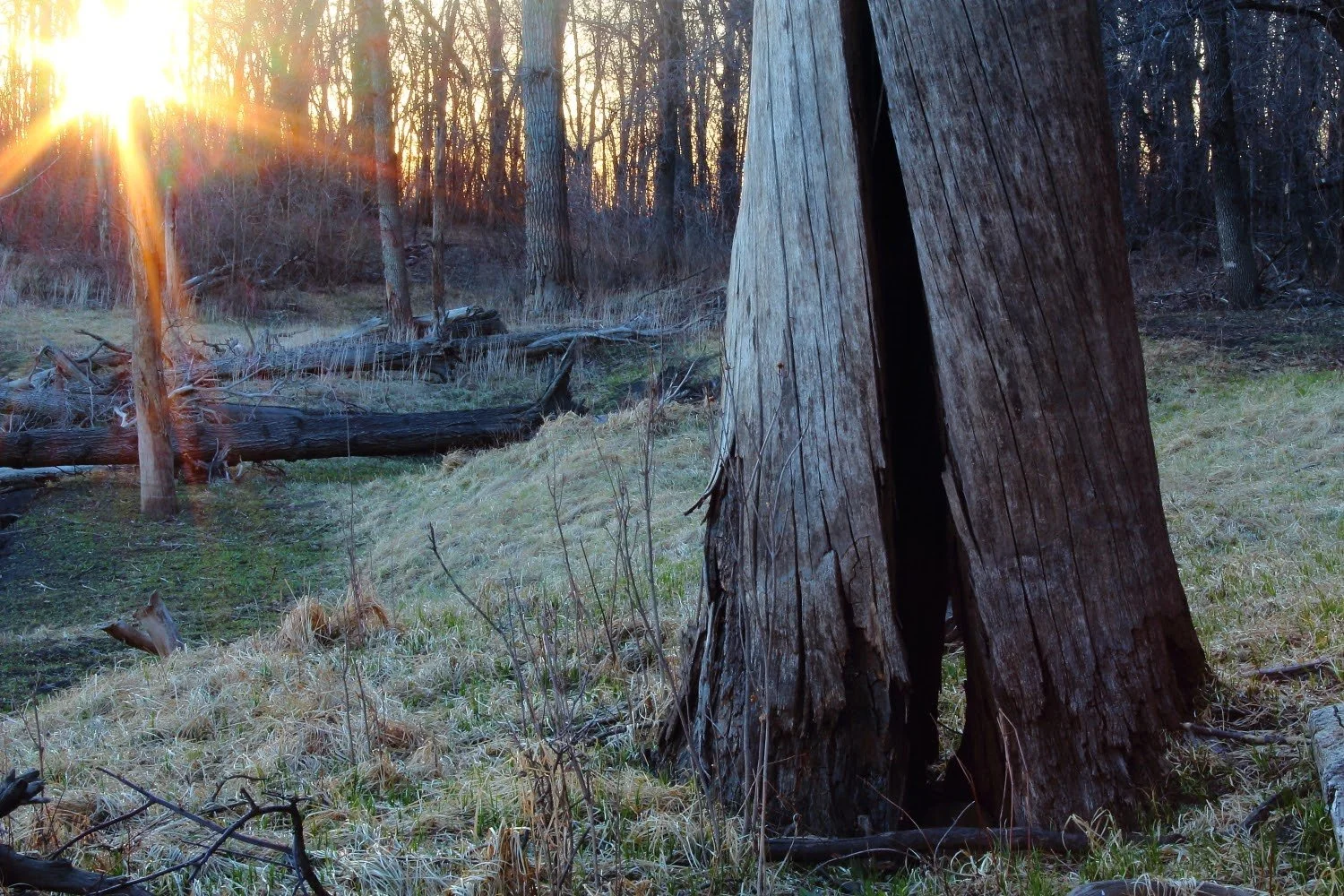
🌅 Riverbank Pressure Leaves Scars Woodworkers Find Generations Later
This tree didn’t just fight for light or stand against storms — it fought the riverbank itself. As the land shifted and eroded, the bank pushed against the trunk year after year until the tree finally split and died. In life, it was one of many trees holding the soil together, a group effort that kept the land stable. When trees stand alone, this kind of pressure can break them. In a stand, they share the load. Decades from now, a woodworker might find this kind of stress inside a board and see the story of a river that wouldn’t stop moving.

🌉 How a Leaning Tree Builds Reaction Wood to Hold Its Own Weight
This tree is reaching over the riverbank for light, and the trunk has to balance that weight. Gravity pulls the trunk downward, and the tree reacts by changing how it grows. In hardwoods, the upper side of the leaning trunk forms tension wood — fibers that pull the tree upward. In softwoods, the lower side forms compression wood — dense, resin‑rich cells that push the tree up. You can see the result here: a trunk shaped by years of countering its own weight while reaching for the sun. This reaction shows up in the shop decades later as boards that bend, twist, or cup the moment they’re milled.

🌲 Spruce Shaped by Light and Survival
These planted spruce in Winnipeg tell the story of how trees adapt to their environment. The lower branches have died off because the canopy above is thick, letting only narrow bands of light reach the trunk. The tree responds the only way it can — by shedding what it can’t support and pushing its energy upward toward the sun. This is wood in motion, reacting to the world around it long before it ever becomes lumber.
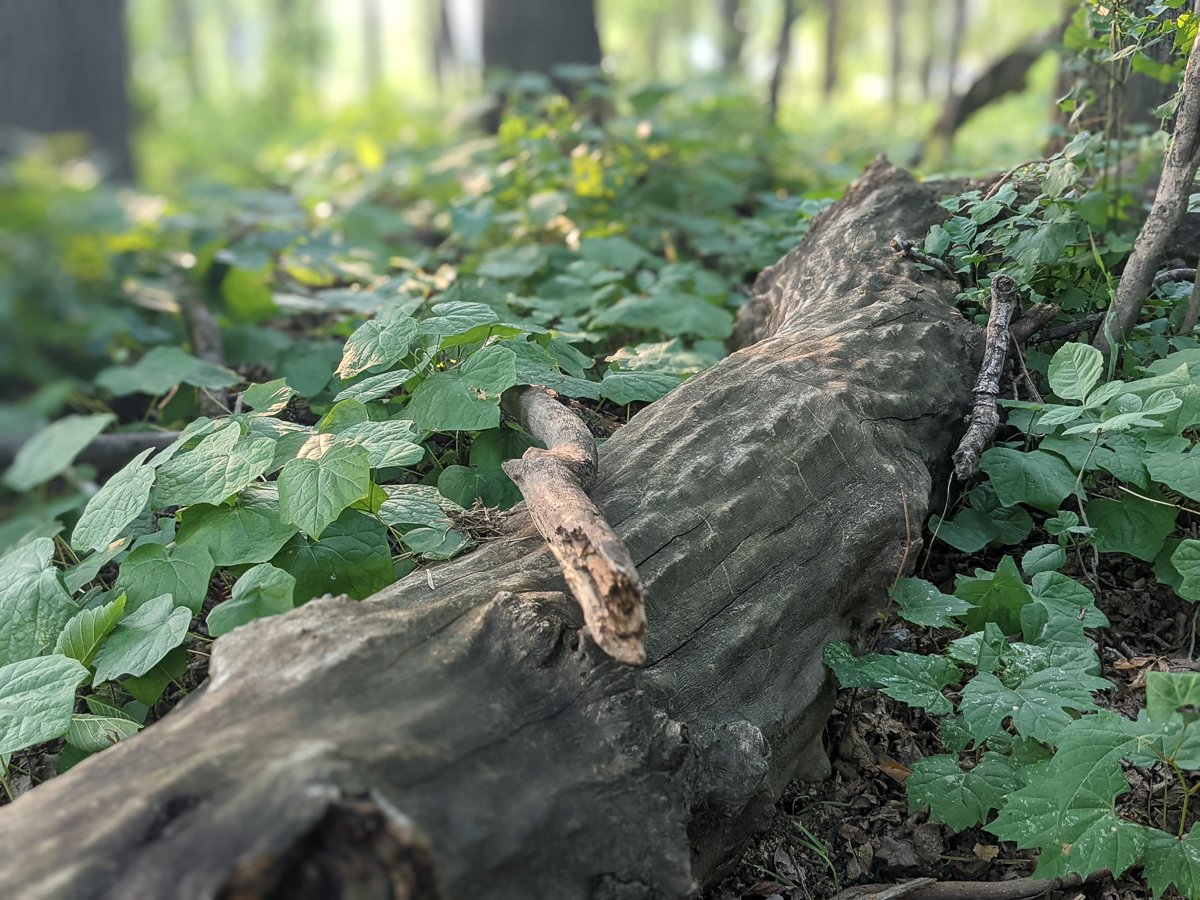
🌊 Floodwater, Time, and the Twist That Shows Up in the Shop
This tree washed up after spring floodwater carried it downstream. The bark was knocked loose by time, abrasion, and the constant tumbling of the trunk as it floated for a season. The twisted grain is obvious here in the open air — far more visible than it ever is in the shop. I don’t know the species, but elm twists like this, and so do others. Flood stress, rotation, and uneven drying all leave their mark. It can make beautiful grain and difficult machining, and decades later a woodworker will see this twist inside a board and wonder what kind of journey the tree survived.
Where every species, every board, and every lesson in wood science comes together — a place to explore the materials that shape our craft.
SHARE
The Wood Archive — All the wood Stories in One Place
For the living side of woodworking — the stories shaped by walnut, oak, maple, cherry, elm, cedar, and poplar — head to the Wood Archive.
If you’d like to hear from me only when something big is happening — a launch, a milestone, or a major project — you can join the mailing list below.
Written by David Flather, Red Seal cabinetmaker and founder of Knotty Dave’s Fine Woodworking — a Manitoba shop rooted in heritage restoration, storytelling, and real craft.
All photos shot by David Flather — in the shop, on the road, and in the places where craft and story meet.
Related stories:
Rarity of Wood: Why Old‑Growth Lumber Is Disappearing — And Why It Matters
Hardwood vs Softwood: The Real Difference, Strength, Uses, and How Each Tree Family Evolved
The Value of Wood in the Fur Trade: Winter Logging, River Transport, and York Boat Timber
The Workshop Library
If you enjoyed this story, there’s lots more like it inside The Workshop Library — and it’s free to explore.
Wood Archive — species, grain, working properties, and real‑world craft notes
Behind the Grain — the deeper stories inside wood, craft, and heritage
The Working Side of the Craft — tools, shop life, workflow, and the realities of making
Digital to Sawdust — Design Studio — geometry, proportion, visual flow, and design thinking
The Stories of the Shop — the personal side of craft, the shop’s history, and the quiet moments that shape the work
House & Hearth — heritage home restoration, the hearth room, winter culture, and the lived‑in side of craft
I’m just one man with a shop, building this archive one story at a time. If you’d like to follow the journey as it unfolds, explore The Workshop Library — new stories every week.
