the wood science room
Wood begins with science long before it becomes a board on the bench. This room looks at the forces that shape every species: the difference between hardwoods and softwoods, the structure inside a tree, and the patterns that explain why wood moves, shrinks, or holds steady. It also explores rarity, value, and the lessons learned from working with real material — from the woodpile to the workshop. These fundamentals anchor the entire archive. Choose a topic to understand the material from the inside out and see how science guides every cut, joint, and decision in the shop.
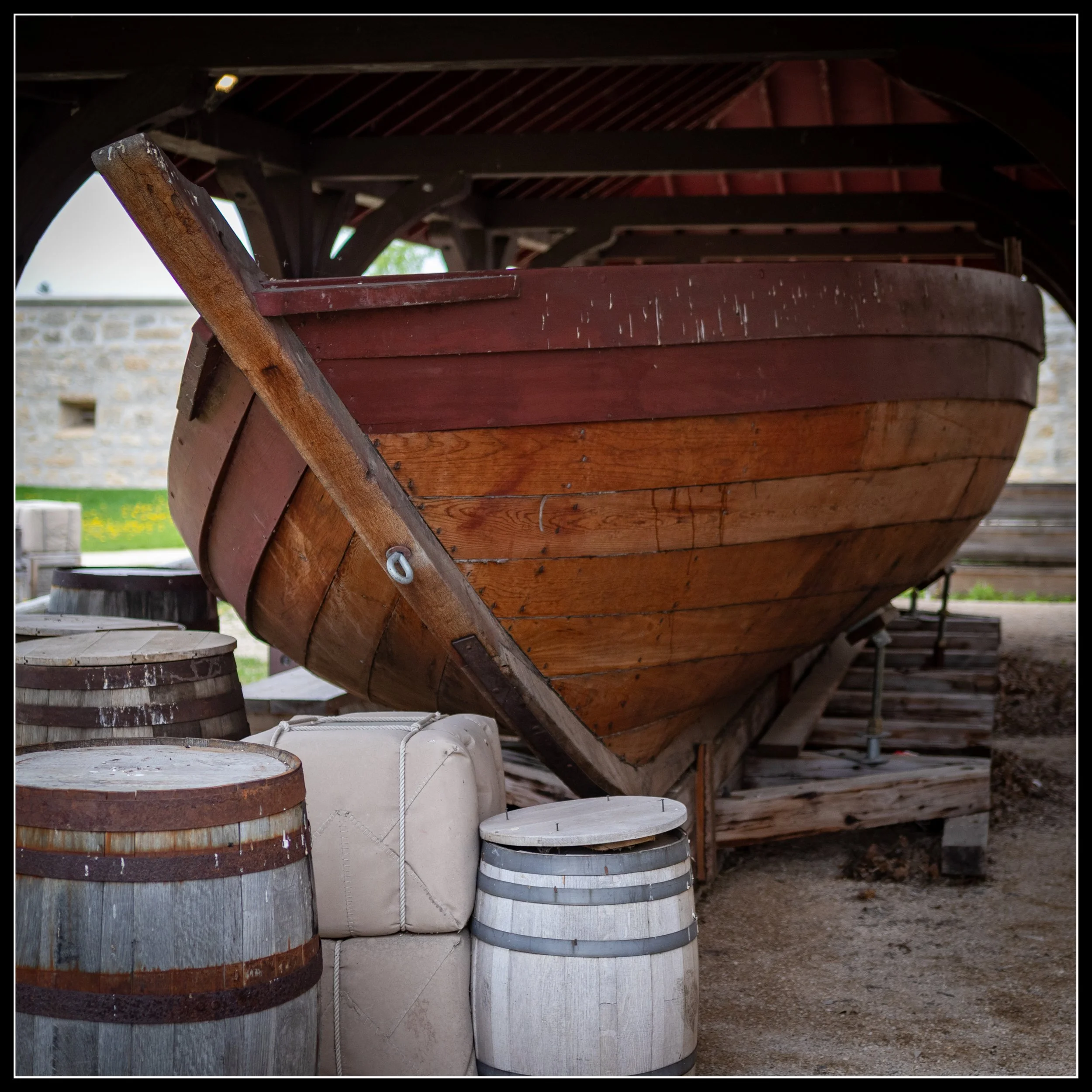
Woodworking today feels modern and predictable, but every board carries a much older story. To understand the value of wood now, we have to look at a time when survival depended on it. At York Factory in 1817, wood wasn’t a resource — it was life itself. Timber meant heat, shelter, tools, boats, and the ability to endure one of the harshest places in Rupert’s Land. This cornerstone story follows the men who cut spruce in deep winter, hauled timber across frozen muskeg, and rode the spring flood down the Hayes River, revealing the grit, skill, and human effort behind every piece of wood we touch today.
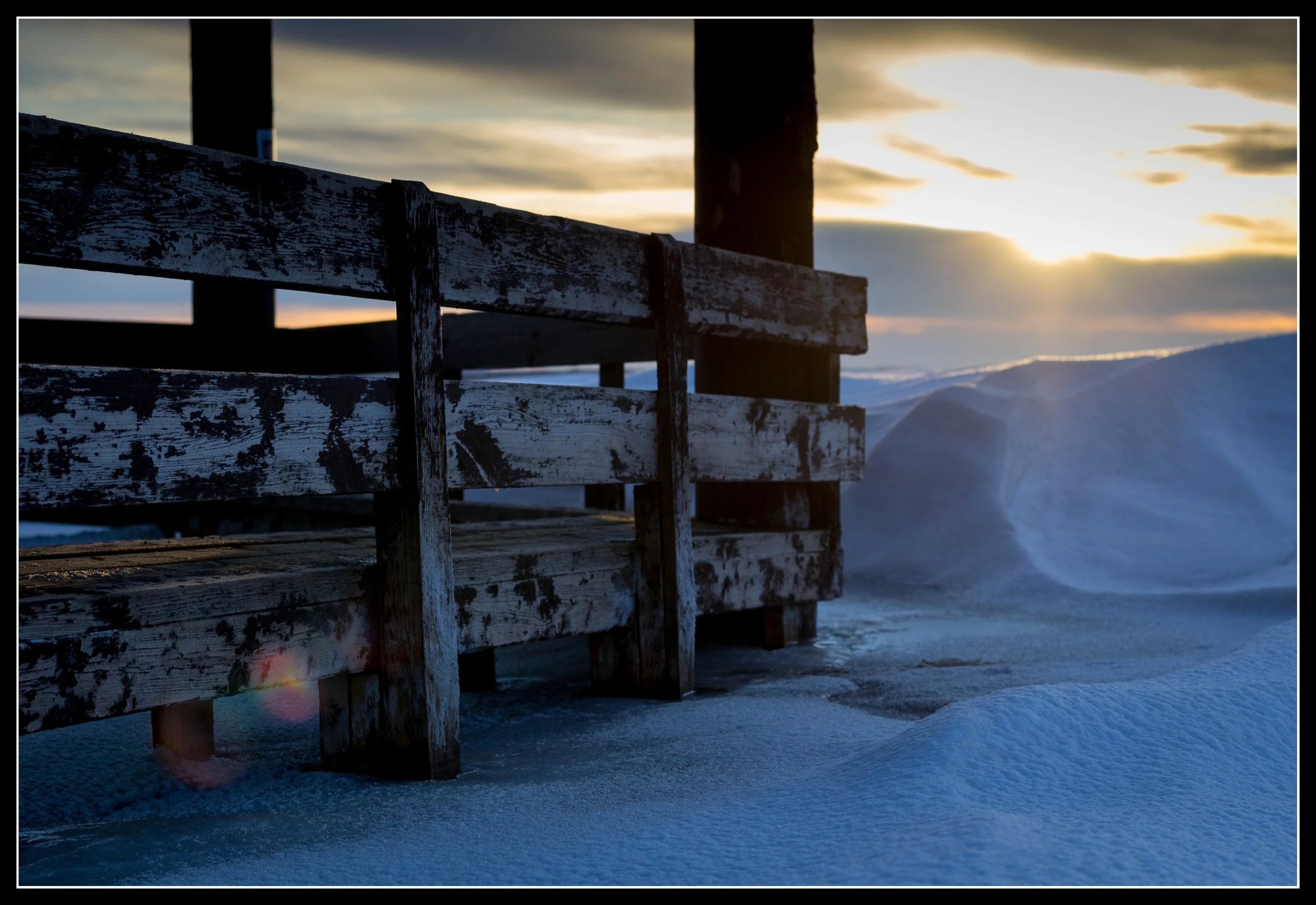
Outdoor wood lives a hard life on the Prairies — sun, snow, floodwater, ice, and decades of exposure. This story explores how outdoor materials have survived here for more than 200 years, from bur oak and elm in early river‑lot homes to treated spruce, painted softwoods, and modern HDPE furniture. Built from real fieldwork across Manitoba and neighbouring provinces, it shows outdoor wood exactly as it exists in the real world: weathered, painted, frozen, flooded, and still standing. This is the long Prairie record of outdoor wood — the climate, the materials, and the choices that shaped two centuries of building.
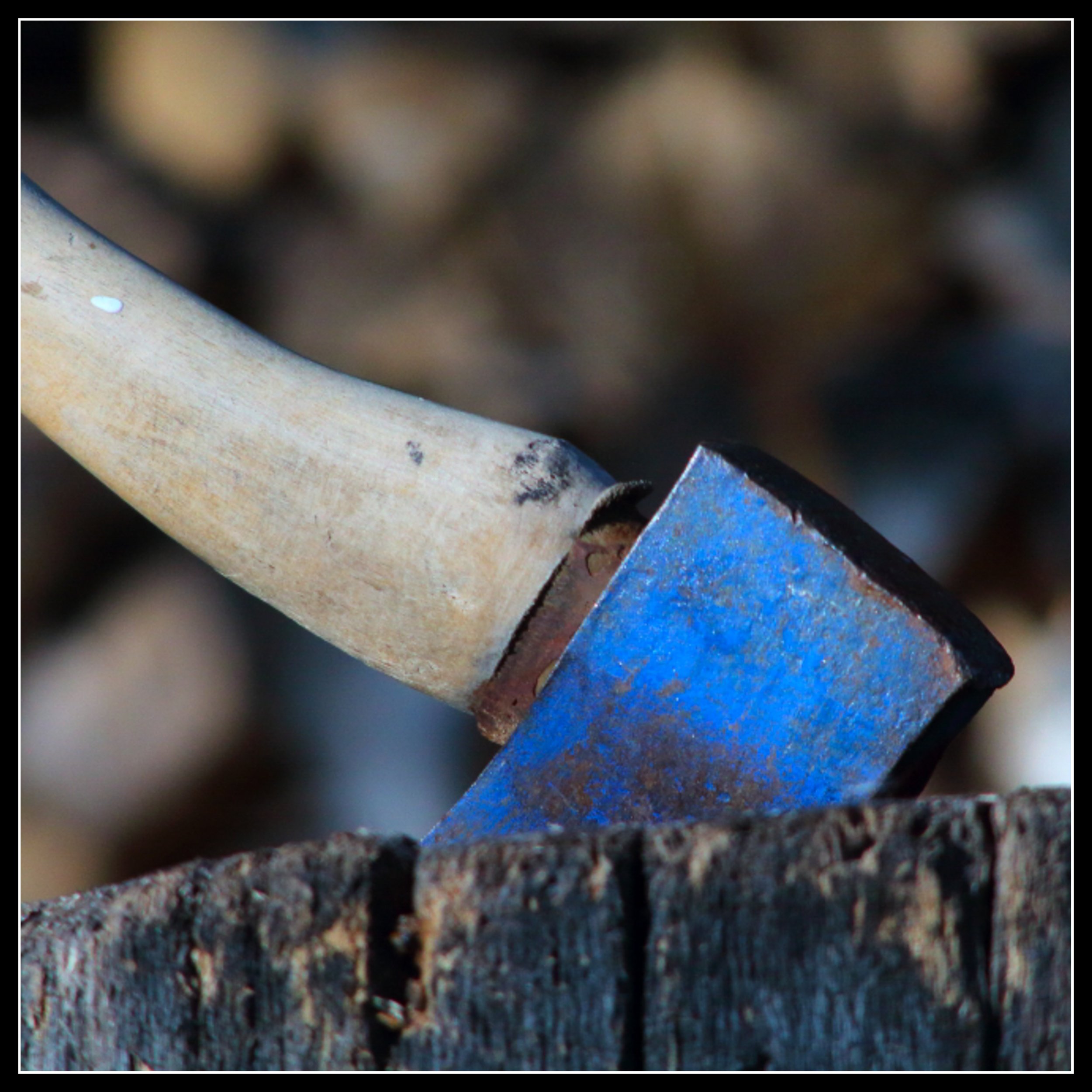
A lifetime of splitting firewood taught me the first truths about wood — grain, movement, strength, and the imperfections every tree carries. Those lessons followed me into the workshop, shaping how I read lumber, choose boards, and understand the character inside every piece of wood.
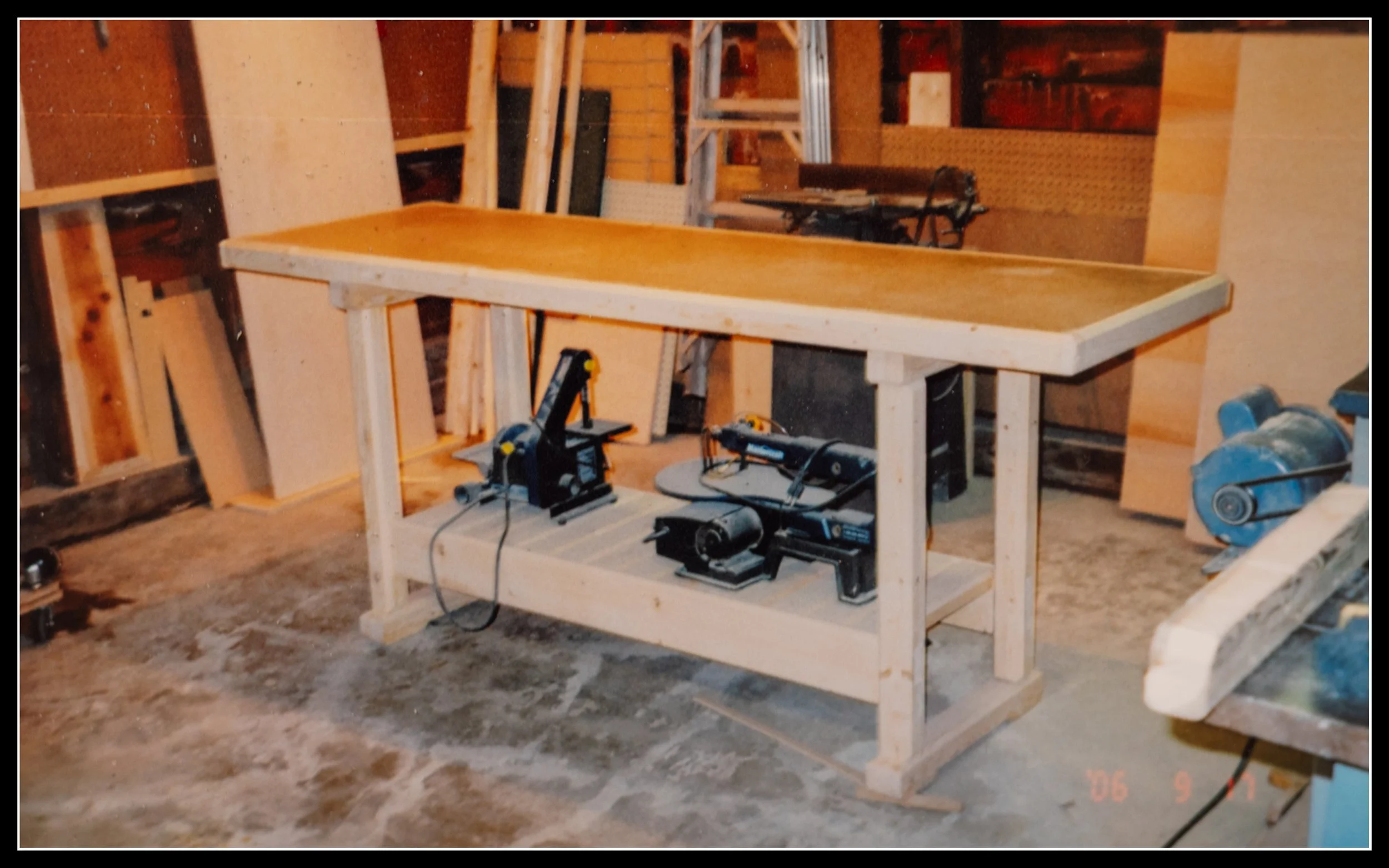
Every new woodworker makes the same mistake: trying to force wood to behave. This Ramble follows a twisted spruce workbench, glue‑up problems, and the hard‑earned lesson about wood movement that every beginner eventually learns.
Hardwoods don’t all grow slowly. This follow‑up explains the fast pioneer hardwoods — poplar, willow, and soft maples — and how forest succession shapes the difference between hardwood and softwood growth.
Hardwood vs softwood isn’t just a difference in leaves or needles — it’s the story of how trees survived fire, drought, extinction, and time itself. This piece traces the rise of the two great families of wood, from ancient barren landscapes to the forests we work with today, revealing how evolution shaped every board in the shop and every species in the Wood Archive.
Old‑growth wood is disappearing — not because we’re running out of trees, but because time itself has become rare. This story explores how younger forests, industry changes, disease, fire, and salvage have reshaped the wood we build with, and why the tight‑grained, high‑quality lumber our grandparents knew is now hard to find. From pioneer beams to salvaged elm and century‑old cedar, this is a look at what true wood once was — and why its rarity matters.
Wood behaves the way it does because every board carries the memory of the tree it came from. Leaning trunks, shifting riverbanks, floodwater, wind pressure, scars, tension wood, compression wood — all of it becomes grain, movement, and character in the shop. This piece explains how trees grow, adapt, and survive, and why those hidden forces show up decades later when a woodworker planes a board and the wood reacts. Understanding wood begins with understanding the life it lived.