

Outdoor Wood
Quick Answer: What makes outdoor wood survive?
Outdoor wood survives the weather when it resists rot, handles freeze‑thaw cycles, and stays stable in soil, sun, and floodwater. Bur oak, tamarack, cedar, Douglas fir, and treated spruce each evolved or were engineered for different outdoor conditions — from rot‑proof oils to dense grain to chemical treatment. The right wood depends on climate, exposure, and the job it has to do.
Bur oak — flood‑resistant hardwood
Tamarack — soil‑ready ground wood
Cedar — stable, rot‑resistant softwood
Douglas fir — strong, stable beams
Treated spruce — modern default
HDPE — rot‑proof plastic wood
Outdoor Wood — What Changed, What Stayed, and What We Forgot
Outdoor wood seems simple until you look closely. Every region has its own trees, climate, and building habits. What worked for the Selkirk settlers isn’t always what works today. This Ramble follows the long arc of outdoor wood in the Red River Valley — from bur oak and tamarack to Douglas fir, western red cedar, treated lumber, and modern HDPE — and how those choices shaped 200 years of Prairie building.
BY THE END OF THIS STORY
You’ll understand how outdoor wood evolved in the Red River Valley — from bur oak and tamarack to Douglas fir and treated spruce — why certain species survived floods, frost, and soil while others failed, how railways and supply chains reshaped building habits, and why the woods that once built the Prairies may return as the world keeps changing.
Reading Time: 15 minutes
Outdoor Wood vs Other Materials — Quick Comparison
Bur oak — strongest local hardwood
Tamarack — best in soil
Cedar — best for weather
Douglas fir — best for beams
Treated spruce — best for decks
HDPE — best for maintenance‑free builds
Fast Summary
Outdoor wood has always been shaped by climate, supply, and survival. Early settlers relied on bur oak, tamarack, elm, and poplar because they were the only woods that could withstand floods, soil, and wind. Tamarack handled ground contact, cedar handled weather, and Douglas fir arrived later with the railways, bringing long beams and stable grain. As old‑growth faded and treated spruce became affordable, it replaced the historic species and became the modern default. Today HDPE and composites offer maintenance‑free options, but the old woods — bur oak, tamarack, cedar, fir — still endure, and may return as practical, local choices in a changing climate.
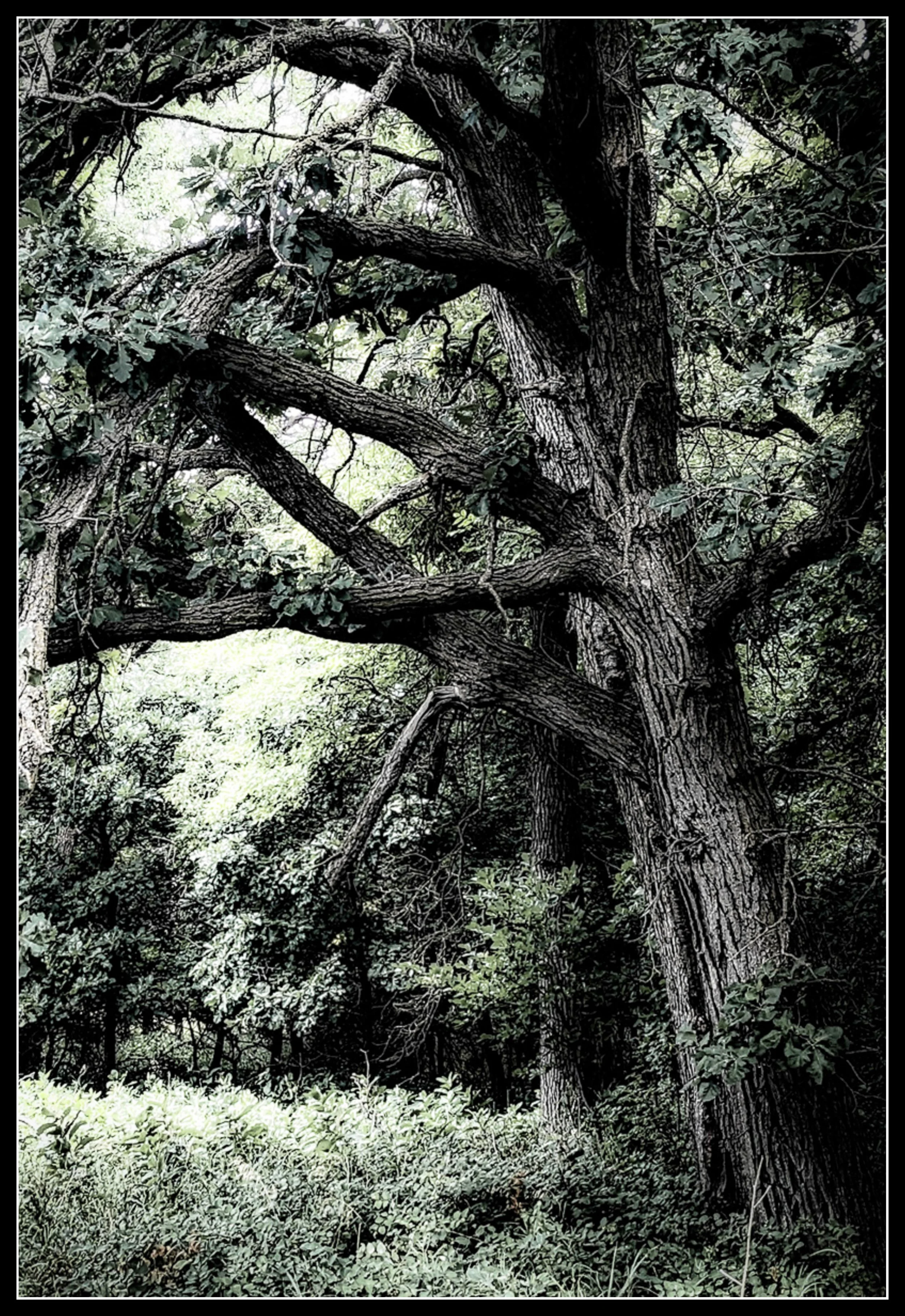
Bur Oak — Giants of the Red River Valley
Bur oak is one of the great trees of the Red River Valley — tough, slow‑grown, fire‑scarred, and built to survive centuries of prairie weather. These were the trees the Selkirk settlers relied on for posts, frames, beams, and the bones of their earliest homes. This photograph also represents Bur Oak: Legends and Giants, the story of the oaks I grew up under and the giants that shaped Manitoba long before sawmills, railways, or treated lumber. A bur oak isn’t just a tree; it’s a chapter of the land itself.
🌲 The Early Era — Local Hardwoods
Outdoor wood in Red River begins with the Selkirk settlers in the early 1800s — the first permanent agricultural community in what would become Winnipeg. Their choices were shaped by necessity, climate, and the species growing along the riverbanks and prairie groves.
They used whatever the land gave them:
bur oak for posts, frames, and strength
green ash for tool handles, sled runners, wagon spokes
elm for hubs and tough components
poplar/aspen for quick builds and filler wood
There were no preservatives, no paint, and no access to softwoods. Everything outdoors was naked to the weather. Any wood would do — because any wood was all they had.
🌲 The Softwood Arrival — tamarack, cedar, Spruce, Pine
As the population grew, so did the need for better wood. Oxen trails opened access to eastern and northern forests, and small logging camps supplied the first softwoods into Red River:
These woods changed everything.
Tamarack — The Ground Wood
Tamarack became the foundation wood of the Prairies. It lasted decades in soil, resisted rot, held nails, and carried weight.
Settlers used it for:
fence posts
sills
docks
bridge timbers
anything touching the ground
Charring the surface cauterized the pores and made tamarack last even longer.
Cedar — The Weather Wood
Eastern white cedar was the opposite: light, stable, and predictable. It didn’t curl, twist, cup, or split like other woods.
Settlers used it for:
siding
shakes
decking
trim
Cedar kept the weather out. Tamarack kept the earth back. Together, they solved the Prairie’s outdoor wood problem.
Spruce and pine — The Filler Woods
Spruce and pine were plentiful. When tamarack or cedar weren’t available, spruce filled in — even though it was a poor outdoor choice. It curled, split, and didn’t last long, but it was there.
From about 1840 to 1885, this overland softwood supply worked. Trail networks expanded. Sawmills opened. Dimensional lumber became available.
But the species remained the same.
🌲 The Railway Era — Fir, Cedar, Paint, Fasteners
In 1877, the railway arrived — and everything changed again.
The train brought:
machinery for milling
paint
fasteners
reliable supply chains
For the first time, wood could be protected from weather.
And when the line connected to British Columbia, the Prairies gained access to west coast softwoods:
These woods were different:
long beams
tight growth rings
true old growth
strong, stable, predictable
They allowed taller buildings, longer spans, and better structures.
Rural Manitoba didn’t get British Columbia lumber right away. Towns like Morden and Steinbach kept using local woods until supply chains stabilized decades later.
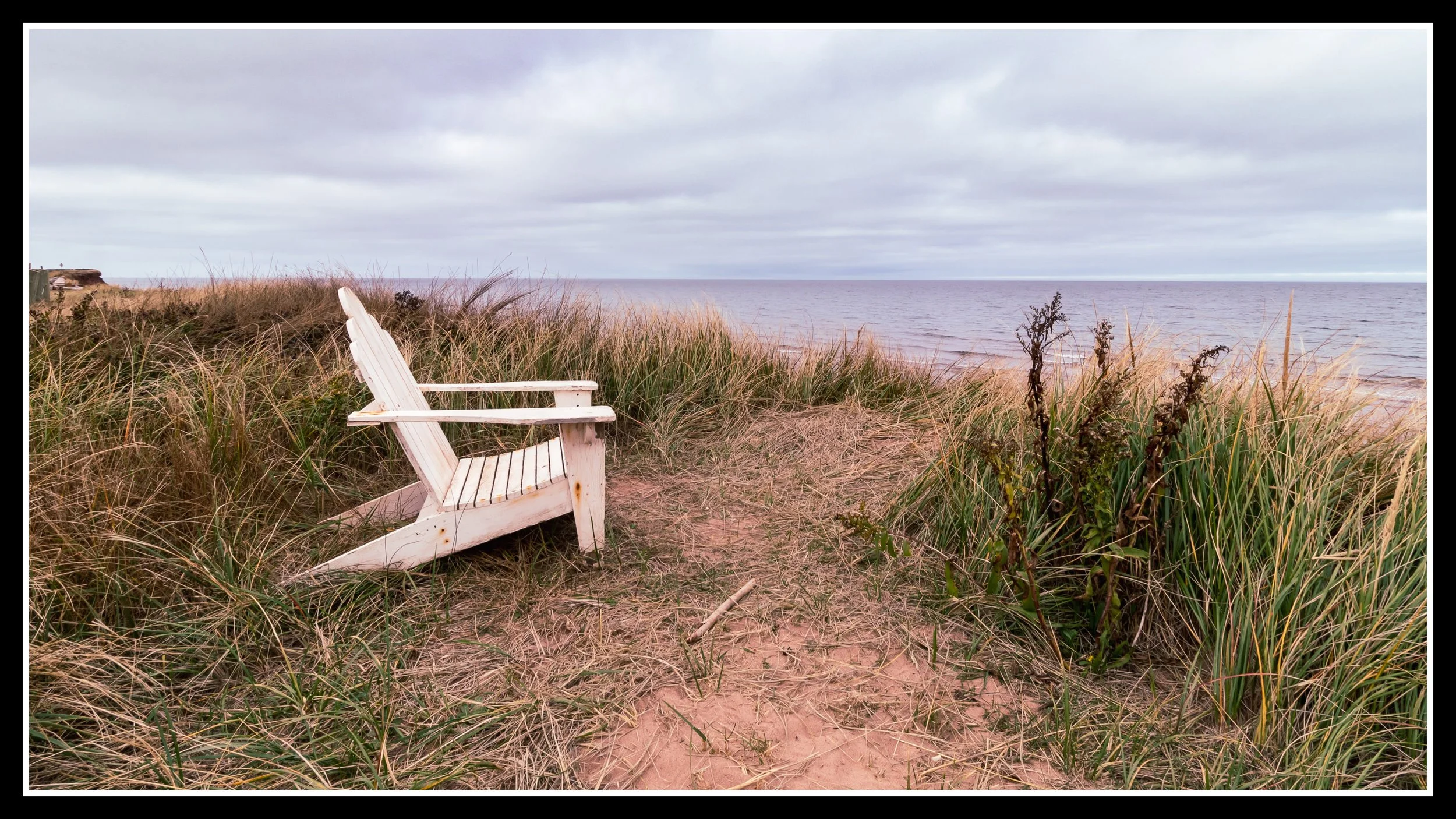
Painted Deck Chair — When Finish Makes the Wood
A painted deck chair is proof that finish can turn almost any wood into outdoor wood. Once the grain is sealed and the fibers are protected, even simple softwoods can survive sun, rain, and shoreline weather. Paint keeps the moisture out, stops the checking and splitting, and gives the chair a clean, timeless look. This image shows the quiet truth of outdoor furniture: the right finish can make humble wood last just as long as the premium species.
🌲 The First Preservatives — Paint, Oil, and Ingenuity
Paint and linseed oil were the first real wood preservatives available to everyday people in the Red River Valley.
Paint
When paint arrived by rail, it changed everything:
protected siding and fences
slowed rot
sealed end grain
added colour
For the first time, outdoor wood could be shielded instead of endured.
Linseed Oil
Linseed oil soaked in but didn’t repel water. It wasn’t ideal for siding, but it became a staple for:
tool handles
indoor trim
simple natural finishes
Railway Tie Treatments
(Not for the Public)
Railway companies used toxic preservatives — creosote, zinc chloride, later CCA — but none were available to the public.
Dirty Engine Oil — The Prairie Hack
As cars and tractors arrived, farmers discovered dirty engine oil made a surprisingly effective preservative:
soaked deeply
repelled water
slowed rot
used a waste product
It wasn’t pretty, but it worked.
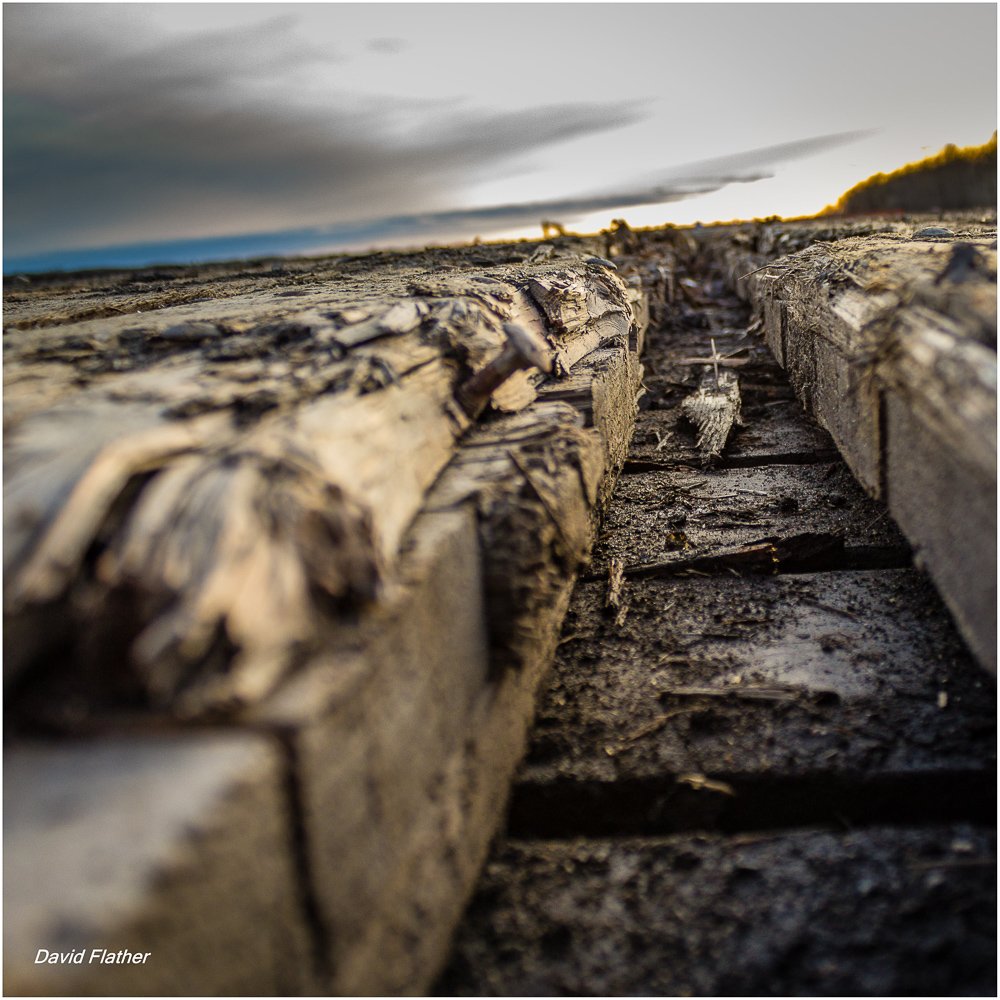
Wooden Road Mats — Cross‑Grain Strength for Soft Ground
These cross‑grain laminated platforms are built for one job: letting heavy machinery cross soft, delicate fields without tearing the land apart. Layers of wood are stacked with alternating grain direction, creating a mat that resists splitting, spreads weight, and stays stable under massive loads. Industries across Manitoba use them during spring melt, pipeline work, hydro projects, and any situation where the ground can’t support equipment on its own. It’s outdoor wood engineered for survival — the modern version of the old corduroy roads that once carried settlers across the prairie.
🌲 The 1930s — Plywood, Early Treated Lumber, and Decline
The 1930s brought two structural changes that reshaped outdoor building.
Plywood — Stability, Not Exposure
4×8 plywood sheets didn’t replace cedar or tamarack, but they changed the role of siding.
Before plywood:
siding stopped wind
prevented racking
was structural
After plywood:
plywood stiffened the building
siding became a protective skin
This stretched cedar supply, lowered costs, and sped up construction.
Early Pressure-Treated Lumber
Pressure treating existed in the 1930s, but residential treated lumber didn’t become widespread until the 1950s–60s.
The First Warnings — Old Growth Decline
By the 1940s, people noticed:
shorter boards
lighter wood
wider rings
rising prices
The old-growth era was beginning to fade.
🌲 The 1950s — Treated Lumber, Highways, and the End of Tamarack
By the 1950s, treated lumber had improved enough to become widely used in residential building. Better chemicals and deeper penetration made treated spruce practical.
Treated Lumber Takes Over
Spruce had always been weak outdoors, but treated spruce:
resisted rot
survived soil
lasted decades
cost far less than cedar
This eliminated tamarack from commercial markets almost overnight.
Highways Change Everything
Highway expansion connected towns and sped up supply chains:
every town could get lumber
every farm could get treated posts
every cottage area could get decking boards
Outdoor building exploded — decks, docks, cabins, picnic tables.
Outdoor wood stopped being regional and became standardized.
🌲 The Old Growth Collapse — The End of the Big Trees
Demand never let up. Old forests were cut. The tall, straight trees were gone. What remained were second-growth stands — younger, faster-grown, less stable.
By the 1970s and 80s, the old-growth era was effectively over.
Public protests to save remaining old-growth forests peaked in the late 1980s and early 1990s.
People noticed:
loose grain
bigger knots
lighter weight
rising cedar prices
What remained was protected — and rightly so.
Engineered Wood Fills the Gap
Builders shifted to:
laminated beams
glulam
LVL
plywood webs
Strong, predictable, available — everything old-growth fir used to be.
Natural Wood Changes
Second-growth lumber:
had wide rings
weighed less
had more knots
came in shorter lengths
Not bad wood — just fast wood.
Treated Spruce Becomes the Default
Cedar prices climbed. Old-growth disappeared. Treated spruce became the go-to outdoor wood.
🌲 The 1990’s–2000’s — Safer Treatments and Plastic Wood
By the 1990s, treated lumber was green — coloured by CCA, a toxic but effective preservative used everywhere.
Safer Chemicals
CCA was phased out for residential use in 2003, replaced by ACQ and CA:
safer
cleaner
kid-friendly
But less rot-resistant.
Composite Decking Arrives
Composite decking — wood flour + recycled plastics — changed outdoor building:
no rot
no stain
no splinters
long lifespan
But composite had quirks:
hot in sun
cold in winter
slippery in snow
UV fading
synthetic look
PVC Decking — The Premium Plastic Wood
PVC arrived in the early 2000s:
100% plastic
cooler than composite
scratches easier
slippery in winter
installed over treated spruce
Maintenance-free surface, but not a forever deck.
HDPE Plastic Lumber
HDPE lumber:
dense
heavy
dulls tools
completely rot-proof
Used for furniture, docks, benches, marine areas.
Plastic wood has its place. And so does real wood.
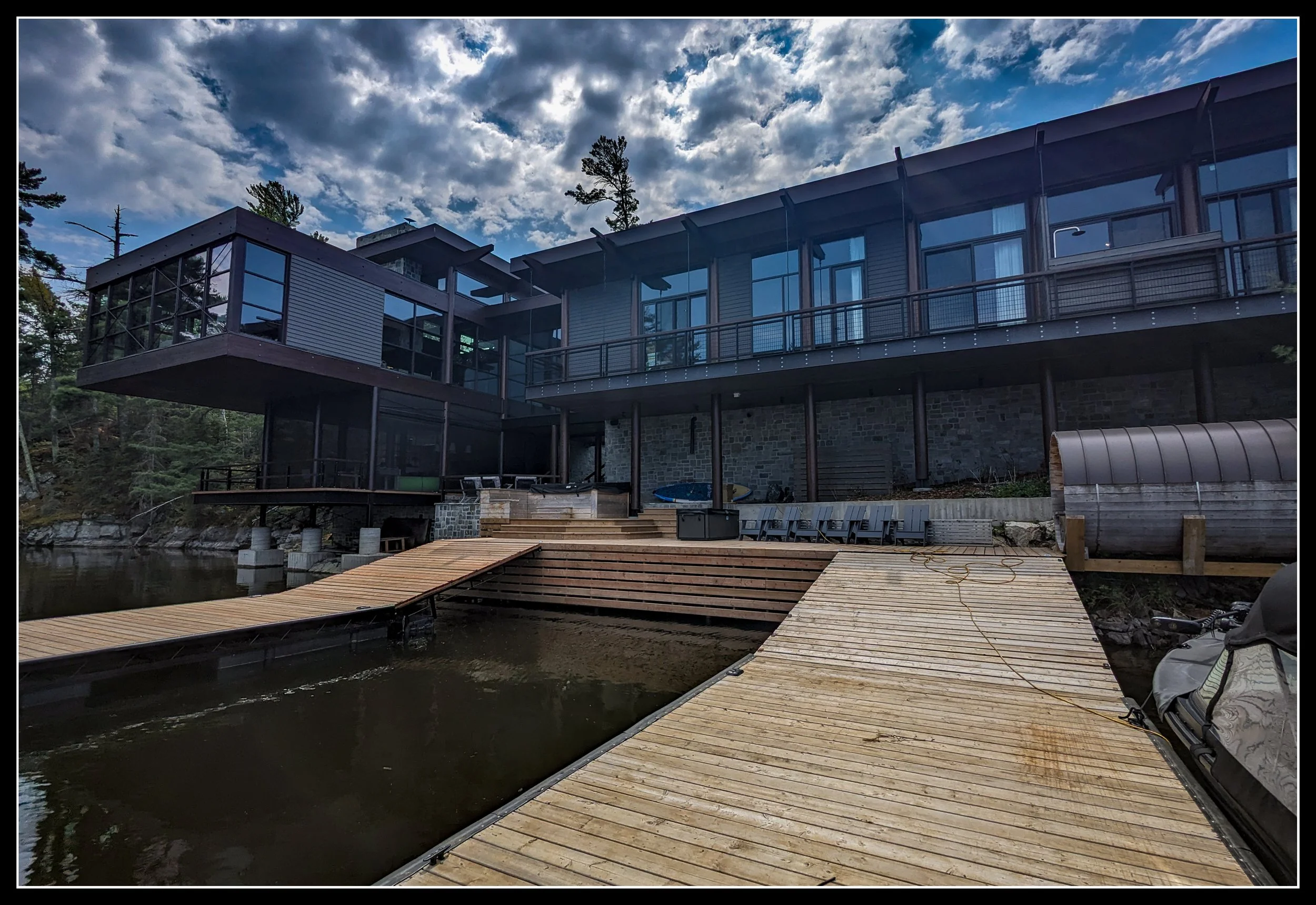
Floating Dock — Treated Spruce Built for Freeze‑Up
This floating dock is built from treated spruce, the modern outdoor wood that can handle lake life year‑round. It stays in place through winter freeze‑up, locked in ice and pushed by shifting pressure without breaking apart. Treated spruce gives the dock the rot resistance and durability that cedar or untreated softwoods can’t match in constant water exposure. It’s a clean example of how outdoor wood has evolved — practical, tough, and ready to face the full cycle of Manitoba seasons.
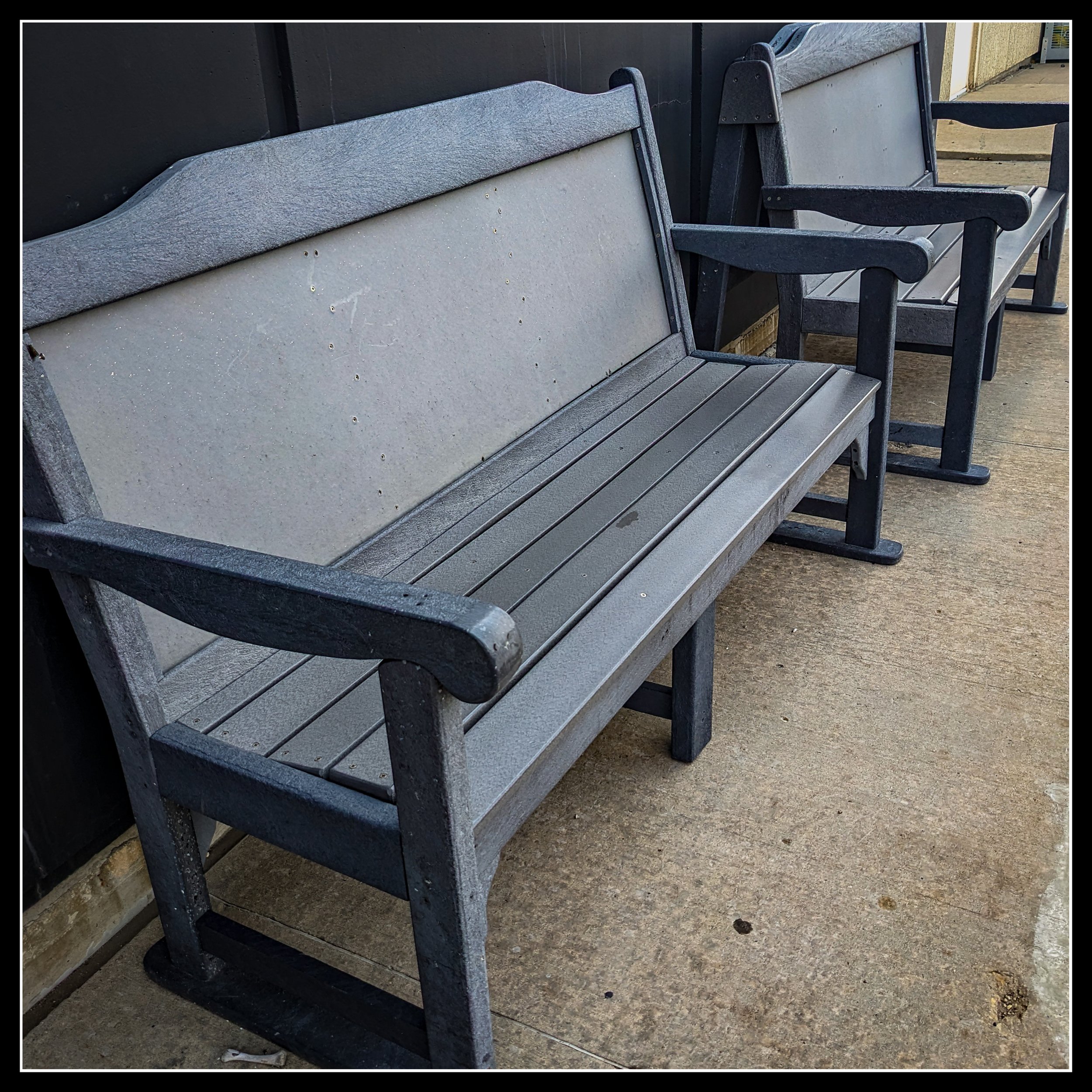
HDPE Outdoor Furniture — Winnipeg’s Weatherproof Choice
Plastic outdoor furniture has become common across Winnipeg — heavy HDPE and composite benches built to survive every season without rot, paint, or maintenance. Cities choose this material because it doesn’t split, warp, or decay the way spruce, cedar, or tamarack eventually do. It’s the modern answer to public‑space durability: dense, colour‑fast, and built to stay outside year‑round. These benches show how outdoor materials have shifted from wood to engineered plastics in places where longevity matters more than tradition.
🌲 The Return to Wood — The Modern Era
People have opinions about everything — garden hoses, winter tires, deck materials, even how to cut the grass. Those opinions come from experience, from knowledge, or from the lack of it.
As the world moves through the 2020s, wood has changed. The environment has changed. Generations have turned over. It’s easy to forget what previous generations lived through.
They used eastern white cedar and tamarack — woods we rarely use today outside niche markets. But those woods are still here, still growing, still waiting for rediscovery. They grow right here in Manitoba, and across many parts of Canada.
And their time may come again, as the world keeps changing.
🌲 Closing
Outdoor wood in Manitoba has never been one story — it’s been a long conversation between climate, species, supply chains, and the people who build with what they have. From bur oak posts to tamarack sills, from Douglas fir beams to treated spruce decks, every era left its mark.
And as old ideas return and new materials evolve, the woods that shaped the Prairies may find their place again — not as nostalgia, but as practical, local, durable choices in a world rediscovering what grows close to home.
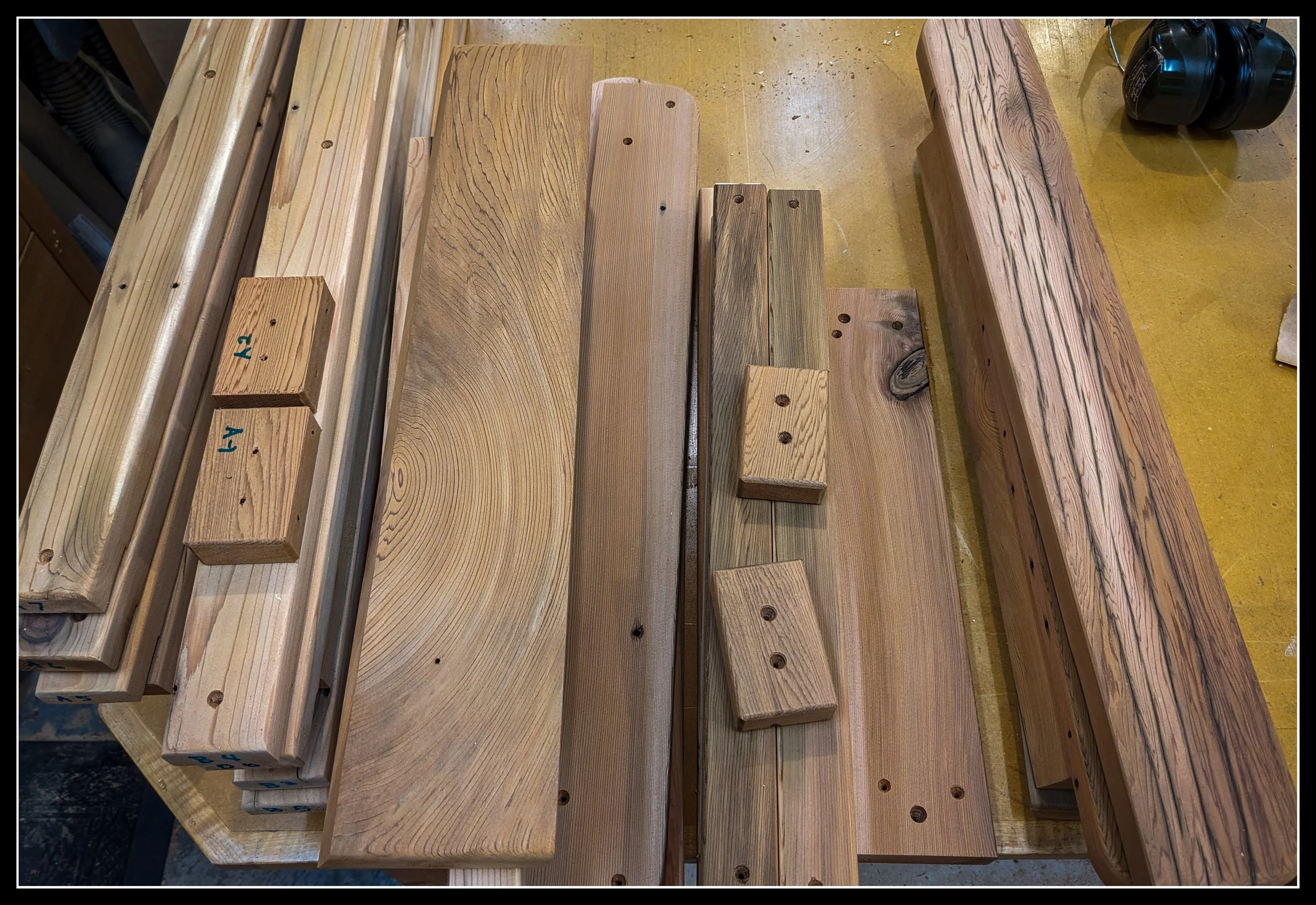
Eastern Red Cedar — Weather Wood With a Story
Eastern red cedar has a way of looking both rugged and calm at the same time. It’s light, stable, and predictable outdoors — the kind of wood that doesn’t curl or twist when the seasons change. This piece is part of Grandpa’s Chair, a cedar deck chair built the old way: simple joinery, honest grain, and outdoor wood that earns its place over time. Cedar keeps the weather out, but it also carries memory. Every board in this project feels like a small chapter in a much bigger story.
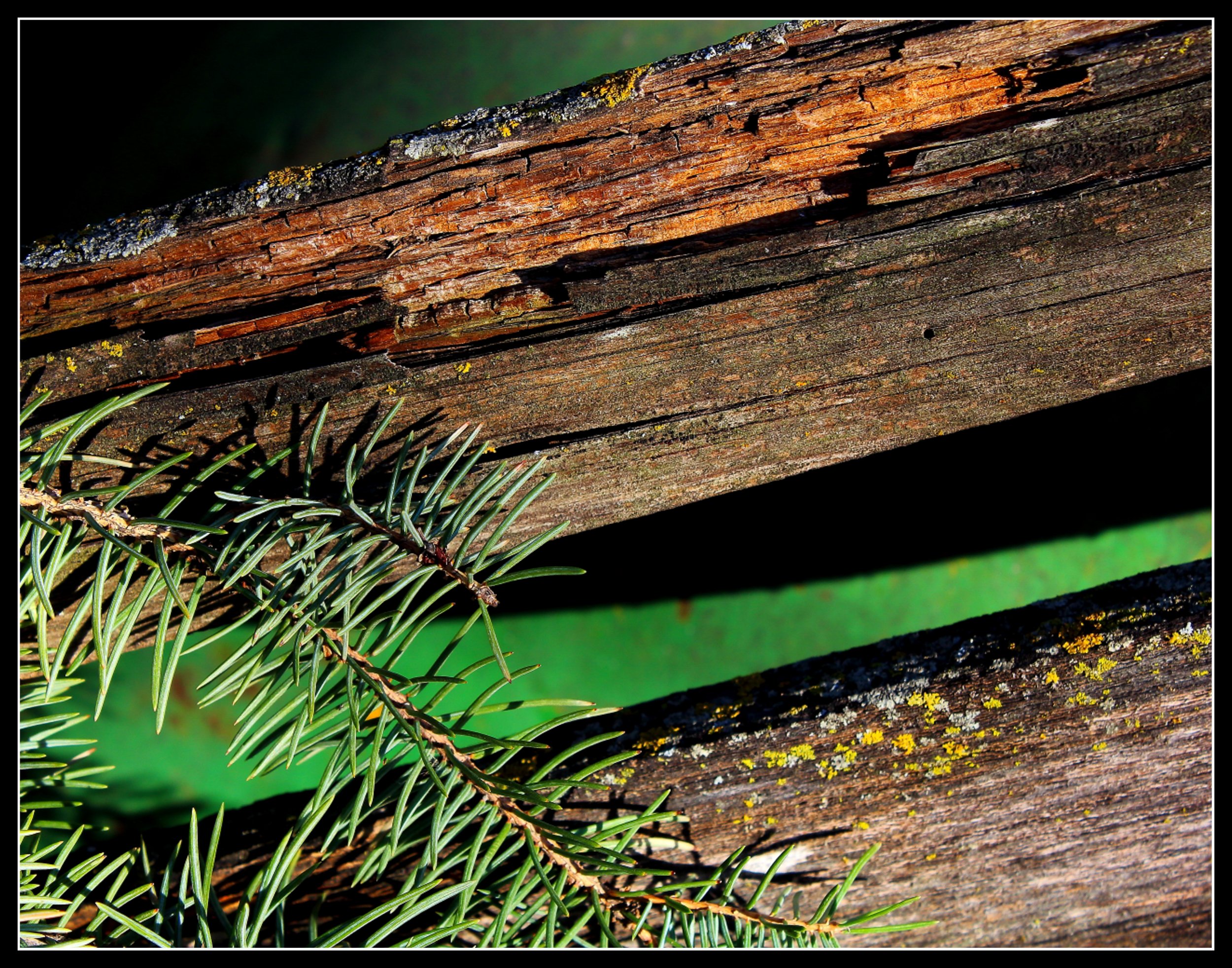
Spruce Outdoors — Why Untreated Wood Fails Fast
Spruce is a beautiful indoor wood — straight, light, and easy to work with. But outdoors, untreated spruce doesn’t stand a chance. Moisture gets in fast, the grain opens, rot takes hold, and the wood breaks down long before cedar, tamarack, or treated lumber would. This photo shows exactly what happens: weathered boards, soft spots, moss creeping in, and the early stages of decay. It’s a reminder that spruce belongs inside, or it needs treatment if it’s going to face the weather.
🌲 Local Outdoor Wood Examples
These are local photos — shot across Manitoba and nearby provinces — showing real outdoor woods in real conditions. Every image is mine, taken from the places where these materials actually live.
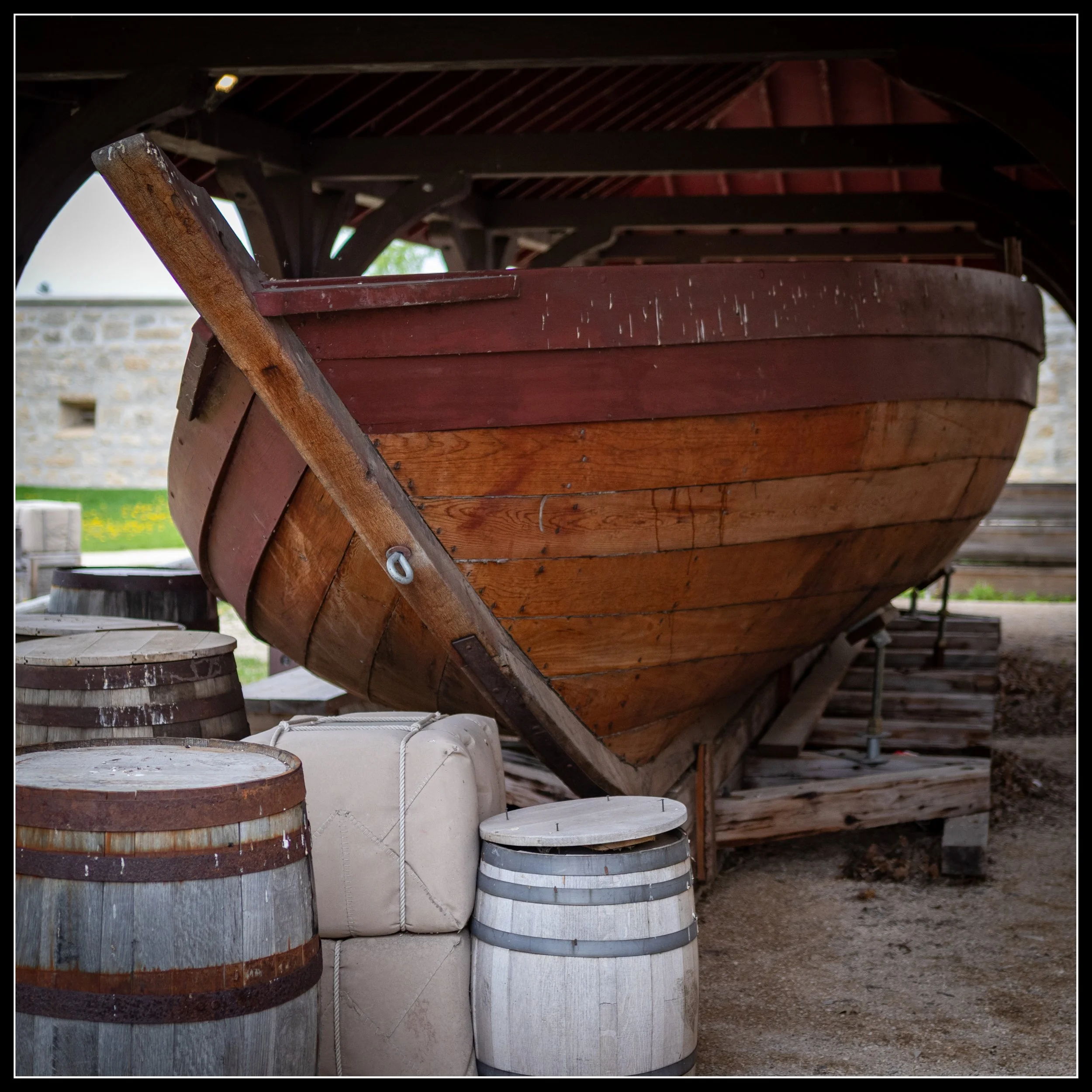
York Boat — The Fur Trade’s Wooden Engine
A York boat is one of the clearest examples of what outdoor wood meant in the fur‑trade era. Built from spruce, tamarack, and whatever the inland forests could give, these boats carried the entire economy of the Hudson’s Bay Company. Every plank, rib, and knee was shaped by hand, bent over fire, and fastened without shelter or machinery. This photograph also represents The Value of Wood, the story (coming soon) of how timber wasn’t just a material — it was transportation, survival, and connection across the Red River Valley and beyond. A York boat is a reminder that wood once moved a continent.
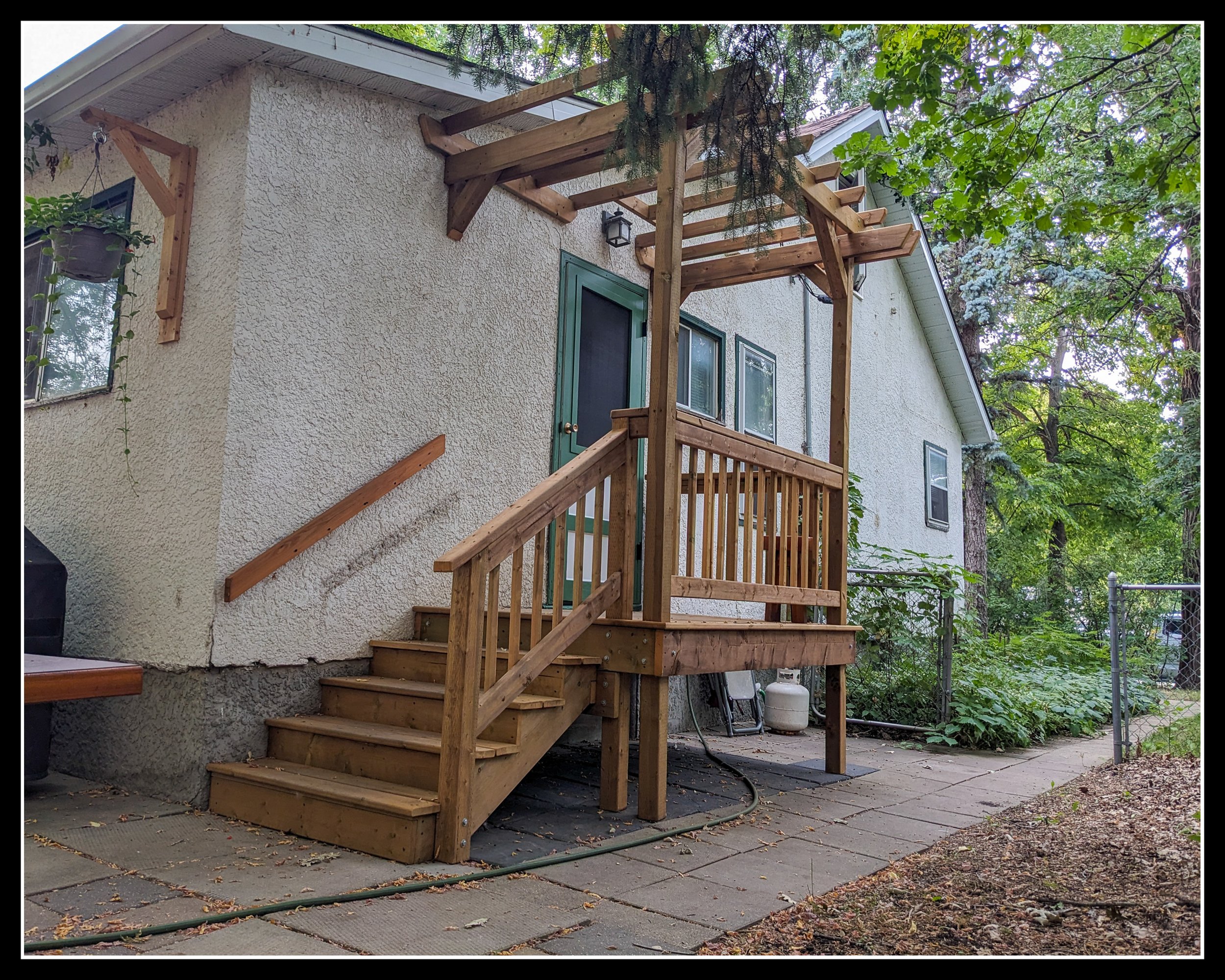
Modern Brown Treated Spruce — Today’s Outdoor Standard
Brown treated spruce is the modern outdoor wood most people use today. It’s affordable, predictable, and designed to survive decades of Prairie weather. This stoop and pergola, built in 2025, show how treated lumber has replaced cedar and tamarack in everyday construction. The treatment protects the spruce from rot, moisture, and insects — all the things that destroy untreated softwoods outdoors. It’s the current chapter in the long story of outdoor wood in Manitoba: practical, accessible, and built to last.
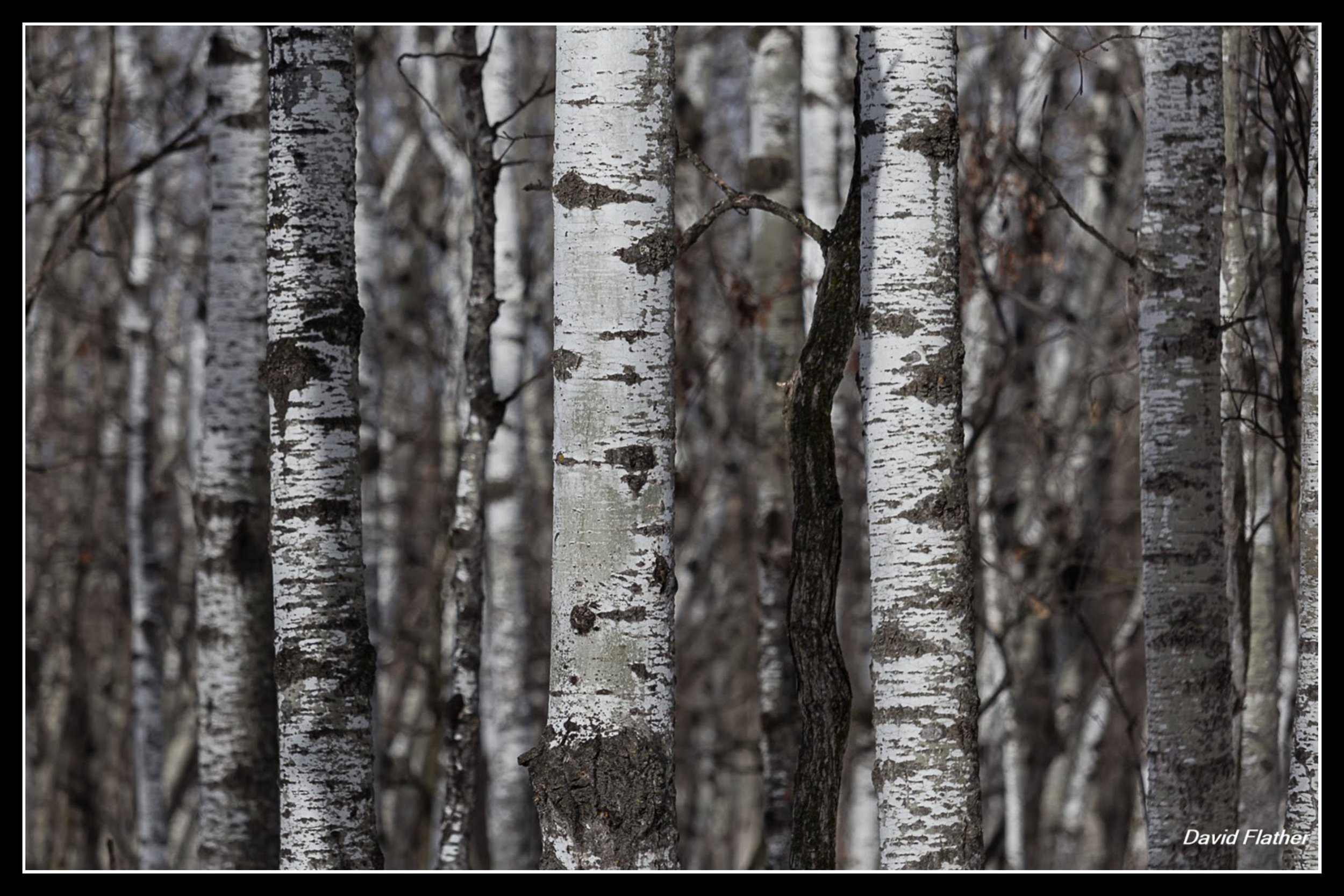
Aspen — The Wood of Necessity
Aspen was one of the most common trees available to early settlers in the Red River Valley. It wasn’t a prestige wood and it wasn’t especially durable, but it was everywhere — fast‑growing, easy to cut, and good enough for the urgent needs of frontier life. Settlers used aspen for cabins, sheds, rough framing, fuel, and anything that had to be built quickly with whatever the land provided. This photograph captures the character of aspen: pale trunks, tight stands, and the quiet reminder that survival often begins with the wood you have, not the wood you want.
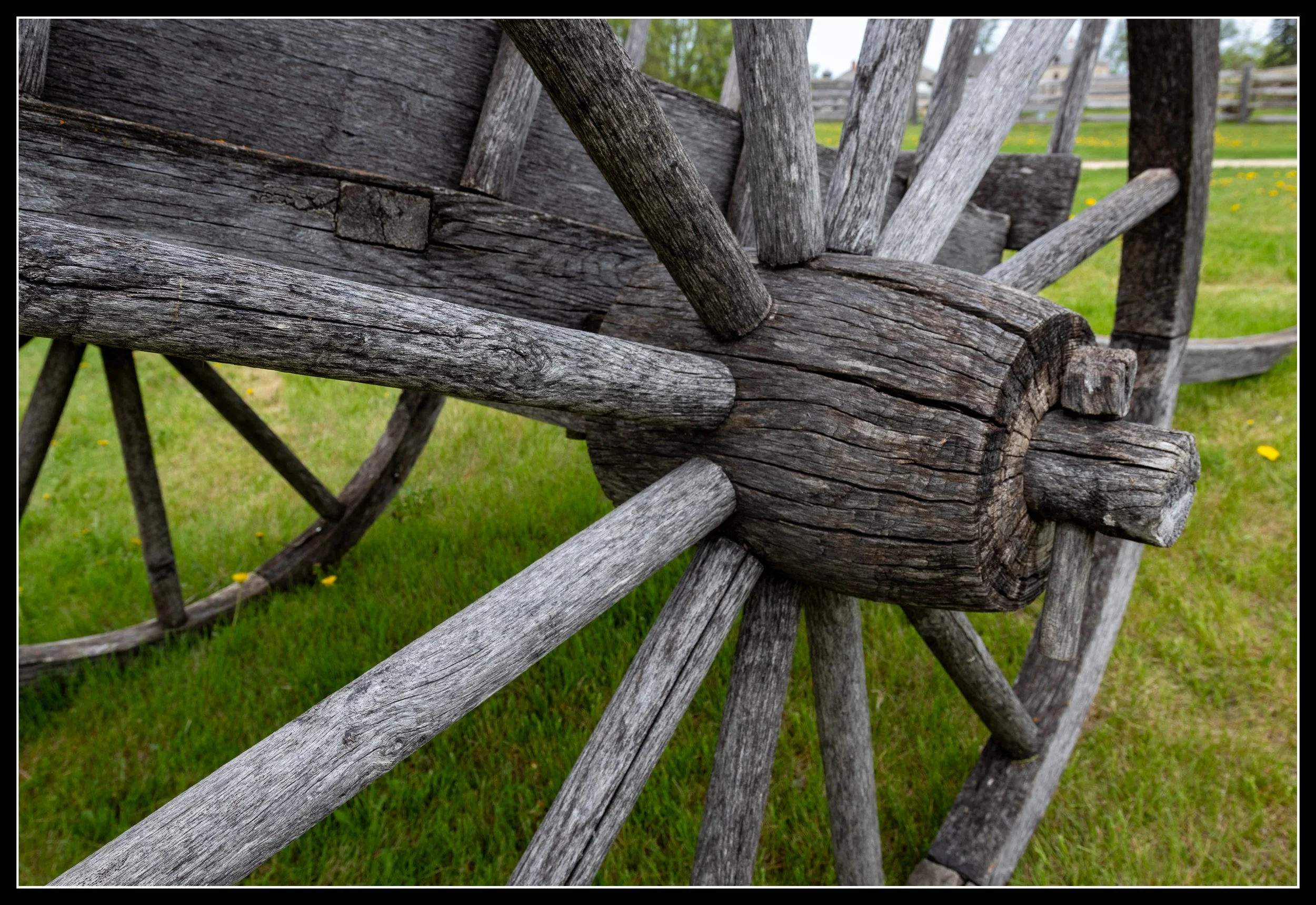
Ox Cart Wheel — Elm Hub, Ash Spokes
The Red River ox cart is one of the most iconic pieces of prairie engineering, and its wheel tells the whole story. The hub was traditionally elm — a wood that refuses to split — and the spokes were ash, chosen for strength, shock resistance, and the ability to flex without breaking. This wheel carried freight, families, trade goods, and the entire economy of the fur‑trade era. It’s outdoor wood at its most essential: built by hand, built from local species, and built to survive the open prairie without metal, shelter, or machinery.
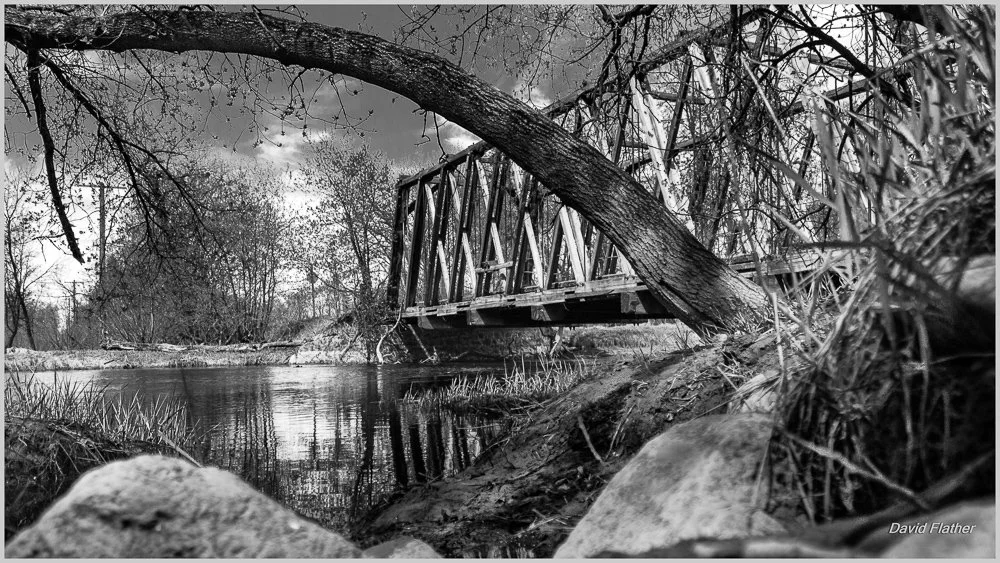
Rural Trestle Bridge — Treated Spruce on the Prairie
This trestle bridge in Gardenton, Manitoba shows how treated spruce became the backbone of modern outdoor construction across the Prairies. Strong, affordable, and resistant to rot, treated spruce replaced the old fur‑trade woods and carried the region into the contemporary era. Bridges like this are built for weather, water, and time — the same challenges settlers faced, solved today with pressure‑treated lumber instead of cedar or tamarack. It’s a quiet example of how outdoor wood continues to shape rural Manitoba.
Lasalle River House — Bur Oak Against the Flood
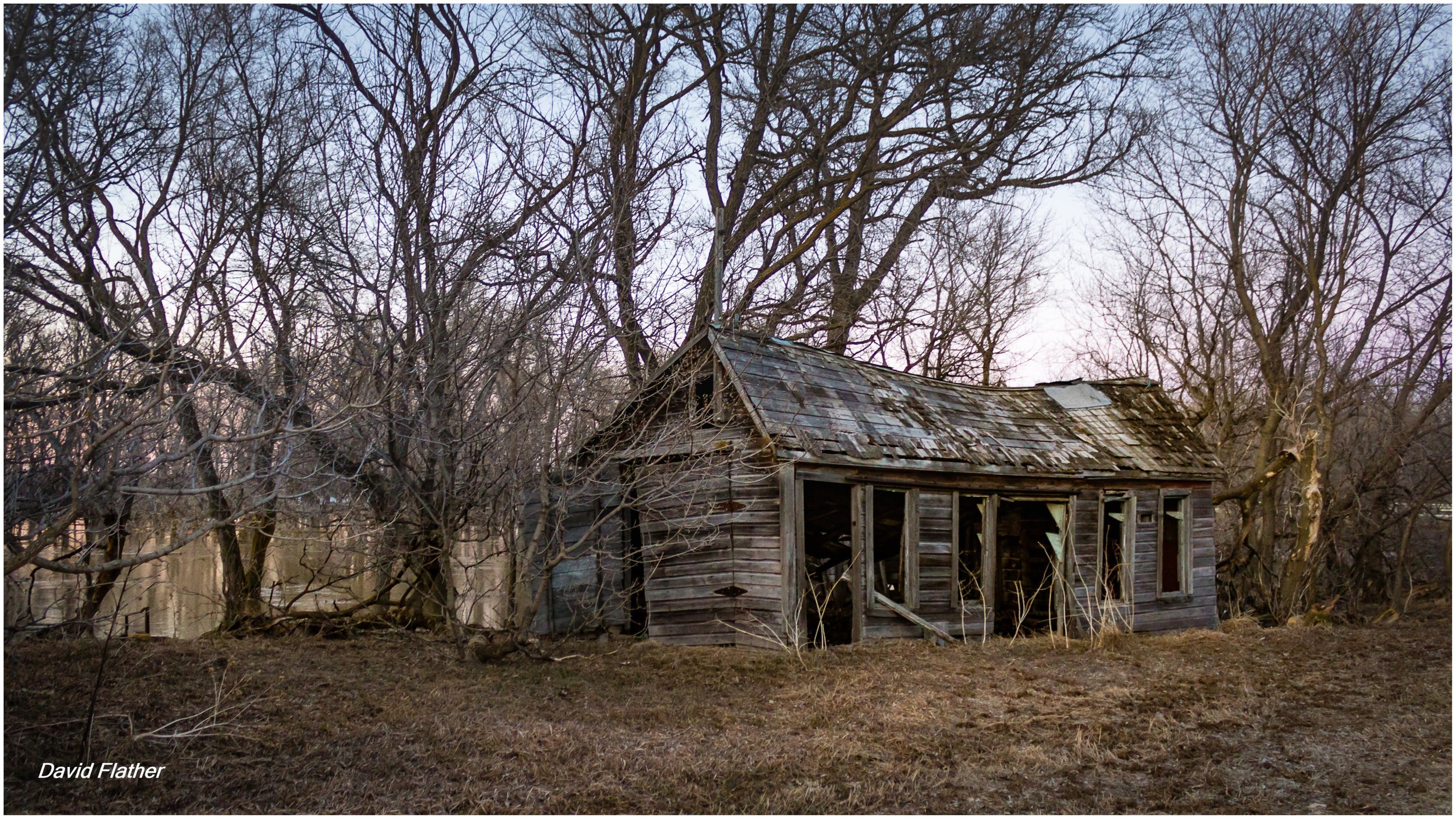
This old house sits on the bank of the La Salle River, far outside the early Winnipeg rail and supply chain. Its age is uncertain, but the construction style suggests the late 1800s — a period when rural settlers built with whatever the land could offer. A structure this weathered, still standing after countless spring floods, was almost certainly framed in bur oak. Softer woods would have rotted away decades ago. This is a rare survivor from the rural frontier: a flood‑tested house built from the toughest local timber available.
Turenne House — 1871 Log Home of St. Norbert
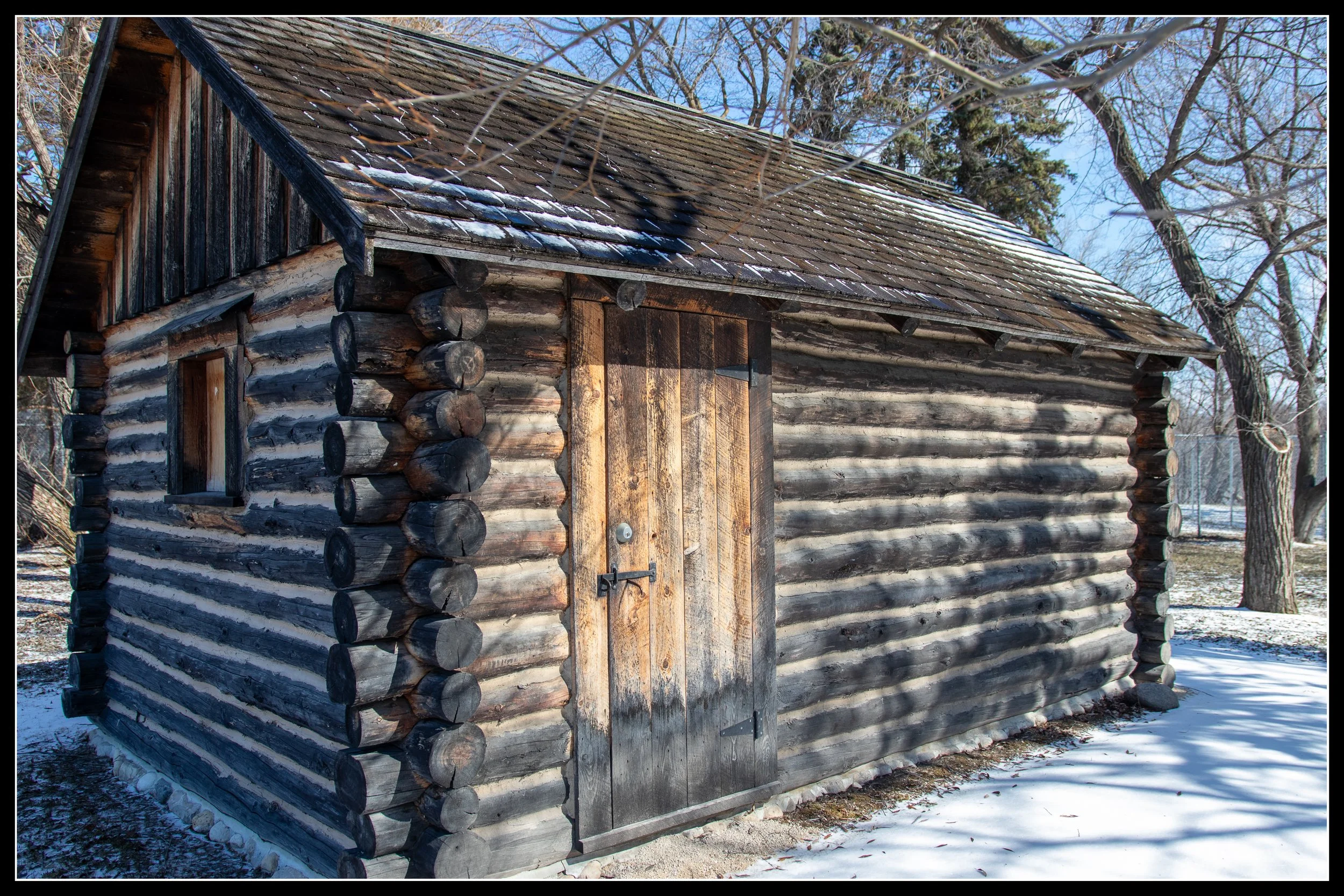
Turenne House was built in 1871, originally standing on the same street I live on in St. Norbert before it was moved and restored at the local museum. This was a frontier log home, built outside the Winnipeg rail supply chain, using whatever hardwoods could survive repeated spring flooding — likely bur oak or elm. A structure like this doesn’t last 150 years by accident. It’s a rare survivor from the early French‑Canadian river‑lot era, still carrying the shape and spirit of the settlement that once lined the La Salle / Red River junction.
Lake Manitou Gazebo — Frozen Into Spring Flood
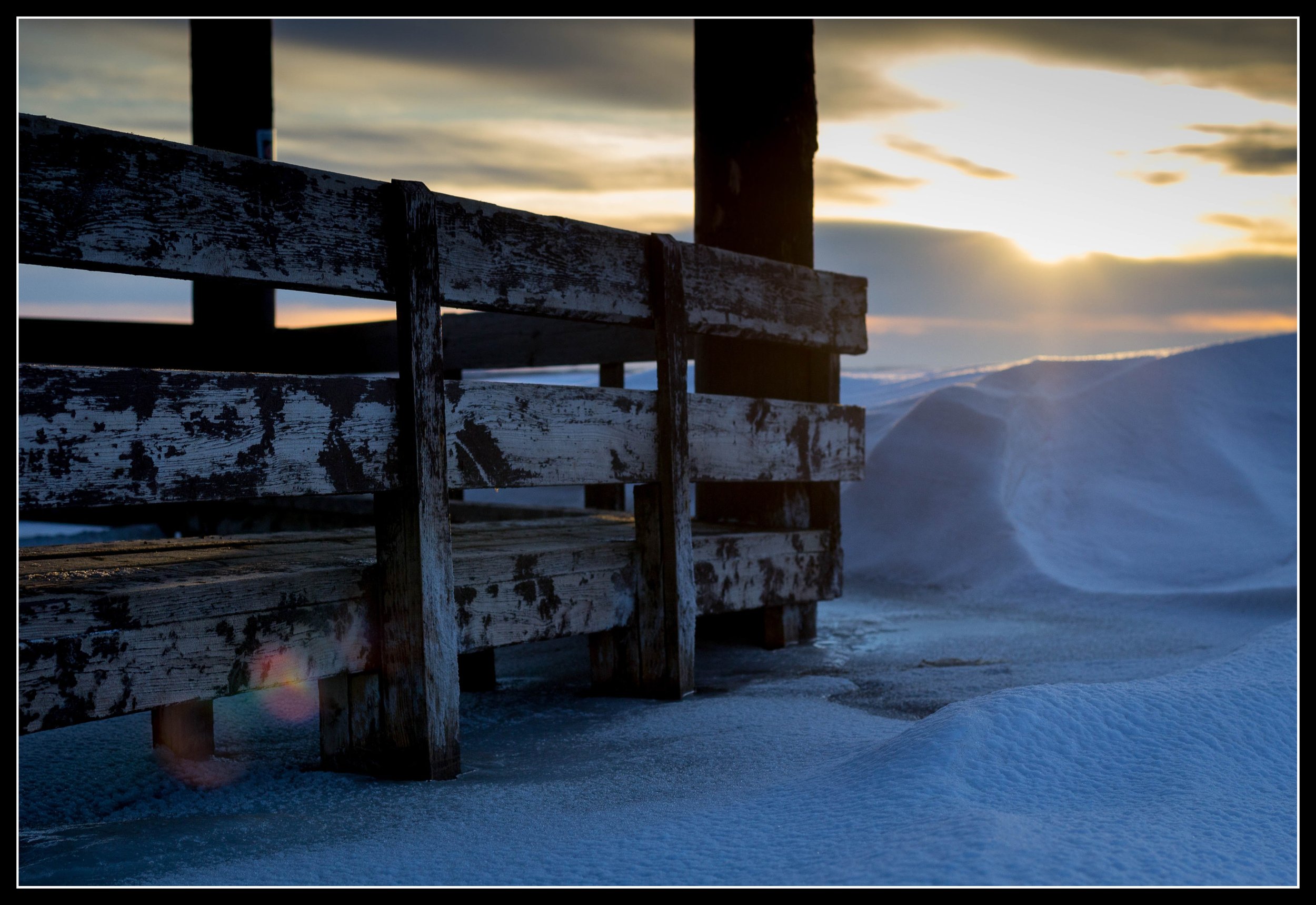
This gazebo sits in Lake Manitou, Saskatchewan, frozen into high water and surrounded by March snowdrifts. The rising sun catches the worn paint and weathered boards — a reminder of how outdoor structures endure when they face freeze‑up, thaw, and shifting lake levels year after year. It’s a real example of prairie exposure: wood locked in ice, pushed by water, and still standing through the seasons.
HDPE Muskoka Chairs — Cedar’s Modern Replacement
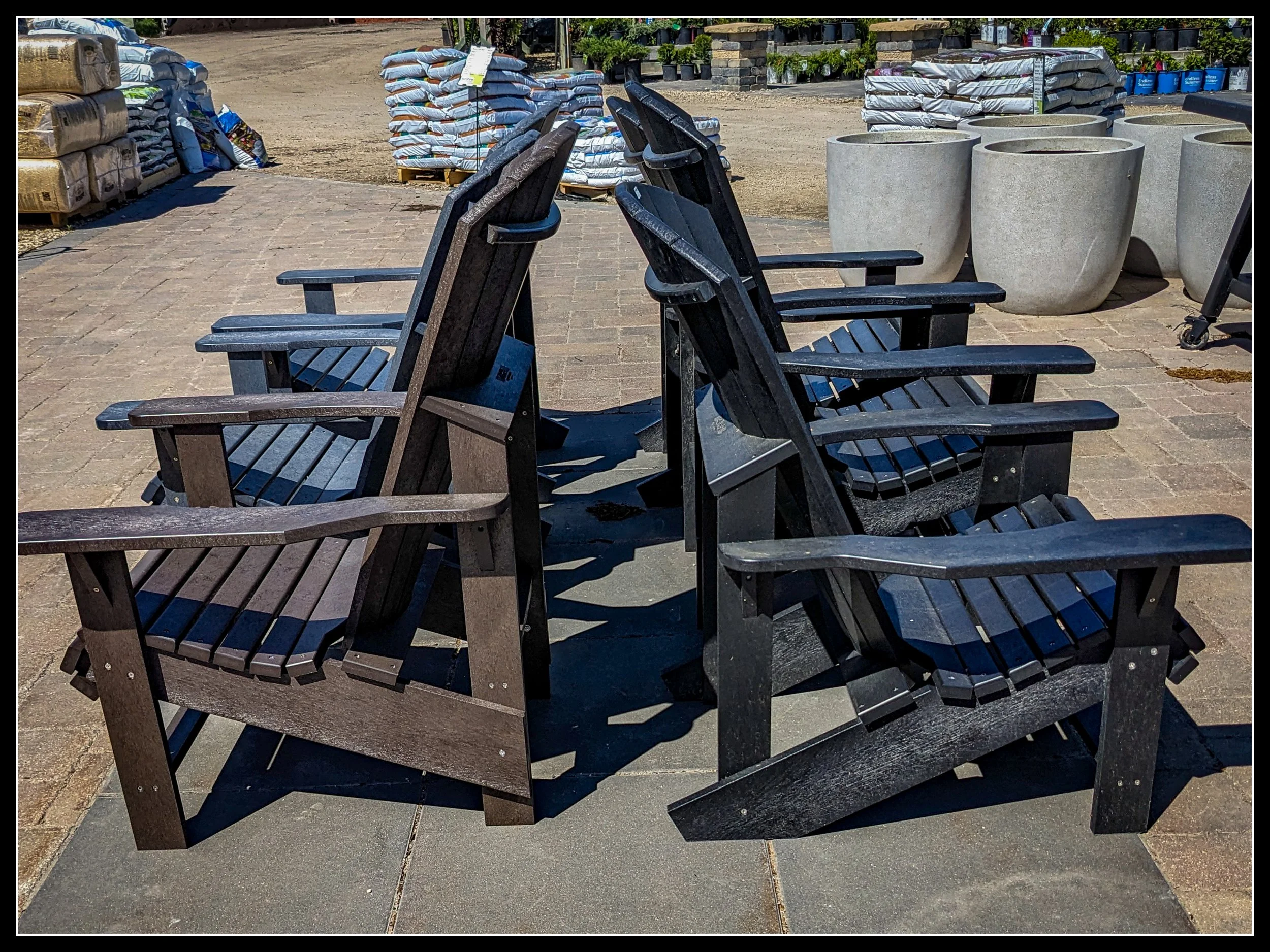
These HDPE Muskoka chairs were spotted for sale at a greenhouse in Steinbach. They’re expensive — but so is cedar — and these chairs trade beauty for durability. HDPE is dense, heavy, colour‑stable, and completely immune to rot, splitting, and weather. They look like wood, but they’re engineered plastic built to survive years of sun, rain, and freeze‑thaw cycles without maintenance. This is the modern direction of outdoor furniture: the feel of tradition with the lifespan of plastic.
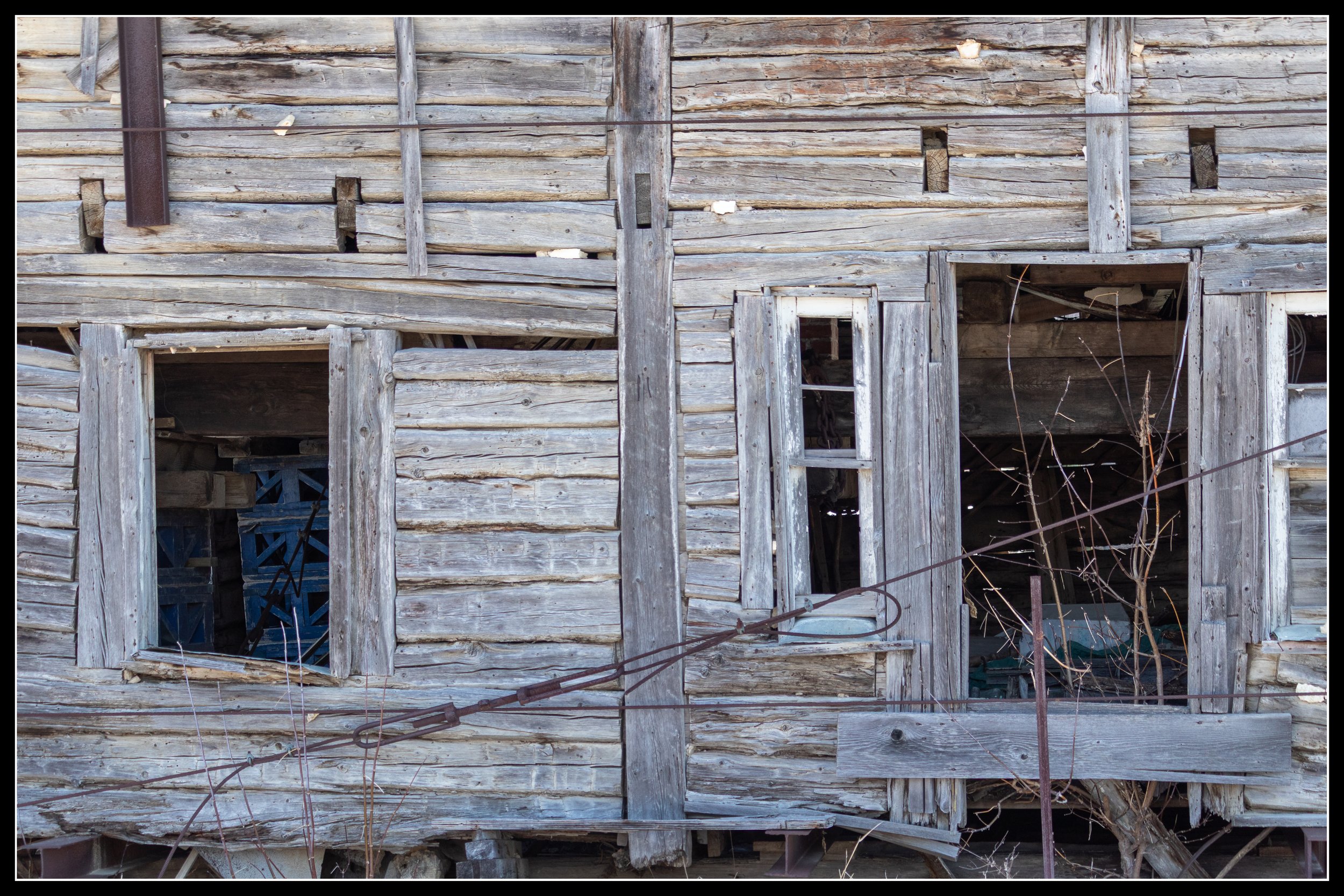
Henderson House — Bur Oak Bones of the Settler Era
Henderson House is one of Manitoba’s oldest surviving settler‑era buildings — a Red River post‑and‑frame structure built in the 1850s from squared bur oak timbers. The siding has failed, the windows are gone, and the frame is exposed, but the oak still holds the shape of the home. This is what early construction looked like in the Red River Valley: hand‑hewn posts, mortise‑and‑tenon joinery, and outdoor wood that had to survive without paint, preservatives, or protection. This photograph represents the heritage story of Henderson House and the enduring strength of bur oak in the Prairie climate.
🌲 Continue the Story
If you want to go deeper into why these materials behave the way they do — why some woods survive floods, why paint saves softwoods, why treated spruce replaced cedar — continue on to Understanding Wood. The photos show the real world; the next section explains it.
Where every species, every board, and every lesson in wood science comes together — a place to explore the materials that shape our craft.
SHARE
The Wood Archive — All the wood Stories in One Place
For the living side of woodworking — the stories shaped by walnut, oak, maple, cherry, elm, cedar, and poplar — head to the Wood Archive.
If you’d like to hear from me only when something big is happening — a launch, a milestone, or a major project — you can join the mailing list below.
Written by David Flather, Red Seal cabinetmaker and founder of Knotty Dave’s Fine Woodworking — a Manitoba shop rooted in heritage restoration, storytelling, and real craft.
All photos shot by David Flather — in the shop, on the road, and in the places where craft and story meet.
Related Stories:
The Value of Wood in the Fur Trade: Winter Logging, River Transport, and York Boat Timber
Cherry Wood: Grain, Colour, Tannin, and the Tree Behind the Boards
Understanding Wood: Why Trees Grow the Way They Do — And How That Shapes Every Board
Walnut: The Truth Behind North America’s Most Famous Hardwood
The Workshop Library
If you enjoyed this story, there’s lots more like it inside The Workshop Library — and it’s free to explore.
Wood Archive — species, grain, working properties, and real‑world craft notes
Behind the Grain — the deeper stories inside wood, craft, and heritage
The Working Side of the Craft — tools, shop life, workflow, and the realities of making
Digital to Sawdust — Design Studio — geometry, proportion, visual flow, and design thinking
The Stories of the Shop — the personal side of craft, the shop’s history, and the quiet moments that shape the work
House & Hearth — heritage home restoration, the hearth room, winter culture, and the lived‑in side of craft
I’m just one man with a shop, building this archive one story at a time. If you’d like to follow the journey as it unfolds, explore The Workshop Library — new stories every week.
