Digital to Sawdust — Design Studio
This is the digital end of the shop — the place where a project begins in sketches, layouts, and design work, and where it ends in photography after the sawdust settles. It’s the bridge between planning and making, the quiet studio where ideas take shape before the tools start, and the place where finished work is documented once the craft is done.
Digital tools, layout, and proportion — the design side of woodworking before the sawdust begins.
This is the quiet corner where a project starts in sketches and layouts, and where it returns after the sawdust settles for photography and story work.
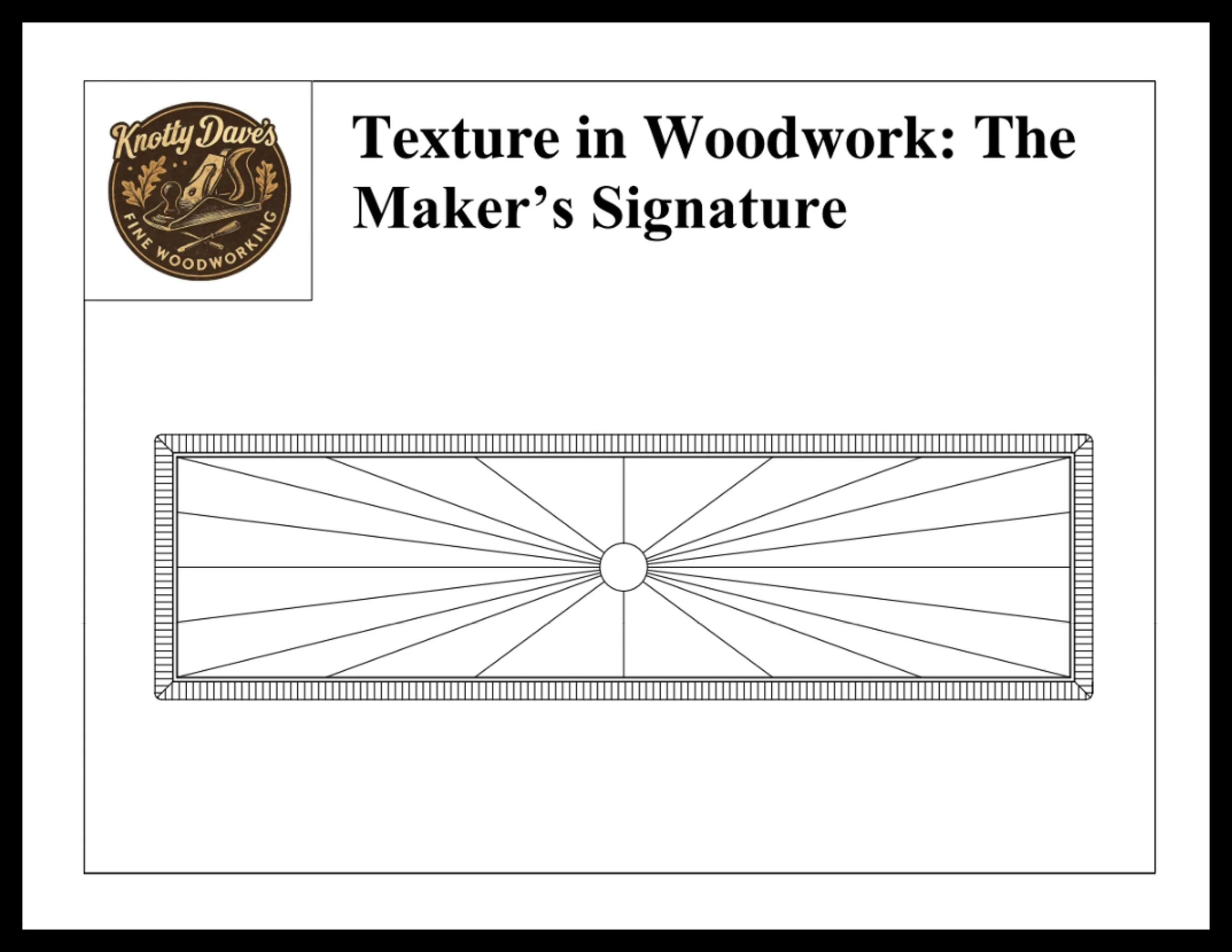
Texture is the quiet part of furniture that most people never notice, yet it’s the first thing their hands remember. This story shows how surface feel becomes a design language of its own — shaping light, mood, and the honesty of a piece. If you’ve ever wondered why some furniture feels alive, this is the chapter that finally explains it.
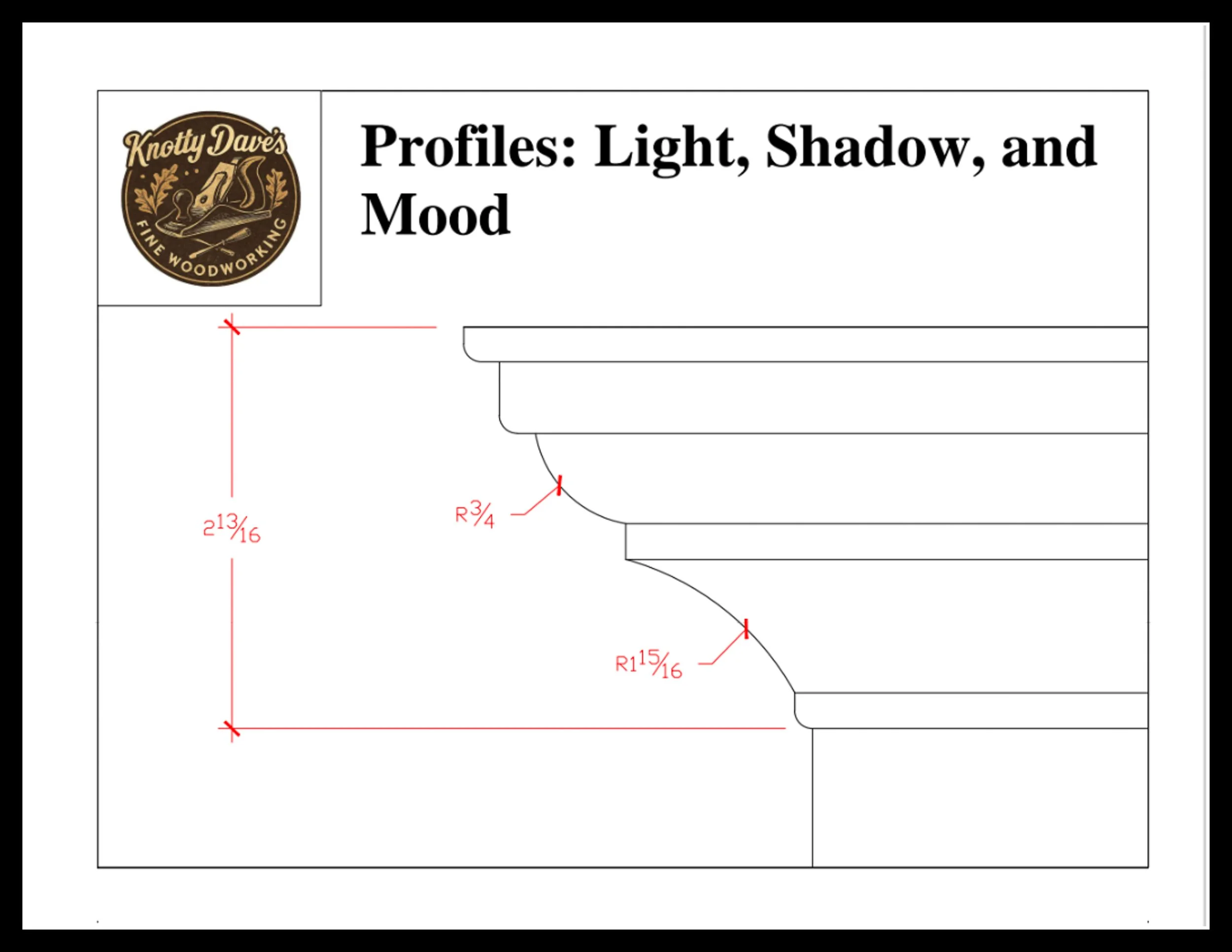
Profiles quietly shape the way a room feels. By guiding how light moves across edges, they create shadow lines that influence mood, weight, and intention. This story looks at profiles as small pieces of geometry — not decoration — and how they connect architecture, furniture, and the quiet atmosphere of a space.
Anchor lines are the quiet guides inside every good design — the subtle lines, shadows, and shapes that pull your eye through a room, a photograph, or a piece of furniture. Once you learn to see them, design becomes simple. The flow of a space makes sense, images feel intentional, and the geometry beneath everything finally reveals itself.
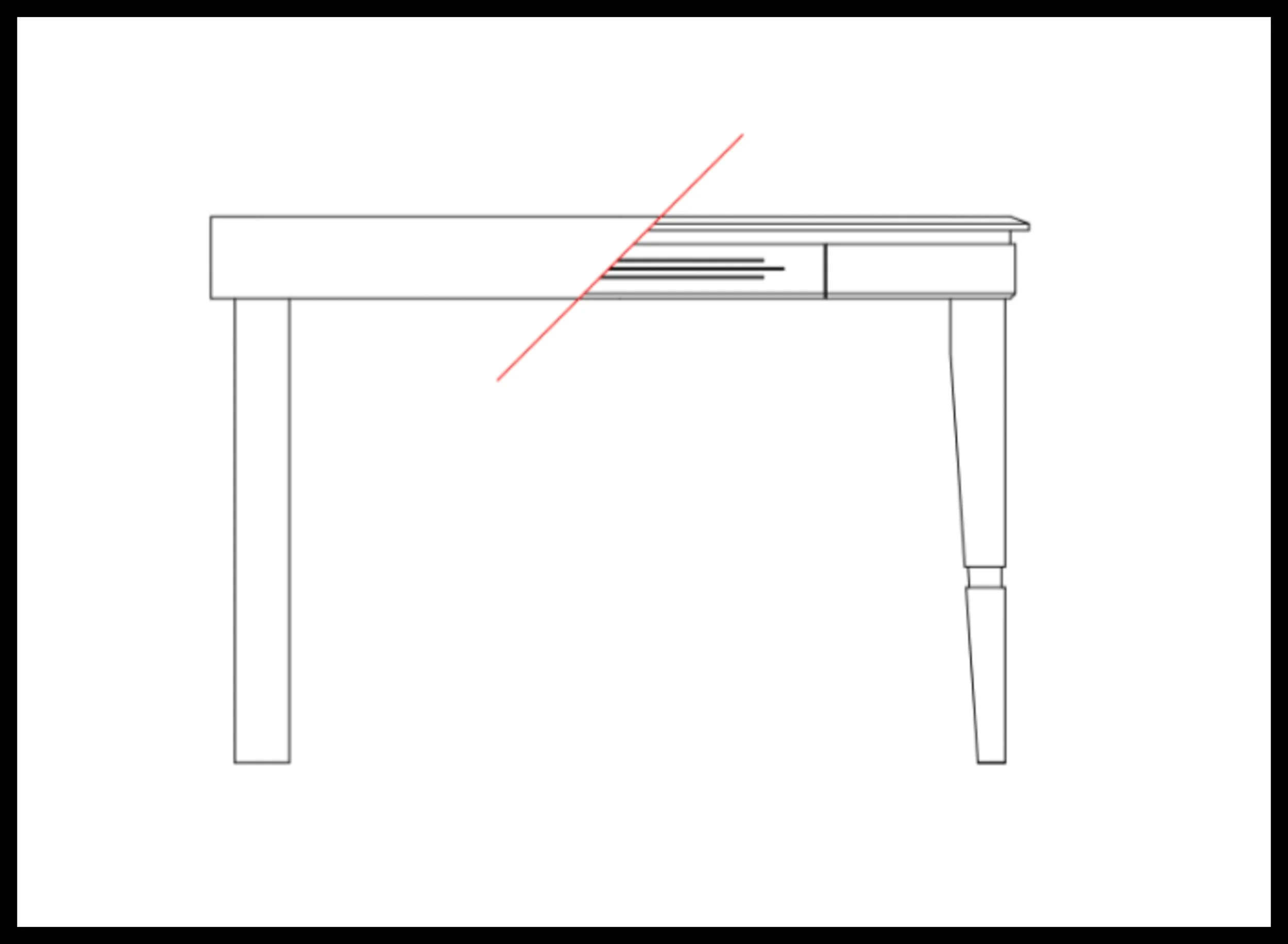
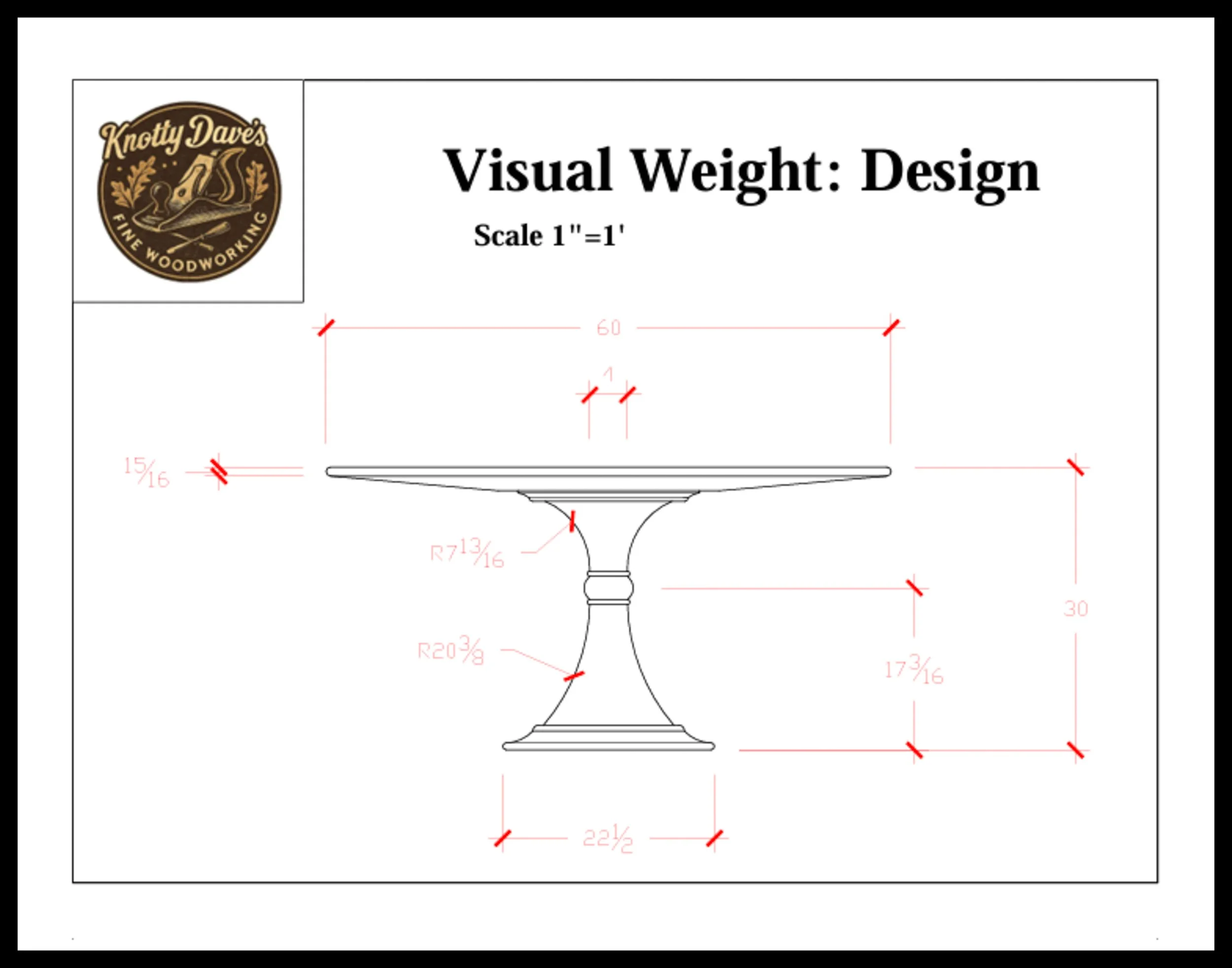
Thickness changes how furniture feels long before it changes how it measures. This story shows how small geometric decisions — shadow lines, proportions, and refined edges — can turn a heavy table into something visually lighter and more intentional.
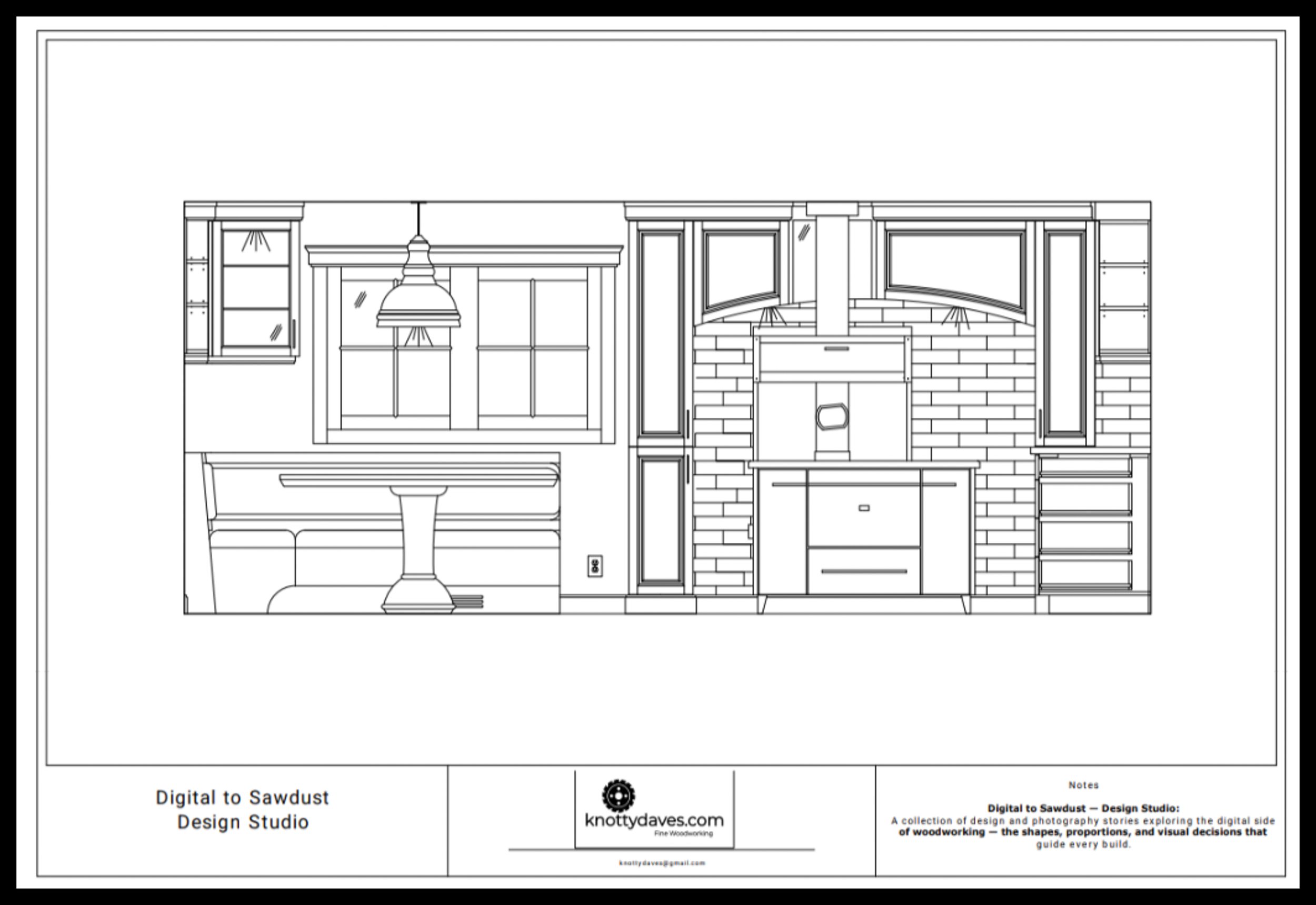
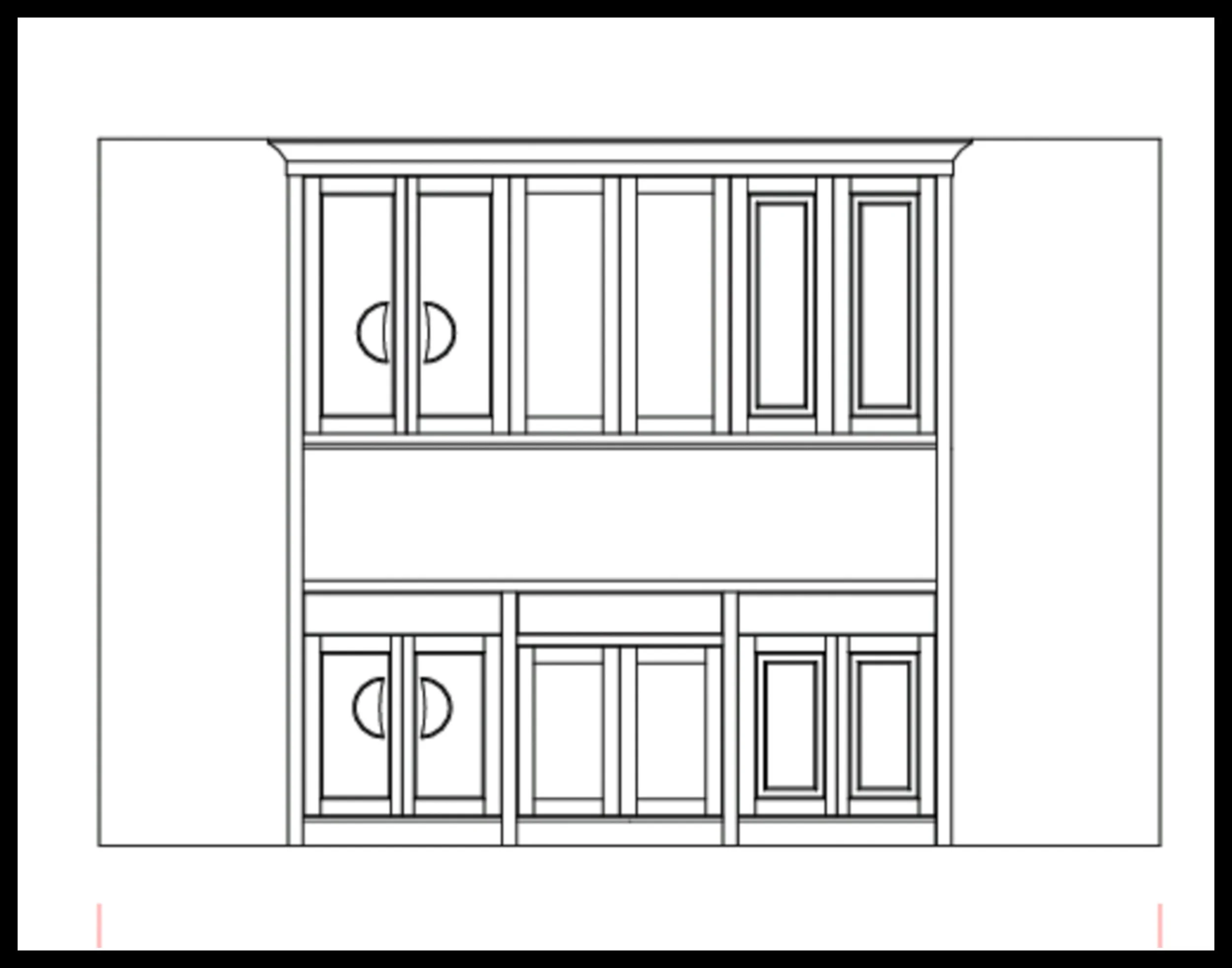
Most of this room is made of rectangles, but the story is about what happens when you break that pattern. A few circles, a few curves, and suddenly the mood shifts — the space feels warmer, more human, more welcoming. This is a look at how small geometric choices can change the way a room feels, and why those choices matter.
Most woodworking mistakes aren’t in the cuts — they’re in the design. If you’ve ever built something that looked right in your head but wrong on the bench, this story explains why. Visual weight, balance, and proportion are skills you can learn, and once you do, every project starts making sense. This is something I wish I’d known years ago.
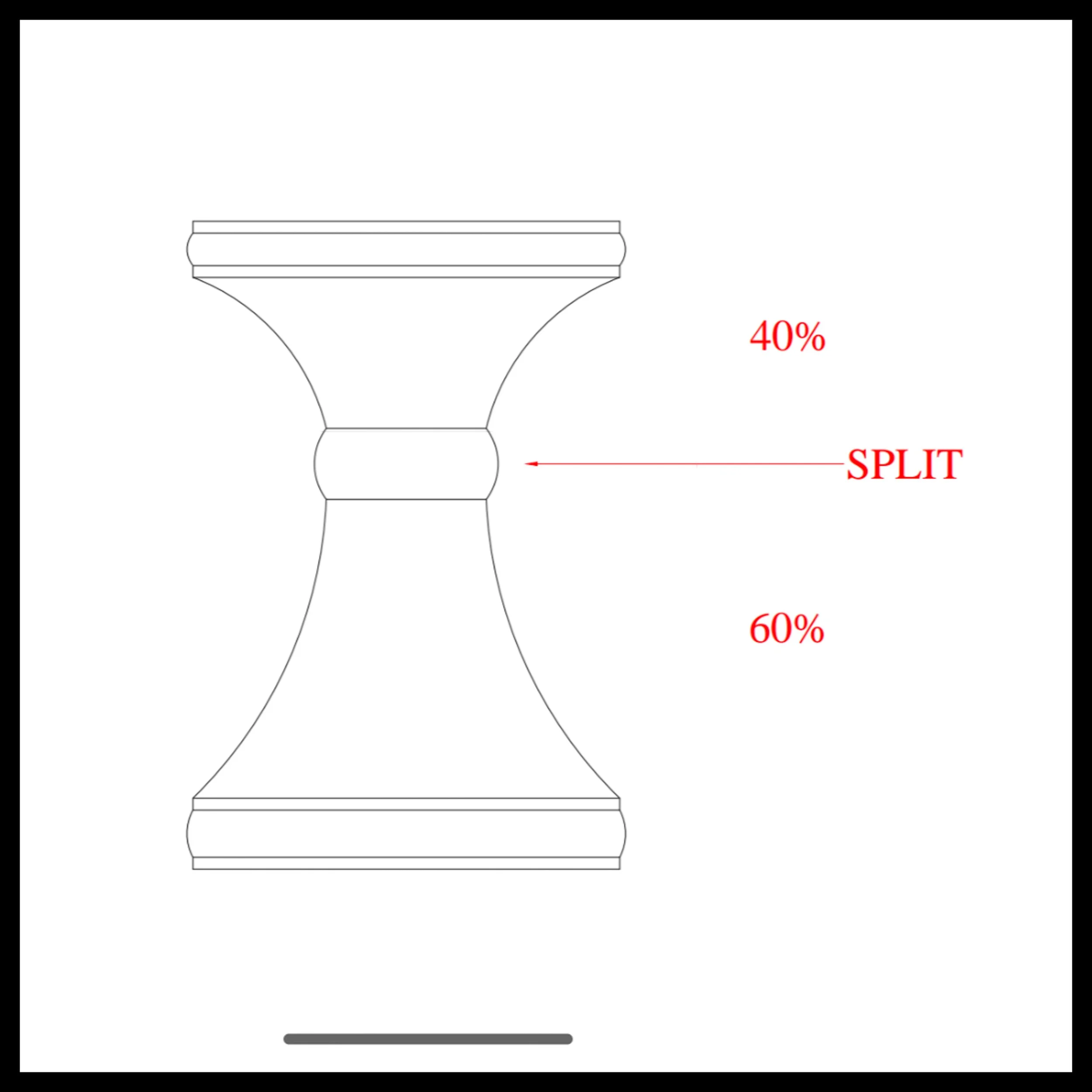
Good woodworking looks right because it’s balanced — and the simplest way to get that balance is the 60/40 rule. This story explains how a single proportion can improve drawer layouts, bowl turning, furniture design, and any build that feels “off.” If you want your work to look intentional instead of accidental, this guideline is the easiest place to start.
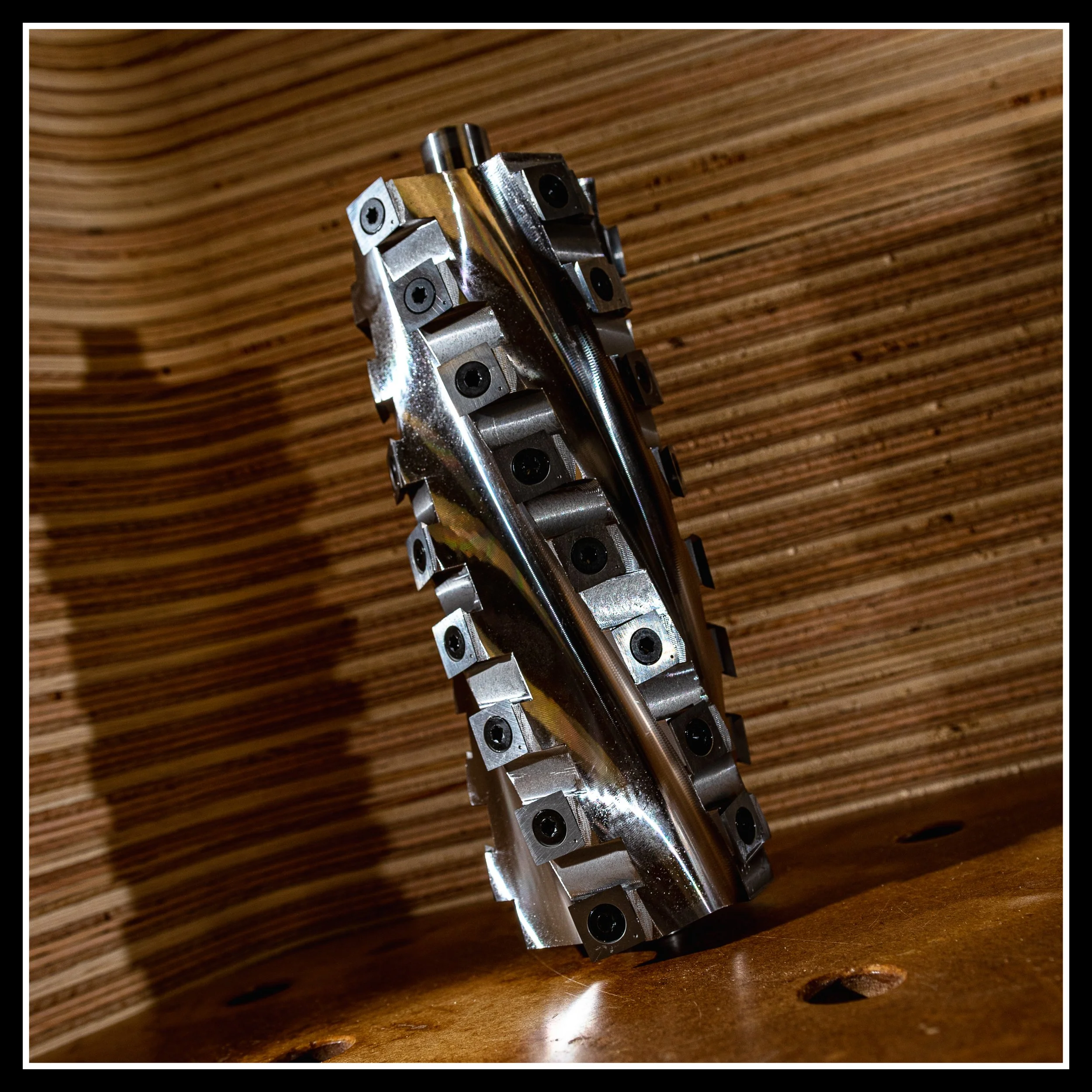
Woodworkers search all the time for how to do photography for woodworkers — how to light a project, how to make grain show up, how to take a simple shop photo that actually looks like the work you built. This Ramble walks through that in real examples: tools, tables, nightstands, and the same kind of shop light every woodworker already has. Controlled flashes, diffused sunlight, shallow depth of field, backlight, silhouettes — all the ways light can reveal the craft. It’s not about the camera. It’s about learning to see.
Photography teaches woodworkers to see craft differently — light, texture, proportion, and story. This Ramble traces how a Grade 11 darkroom shaped the way I see my shop today, and why a camera has become one of the most important tools in my workflow.