The hardwood room
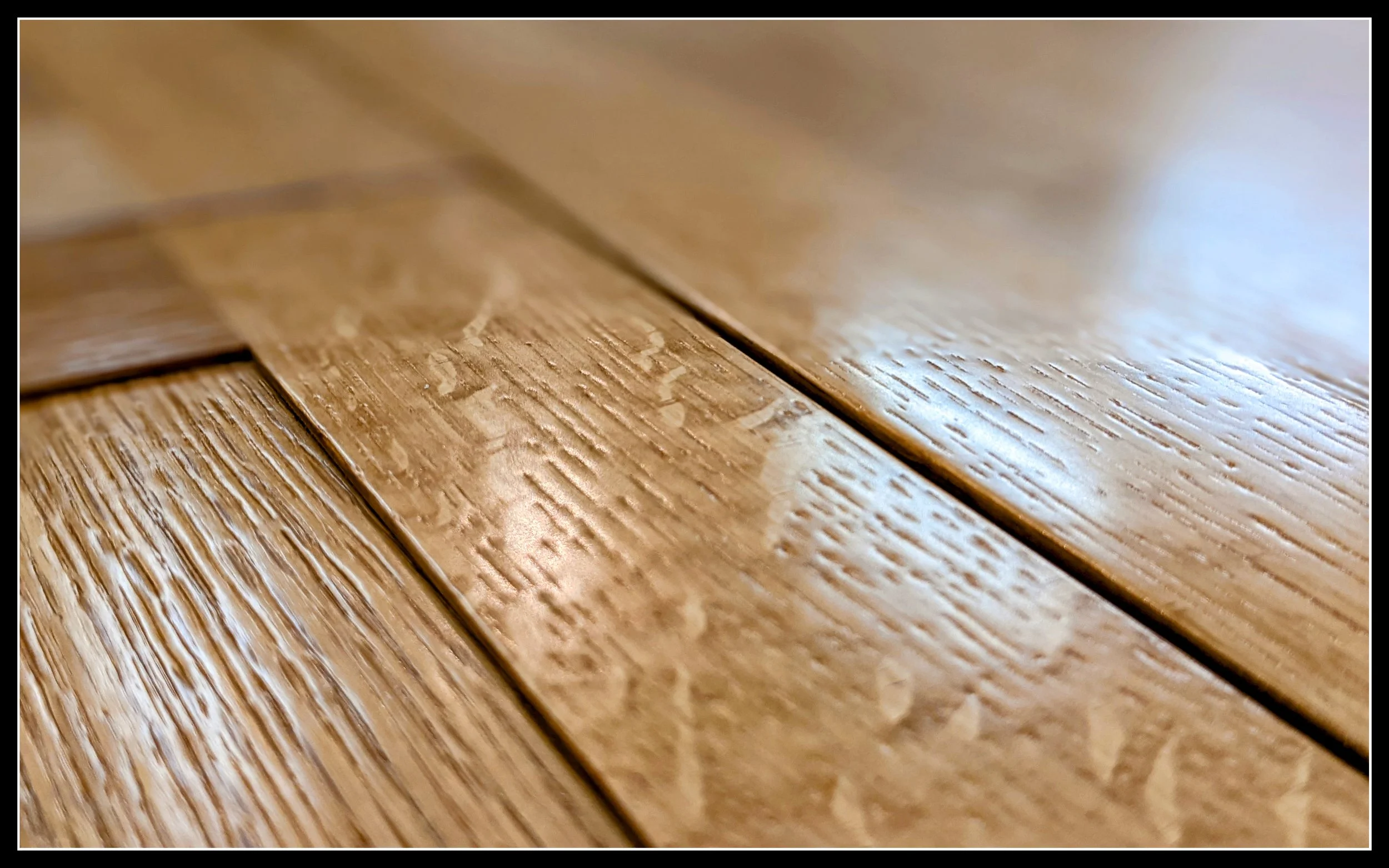
Hardwoods are the broadleaf trees that give furniture, flooring, and fine joinery their strength, weight, and distinctive character. While softwoods also have a long history in furniture and interior work, hardwoods offer a wider range of density, colour, and grain that cabinetmakers rely on for durability and detail. Oak, maple, cherry, walnut, and other hardwood species each carry their own structure and story shaped by climate and growth. This room explores how hardwoods form, how they behave under tools, and what makes each species valuable in the shop. Choose a species to explore its grain, uses, and working qualities.
Hickory is one of the toughest hardwoods in North America — a wood shaped by storms, ice loads, insects, and time. Its strength didn’t start as a shop‑floor truth; it began as a legend built from axe handles, old stories, and the idea of a wood that simply refuses to break. Before I ever touched real hickory, I knew the reputation. This is the story of how that reputation formed, and how the real wood proved every part of it true.
This is the definitive story of American white elm — a foundational look at the tree, the wood, and the century‑long fight to keep it alive. Dutch elm disease erased elm canopies across North America, but Winnipeg protected its trees and preserved one of the last great elm cities. This article traces that history, the loss, the survival, and the rediscovery of elm as a material.
Ash is still healthy in Manitoba. Walk a shelterbelt, or a river trail and you’ll see it — solid trunks, full crowns, and none of the hollowing that’s reshaped forests in other provinces. Green ash still anchors prairie shelterbelts, white ash remains a reliable hardwood in the lumber trade, and black ash continues its long cultural lineage in basketry and traditional craft. The emerald ash borer is here, but the decline is early, quiet enough that most people don’t notice. Manitoba’s ash stands strong for now, but once a species begins to slip — whether it’s the commercial white ash, the cultural black ash, or the everyday green ash — the story widens fast across the prairie landscape.
Poplar is the paint‑grade workhorse of the shop — a fast‑growing pioneer hardwood that’s stable, predictable, and perfect for the quiet jobs behind the scenes. This Ramble explores how poplar grows, why it’s so reliable, and why every woodworker depends on it.
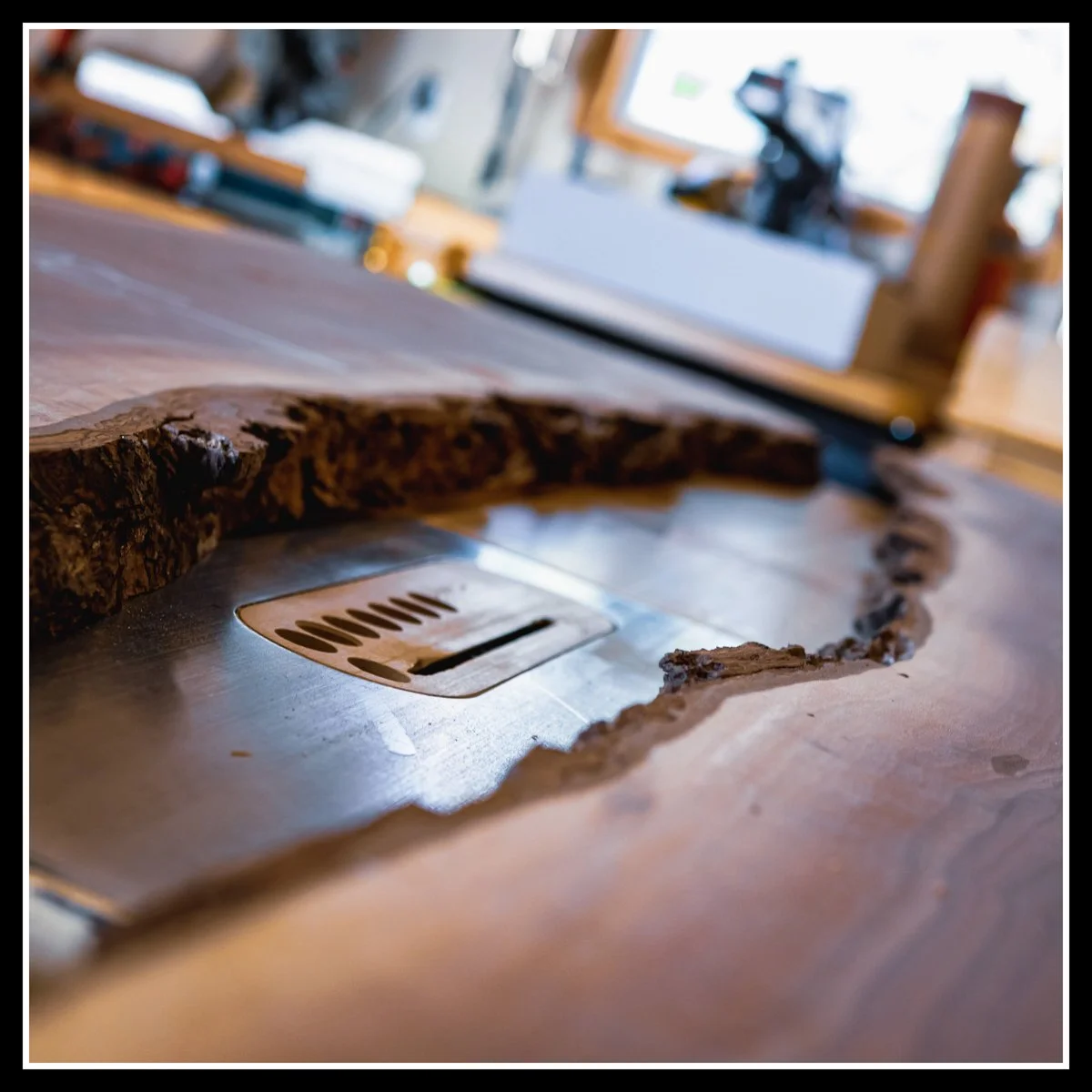
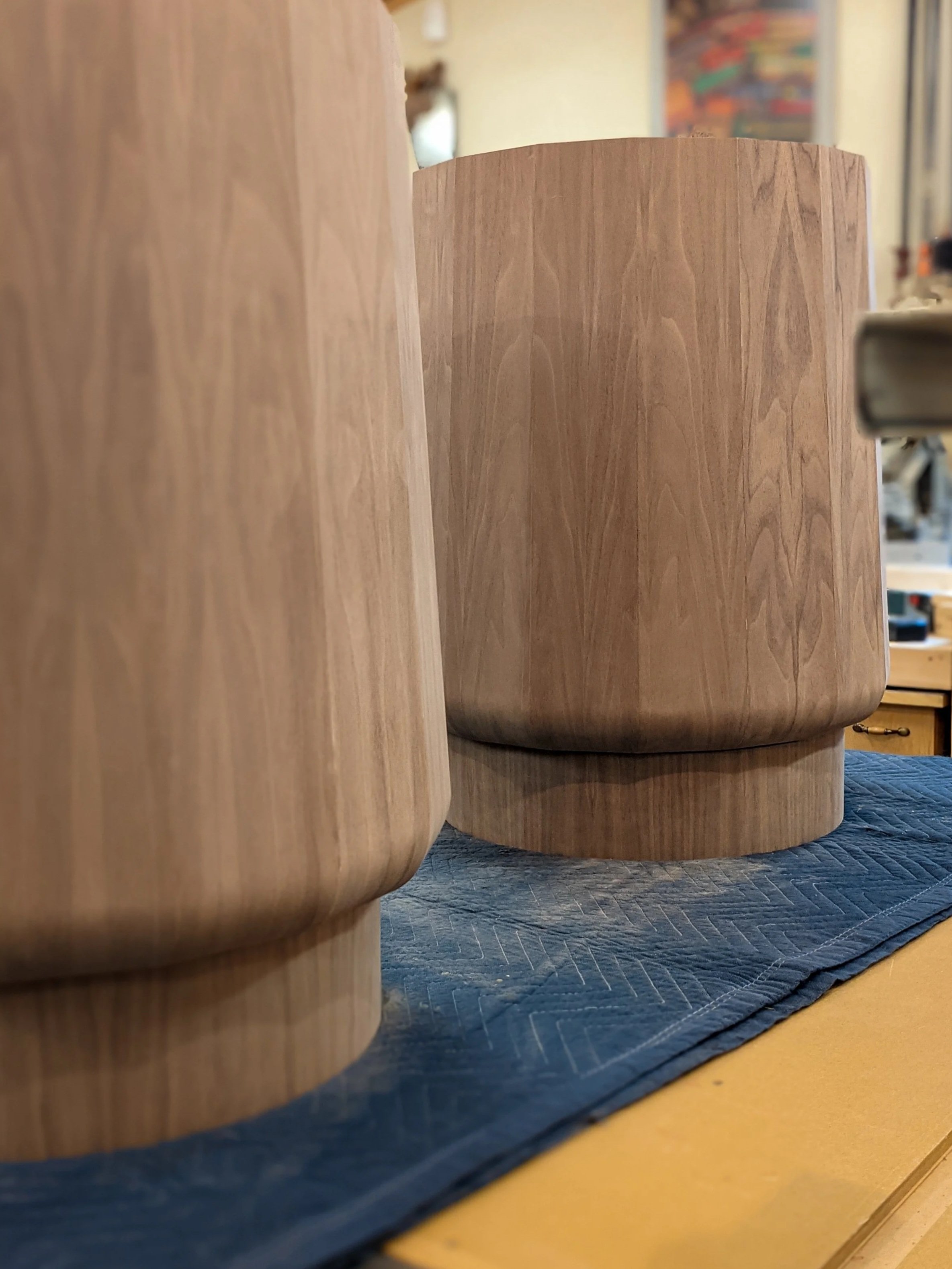
Walnut has a reputation bigger than the tree itself. People treat it like a rare, luxury hardwood, but in the shop it’s just walnut — honest, stable, beautiful, and one of the most enjoyable woods to work with. This Ramble cuts through the hype and looks at black walnut as it really is: the tree, the lumber, the grain, the chemistry, and the truth behind its reputation.
Cherry comes from the Black Cherry tree — a fast‑growing pioneer species with tannin‑rich heartwood, pale sapwood, and a history written in its growth rings. This Ramble explores why cherry blotches, how it ages, and why its warm whiskey colour keeps it one of the most loved hardwoods in the shop.
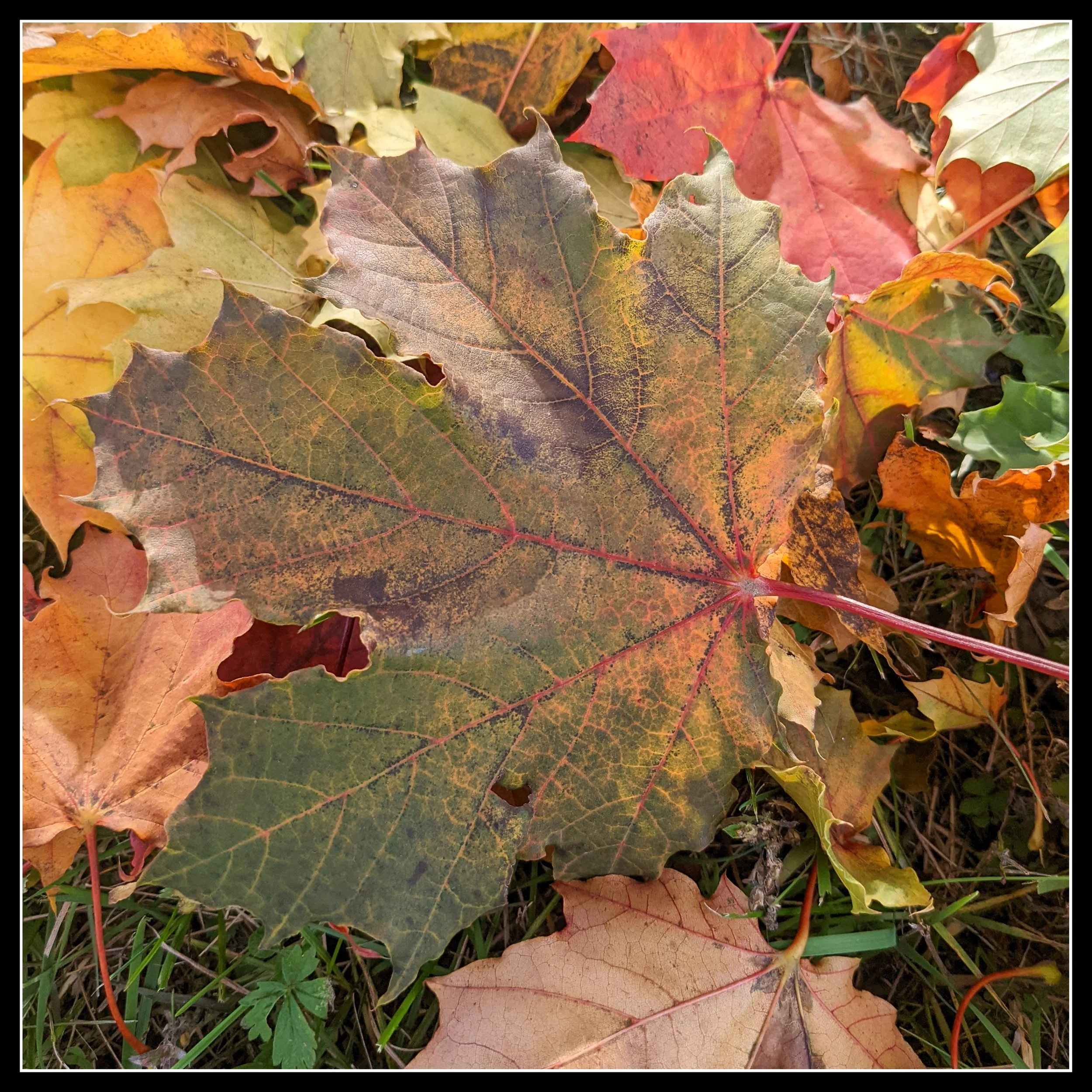
Hard maple comes from the sugar maple — a northern, slow‑grown hardwood shaped by freeze–thaw cycles, tight grain, and dense, closed‑pore anatomy. This Ramble explains why it burns on dull blades, shines under sharp tools, and remains one of the most reliable woods in the shop.
Oak on the Prairies meant different things in different eras — white oak in early 1900s heritage homes, red oak in the builder‑grade kitchens of the 70s–90s. This Ramble explains the real differences between the two oaks, the history behind them, and why each species carries its own story.
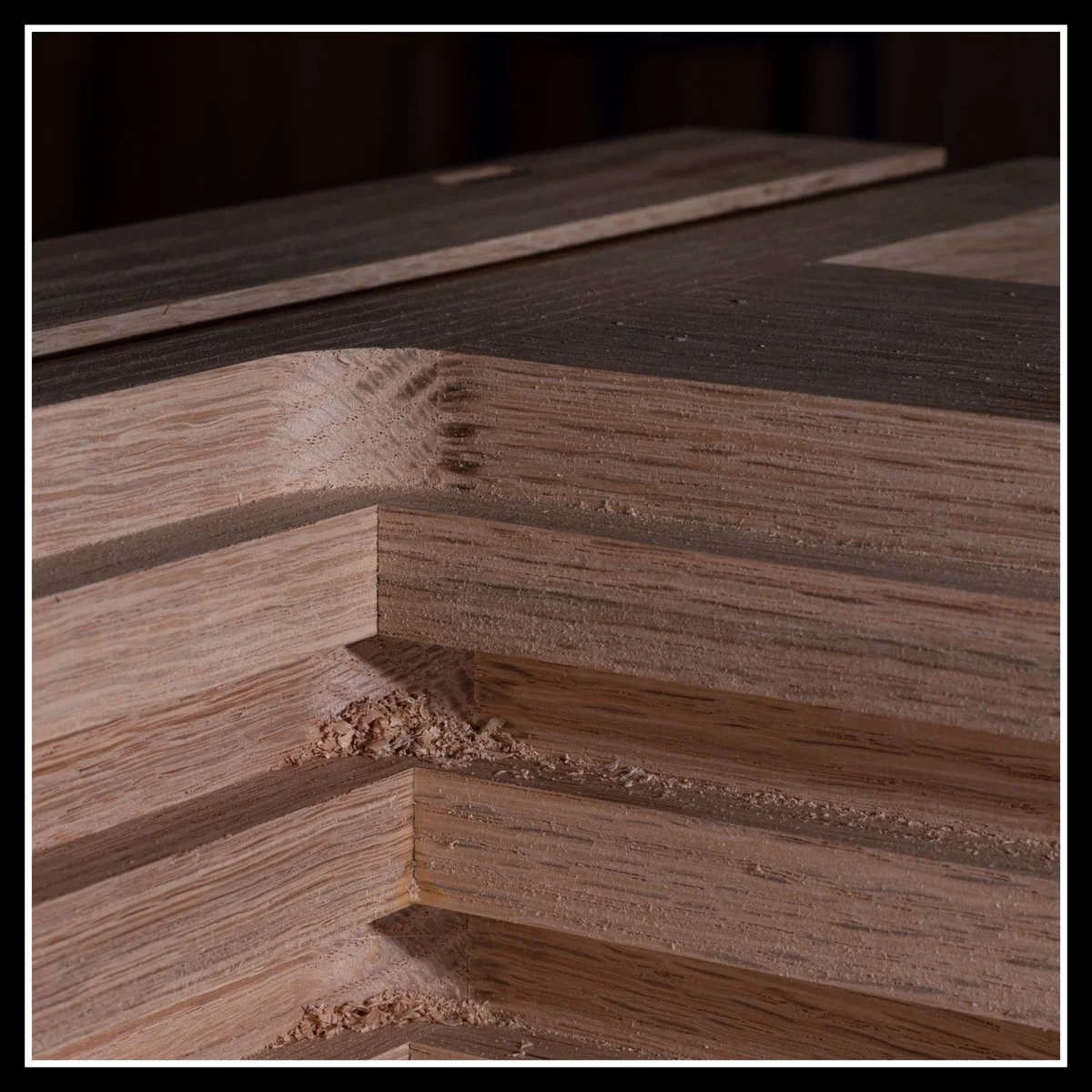
Red oak is open‑pored, fast‑growing, and honest. This story explores how its earlywood–latewood contrast shapes its behaviour in the shop — from tear‑out to finishing — and why it remains the wood so many of us learned on.
White oak is one of North America’s toughest hardwoods — shaped by slow growth, tyloses, tannins, and a history of surviving where other trees fail. Its strength and stability made it the wood generations trusted to last.
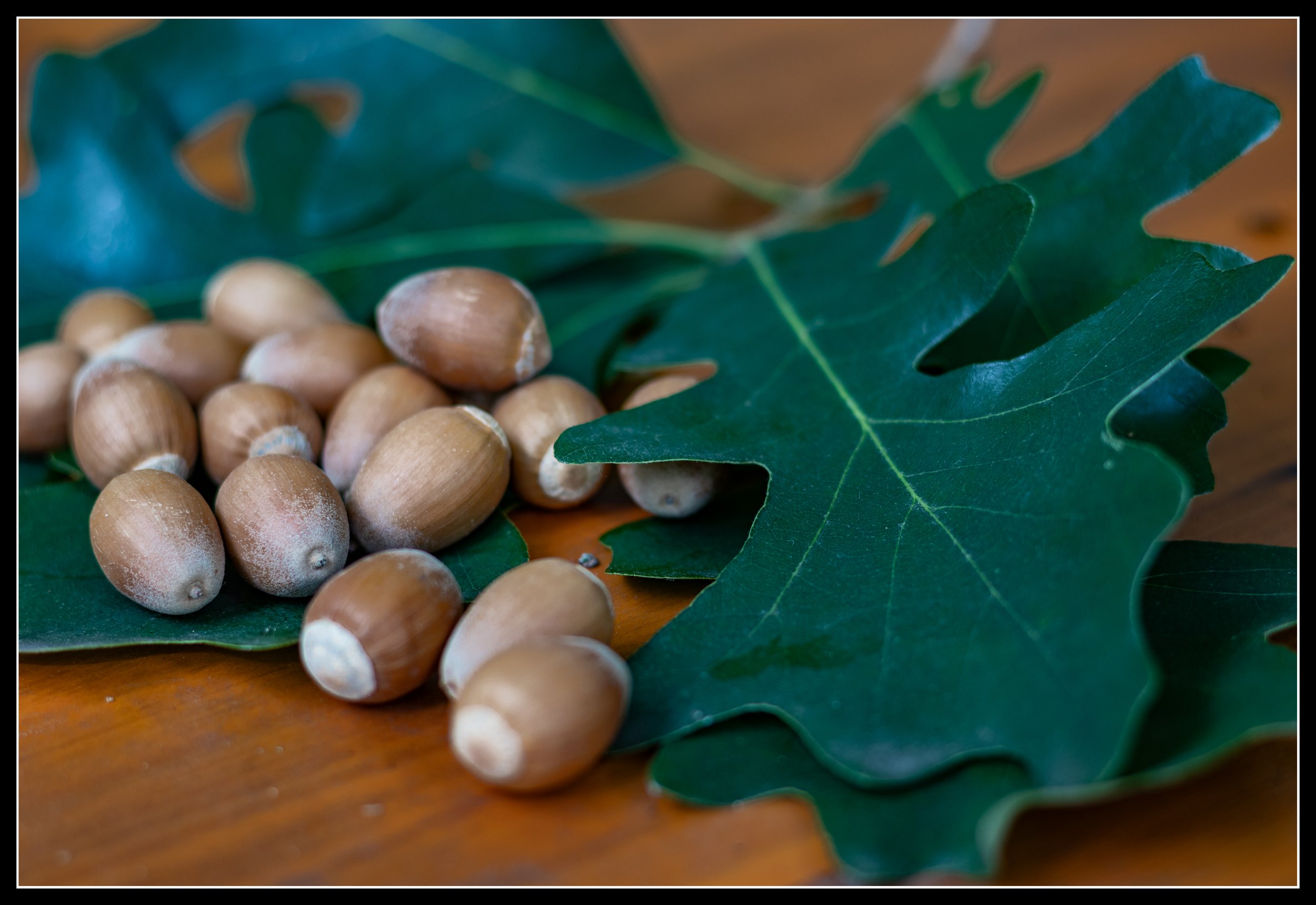
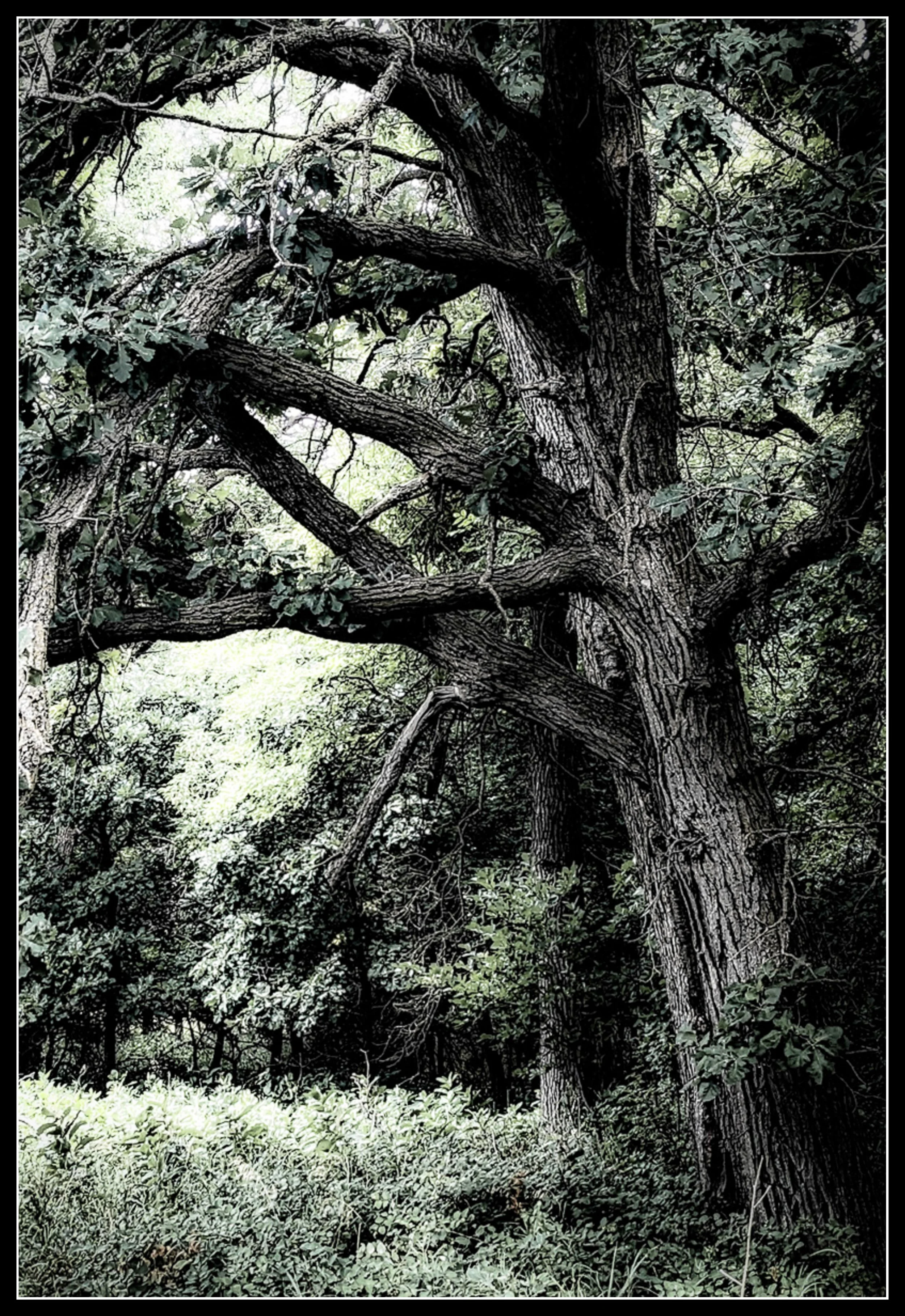
There are trees that grow fast, live fast, and vanish without leaving much behind. And then there are the giants — the ones that shape a land, raise generations, and carry centuries in their bark. This is the story of the bur oak, and the story of the prairie people who grew up under them.