

Woodworking After 50: Why the Shop Matters More Than Ever
Quick Answer — How does woodworking change after fifty?
Woodworking after fifty becomes less about tools and more about patience, problem‑solving, and the comfort of a shop that’s finally your own. It’s the shift from chasing machines to valuing experience, family memories, and the quiet satisfaction of working at your own pace.
Patience becomes the real skill — the craft slows down, and the work gets better because of it.
The shop becomes a refuge — a personal space with no deadlines, no pressure, and no noise from the outside world.
Simple tools matter more — reliability beats novelty; the quiet tools stay with you.
Family memories shape the work — grandkids, old shops, and the smell of Douglas fir become part of the craft.
Experience replaces chasing machines — decades of problem‑solving guide every cut, layout, and workflow.
A personal workspace becomes the most meaningful tool — the shop itself becomes the foundation for everything that follows.
Woodworking — A Craft That Changes With You
Woodworking After 50: Why the Shop Matters More Than Ever reflects on how the craft shifts with age — from chasing tools to valuing patience, problem‑solving, and the quiet comfort of a shop that’s truly yours. It touches on family shops, the smell of Douglas fir, sharing simple builds with grandkids, and the joy of working with good wood. It also sets up what’s coming next: honest talk about tools, experience, and the lessons learned over a lifetime in the shop.
BY THE END OF THIS STORY
You’ll understand how woodworking changes after fifty — why the shop becomes a refuge instead of a race, why simple tools matter more than new machines, how family memories shape the craft, and why a personal workspace becomes the most meaningful tool you own.
Read time: 4 minutes
Fast Summary
A reflective look at how woodworking evolves after fifty — from the early years of learning through mistakes to the later years of patience, personal shops, family memories, and the deeper meaning the craft takes on with age.
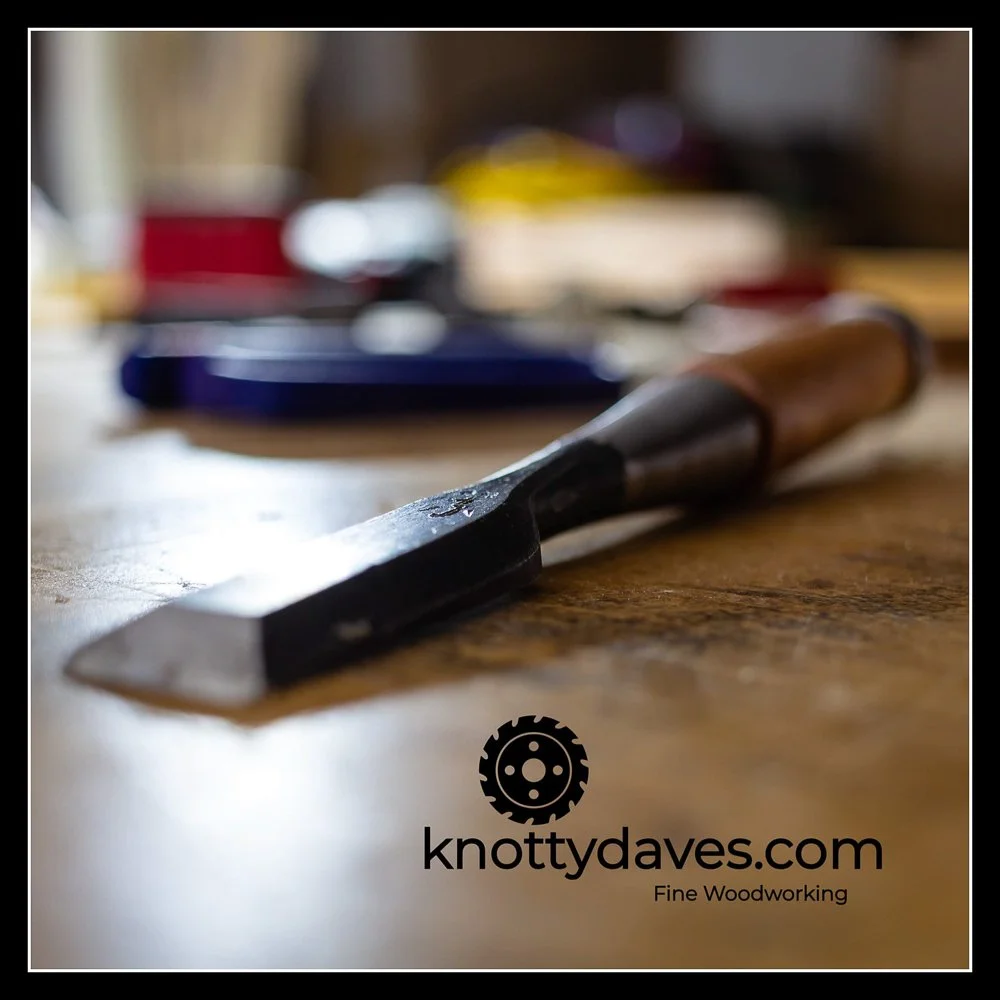
The Quiet Tools That Stay With You
After fifty, the shop feels different. The excitement isn’t in chasing new machines — it’s in the quiet reliability of tools like this chisel. A simple edge, a wooden handle, and the kind of balance that only comes from years of use. These are the tools that teach patience, reward good habits, and remind you that woodworking isn’t about speed. It’s about slowing down, paying attention, and enjoying the work in front of you.
The Early Years — Learning Through Mistakes
I’ve been woodworking for a long time now. Long enough to remember when it was just a pastime — something I did after work because I enjoyed the challenge. It was the problem‑solving that pulled me into the shop each night. I’d think about a joinery issue or layout problem all day, and when evening came, I’d head into the shop and put the idea to the test.
Sometimes it worked.
Sometimes it didn’t.
But every time, I learned something.
Why the Shop Matters More After Fifty
Woodworking taught me patience long before life did.
Don’t skip steps.
Don’t say “good enough” when you know it isn’t.
Don’t rush the order of operations.
Every time I ignored those rules, I paid for it — not with injury, but with frustration. And somewhere along the way, I realized something important: my time is too valuable to waste being frustrated in the shop.
That’s the real heart of woodworking as a hobby, especially for those of us past fifty. It isn’t about the tools or the big builds. It’s about having a shop that’s yours. Not your employer’s. Not a borrowed garage. A space you set up the way you want it. Your dust, your ideas, your pace.
No deadlines.
No pressure.
Just the quiet satisfaction of working through a problem with your hands and your head.
Grandkids in the Shop — Making Memories That Last
If you’re a grandparent, the shop becomes something even better. When a grandkid is over and you’re tired of watching them scroll TikTok all afternoon, you can pull them into the shop and make something simple — a birdhouse, a whirligig, garden stakes for the tomatoes. For a kid, a shop is a wonderland. And those moments stick.
I still remember the smell of Douglas fir in my grandpa’s shop.
That memory has stayed with me my whole life.
For a kid, a pile of sawdust and the smell of a woodshop become core memories. Grandpa is long gone, but he’s still with me in spirit every time I catch that scent.
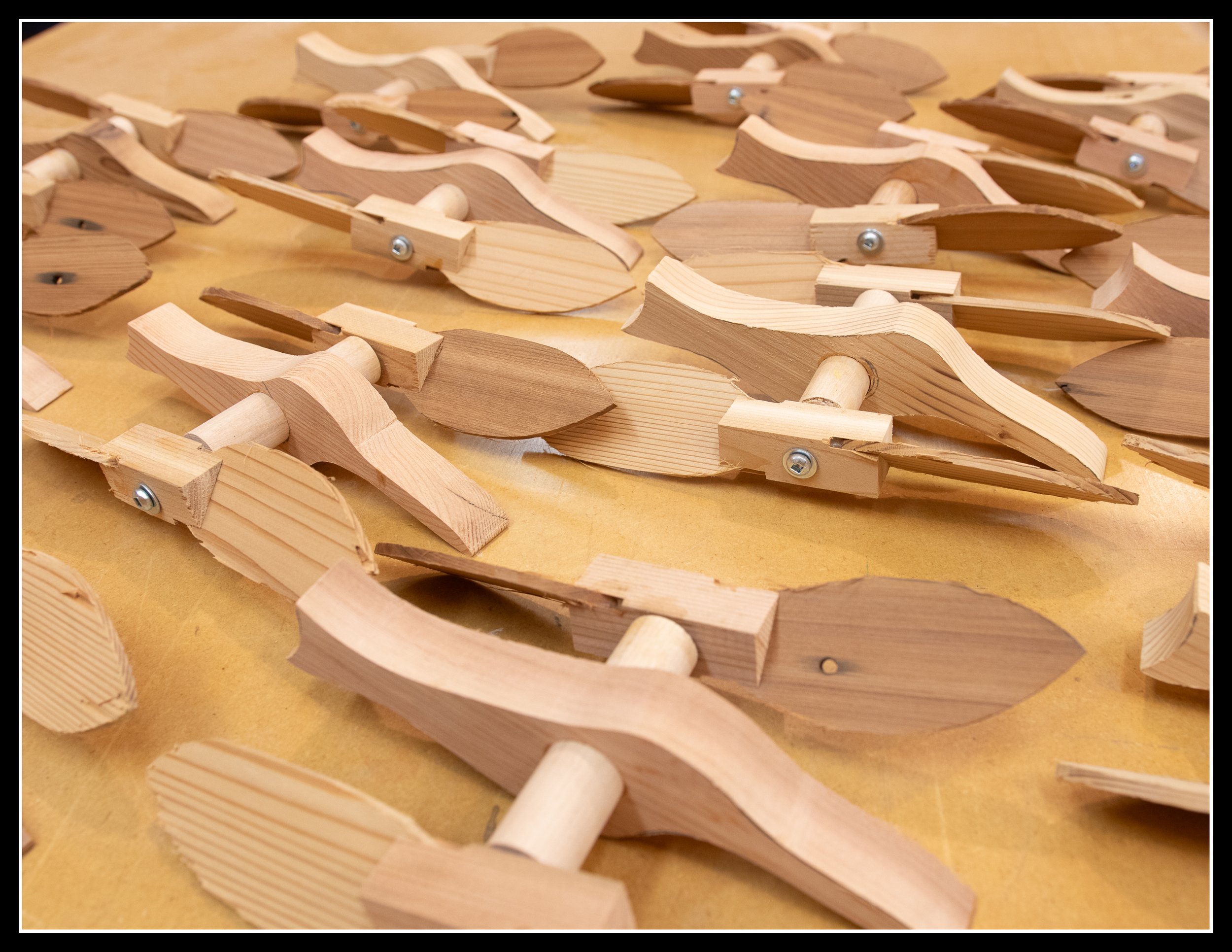
A Simple Cedar Project Kids Never Forget
Years ago, one winter Saturday, I had all my nieces and nephews in the shop making cedar whirlybirds. We set it up like an assembly line — little workstations for each step, parents helping, kids laughing, everyone covered in sawdust. Every child left with a whirlybird they built themselves. They’re all grown now, but I still hear about that day. It’s the kind of memory a shop gives you when you’re older — simple projects, shared time, and moments that stay with a family long after the tools are put away.
Tools Change, But Wood Stays Magic
People new to woodworking often get hung up on tools. I did too — and that’s a fun phase. Tools matter. We can’t do much without them. But now that I’m older, tools rarely get me excited anymore. These days, the biggest buzz comes when I pick up a load of wood — oak, elm, walnut, even spruce. That’s the magic. Sorting the boards, stacking them, imagining what they’ll become. Wood is the finest thing you can bring into a shop.
A Lifetime of Tools — And What They Teach You
But yes — I’ve got a lifetime of tools behind me. Tools I’ve never used. Tools I’d like to throw out. Tools that were fine twenty years ago but now rattle, bind, or fight me. Tools are consumable. And after decades of working at a professional level, I don’t have patience for tools that can’t keep up with the work I produce.
But tools are expensive, and the risk is always the same: what if I hate the new one?
I’ve worked with so many tools — from Red River College to cabinet shops around town, to my own shop, to the family shops I grew up in. Grandpa’s. My dad’s. I’ve seen enough to know what to expect.
There are too many tools out there to cover in one article.
But I’ll write about them — what works, what frustrates, what’s worth your time.
This Ramble is just the opening act.
The next part is coming.
Just watch for it in the Rambles.
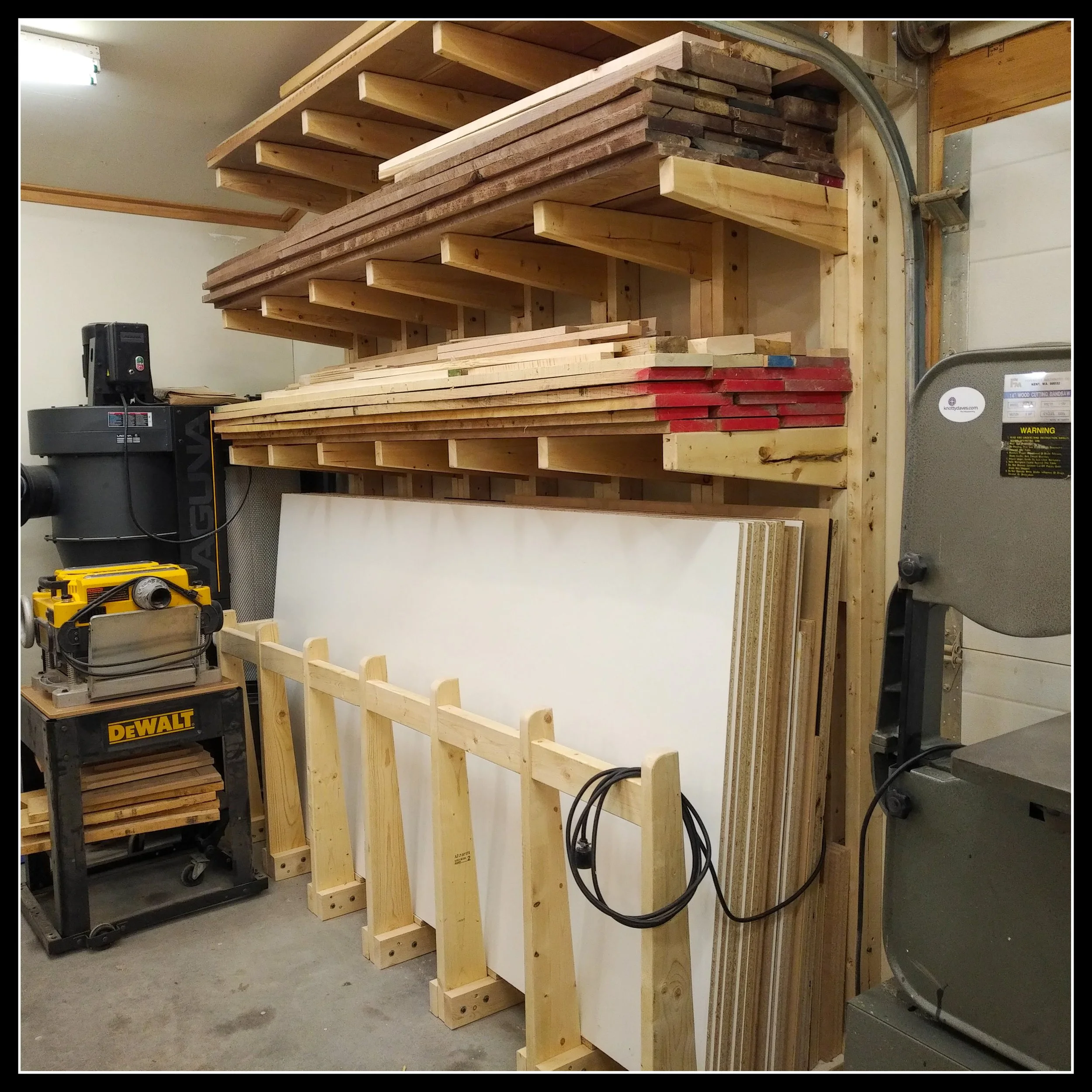
A Shop Built for the Way I Work Now
This lumber and sheet‑good rack is something I designed to fit a small space — my space, my shop. After fifty, the real satisfaction isn’t in chasing new tools; it’s in shaping a workspace that works with you instead of against you. Good wood on the shelves, sheet goods stored clean and accessible, machines placed exactly where they need to be. A shop becomes personal at this age. It’s not about impressing anyone. It’s about having a place that feels right every time you walk in — and being able to change and redesign any part of it as you change too.
Together, gathered in one place so the machine stories, tool reflections, and workflow moments stay connected — easy to find and easy to return to.
Share
The Working Side of the Craft — Connected Through Machines, Tools & Stories
If you want the stories shaped by table saws, bandsaws, grinders, fences, and jigs — the honest, noisy side of woodworking — the Working Side Of The Craft is one click away.
If you’d like to hear from me only when something big is happening — a launch, a milestone, or a major project — you can join the mailing list below.
Written by David Flather, Red Seal cabinetmaker and founder of Knotty Dave’s Fine Woodworking — a Manitoba shop rooted in heritage restoration, storytelling, and real craft.
All photos shot by David Flather — in the shop, on the road, and in the places where craft and story meet.
Related Stories:
The World Runs on Pencils — Woodworking, Shop Life, and the Tool Everyone Loses
Shop Life — The Humour, Frustration, and Timing of a Working Day
Shop Projects — Jigs, Fixes, and the Quiet Work Behind Real Woodworking
The Workshop Library
If you enjoyed this story, there’s lots more like it inside The Workshop Library — and it’s free to explore.
Wood Archive — species, grain, working properties, and real‑world craft notes
Behind the Grain — the deeper stories inside wood, craft, and heritage
The Working Side of the Craft — tools, shop life, workflow, and the realities of making
Digital to Sawdust — Design Studio — geometry, proportion, visual flow, and design thinking
The Stories of the Shop — the personal side of craft, the shop’s history, and the quiet moments that shape the work
House & Hearth — heritage home restoration, the hearth room, winter culture, and the lived‑in side of craft
I’m just one man with a shop, building this archive one story at a time. If you’d like to follow the journey as it unfolds, explore The Workshop Library — new stories every week.
