

Cedar
Quick Answer: What makes cedar so rot‑resistant?
Cedar is a softwood built for rain‑soaked forests — light, aromatic, and naturally rot‑resistant. Its oils protect the wood from fungi and insects, and its airy, low‑density structure lets oxygen move through the fibres, preventing decay in wet environments. That’s why cedar lasts outdoors, smells incredible, and behaves differently from every hardwood in the shop.
Soft, aromatic wood
Naturally rot‑resistant
Light, airy structure
Outdoor‑ready
Western Red Cedar
Eastern White Cedar
Cedar — A Wood Shaped by Rain and Time
Cedar is the wood that remembers — summer weather, old chairs, the first days in the shop. It’s soft, warm, and aromatic in a way no other wood is, forgiving in the cut and honest in the way it shows every mark. Cedar doesn’t demand perfection; it invites you in. This story looks at why cedar behaves the way it does, how it evolved to survive in rain‑soaked forests, and why its scent carries memory like nothing else in the shop.
By the end of this story
You’ll understand how cedar’s structure, scent, and deep‑time evolution shape the way it works in your hands — and why it behaves differently from every other wood you use in the shop.
Read time: 6 minutes
Cedar vs Other Softwoods — Quick Comparison
Cedar — soft, aromatic, rot‑resistant
Pine — soft, not rot‑resistant
Spruce — stronger, less durable outdoors
Fir — stable, harder
Cedar — Fast Summary
Cedar is a soft, aromatic, naturally rot‑resistant softwood shaped by millions of years of rain‑soaked evolution. Its oils protect it from fungi and insects, and its airy, low‑density structure keeps oxygen moving through the wood, letting it survive where other species decay. In the shop, cedar is light, forgiving, and full of scent — easy to shape, honest in the marks it shows, and capable of carrying texture, stain, glaze, and even fire‑based finishes with surprising depth. Outdoors it endures; indoors it glows. Cedar behaves exactly the way its deep‑time biology designed it to.
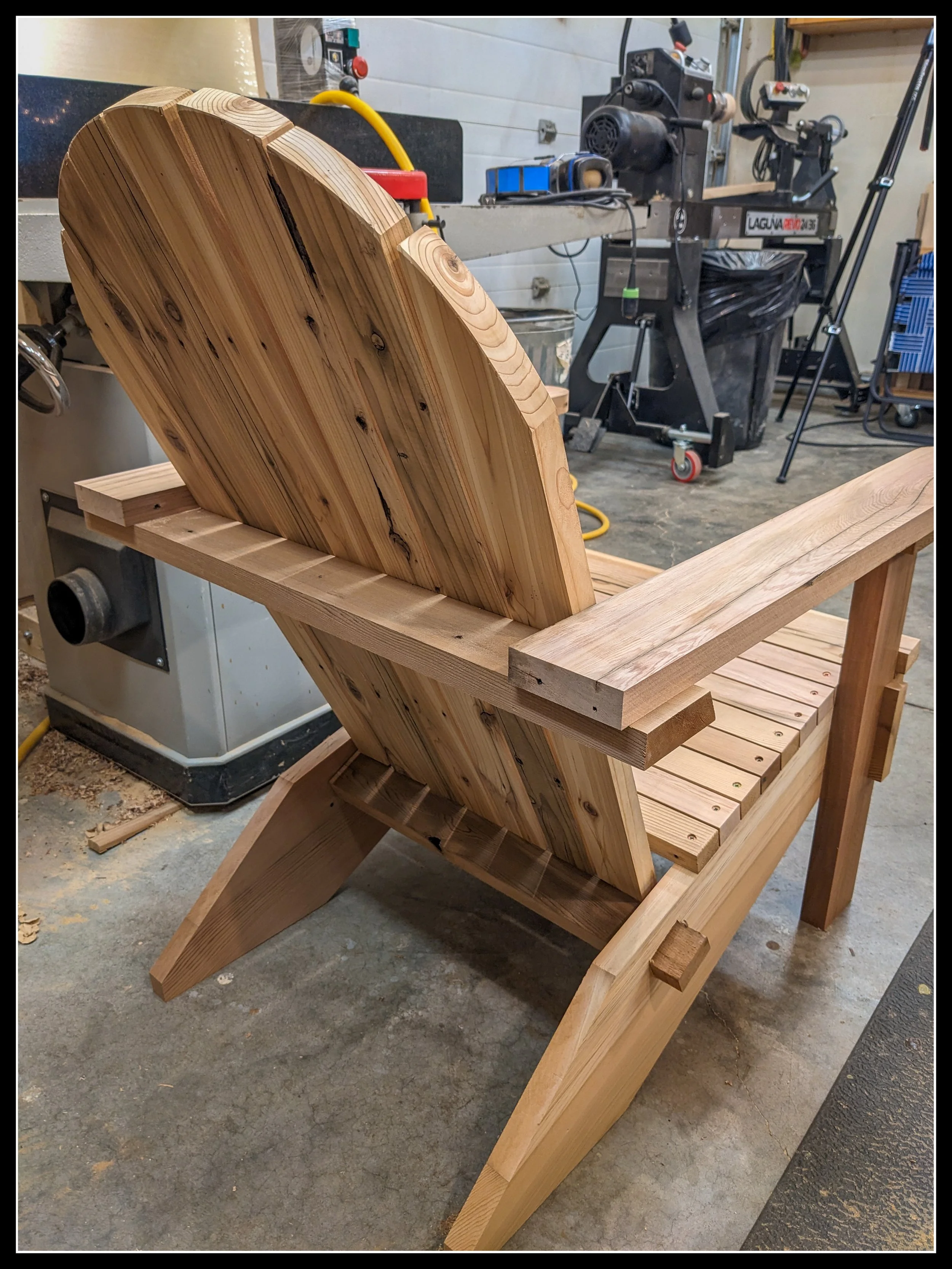
Where Cedar Begins
Cedar carries its history in every board — the lightness, the knots, the scent that rises the moment a tool touches it. Standing here in the shop, this piece of cedar feels like a link between deep time and everyday work. The same oils that protected it in rain‑soaked forests now rise into the air as I shape it, filling the shop with that sharp, sweet aroma that never leaves your clothes. Even unfinished, cedar has a presence: soft under the hand, forgiving in the cut, and honest in the way it shows every mark. It’s a reminder that some woods don’t just build things — they bring their whole story with them.
Working With Cedar — Soft, Forgiving, and Full of Scent
Of all the woods I’ve worked with—maple, oak, walnut, cherry—nothing is like cedar. Nothing is as warm, as soft, or as aromatic. Cedar is light, full of knots and splits, and its sawdust clings to me more than any other wood. It dents and scratches easily. And yet, despite all its flaws, I really like working with it.
Cedar doesn’t demand the perfection that maple or walnut insist on. It’s an outdoor, summer wood—built for gatherings, good times, and weather that comes and goes. It sits outside in rain and sun without complaint, and year after year it still looks good. Wash it off now and then and it’s ready for another season.
Cedar is a softwood—light, airy, and naturally rot resistant. That’s why it’s the go‑to for outdoor furniture, decks, and anything that needs to survive the elements. It takes stain well and lasts for years. I wrote a story about its longevity called Old Cedar. Every wood has a personality, a way of behaving. Cedar’s behaviour goes back a long way, and to understand it, you have to step into deep time.
Cedar in Deep Time — How Rot Shaped the Tree
Two hundred million years ago, the world was dominated by trees that looked like modern spruce and pine. These needle trees thrived in dry, windy places with thin soils. I wrote about this in Hardwood vs Softwood—how needle trees were built for drought and exposure, but struggled in wet soils and rainy climates. Those wetter lands were open territory.
Cedar evolved later—around 70 to 50 million years ago—as a tree specialized for wet, boggy, rain‑soaked environments. And the biggest problem in those places wasn’t wind or drought. It was rot. Wet ground promotes insects, fungi, moss, and mold. Cedar survived by developing chemical defences. That sharp, sweet aroma you smell when you cut cedar—that’s the tree’s antifungal armour. Those oils run through the wood, protecting it from decay.
But chemistry alone wasn’t enough. Cedar also needed wood that could survive in wet, low‑oxygen soils. Dense wood rots fast in those conditions, so cedar evolved thin cell walls and big air‑filled spaces to let oxygen move through the wood. That’s why cedar is so light. Once that combination evolved—rot‑resistant oils and low‑density, airy wood—cedars spread into the wet, shaded environments that suited them.
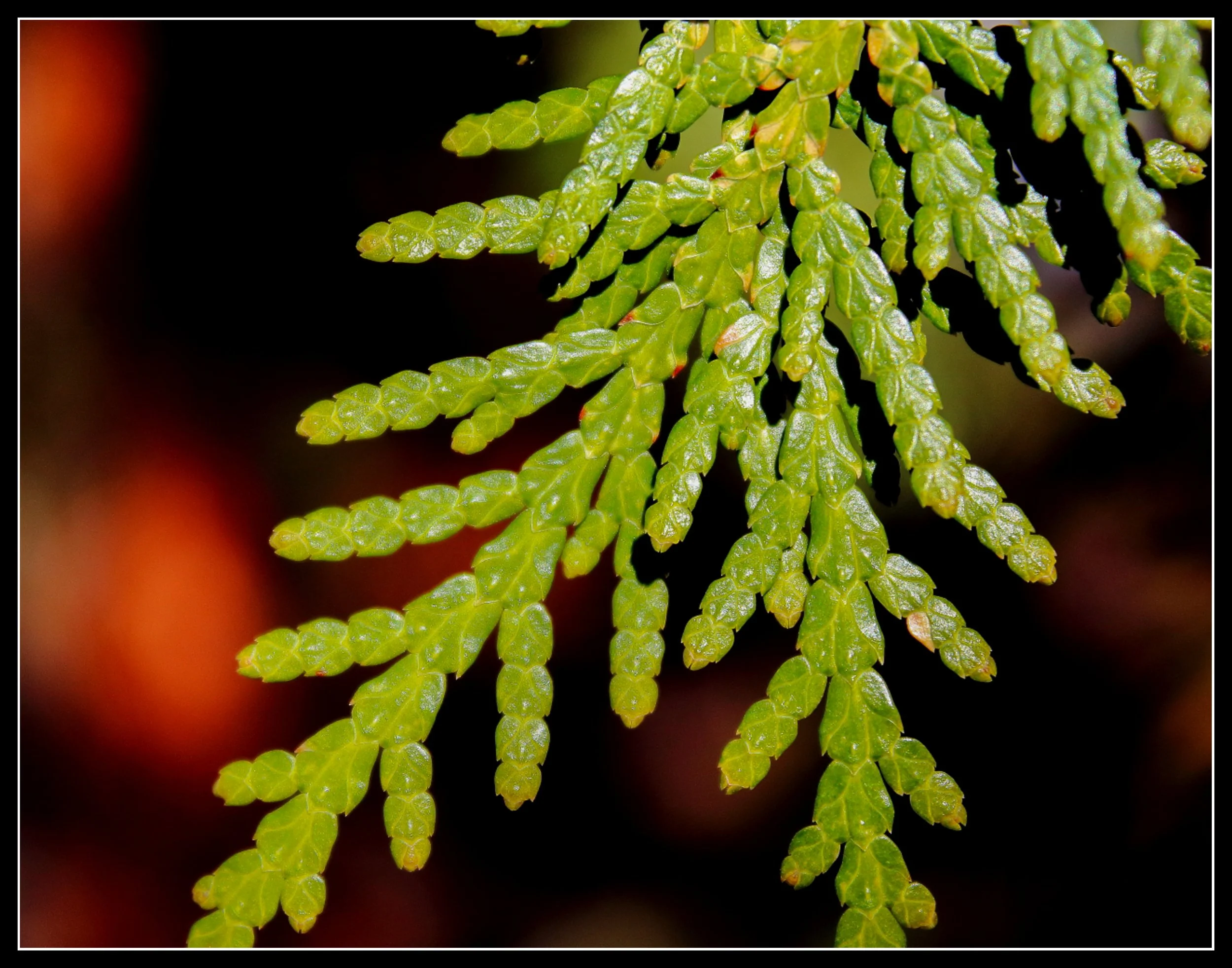
Cedar: The Wood That Remembers
Cedar has a way of holding on to things — moisture, scent, memory. Its leaves are built like scales, layered and tight, shaped by millions of years of rain‑soaked evolution. When you look closely at a cedar branch, you can see the architecture of survival: thin cells, airy spaces, oils that keep rot at bay. That same structure shows up in the boards we work with today, light in the hand and rich in aroma. Cedar doesn’t just grow; it endures. And every piece carries the quiet history of the forests it came from.
Cedar Across North America — From the Prairies to Both Coasts
In some regions with constant rain and fierce competition for light, cedar grew tall. Very tall. Western Red Cedar, the one we buy from BC, can reach incredible heights and massive trunk diameters. Light wood makes that possible—it’s easier to grow upward when you’re not carrying your own weight like a burden.
And if you’ve ever wondered about their leaves, cedar doesn’t have needles like pine or spruce because it didn’t evolve in dry, windy places. Its scale‑like leaves are built for moisture retention and low‑light forest floors. Cedars are shade tolerant, but they do well in medium light and full sun too, depending on the species. Eastern White Cedar from Manitoba to the east coast. And Western Red Cedar from BC can handle almost any light conditions.
Cedar Longevity — Trees That Outlive Generations
Cedar also lives a long time — far longer than most people realize. Western Red Cedar from BC can live well over a thousand years, with some old‑growth giants passing the 1,500‑year mark. Eastern White Cedar is smaller, but it’s just as tough, often reaching 200 to 400 years in the wild. Because they grow slowly and resist rot so well, cedars aren’t harvested young. Eastern White Cedar is usually cut around 60 to 100 years, depending on size and site conditions, while Western Red Cedar is often harvested anywhere from 80 to 120 years, sometimes older in managed forests. Their longevity — especially in old‑growth stands — is part of what makes cedar feel timeless. The boards we work with today started growing long before we were born.
Cedars are incredible trees that make incredible wood—soft, aromatic, forgiving, and shaped by millions of years of adaptation to places where most trees simply can’t survive. That’s why cedar behaves the way it does in the shop—and why it deserves a room of its own.
Cedar Memory — The First Wood I Learned On
Cedar was the first wood I learned on, long before I could drive, and its smell still takes me back in an instant. It lingers on my clothes, in my hair, in the shop air long after the tools stop. A cedar chair feels honest and alive, and people sense it without knowing why. I’ve got chairs that have weathered twenty summers, and I set them out again this year. That simple act—lifting cedar into the sun—always feels like the moment winter finally lets go.
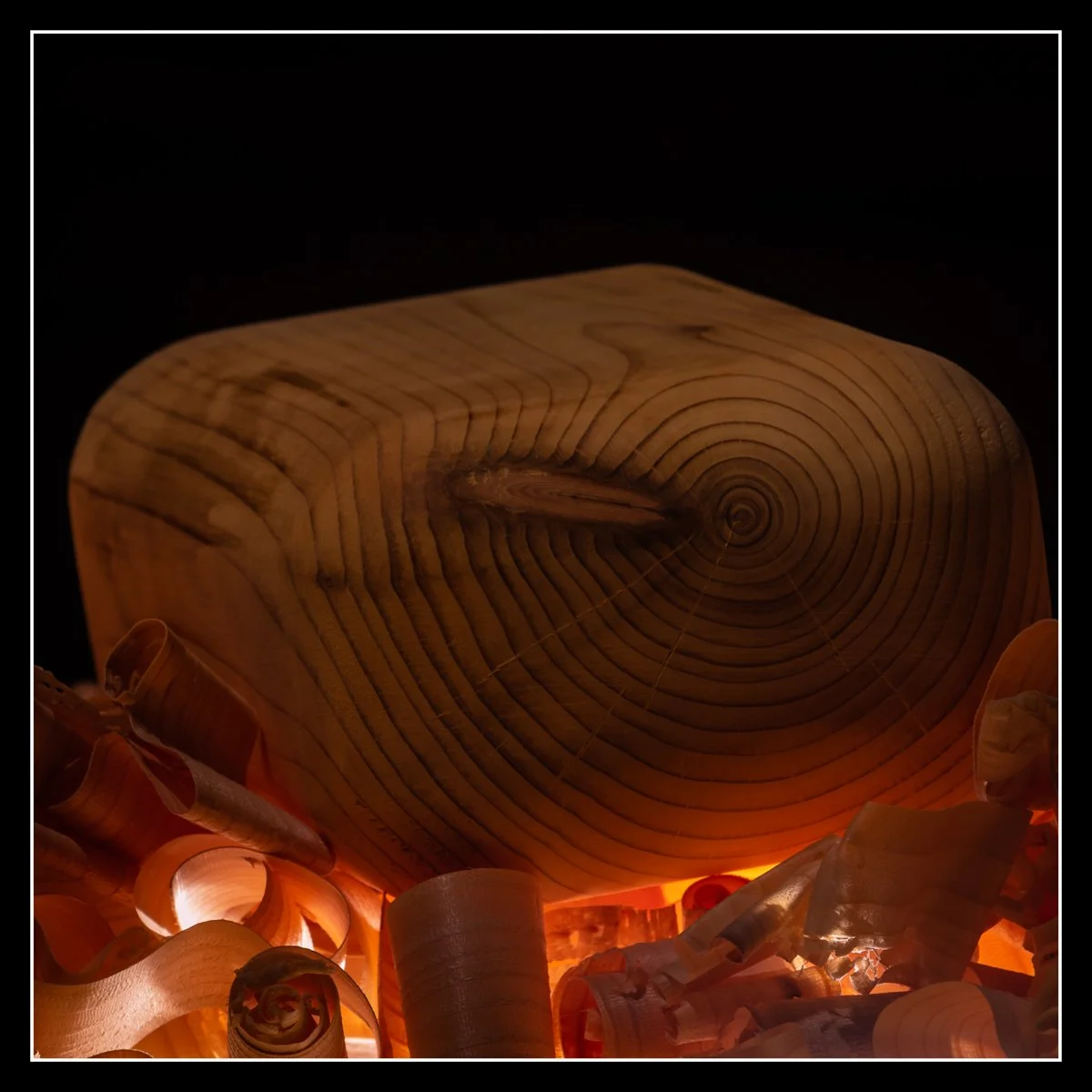
Cedar Yoga Block: A Breath of the Forest
A cedar yoga block carries its own kind of presence. Warm, light, and shaped by hand, it releases a faint sweetness when the heat rises — a quiet reminder of the forests it came from. During restorative hot yoga, that scent drifts up slowly, grounding the yogi in something older than the practice itself. Cedar doesn’t shout; it reveals itself gently, offering a natural connection to land, breath, and stillness. It’s a small piece of the forest that supports you while you settle deeper into the pose.
How Cedar Takes Finish — Texture, Grain, and Fire
Deep Scraped Cedar — Grain, Light, and Fire
Cedar is known as an outdoor wood, but when you work it with intention, it becomes something far more expressive. These Deep Scraped Collection pieces show how cedar responds when you raise the grain, brush the earlywood, layer stain and glaze, and seal everything under 2K poly. Cedar’s airy structure takes texture beautifully, and its natural warmth shifts into glow, shadow, and depth when you push it. Charred, glazed, or warmed with cinnamon tones, cedar proves it can live indoors just as easily as it lives outside — and with a little creativity, the variations are endless.
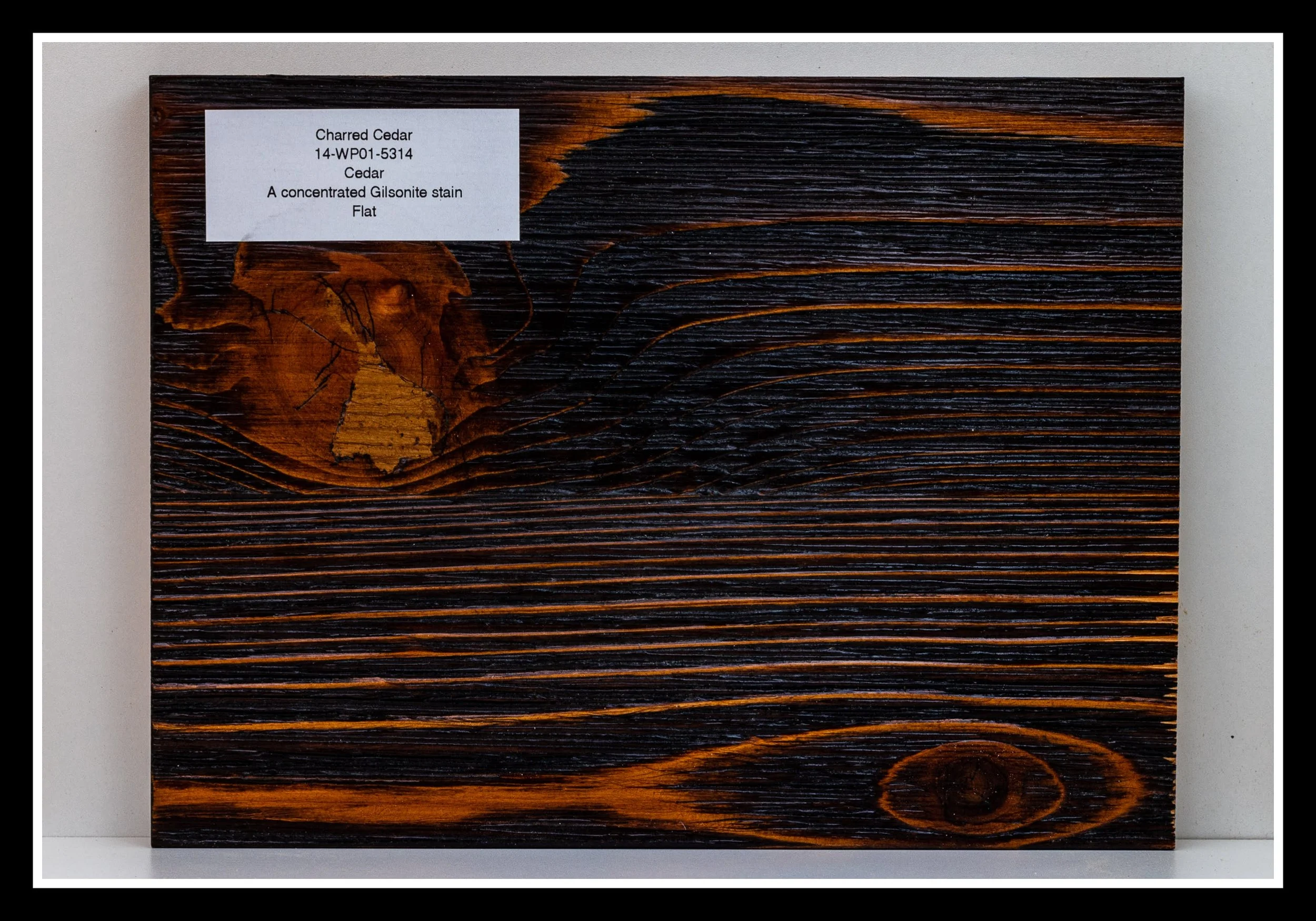
Charred Cedar: Deep‑Scraped Grain With Fire and Finish
Charred Cedar — Grain, Fire, and Shadow Cedar already carries its own warmth, but when you add texture and flame, it becomes something entirely different. This charred cedar sample is deep‑scraped to raise the grain, brushed to open the earlywood, stained for tone, kissed with fire for shadow, and finished under 2K poly. The heat darkens the soft parts of the wood, the scraping pulls the structure forward, and the glaze settles into every ridge. Cedar’s natural lightness turns dramatic — a surface shaped by stain, fire, and intention. It’s proof that cedar isn’t just an outdoor wood; it can carry depth, contrast, and mood when you push it.
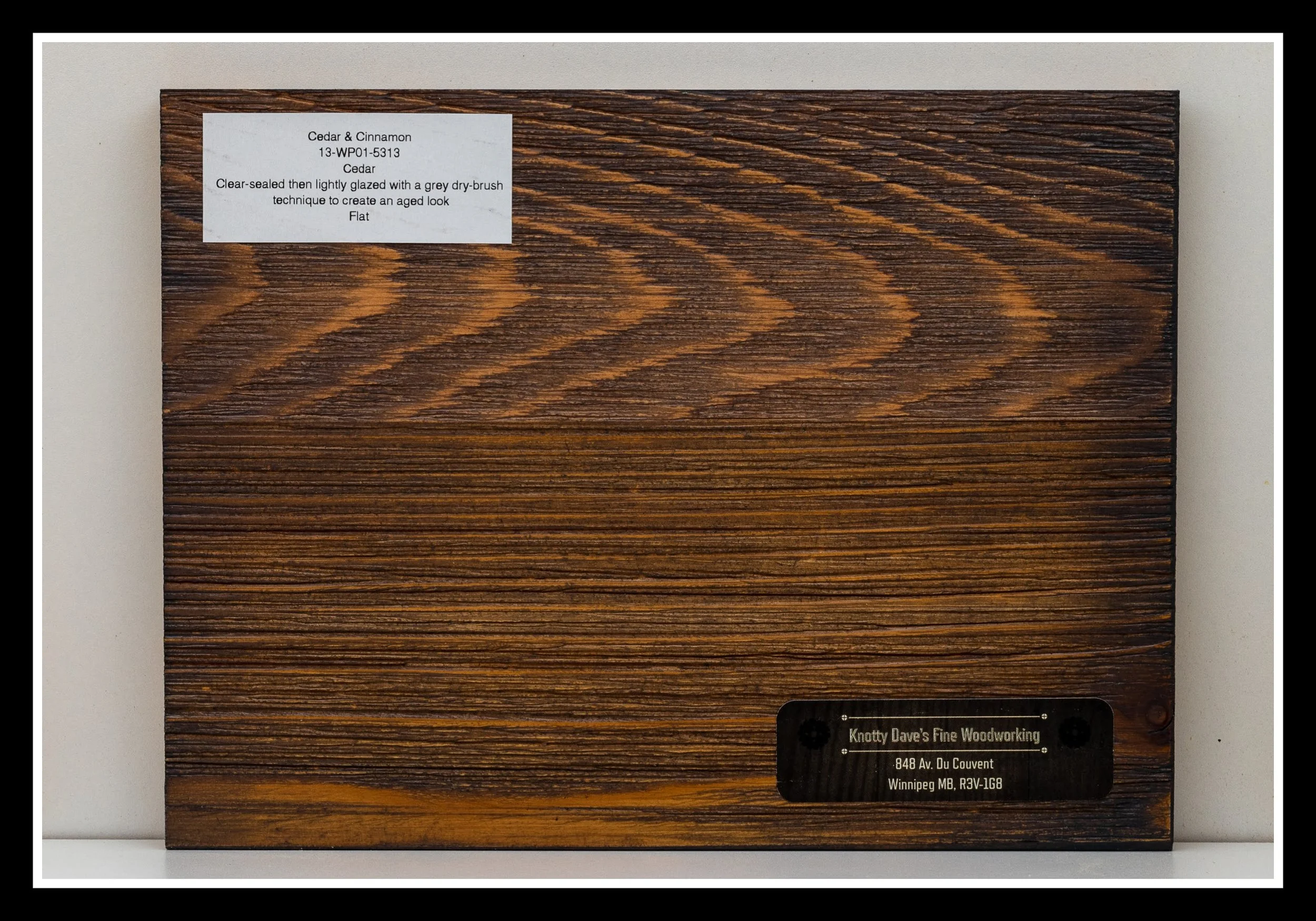
Cinnamon & Cedar: Deep‑Scraped Grain With Warm Glaze and 2K Poly
Cinnamon & Cedar — Warm Grain and Quiet Glow Cedar is more than an outdoor wood — it can glow indoors when you treat it with intention. This Cinnamon & Cedar finish starts with deep scraping to raise the grain, then a warm stain to bring out the natural colour, followed by a soft grey glaze that settles into the texture. A 2K poly seals everything under a calm, velvety surface. Cedar’s airy structure takes finish beautifully, and pieces like this show how easily it can shift from patio furniture to interior warmth. With a little creativity, cedar can move from the yard to the living room and feel at home in both.
Where every species, every board, and every lesson in wood science comes together — a place to explore the materials that shape our craft.
SHARE
The Wood Archive — All the wood Stories in One Place
For the living side of woodworking — the stories shaped by walnut, oak, maple, cherry, elm, cedar, and poplar — head to the Wood Archive.
If you’d like to hear from me only when something big is happening — a launch, a milestone, or a major project — you can join the mailing list below.
Written by David Flather, Red Seal cabinetmaker and founder of Knotty Dave’s Fine Woodworking— a Manitoba shop rooted in heritage restoration, storytelling, and real craft.
All photos shot by David Flather — in the shop, on the road, and in the places where craft and story meet.
Related stories:
Old Cedar — Reclaimed Deck Boards, Cedar Grain, and Building Muskoka Chairs
The Value of Wood in the Fur Trade: Winter Logging, River Transport, and York Boat Timber
The Mistake Every New Woodworker Makes: Understanding Wood Movement Before It Ruins Your Project
If you would like to read more about cedar and see more photos, visit
The Workshop Library
If you enjoyed this story, there’s lots more like it inside The Workshop Library — and it’s free to explore.
Wood Archive — species, grain, working properties, and real‑world craft notes
Behind the Grain — the deeper stories inside wood, craft, and heritage
The Working Side of the Craft — tools, shop life, workflow, and the realities of making
Digital to Sawdust — Design Studio — geometry, proportion, visual flow, and design thinking
The Stories of the Shop — the personal side of craft, the shop’s history, and the quiet moments that shape the work
House & Hearth — heritage home restoration, the hearth room, winter culture, and the lived‑in side of craft
I’m just one man with a shop, building this archive one story at a time. If you’d like to follow the journey as it unfolds, explore The Workshop Library — new stories every week.
