Machines, Tools & Stories
This is the steel room in the house — the place where the machines hum, the tools earn their keep, and the quiet math of woodworking shows its face. These are the stories shaped by table saws, bandsaws, grinders, fences, jigs, and the stubborn logic of wood meeting steel. Not project guides or step‑by‑step lessons, but reflections from the working side of the craft — the thinking, the aging, the problem‑solving, and the small truths learned when the shop is loud and the work is honest.
The Working Side of the Craft
Stories shaped by the machines, tools, and quiet math that define real woodworking in a working shop.
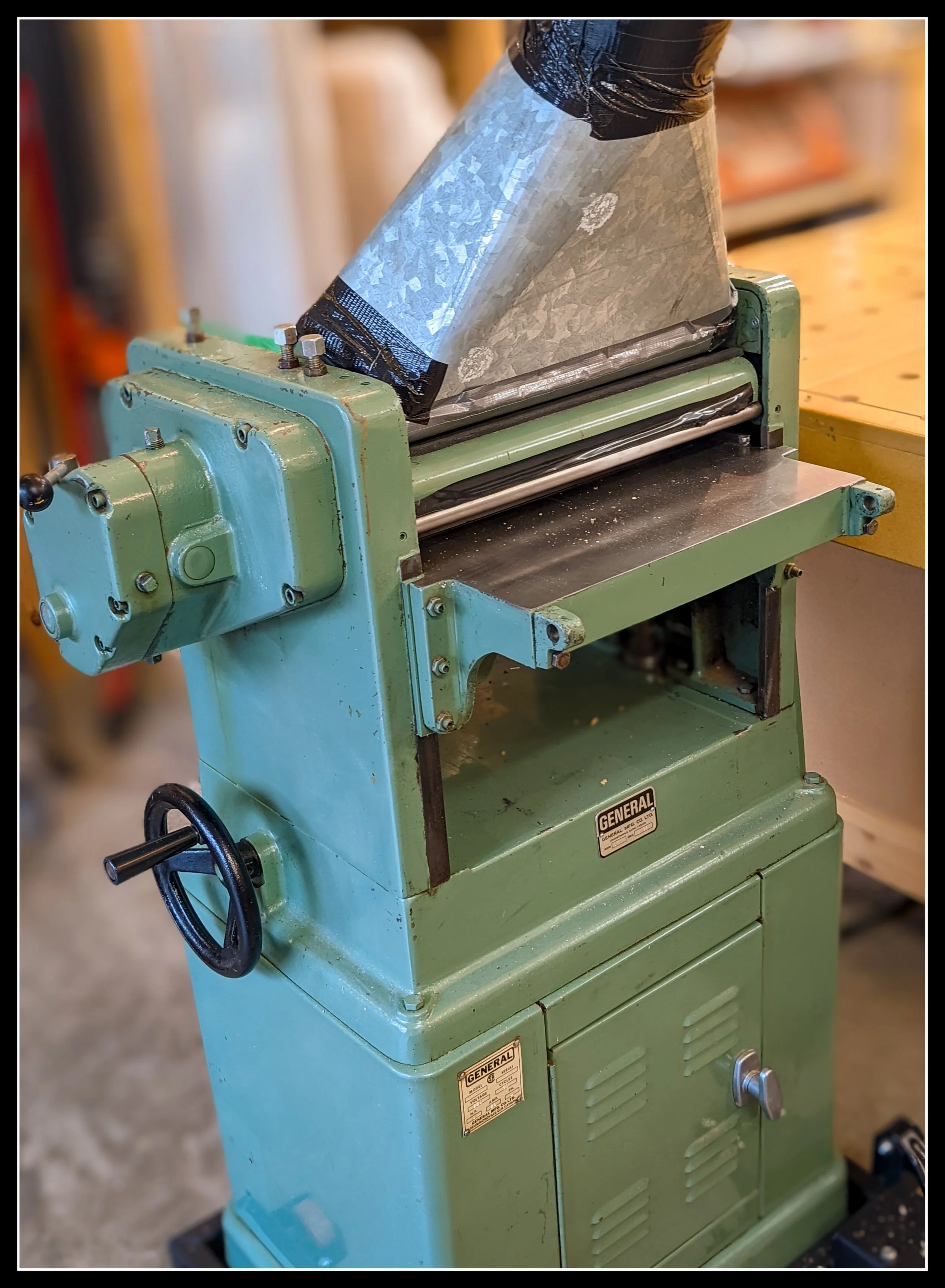
A thickness planer will show you exactly what wood is made of — and exactly what you’re made of. If you’ve ever had a board fight back, a knot explode, feed rollers stall, or grain tear out when you least expect it, this story will feel familiar. It’s about the machines that tame wood, humble workers, and teach lessons you don’t forget.
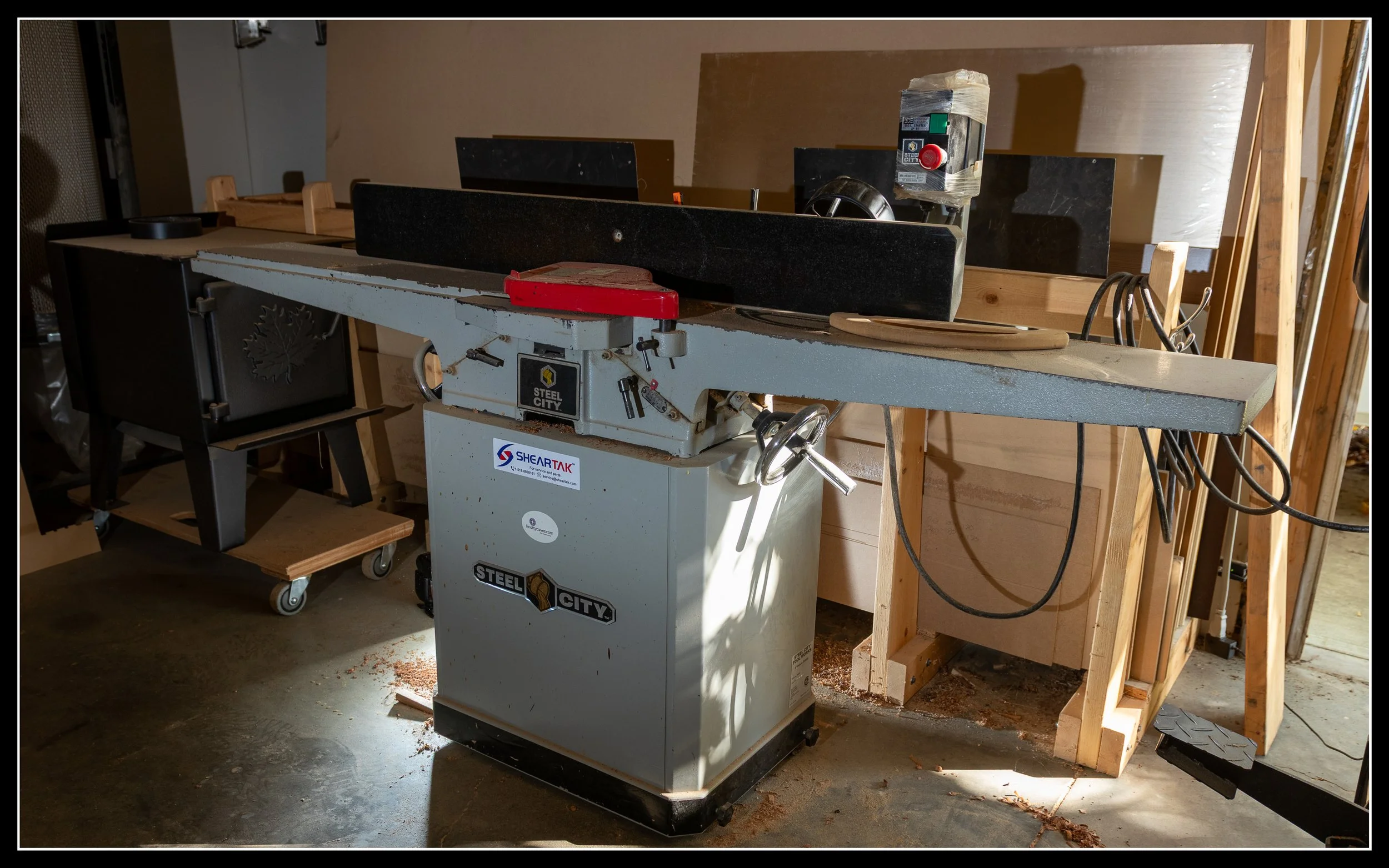
The jointer is the difference between real woodworking and pretending. It’s the only machine that can eliminate twist, cup, bow, and crook — and when you don’t have one, every other tool in the shop becomes harder, less accurate, and more frustrating. When you do have one, woodworking finally becomes what it’s supposed to be.
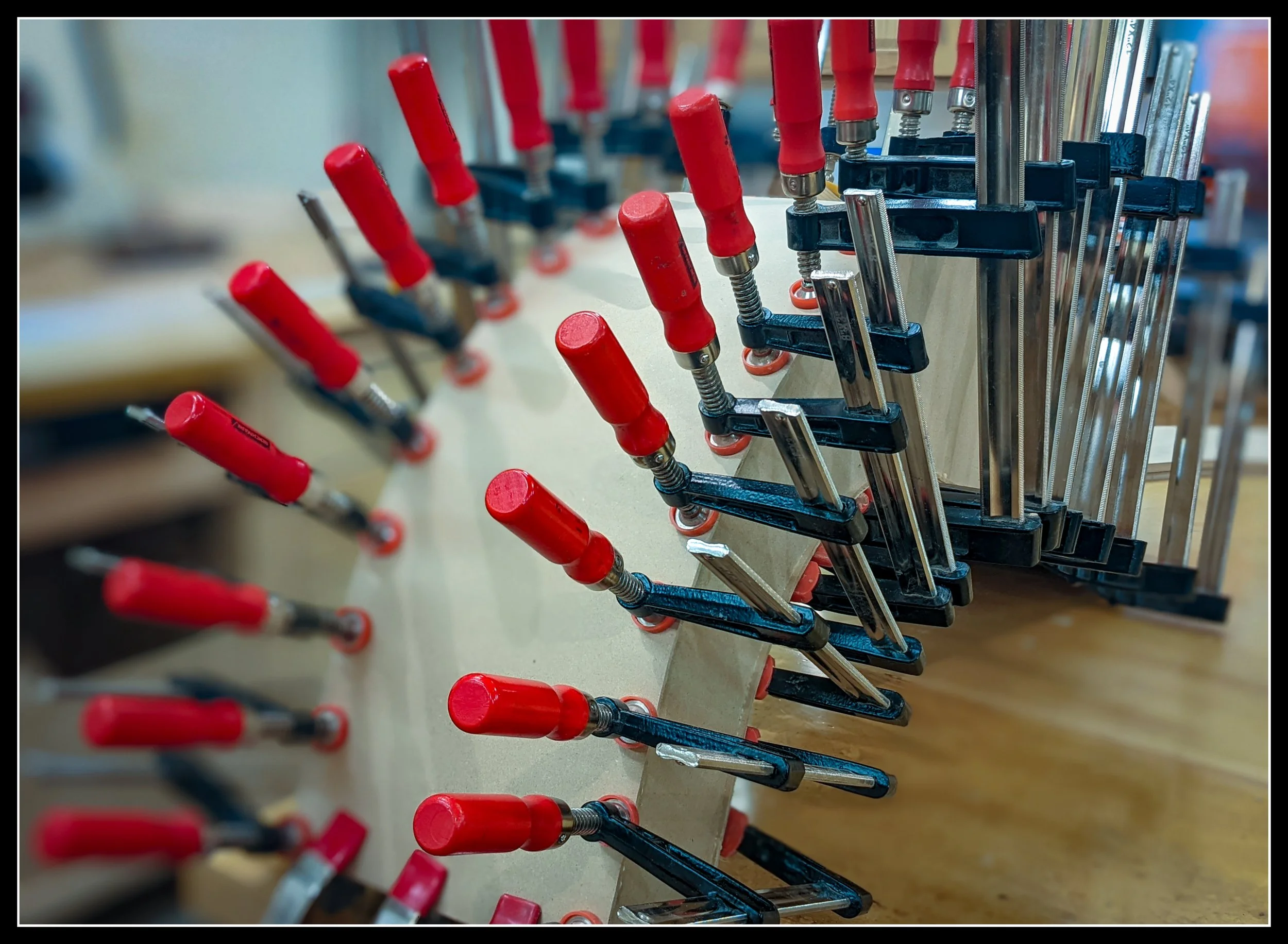
Woodworking clamps don’t get much attention, but they decide whether a glue‑up succeeds or fails. In every shop, F‑clamps quietly carry the load — holding boards straight, keeping edges true, and saving projects when the pressure is on. This story looks at why quality clamps last decades, how cheap clamps fail, and why the right setup on the wall can transform the way you work.
If your glue‑ups ever feel chaotic, this story shows how the right clamps bring order back to the bench.
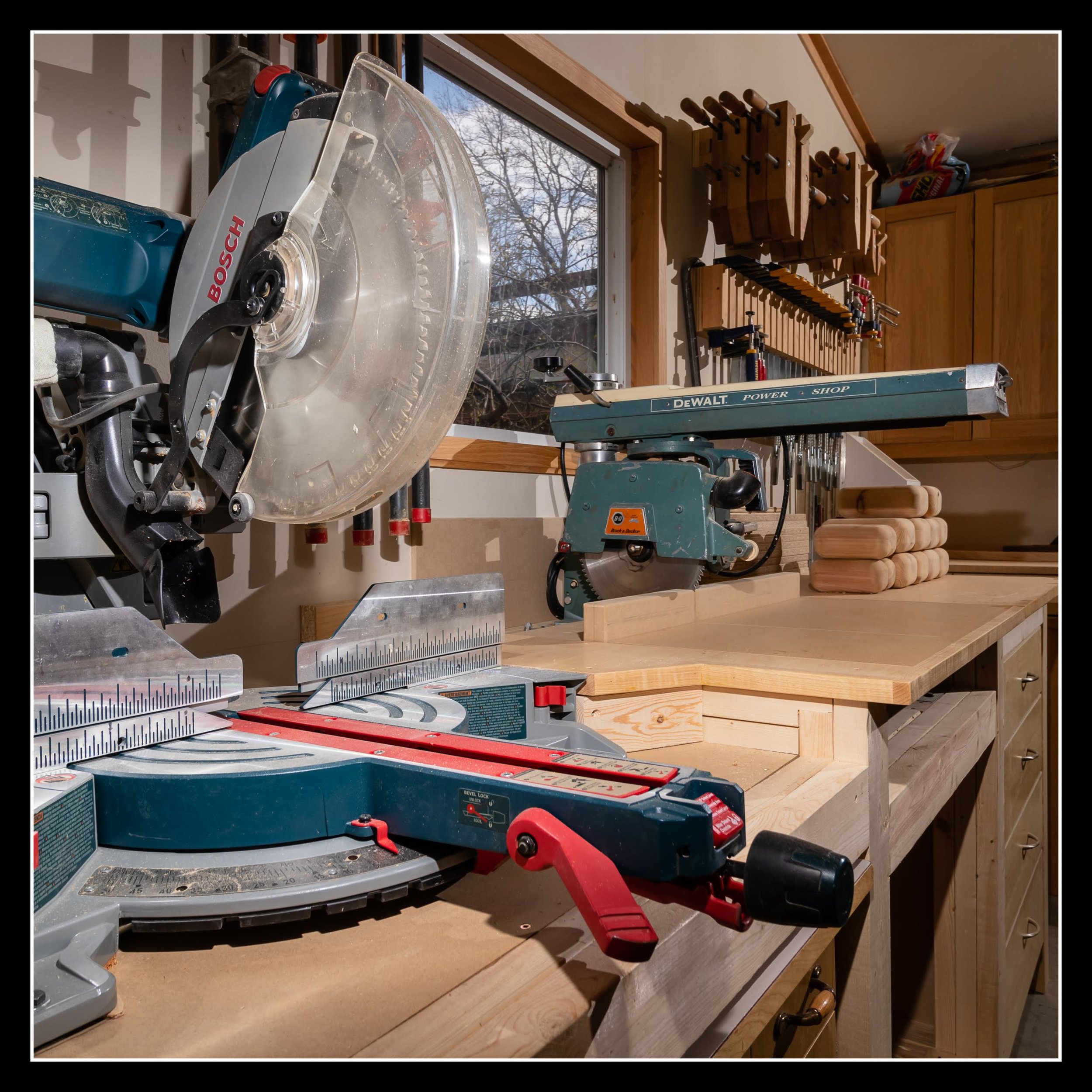
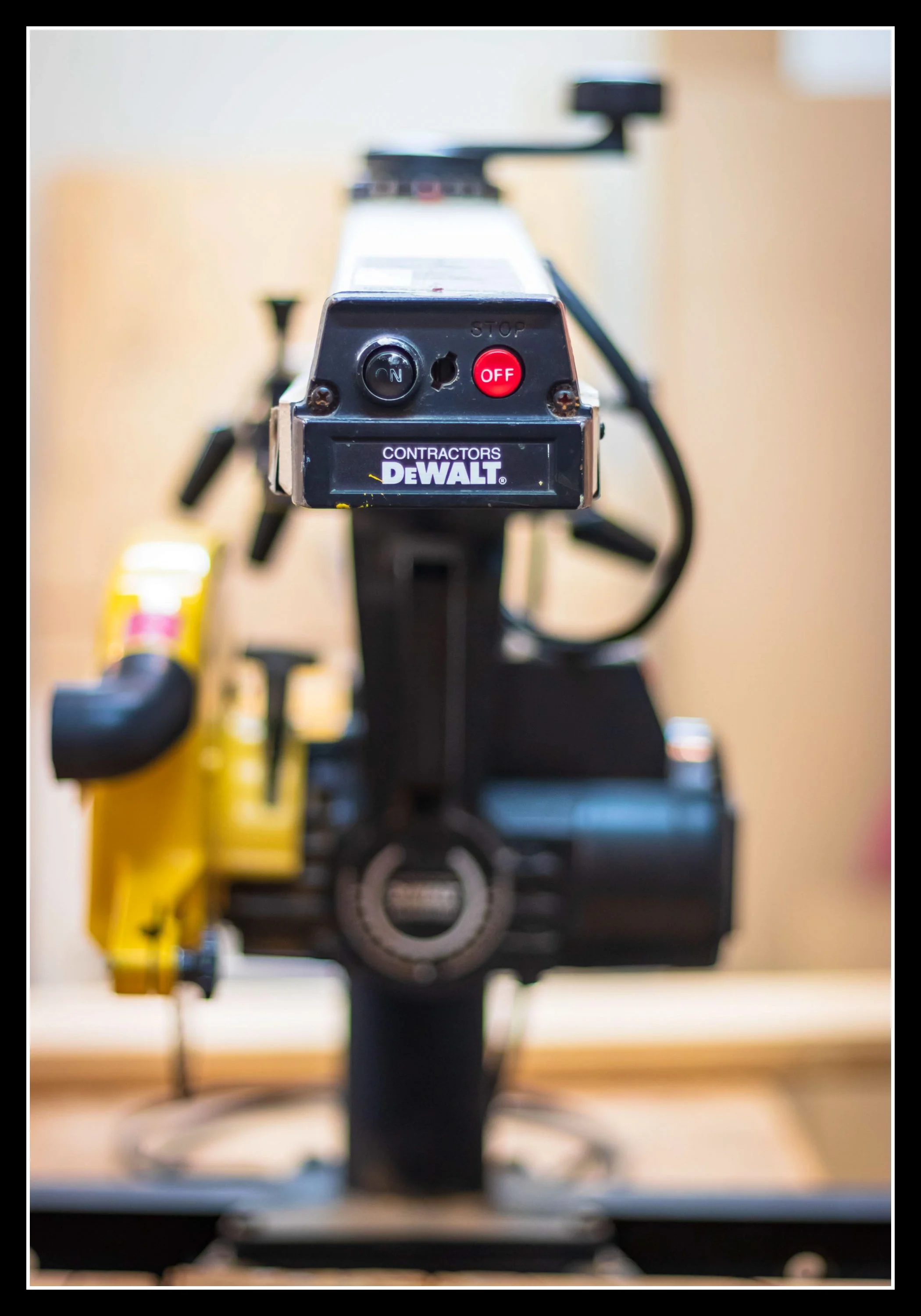
Back in the 1980s, a 10" DeWalt radial arm saw was the first machine that taught me accuracy. It sat in a proper cross‑cut bench, and nobody questioned its purpose. Over the decades I’ve used 9", 10", 12", and even a 16" industrial model, and each one shaped the way I work. This is the story of the saw that stayed with me through school shops, family shops, cheap saws, good saws, and the cast‑iron Canadian machine I use today.
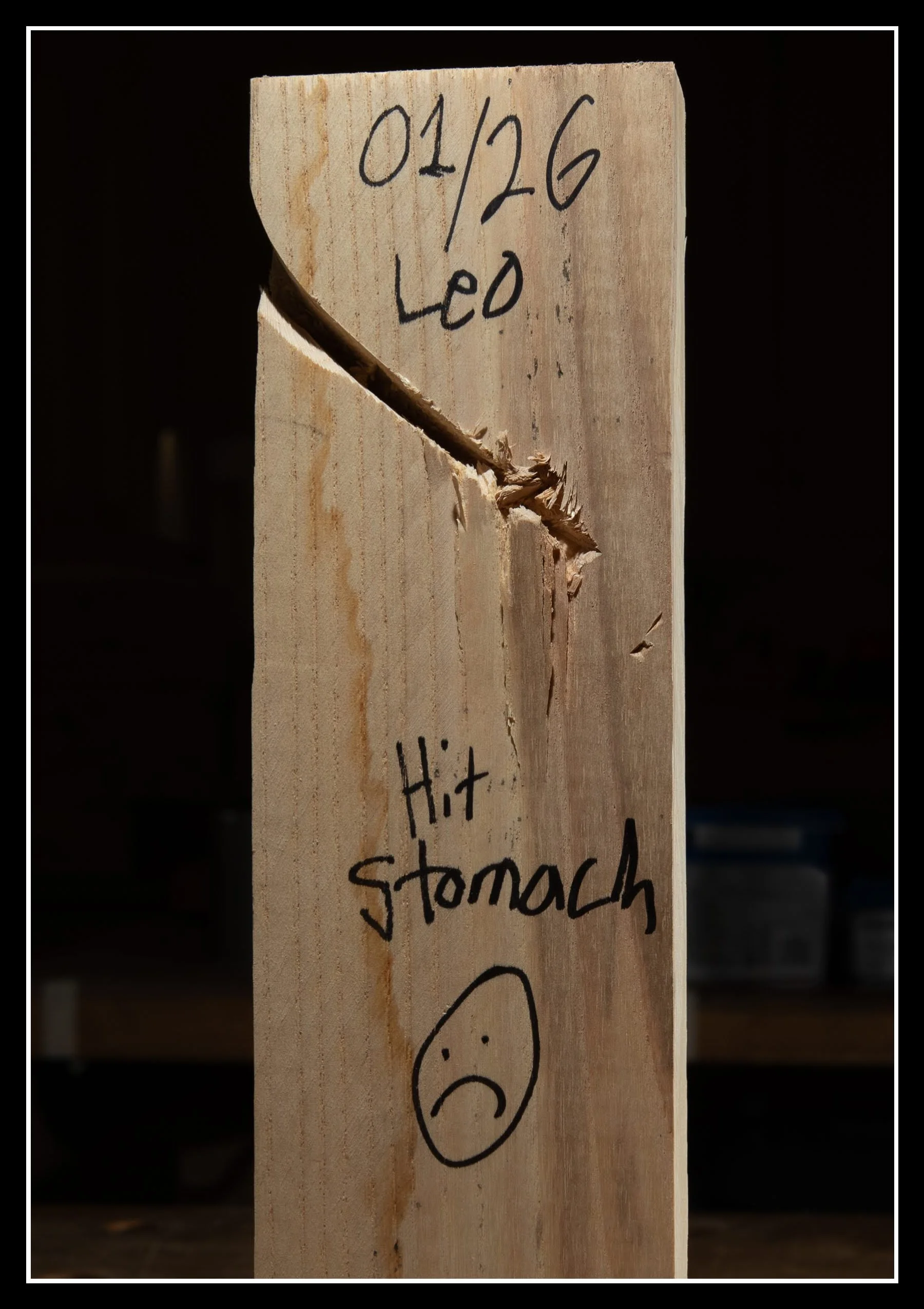
January in the Red River Valley is slow and cold, the kind of morning where cedar scraps, warm coffee, and steady work feel like comfort. But comfort can vanish fast. One rough ash board, one change in the saw’s hum, and a violent kickback turned a simple day into a hard‑earned lesson. This Ramble follows that moment — the shock, the teaching, and the way a shop reminds you that respect is learned, not assumed.
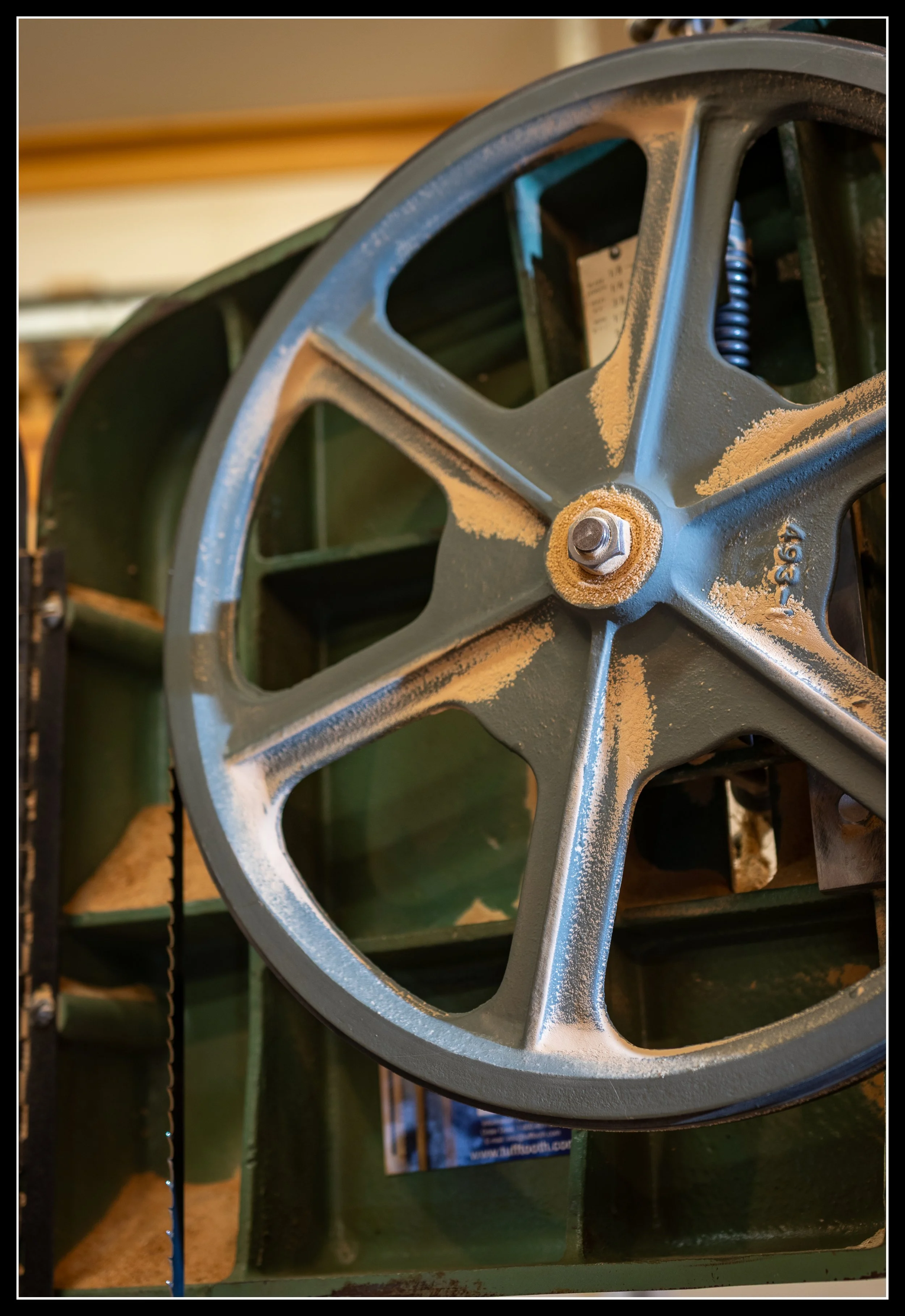
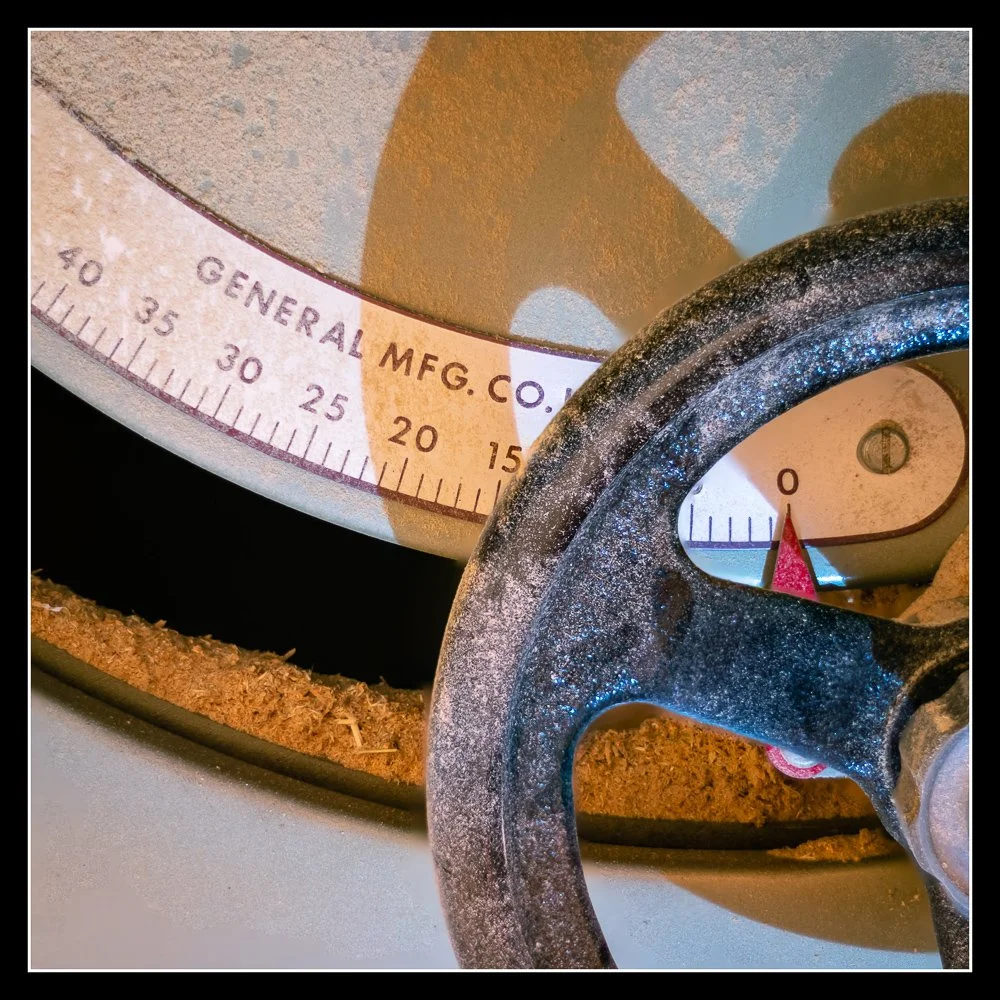
My First Bandsaw That Didn’t Suck traces the evolution of a woodworker through the machines that shaped his craft — from mid‑century Rockwell Beaver cast‑iron classics to cheap 1980s imports and finally the Canadian‑made General 490 that set the standard. If you’ve ever fought blade drift, rebuilt worn‑out guides, or wondered what separates a good bandsaw from a frustrating one, this story breaks down the real‑world lessons learned across decades in the shop.
From a plastic‑cranked Rockwell Beaver to a cast‑iron General 350, this story traces the real difference between contractor saws and cabinet saws — accuracy, power, safety, and the moment a machine stops holding a woodworker back. If you’ve ever wondered whether upgrading your table saw matters, this is the lived experience behind the answer.
When the power goes out in a woodshop, everything changes. Machines stop, lights fade, and the whole crew shifts into cleanup mode, safety mode, or story mode — because a power outage in a woodshop isn’t a break, it’s a whole different way of working.
Woodworking after 50 is less about tools and more about patience, problem‑solving, and the comfort of a shop that’s truly yours. This Ramble reflects on family shops, the smell of Douglas fir, teaching grandkids, and the lessons learned over a lifetime at the bench.
Every machine in a working shop carries its own math — the cost, the risk, the payoff, and the lessons learned. This Ramble looks at the old cast‑iron tools I rebuilt, the new machines that expanded what’s possible, and the decisions that shaped the way I work. From a tuned General 490 to a SuperMax drum sander to the Laguna Revo 24|36 that opened the door to bigger, more creative projects, it’s a story about choosing the right tools, understanding their limits, and letting them push the craft forward.
Shop life is a mix of smooth mornings and sudden chaos — lost tools, kickbacks, forgotten plans, and the small moments that shift a day from normal to “oh, fuck.” This Ramble looks at the humour, frustration, and timing that shape a working day, and the quiet skill of knowing when the day is done.
Pencils disappear in every shop — buried in dust, stuck behind ears, dropped in tool piles, or sharpened down to nothing. Yet nothing starts without one. This Ramble follows the hunt for the perfect point, the belt‑sander sharpening ritual, the borrowed pencils that never return, and why the smallest tool in the shop quietly holds everything together.