

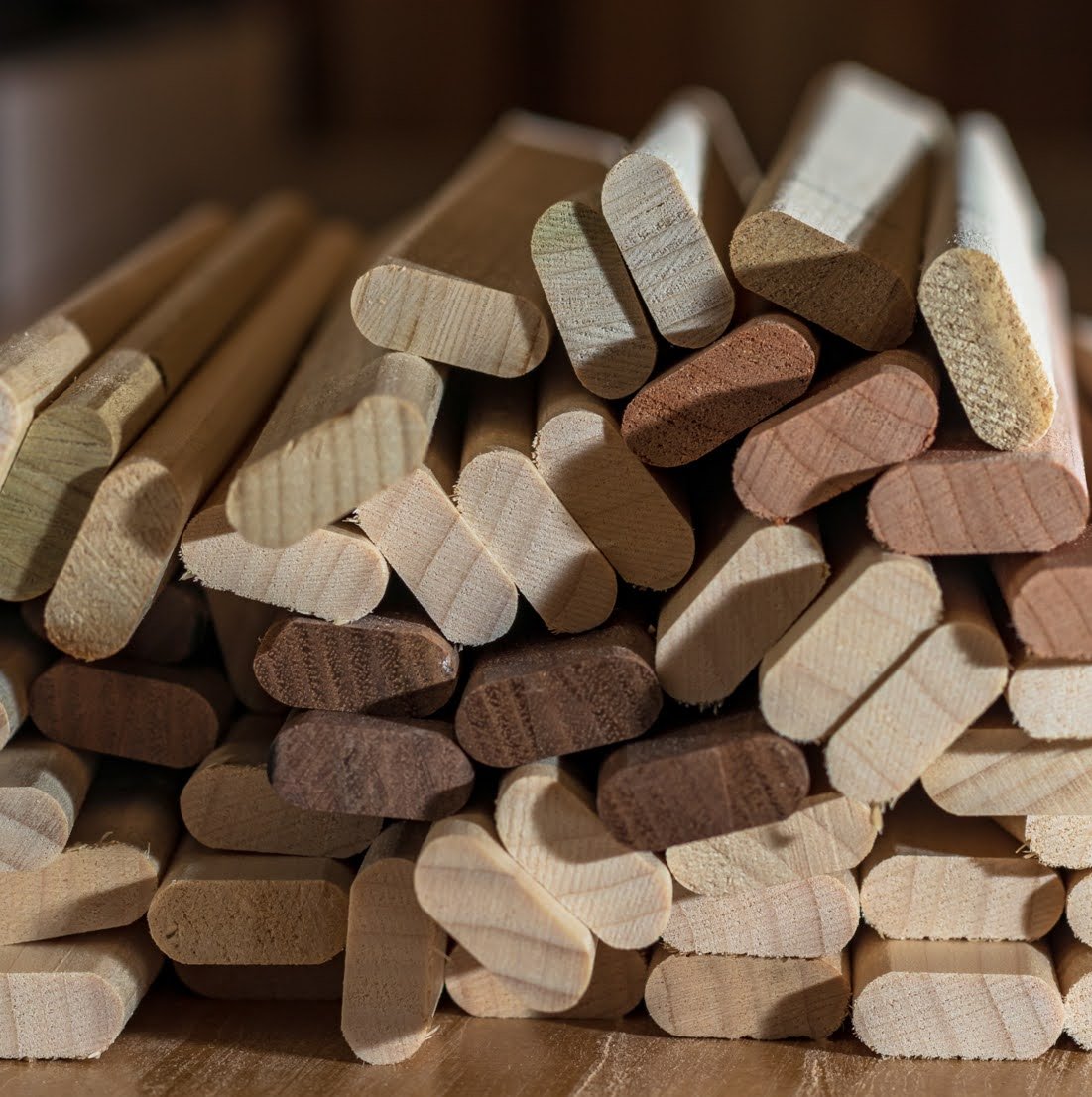
Shop Notes & Rambles
The Rambles are the stories lived and learned over decades — the moments, the lessons, and the shop life that shaped the craft. They accumulate here, sorted by publish date. If you want the curated version, explore the Workshop Library.

Cherry
Cherry wood is known for its whiskey‑warm heartwood, pale sapwood, sweet almond scent, and the way it darkens in sunlight. This story explores the Black Cherry tree — how it grows, why it blotches, how gum pockets form, and why cherry’s grain and colour come directly from the tree’s history.
Early Balloon Frame Housing in Manitoba
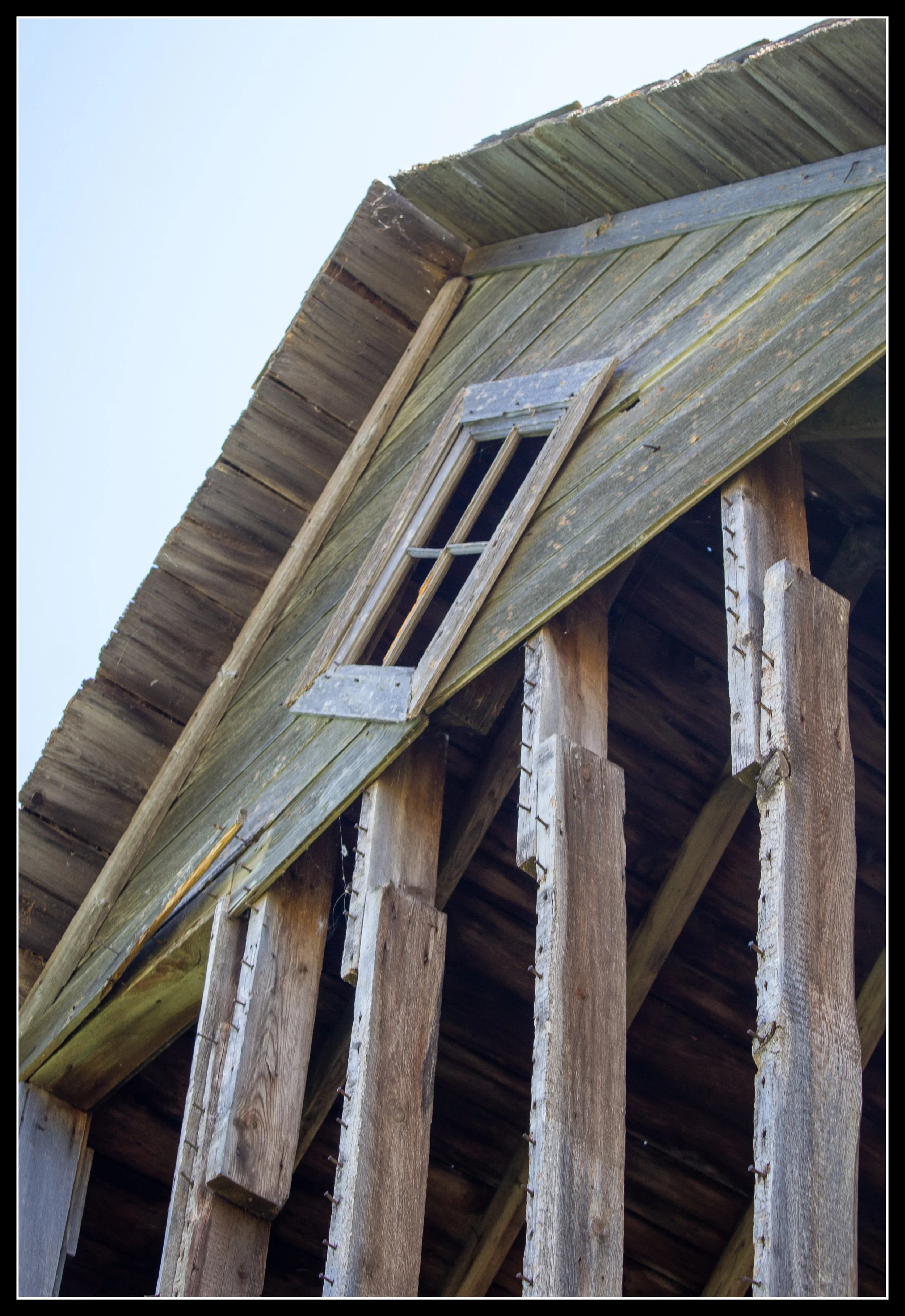
Early balloon‑frame houses in Manitoba were built with true 2×4 lumber, mixed species, and whatever the frontier could supply. This Ramble explores the 1872–1885 transitional era — rough mills, rail‑shipped long boards, fieldstone foundations, and the improvised framing that defined Manitoba’s earliest light‑frame homes.
Grandpa’s Toolbox
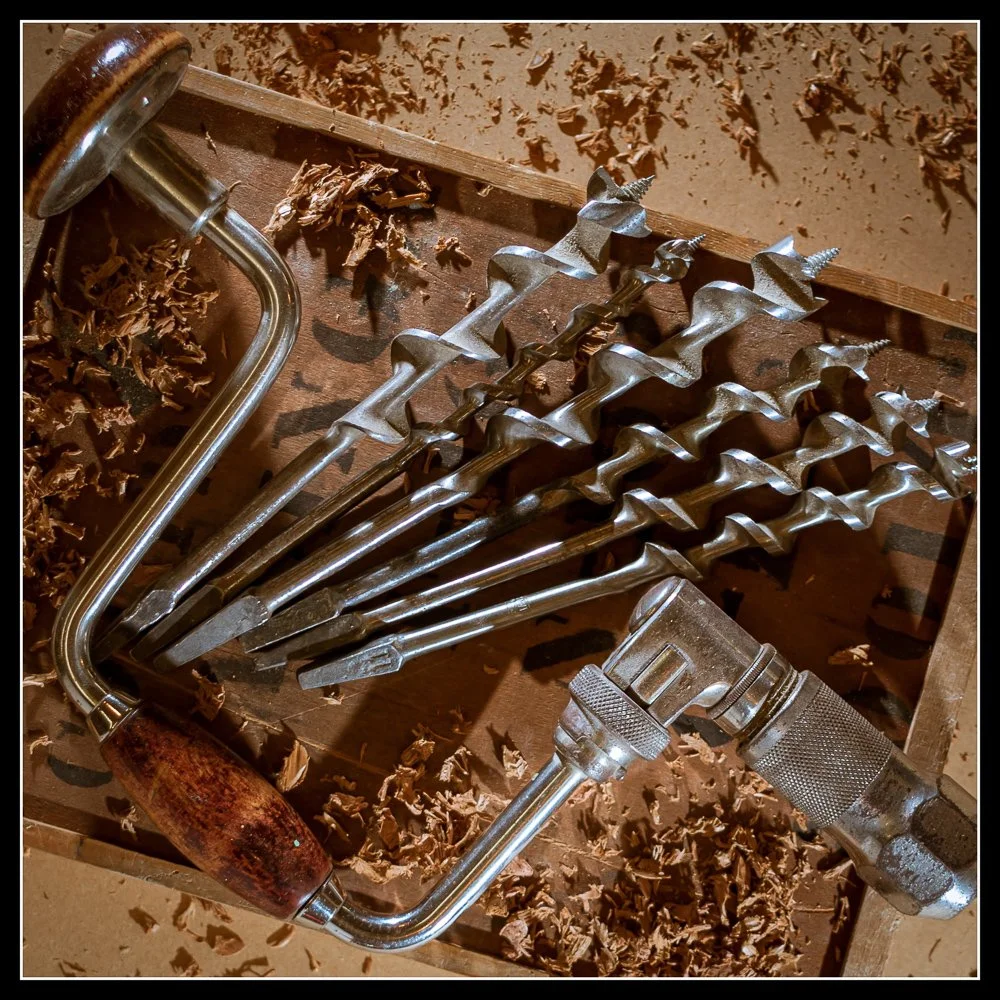
A Quiet Story about heritage tools, basement shops, and the hand plane passed from Grandpa to father to son — a reminder of why old tools matter, what they carry, and how they shape the craftspeople who inherit them.

🍁 Hard Maple
Hard maple comes from the sugar maple — a northern, slow‑grown hardwood shaped by freeze–thaw cycles, tight grain, and dense, closed‑pore anatomy. This Ramble explains why it burns on dull blades, shines under sharp tools, and remains one of the most reliable woods in the shop.
Oak vs Oak
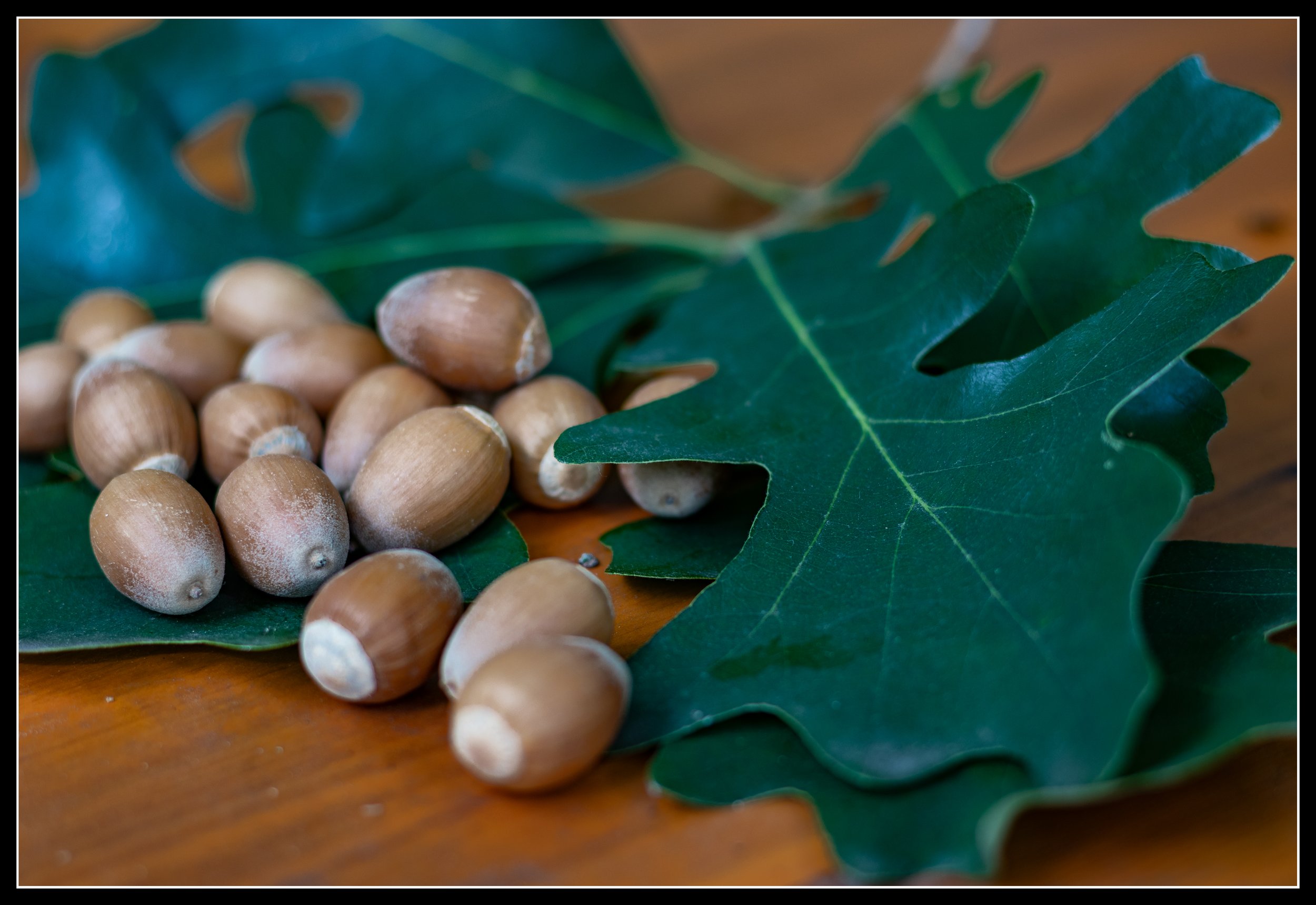
Oak on the Prairies meant different things in different eras — white oak in early 1900s heritage homes, red oak in the builder‑grade kitchens of the 70s–90s. This Ramble explains the real differences between the two oaks, the history behind them, and why each species carries its own story.
Red oak
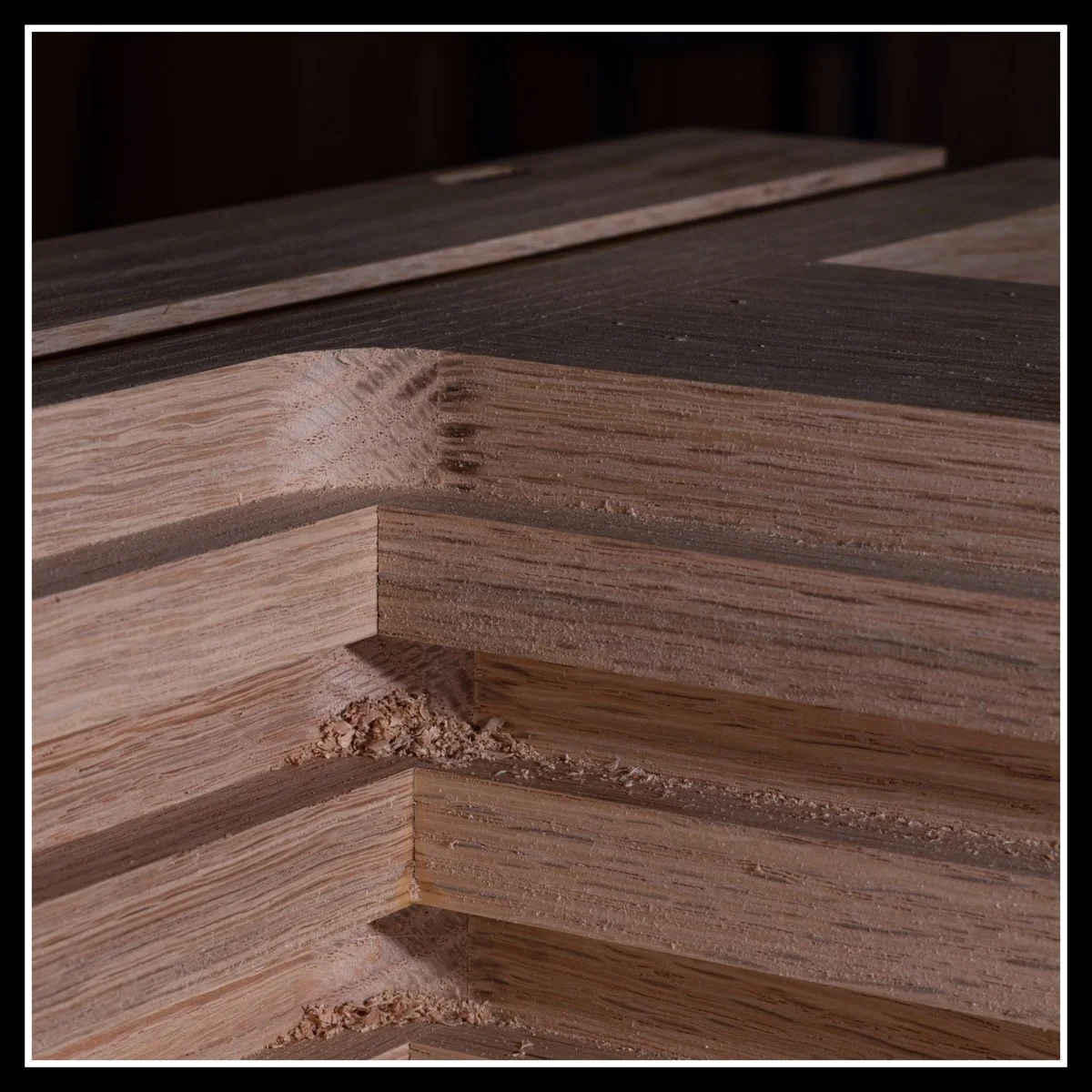
Red oak is open‑pored, fast‑growing, and honest — a hardwood defined by earlywood pores, latewood strength, and the tear‑out that teaches every woodworker patience.
White oak
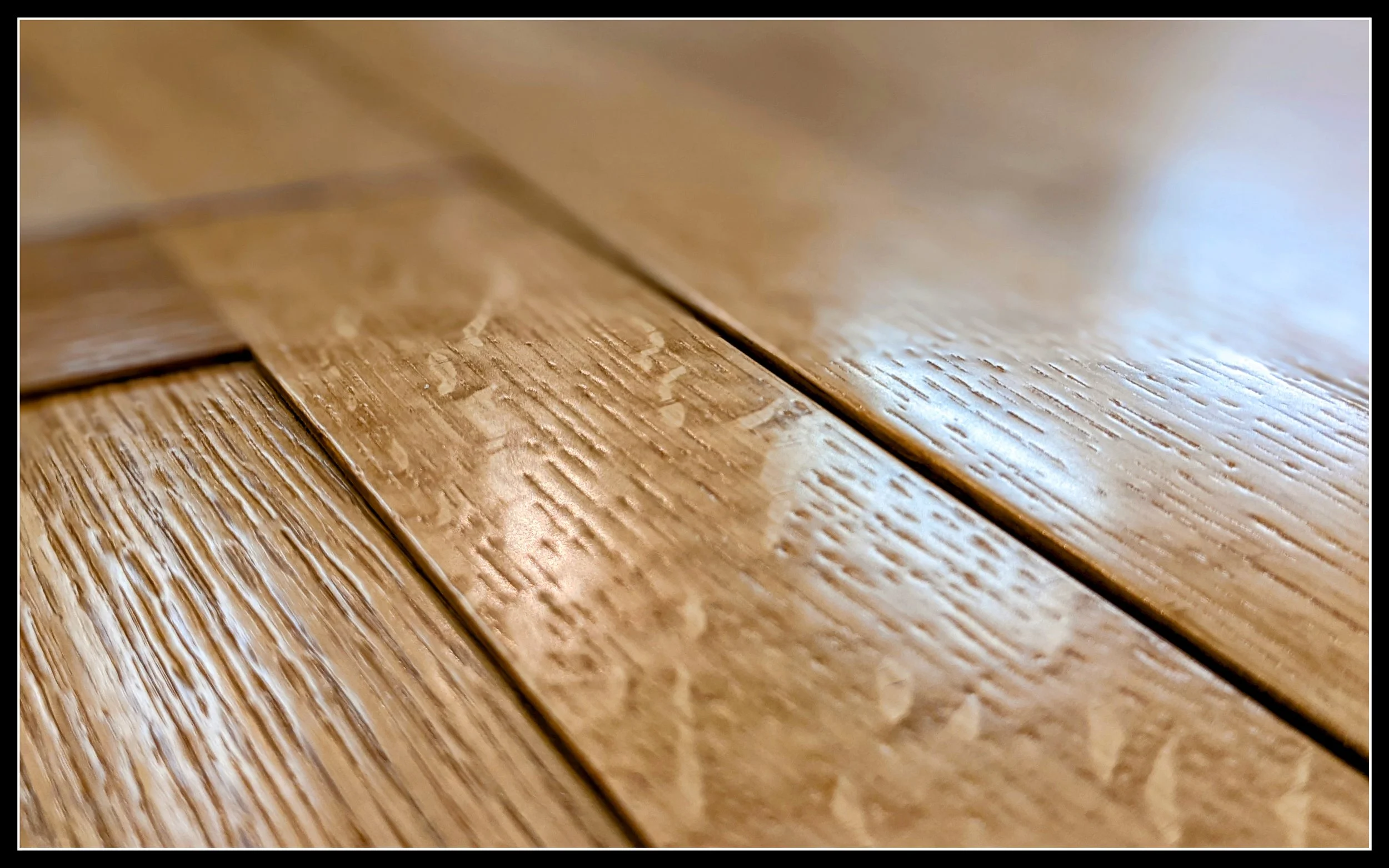
White oak — a slow‑grown hardwood built from tyloses, tannins, and tight rings, making it one of North America’s strongest, most decay‑resistant woods for furniture, floors, barrels, and anything meant to last.

Bur Oak: Giants and Legends
There are trees that grow fast, live fast, and vanish without leaving much behind. And then there are the giants — the ones that shape a land, raise generations, and carry centuries in their bark. This is the story of the bur oak, and the story of the prairie people who grew up under them.
Fast Hardwood — Reader Question
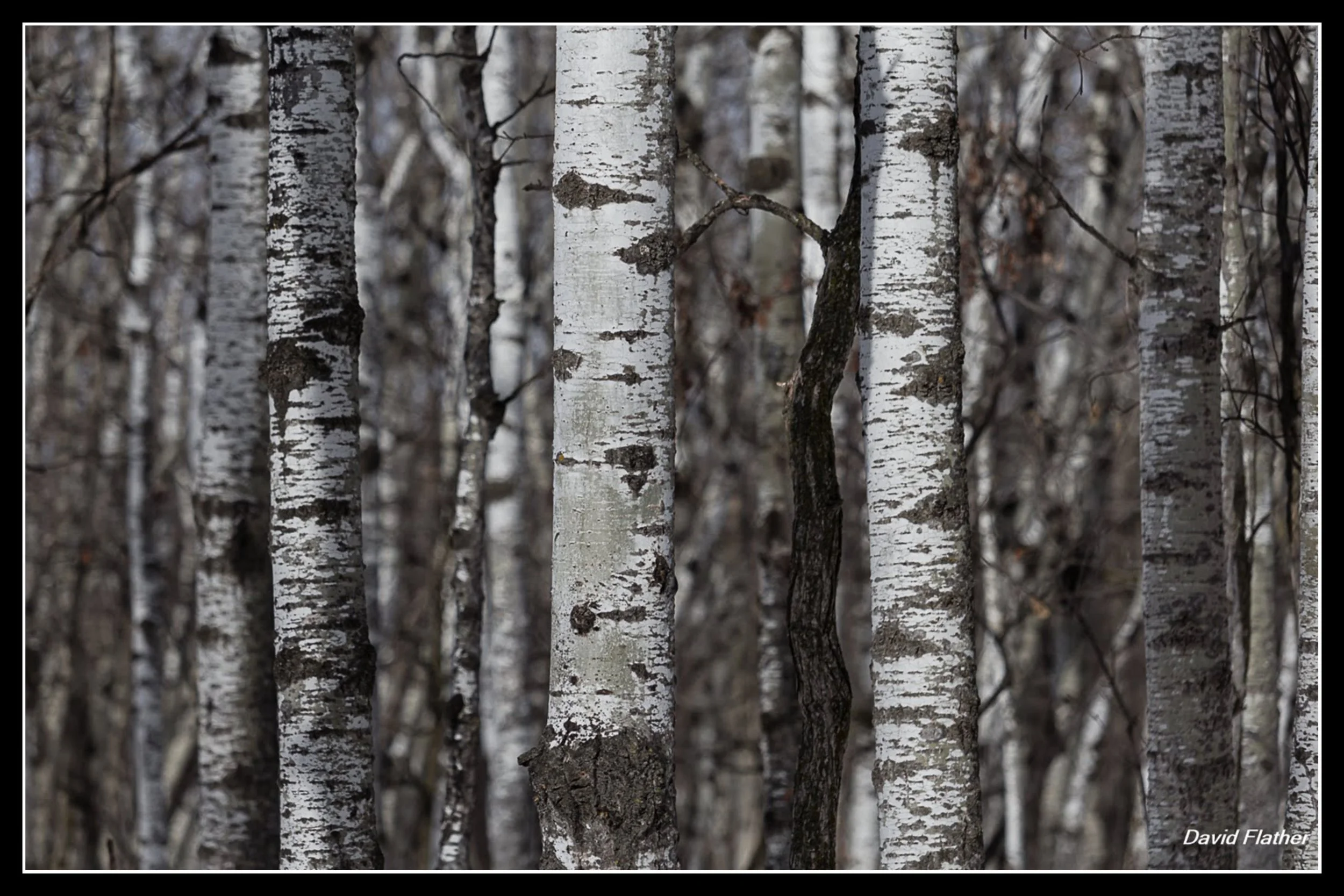
Hardwoods don’t all grow slowly. This follow‑up explains the fast pioneer hardwoods — poplar, willow, and soft maples — and how forest succession shapes the difference between hardwood and softwood growth.

Hardwood vs Softwood
Hardwood vs softwood isn’t just a difference in leaves or needles — it’s the story of how trees survived fire, drought, extinction, and time itself. This piece traces the rise of the two great families of wood, from ancient barren landscapes to the forests we work with today, revealing how evolution shaped every board in the shop and every species in the Wood Archive.

Rarity of Wood
Old‑growth wood is disappearing — not because we’re running out of trees, but because time itself has become rare. This story explores how younger forests, industry changes, disease, fire, and salvage have reshaped the wood we build with, and why the tight‑grained, high‑quality lumber our grandparents knew is now hard to find. From pioneer beams to salvaged elm and century‑old cedar, this is a look at what true wood once was — and why its rarity matters.

Understanding Wood
Wood behaves the way it does because every board carries the memory of the tree it came from. Leaning trunks, shifting riverbanks, floodwater, wind pressure, scars, tension wood, compression wood — all of it becomes grain, movement, and character in the shop. This piece explains how trees grow, adapt, and survive, and why those hidden forces show up decades later when a woodworker planes a board and the wood reacts. Understanding wood begins with understanding the life it lived.
Recovery Ramble
Recovery slows life down, but it sharpens perspective. This Shop Ramble reflects on rebuilding after surgery, the future of a growing woodworking website, and the beginnings of a gallery that evolves alongside a cancer survivor’s craft — one room, one story, one tool at a time.
Old Machines, New Machines, and the Quiet Math of a Working Life
Every machine in a working shop carries its own math — the cost, the risk, the payoff, and the lessons learned. This Ramble looks at the old cast‑iron tools I rebuilt, the new machines that expanded what’s possible, and the decisions that shaped the way I work. From a tuned General 490 to a SuperMax drum sander to the Laguna Revo 24|36 that opened the door to bigger, more creative projects, it’s a story about choosing the right tools, understanding their limits, and letting them push the craft forward.

Shop Life
Shop life is a mix of smooth mornings and sudden chaos — lost tools, kickbacks, forgotten plans, and the small moments that shift a day from normal to “oh, fuck.” This Ramble looks at the humour, frustration, and timing that shape a working day, and the quiet skill of knowing when the day is done.

Mini Kitchen
A forgotten Coleman stove, a tailgate kitchen build, and a season of hard news shaped this Ramble. It’s a story about repair, distraction, memory, and the quiet work of staying steady when life shifts — how a small project became a lifeline, and how building kept me moving when the world felt still.

Old Cedar
The cedar we tore off the old decks looked finished — soft, rotten, and ready for the dump. But once the boards dried and the first passes through the planer cut through the weathered surface, the wood showed tight grain, rich colour, and old‑growth strength. This Ramble follows the reclaimed cedar from demolition pile to Muskoka chairs, tracing the milling, the grain, the lessons with Leo, and how fifty‑year‑old lumber found a second life.

The World Runs on Pencils
Pencils disappear in every shop — buried in dust, stuck behind ears, dropped in tool piles, or sharpened down to nothing. Yet nothing starts without one. This Ramble follows the hunt for the perfect point, the belt‑sander sharpening ritual, the borrowed pencils that never return, and why the smallest tool in the shop quietly holds everything together.

How to Arrive at Perfect
A Quiet Story about tear‑out, stubborn boards, and the moment every woodworker learns that perfection isn’t found in flawless cuts — it’s found in embracing the imperfect work that real wood demands.

The Power of Lazy
A Quiet Story from a 1988 autobody shop about why “lazy” workers — the ones who slow down and do things right the first time — often produce the smartest and most reliable work, shaping a lifetime of craft.