

Shop Notes & Rambles
The Rambles are the stories lived and learned over decades — the moments, the lessons, and the shop life that shaped the craft. They accumulate here, sorted by publish date. If you want the curated version, explore the Workshop Library.
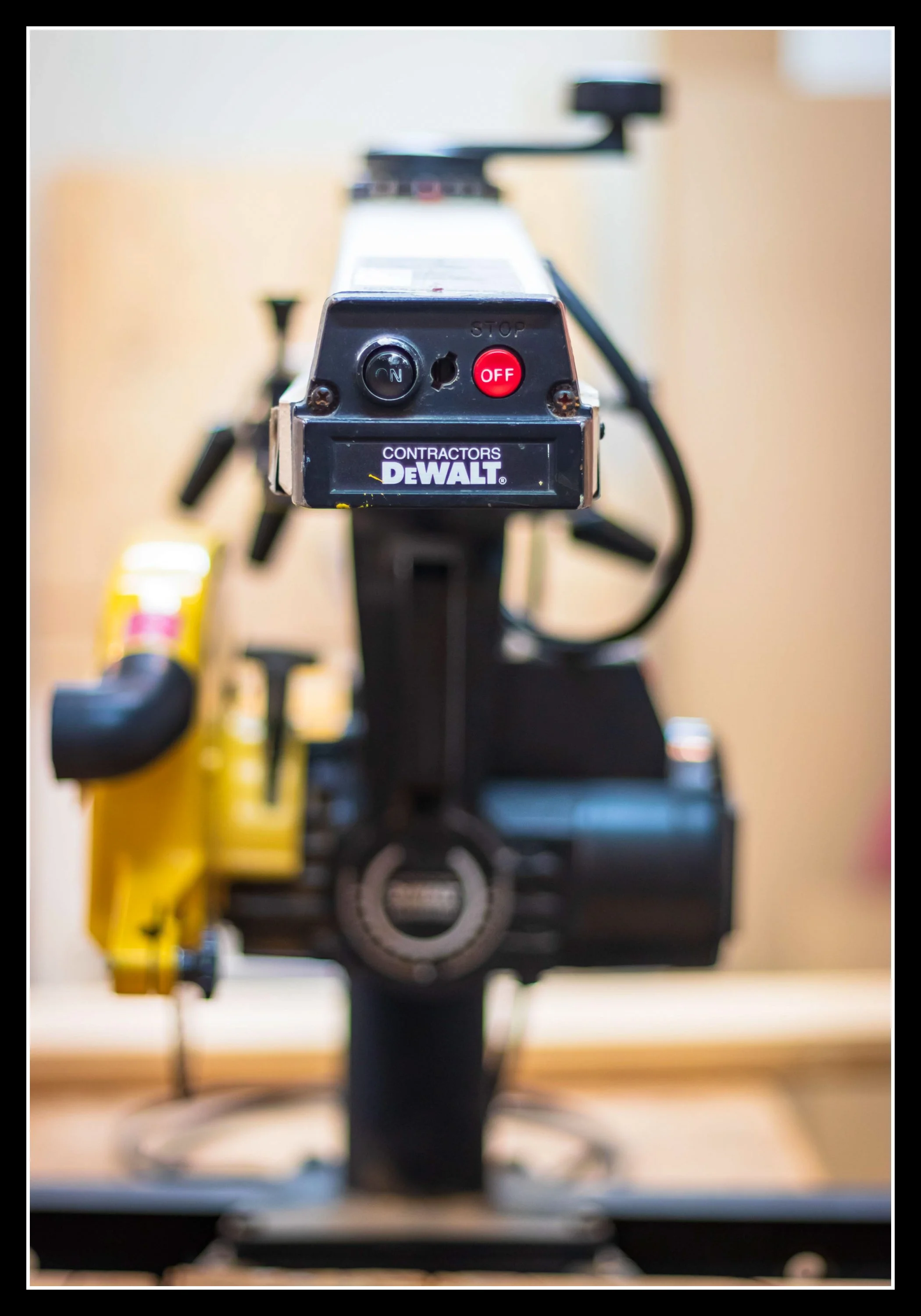
Radial Arm Saw — Best Cross-Cut Saw Ever Made
Back in the 1980s, a 10" DeWalt radial arm saw was the first machine that taught me accuracy. It sat in a proper cross‑cut bench, and nobody questioned its purpose. Over the decades I’ve used 9", 10", 12", and even a 16" industrial model, and each one shaped the way I work. This is the story of the saw that stayed with me through school shops, family shops, cheap saws, good saws, and the cast‑iron Canadian machine I use today.
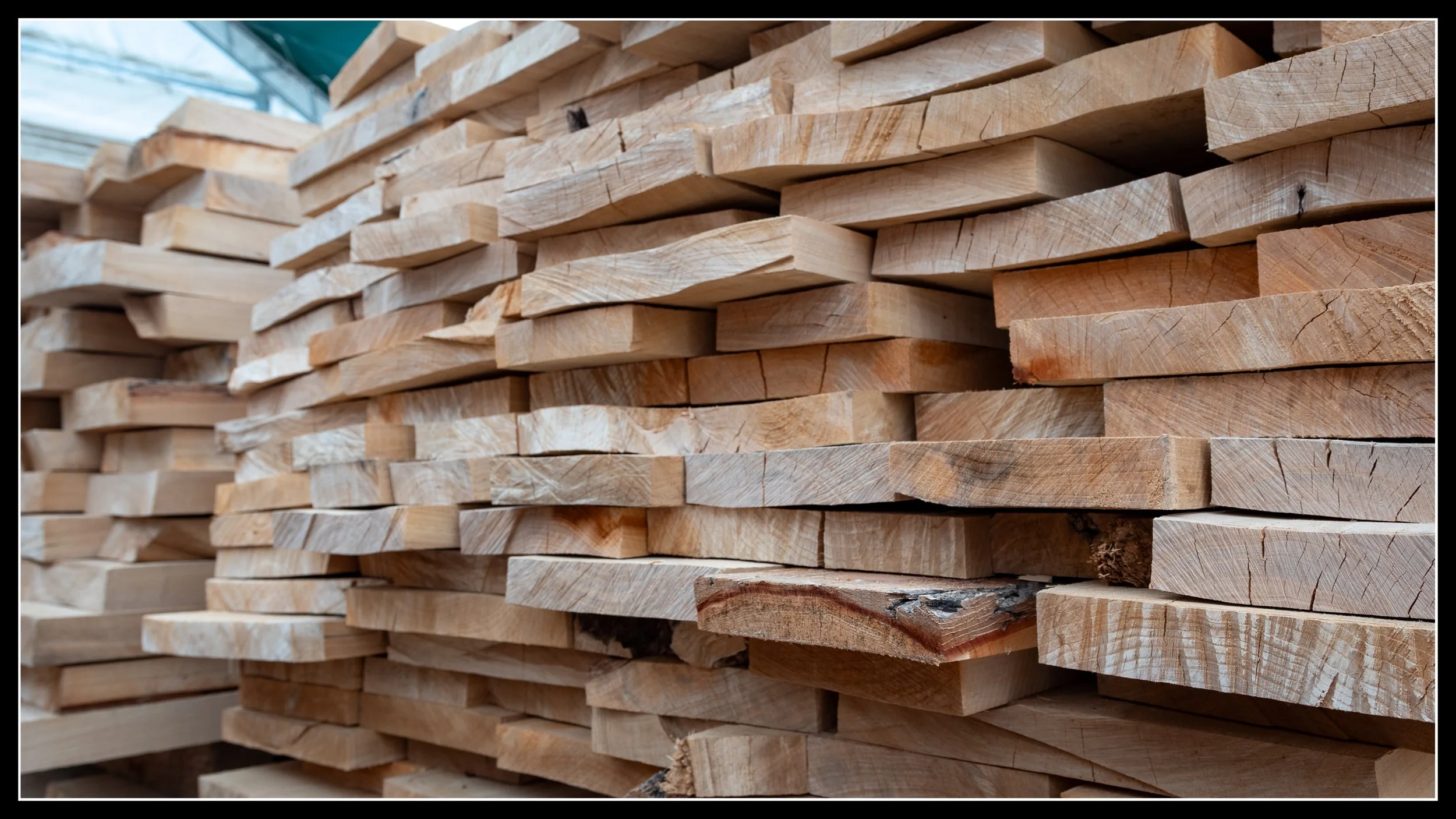
American White Elm
American white elm — rope‑fiber grain, wild colour variation, and a century‑long fight against Dutch elm disease. This story traces elm’s rise, loss, survival, and rediscovery across North America, from the great elm cities to the modern return of urban‑milled elm lumber. A species shaped by history, craft, and resilience.
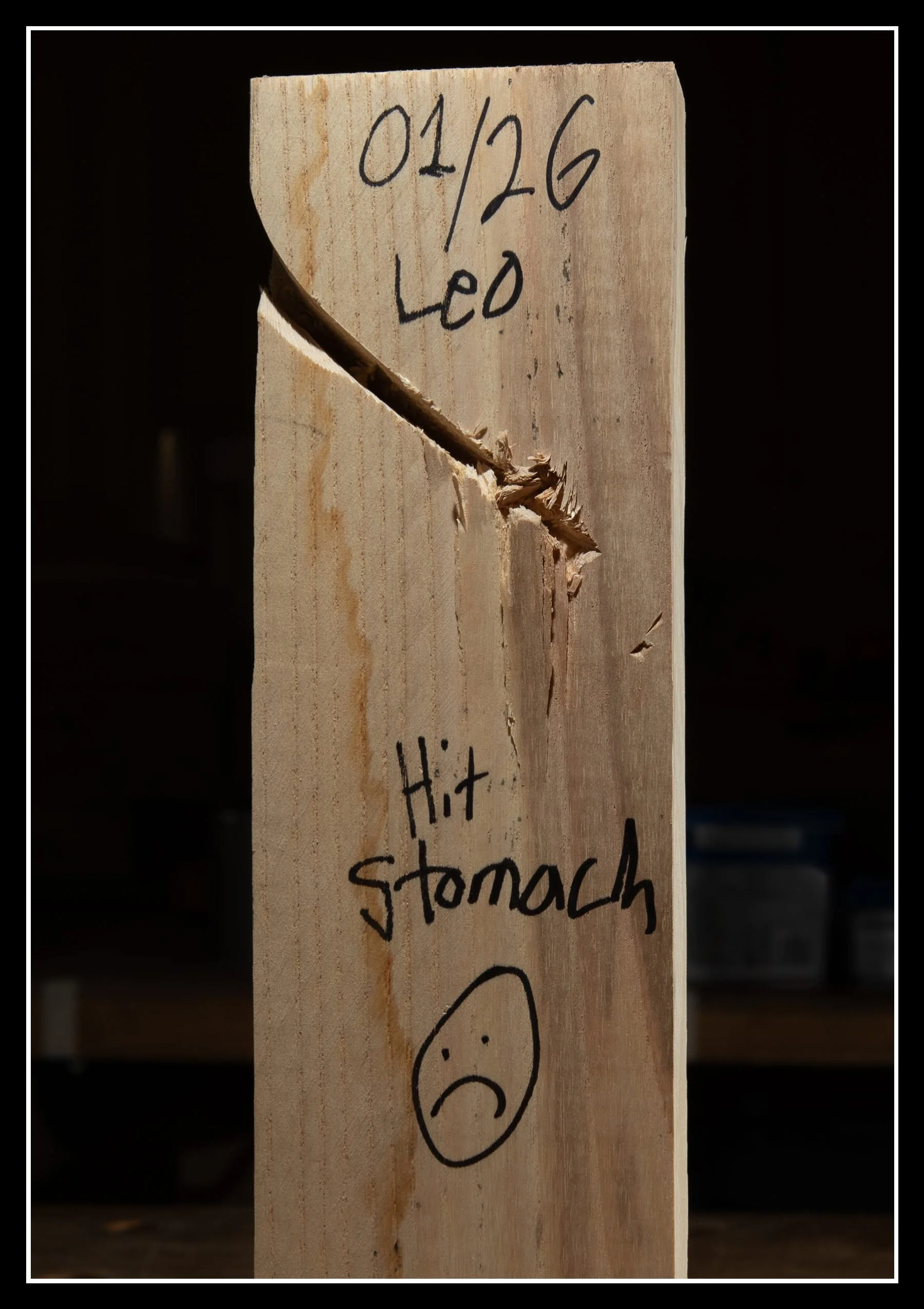
Kick Back
January in the Red River Valley is slow and cold, the kind of morning where cedar scraps, warm coffee, and steady work feel like comfort. But comfort can vanish fast. One rough ash board, one change in the saw’s hum, and a violent kickback turned a simple day into a hard‑earned lesson. This Ramble follows that moment — the shock, the teaching, and the way a shop reminds you that respect is learned, not assumed.
The Value of Wood
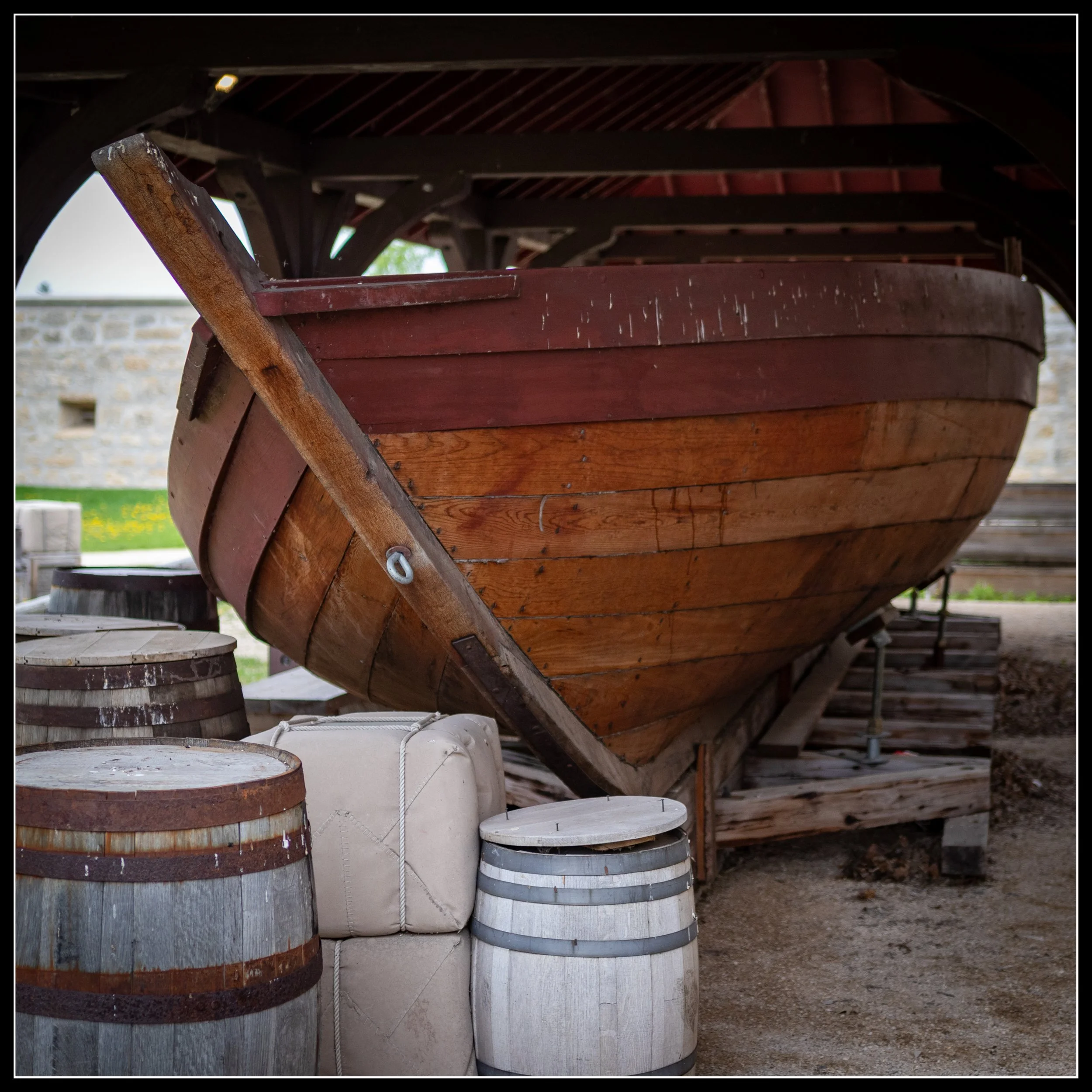
Wood built the fur trade. Winter logging, frozen muskeg crossings, river transport, and hand‑built York boats formed the timber economy that kept Hudson’s Bay Company and North West Company posts alive. This story traces how wood powered York Factory in 1817 — and why the material that meant survival then still matters every time we pick up a board today.
My First Bandsaw That Didn’t Suck
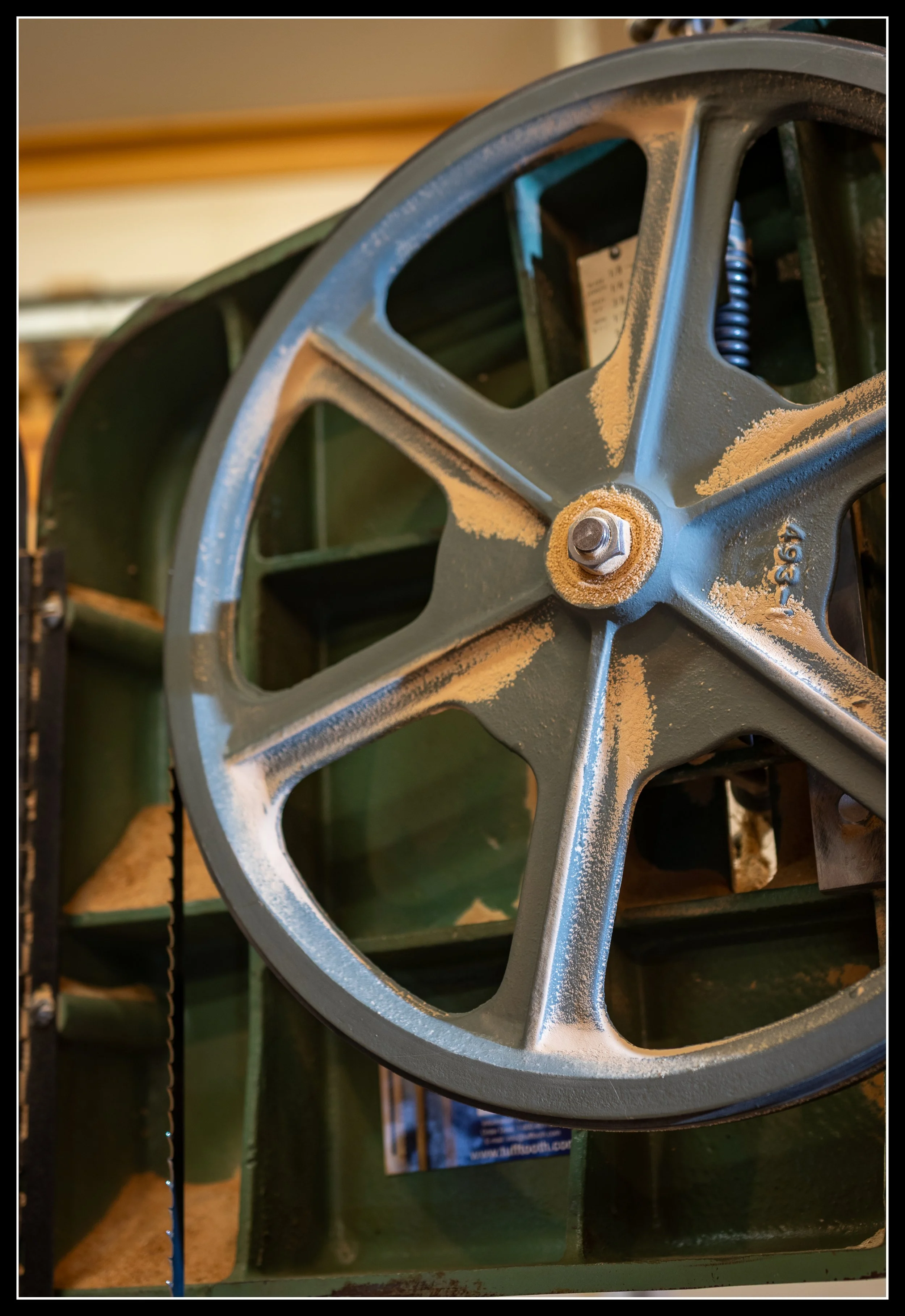
My First Bandsaw That Didn’t Suck traces the evolution of a woodworker through the machines that shaped his craft — from mid‑century Rockwell Beaver cast‑iron classics to cheap 1980s imports and finally the Canadian‑made General 490 that set the standard. If you’ve ever fought blade drift, rebuilt worn‑out guides, or wondered what separates a good bandsaw from a frustrating one, this story breaks down the real‑world lessons learned across decades in the shop.
Outdoor Wood
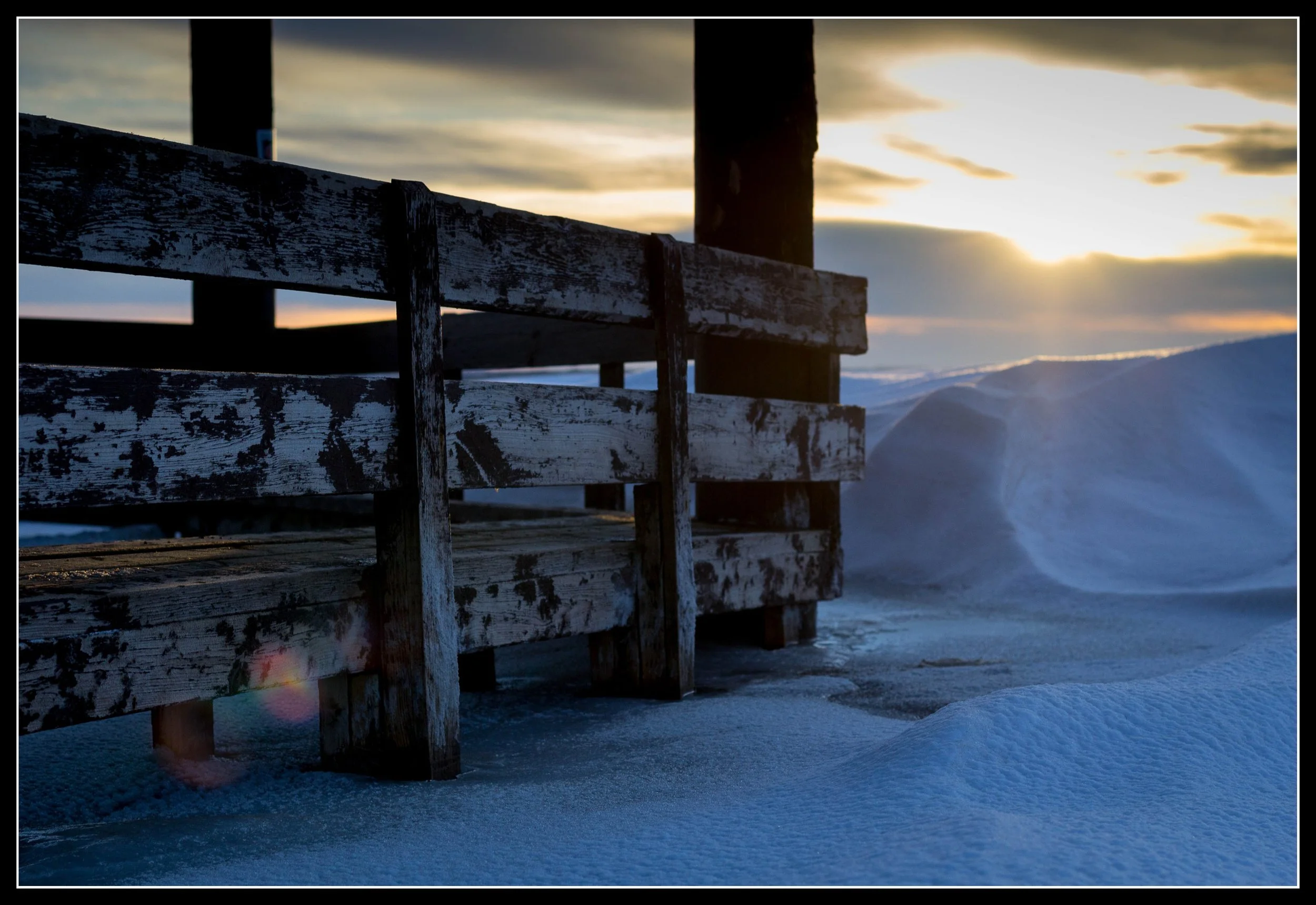
Outdoor wood faces sun, snow, floodwater, ice, and 200 years of Prairie weather. This story explains how bur oak, tamarack, cedar, Douglas fir, treated spruce, and modern HDPE survived (or failed) in real conditions — freeze‑thaw cycles, river floods, soil contact, and decades of exposure. Built from fieldwork across Manitoba, it’s the long Prairie record of outdoor wood: what lasted, what didn’t, and why our choices still matter today.
The Table Saw That Held Me Back
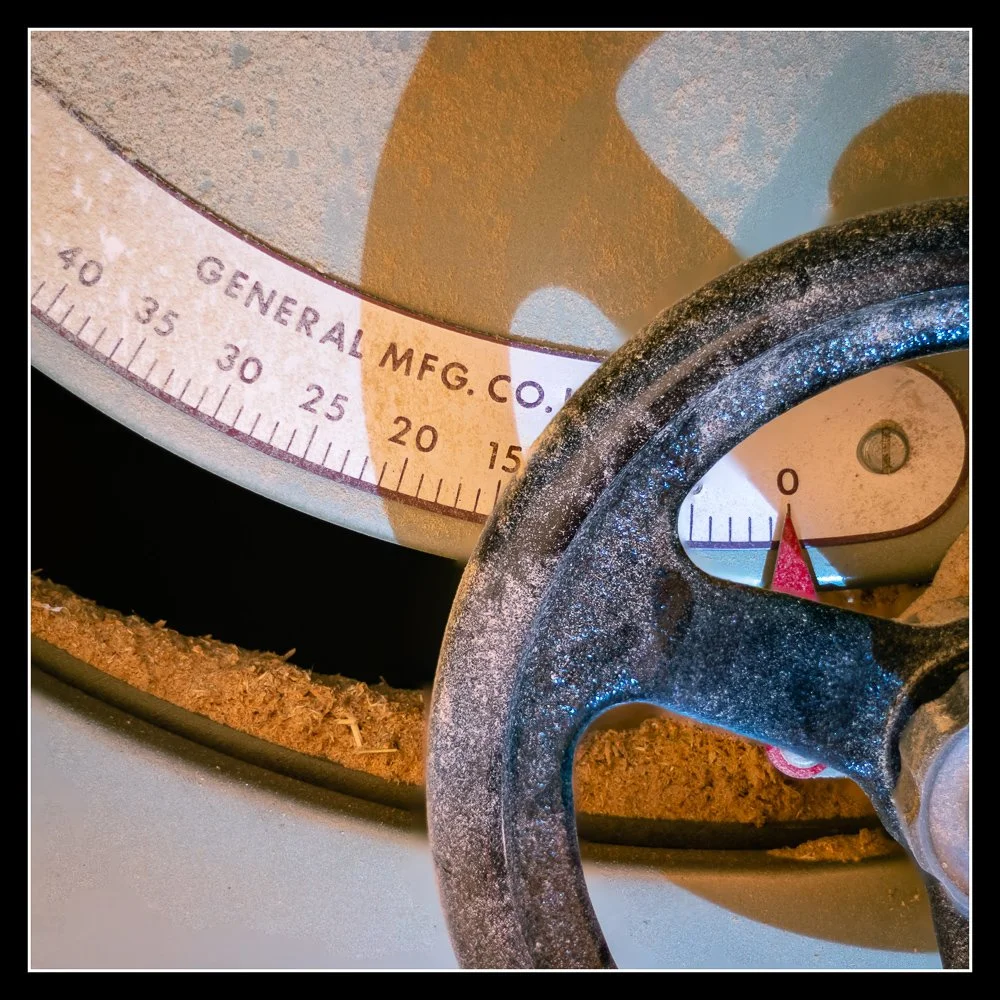
From a plastic‑cranked Rockwell Beaver to a cast‑iron General 350, this story traces the real difference between contractor saws and cabinet saws — accuracy, power, safety, and the moment a machine stops holding a woodworker back. If you’ve ever wondered whether upgrading your table saw matters, this is the lived experience behind the answer.
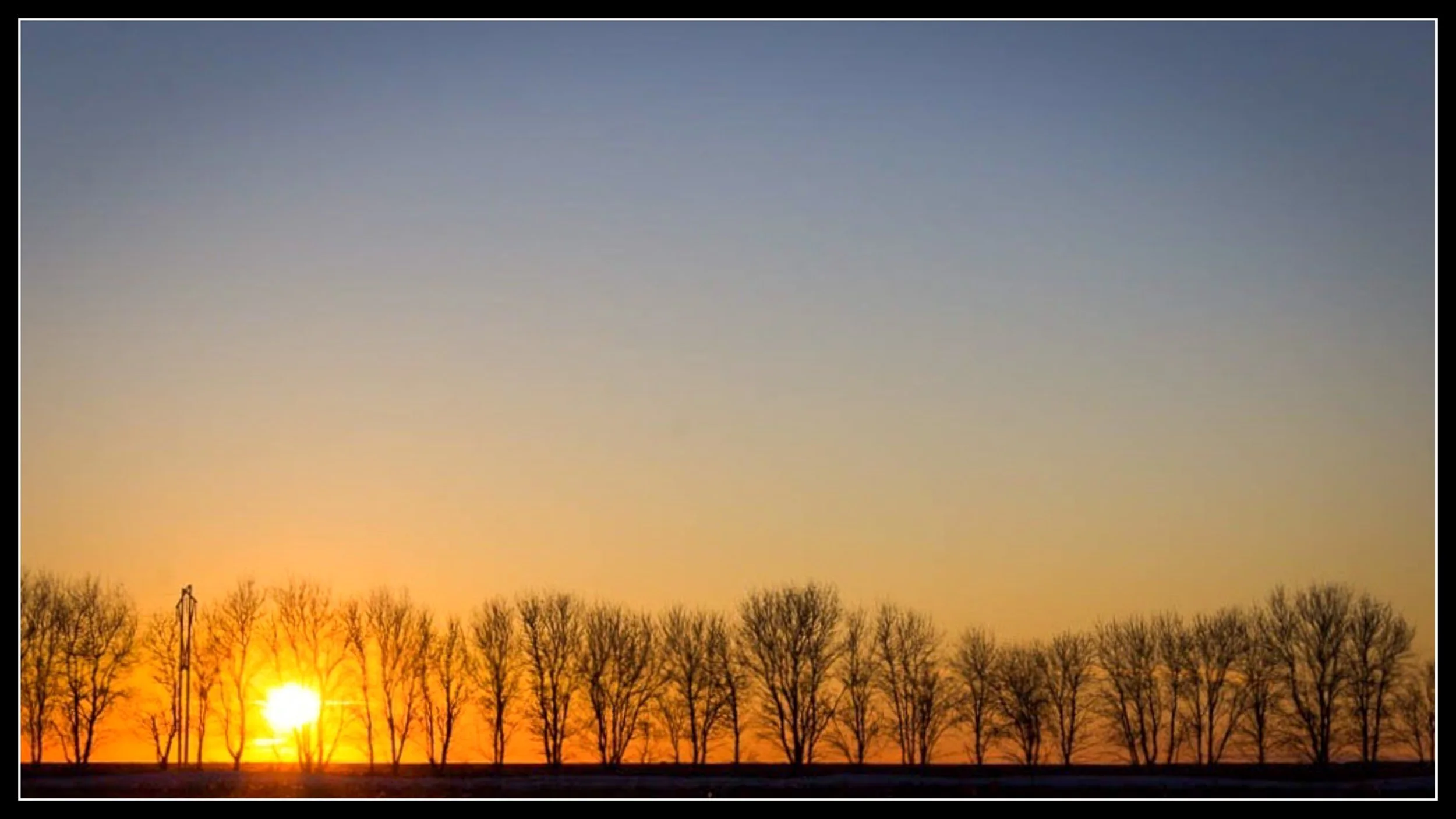
Ash
Ash trees across North America — green ash shelterbelts, white ash hardwood, black ash heritage, and the emerald ash borer now threatening every species.
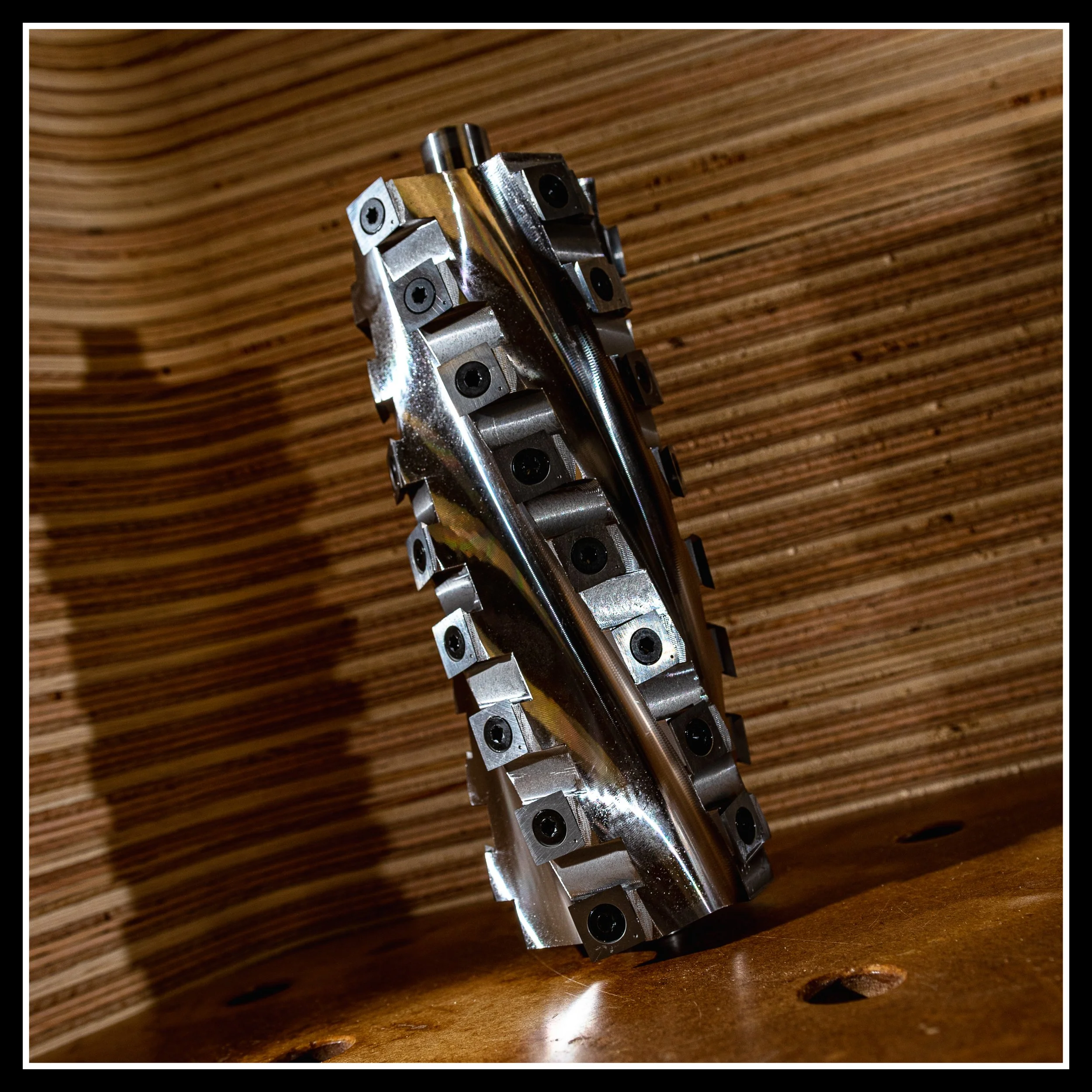
Photography for Woodworkers
Woodworkers search all the time for how to do photography for woodworkers — how to light a project, how to make grain show up, how to take a simple shop photo that actually looks like the work you built. This Ramble walks through that in real examples: tools, tables, nightstands, and the same kind of shop light every woodworker already has. Controlled flashes, diffused sunlight, shallow depth of field, backlight, silhouettes — all the ways light can reveal the craft. It’s not about the camera. It’s about learning to see.
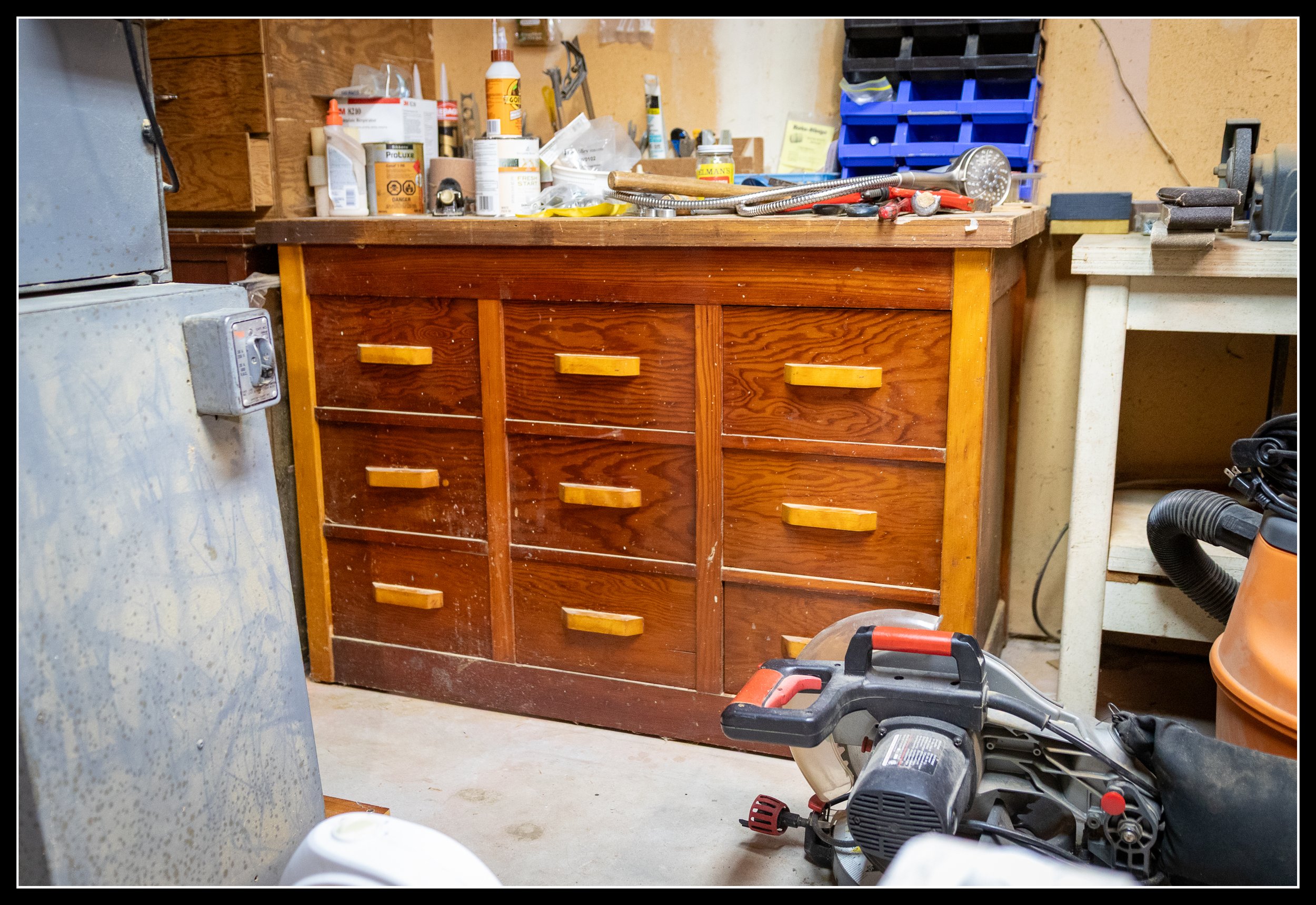
Douglas Fir
Douglas Fir is the wood that shaped my grandfather’s shop — the smell, the grain, the work of his era. Around here, fir belongs to yesterday, but the pieces he built, the boards that survived, and the finishes that still hold his touch prove how much this wood mattered. This is a story about the fir that built a generation, the craft it carried forward, and the way it’s scent can still pull me back to the place where my love of woodworking began.
What Woodworkers Really Do When the Power Goes Out
When the power goes out in a woodshop, everything changes. Machines stop, lights fade, and the whole crew shifts into cleanup mode, safety mode, or story mode — because a power outage in a woodshop isn’t a break, it’s a whole different way of working.
Cedar
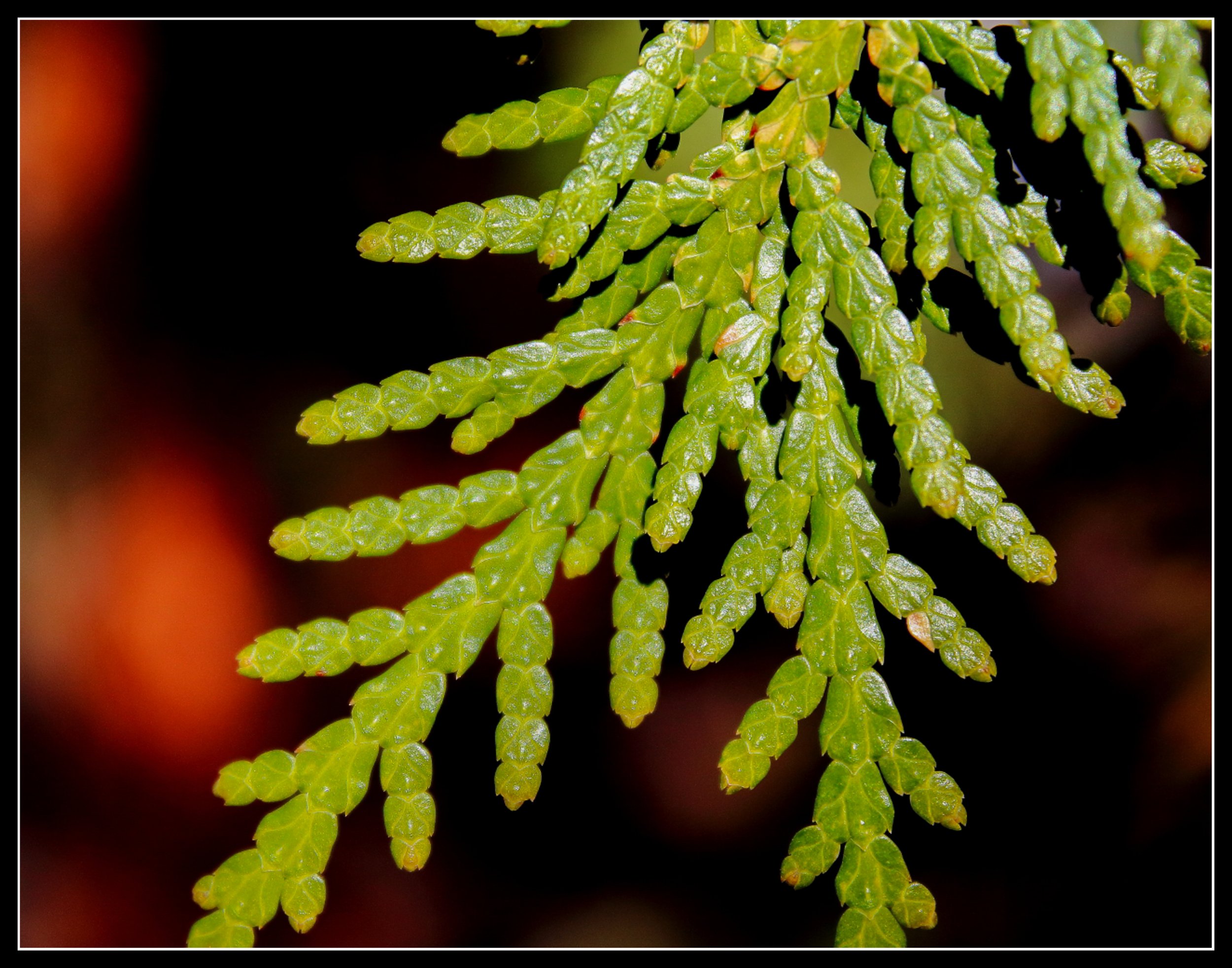
Cedar wood — soft, aromatic, and naturally rot‑resistant. This story explains why cedar lasts outdoors, why it’s so light and full of scent, and how its deep‑time evolution shaped Western Red Cedar and Eastern White Cedar into the forgiving softwoods we use today.
Wood Doesn’t Lie: Lessons From the Woodpile to the Workshop
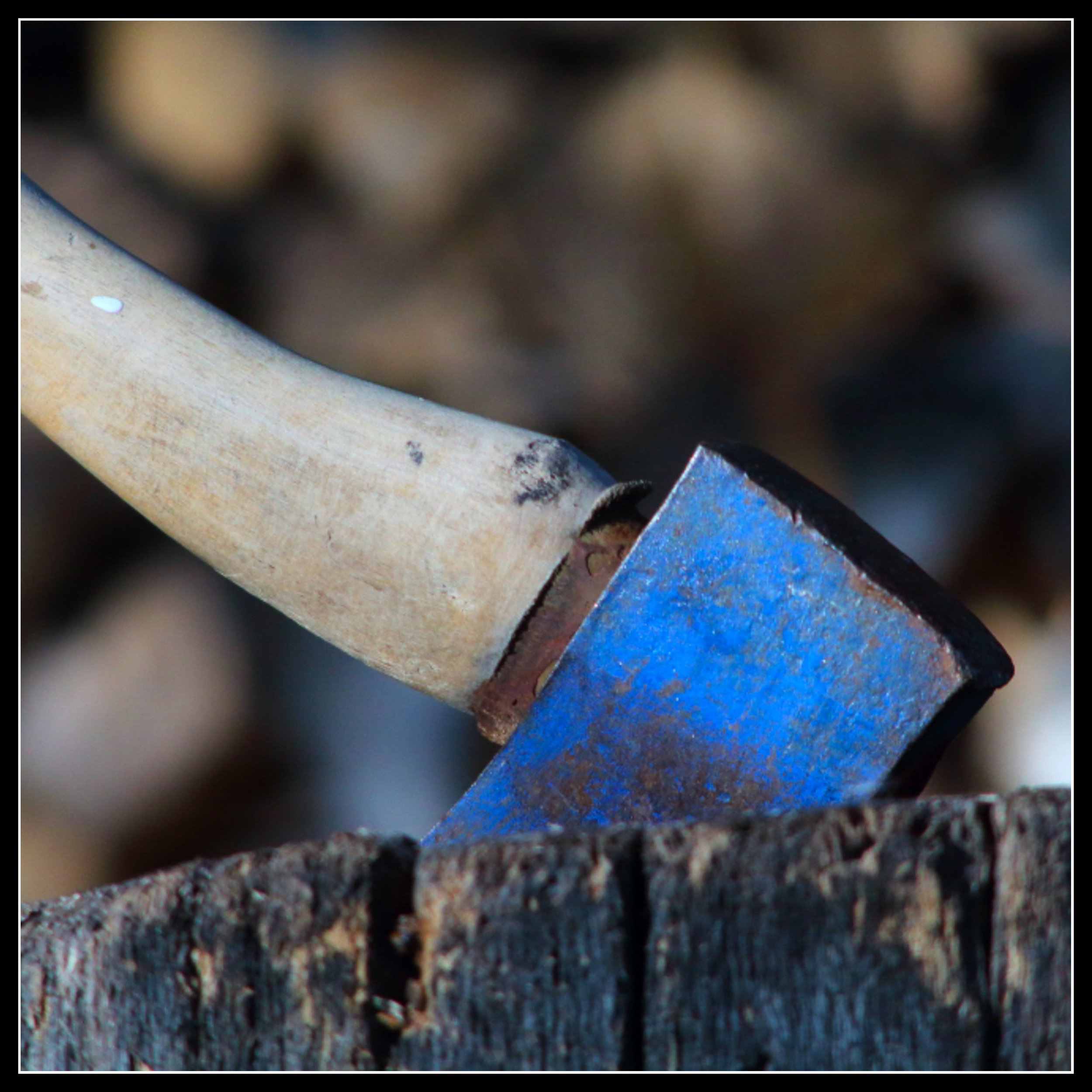
A lifetime of splitting firewood taught me the first truths about wood — grain, movement, strength, and the imperfections every tree carries. Those lessons followed me into the workshop, shaping how I read lumber, choose boards, and understand the character inside every piece of wood.
Spruce
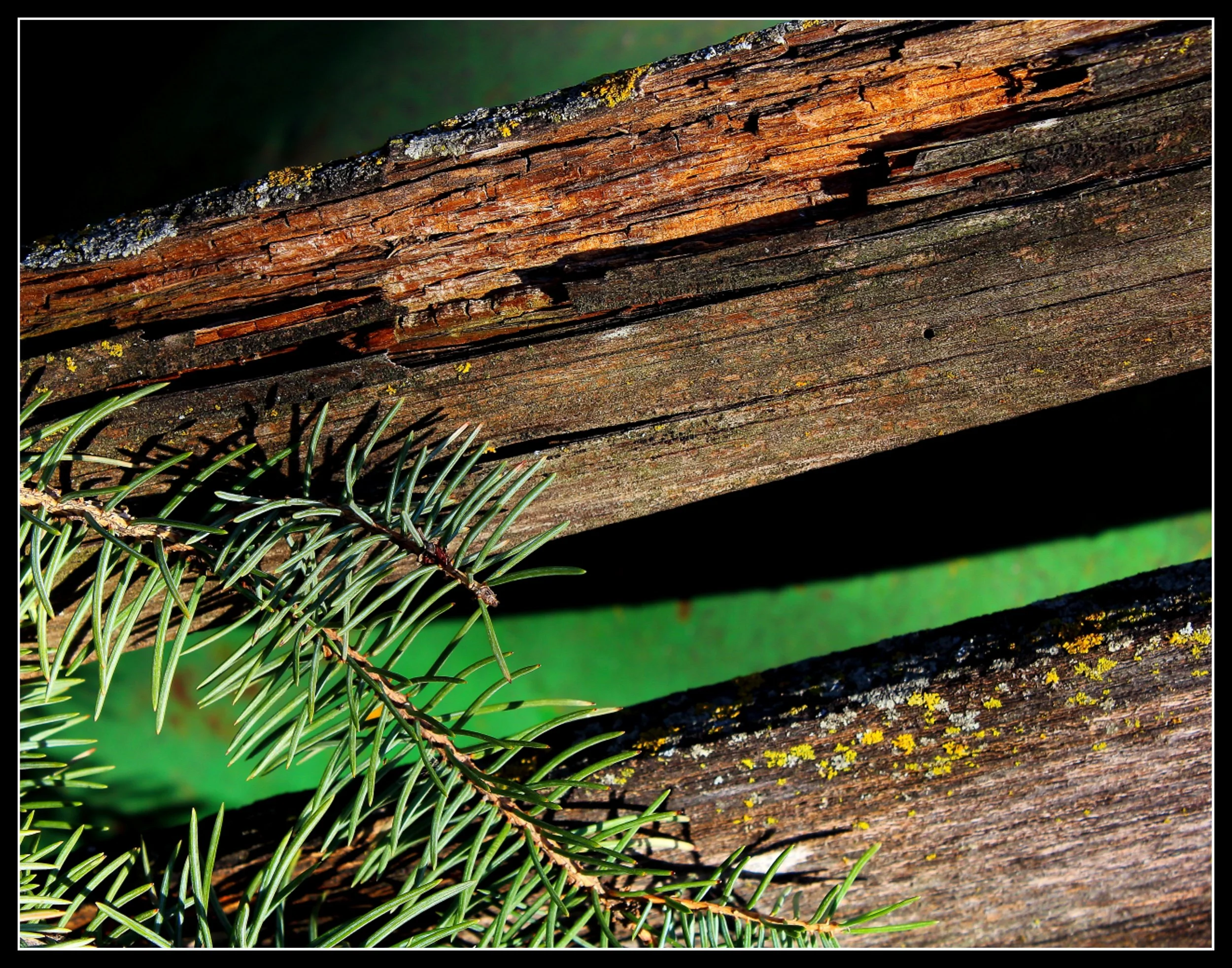
Spruce is the quiet backbone of Canada — the tree behind the drywall, under the shingles, and in the bones of every house from the Prairies to the Shield. Not perfect, not flashy, just holding the country together.
Woodworking After 50: Why the Shop Matters More Than Ever
Woodworking after 50 is less about tools and more about patience, problem‑solving, and the comfort of a shop that’s truly yours. This Ramble reflects on family shops, the smell of Douglas fir, teaching grandkids, and the lessons learned over a lifetime at the bench.
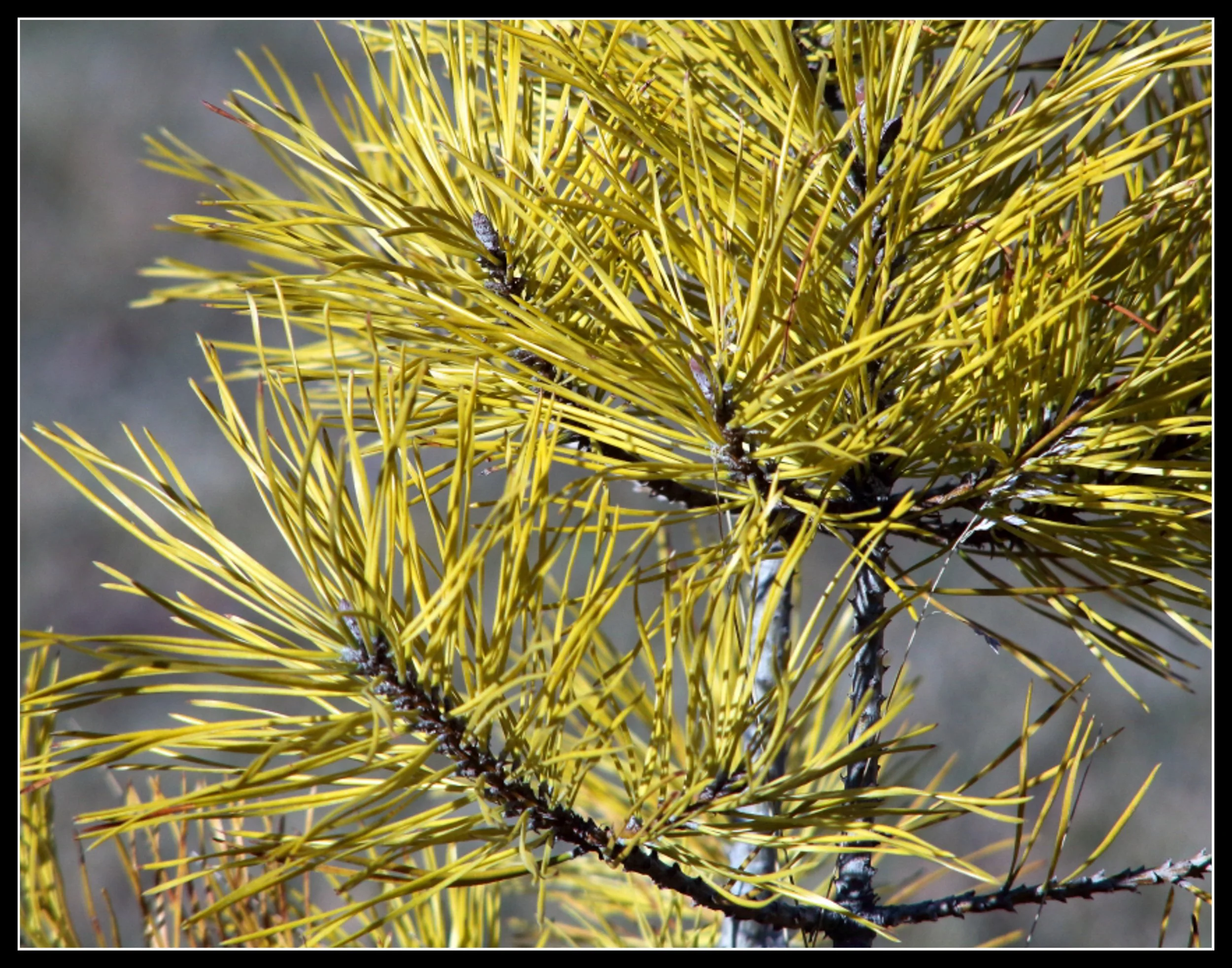
Pine
Eastern White Pine isn’t just softwood lumber — it’s a fire‑forged species that rebuilt Canada after glaciers and wildfires. Its scent, its grain, and its history make it one of the most iconic woods in North America.
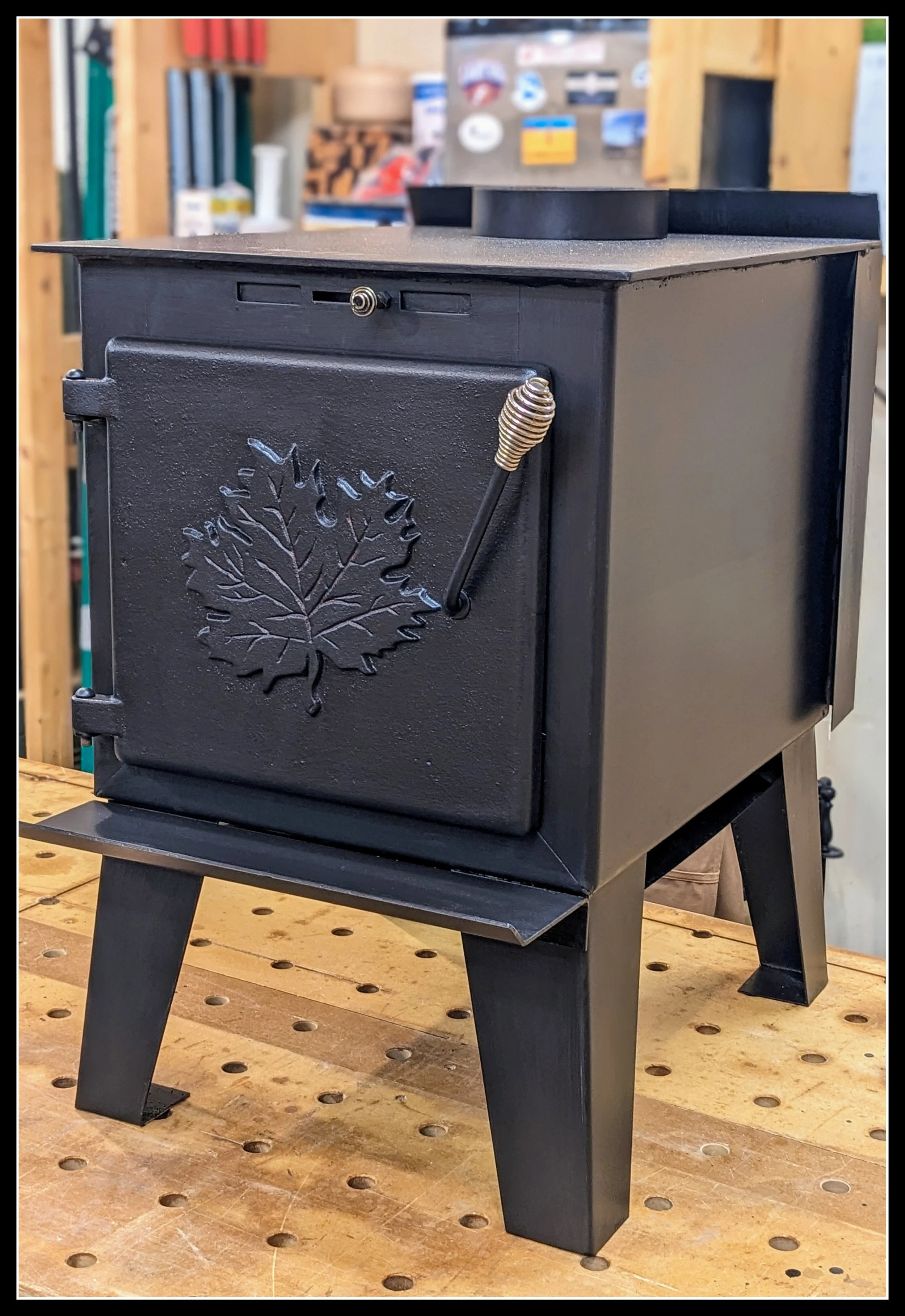
Cleaning the Shop, Living With Cancer
A shop reset during cancer recovery — clearing clutter, finding strength, and rediscovering the small grounding rituals that keep a woodworker standing. This Ramble explores resilience, healing, and the meaning of a clean slate.
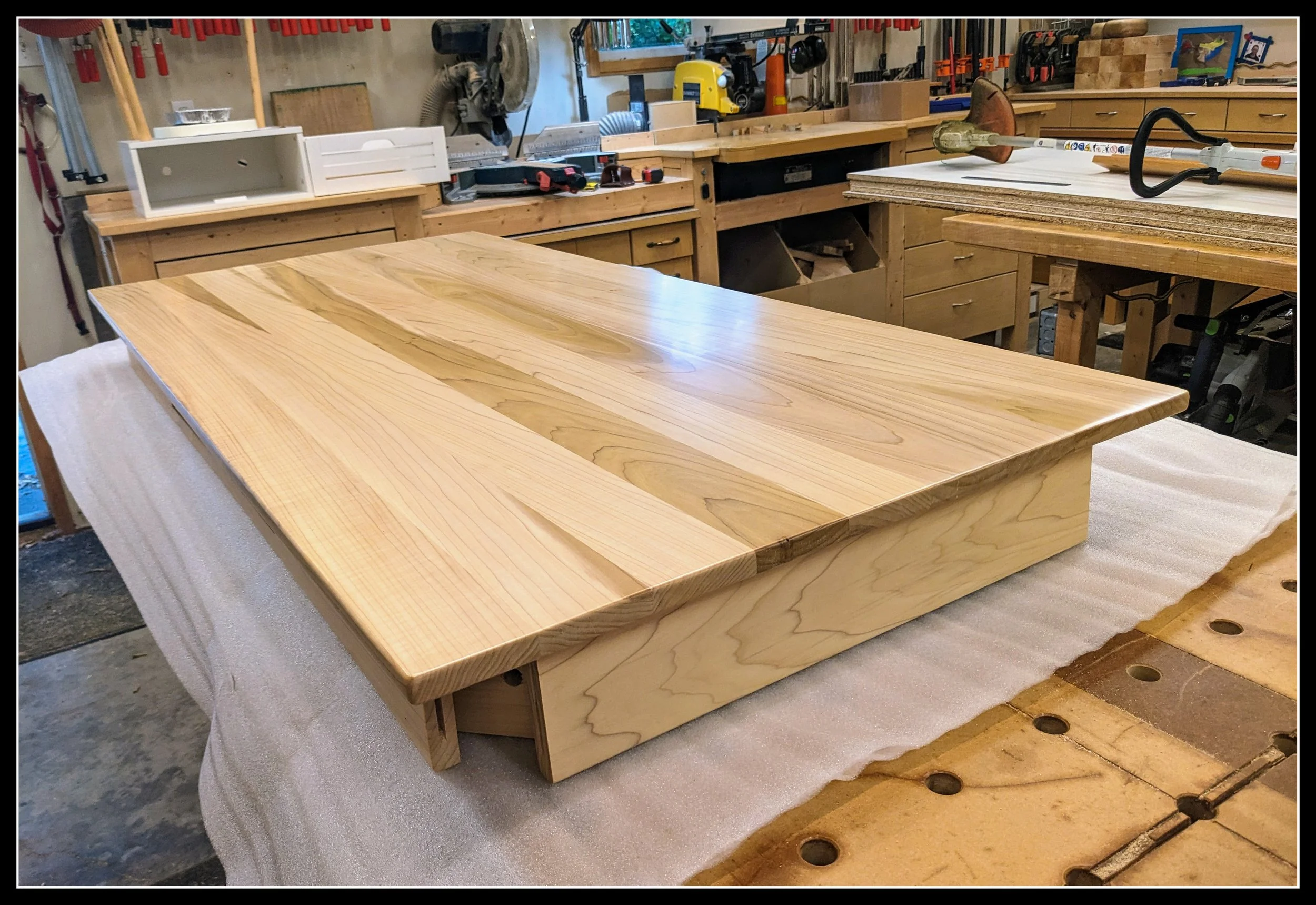
Poplar
Poplar is the paint‑grade workhorse of the shop — a fast‑growing pioneer hardwood that’s stable, predictable, and perfect for the quiet jobs behind the scenes. This Ramble explores how poplar grows, why it’s so reliable, and why every woodworker depends on it.
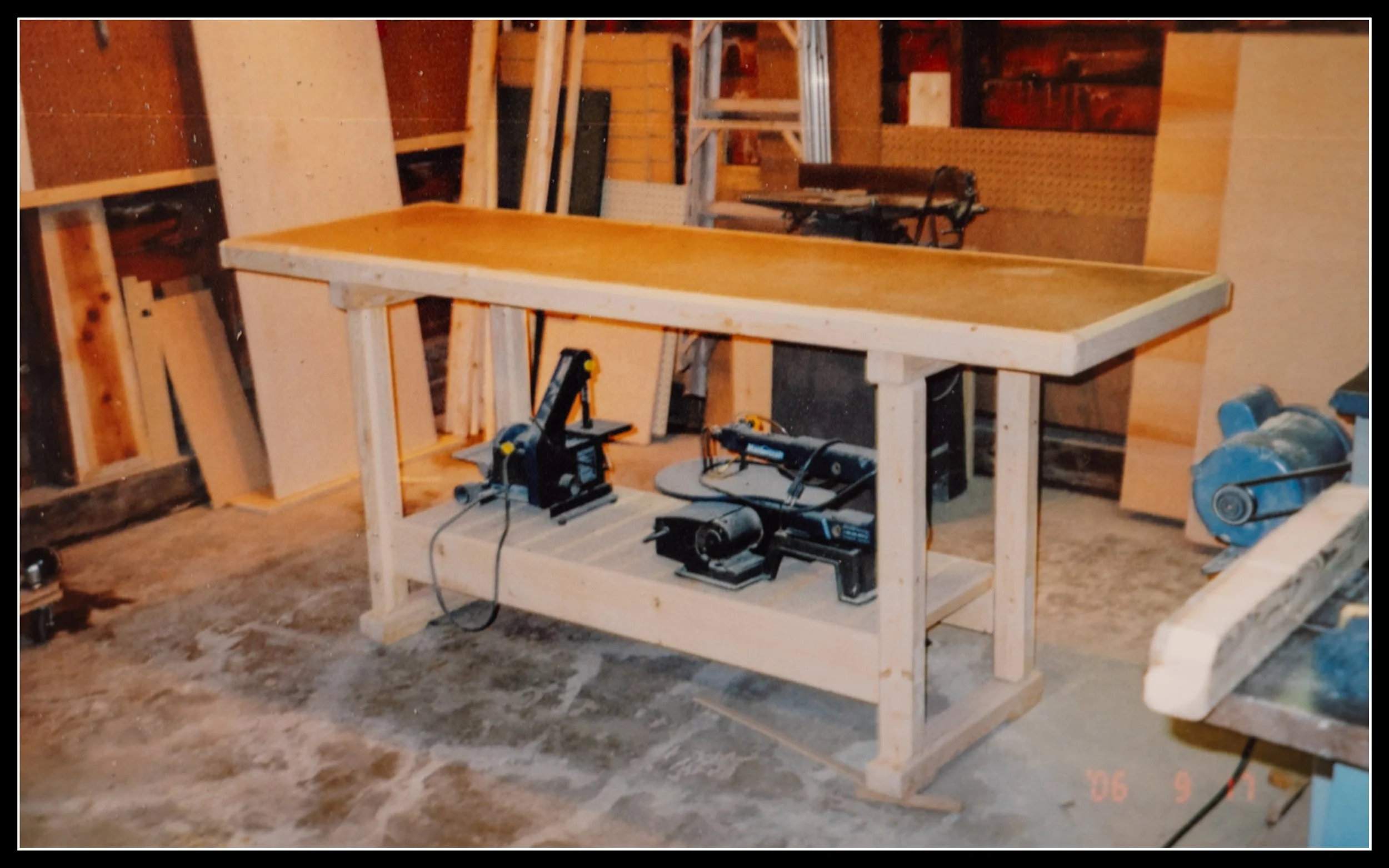
The Mistake Every New Woodworker Makes (And I Made It Too)
Every new woodworker makes the same mistake: trying to force wood to behave. This Ramble follows a twisted spruce workbench, glue‑up problems, and the hard‑earned lesson about wood movement that every beginner eventually learns.
Walnut
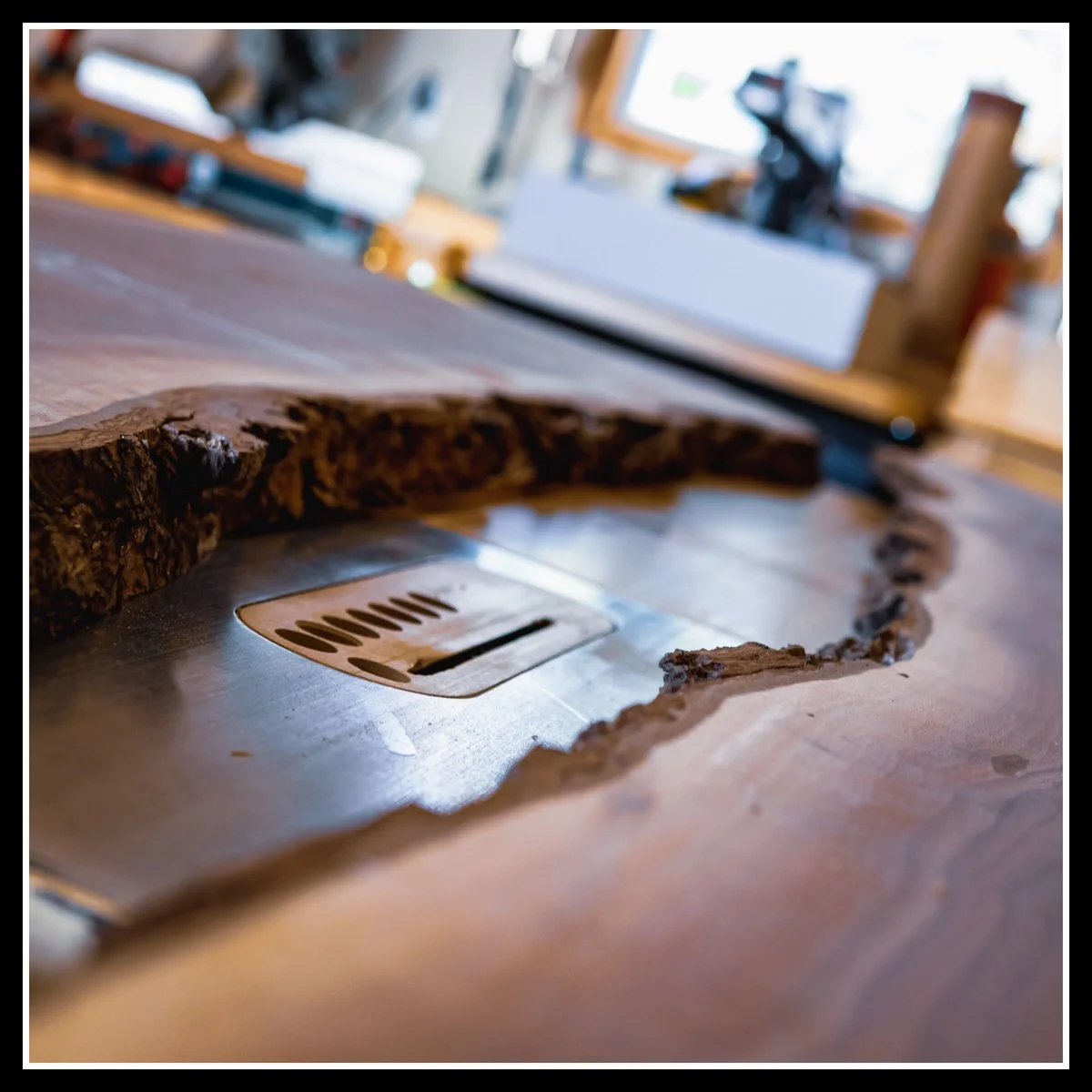
Walnut has a reputation bigger than the tree itself. People treat it like a rare, luxury hardwood, but in the shop it’s just walnut — honest, stable, beautiful, and one of the most enjoyable woods to work with. This Ramble cuts through the hype and looks at black walnut as it really is: the tree, the lumber, the grain, the chemistry, and the truth behind its reputation.