

Shop Notes & Rambles
The Rambles are the stories lived and learned over decades — the moments, the lessons, and the shop life that shaped the craft. They accumulate here, sorted by publish date. If you want the curated version, explore the Workshop Library.
Spruce
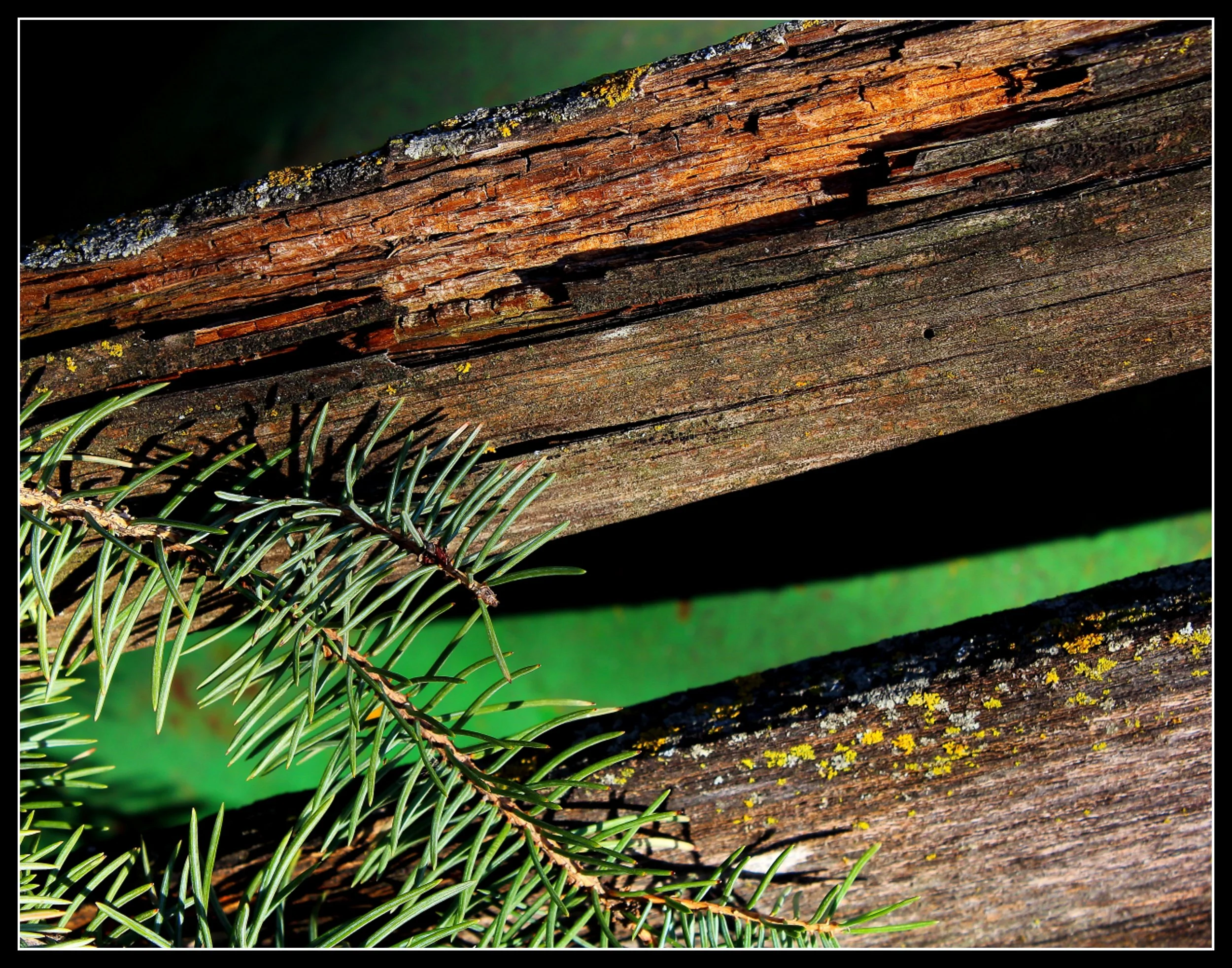
Spruce is the quiet backbone of Canada — the tree behind the drywall, under the shingles, and in the bones of every house from the Prairies to the Shield. Not perfect, not flashy, just holding the country together.

Woodworking After 50: Why the Shop Matters More Than Ever
Woodworking after 50 is less about tools and more about patience, problem‑solving, and the comfort of a shop that’s truly yours. This Ramble reflects on family shops, the smell of Douglas fir, teaching grandkids, and the lessons learned over a lifetime at the bench.
Pine
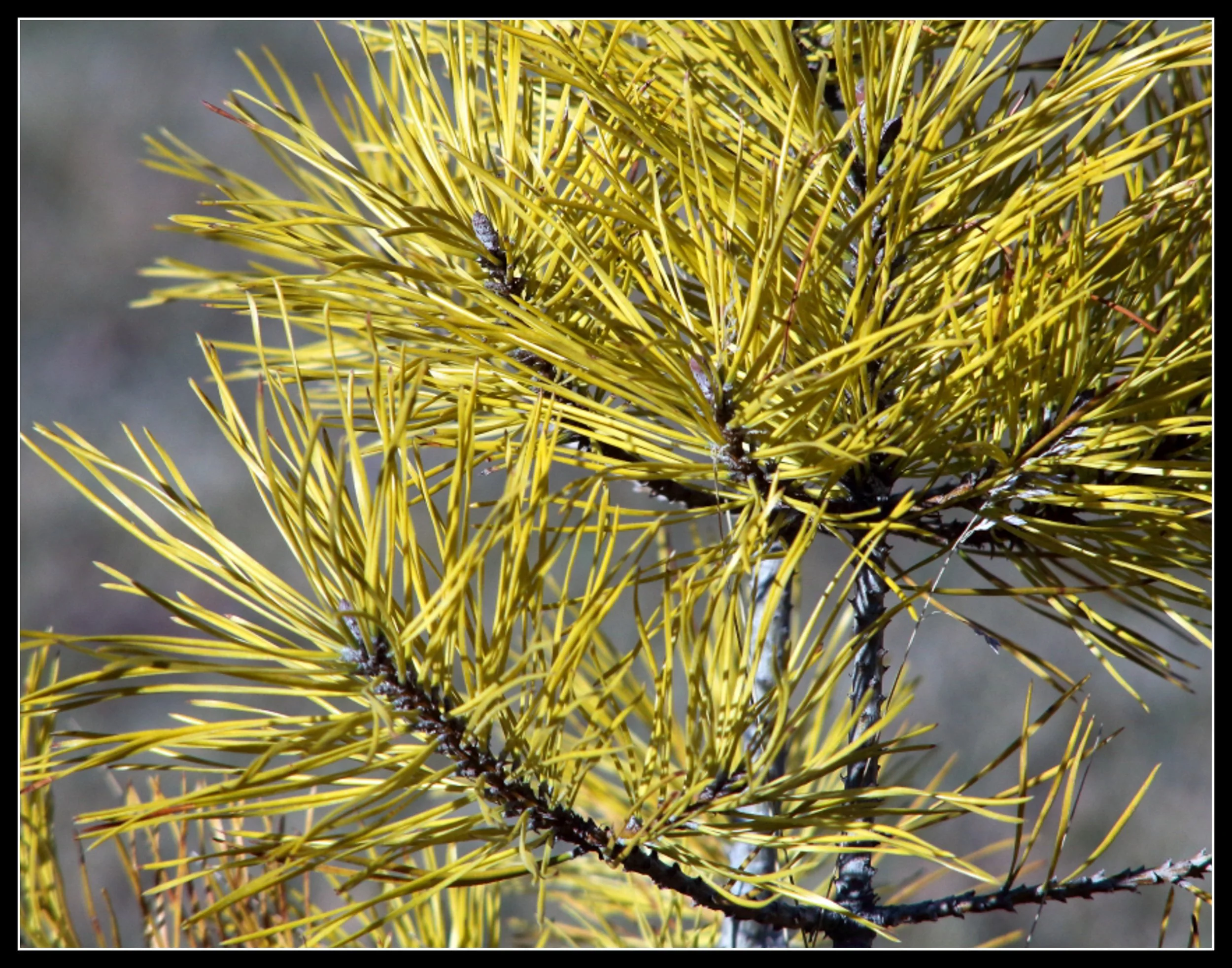
Eastern White Pine isn’t just softwood lumber — it’s a fire‑forged species that rebuilt Canada after glaciers and wildfires. Its scent, its grain, and its history make it one of the most iconic woods in North America.
Cleaning the Shop, Living With Cancer
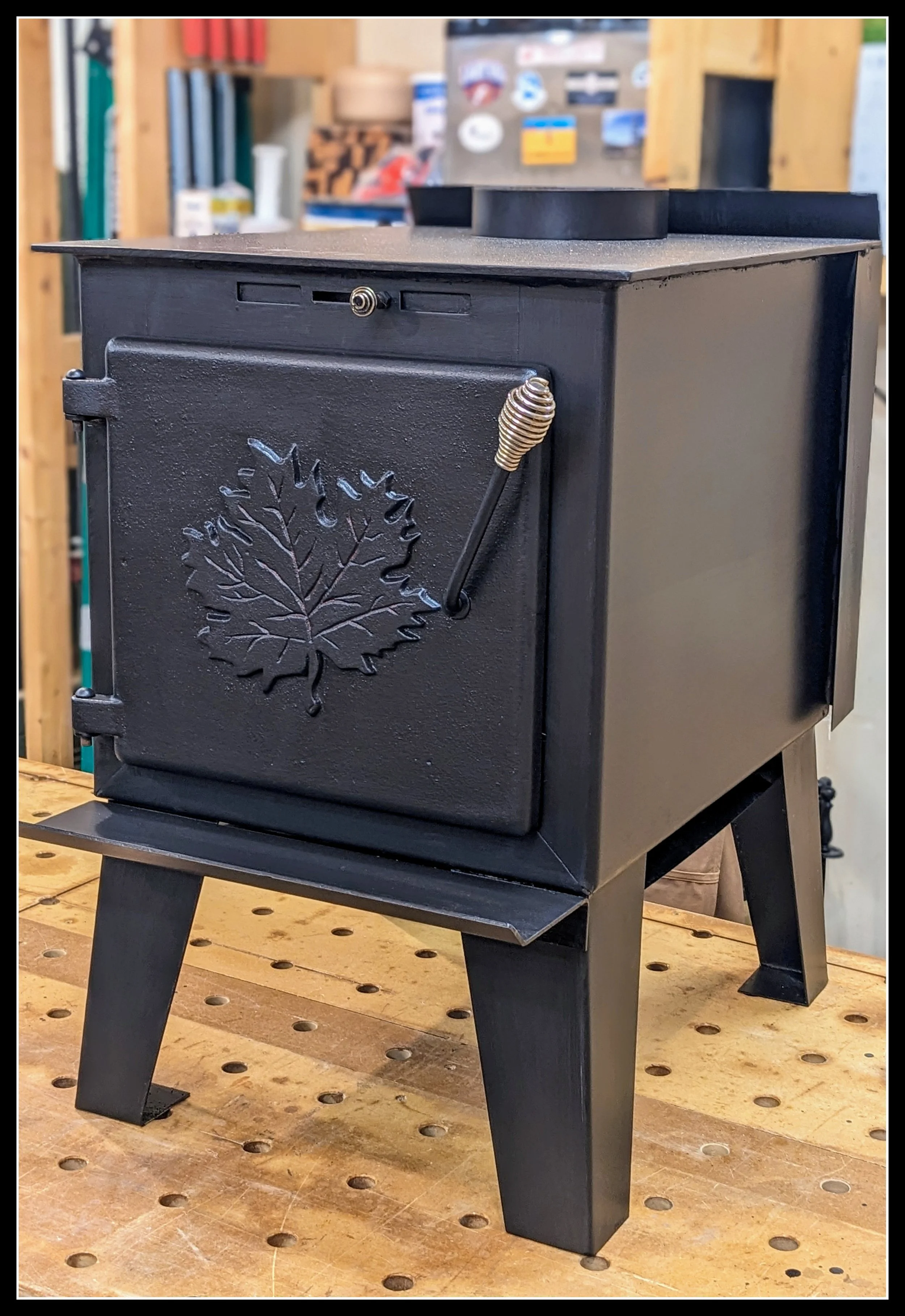
A shop reset during cancer recovery — clearing clutter, finding strength, and rediscovering the small grounding rituals that keep a woodworker standing. This Ramble explores resilience, healing, and the meaning of a clean slate.
Poplar
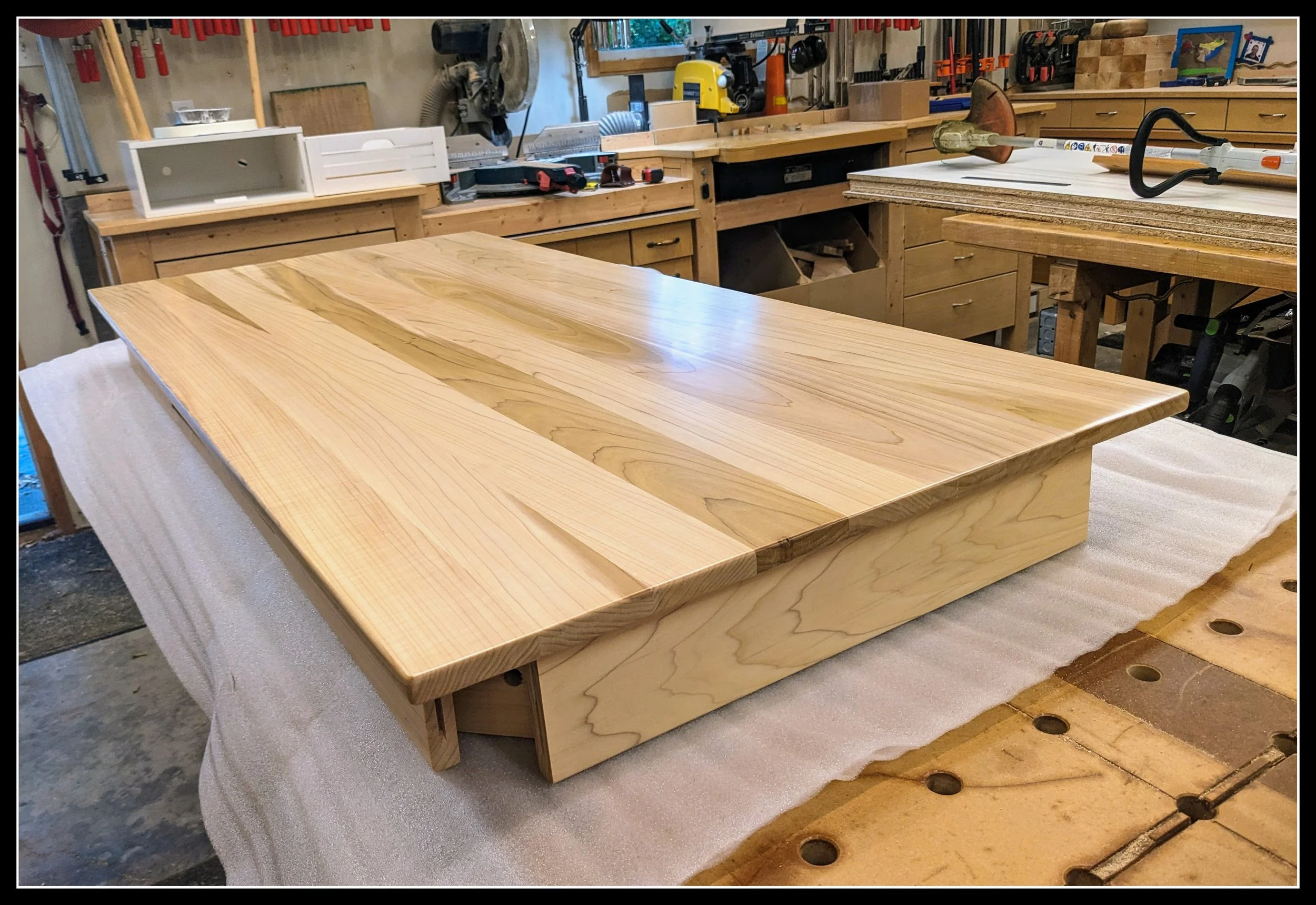
Poplar is the paint‑grade workhorse of the shop — a fast‑growing pioneer hardwood that’s stable, predictable, and perfect for the quiet jobs behind the scenes. This Ramble explores how poplar grows, why it’s so reliable, and why every woodworker depends on it.
The Mistake Every New Woodworker Makes (And I Made It Too)
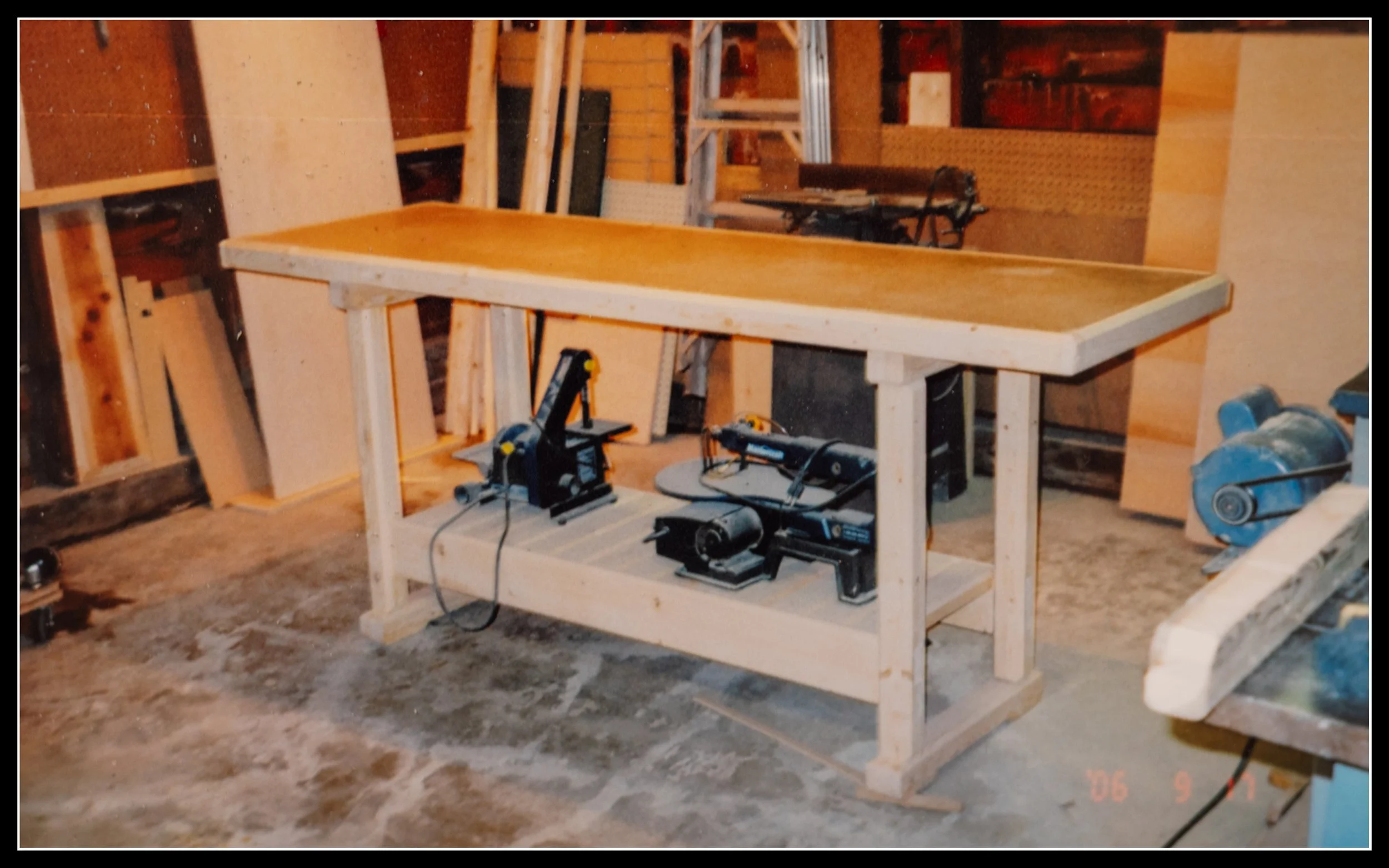
Every new woodworker makes the same mistake: trying to force wood to behave. This Ramble follows a twisted spruce workbench, glue‑up problems, and the hard‑earned lesson about wood movement that every beginner eventually learns.
Walnut
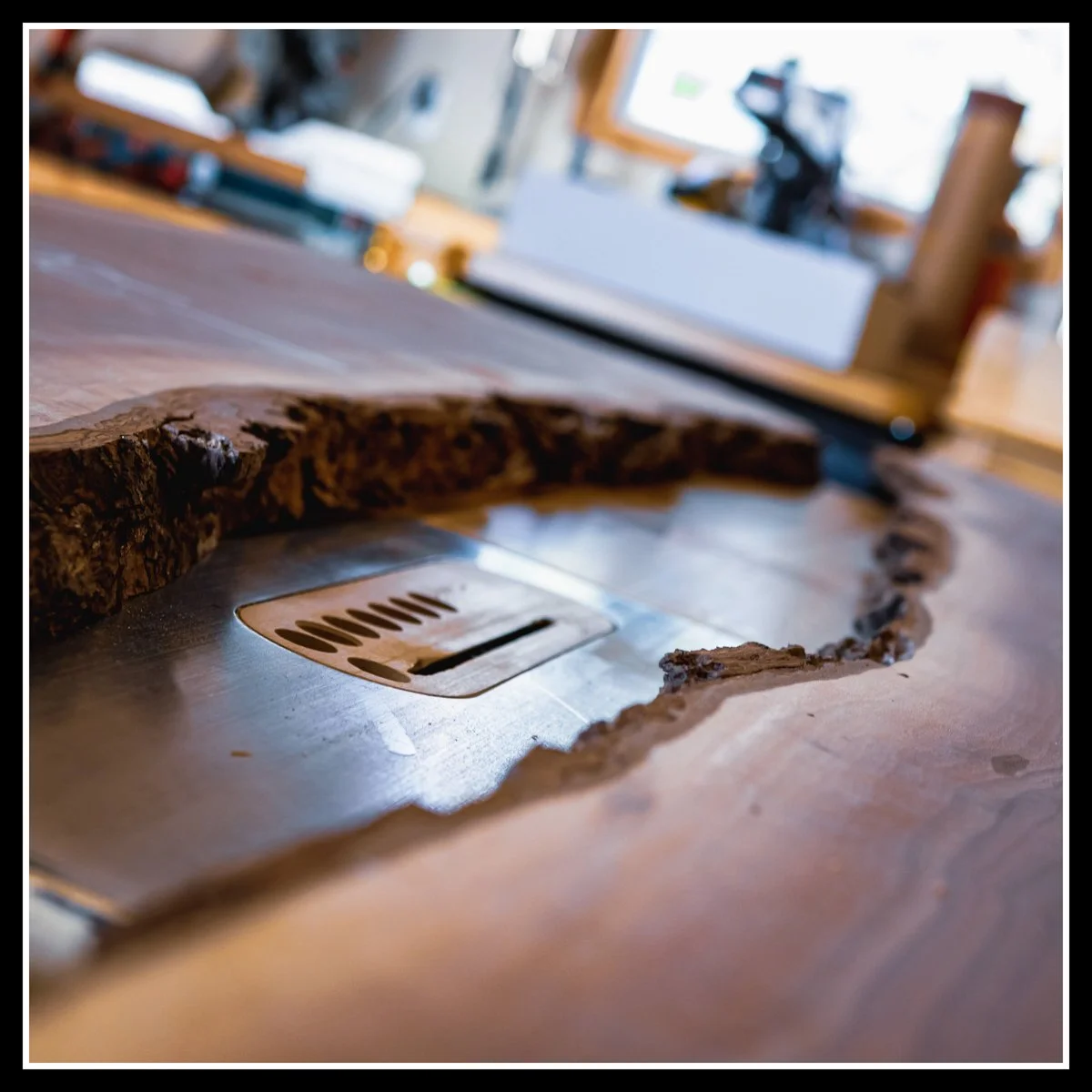
Walnut has a reputation bigger than the tree itself. People treat it like a rare, luxury hardwood, but in the shop it’s just walnut — honest, stable, beautiful, and one of the most enjoyable woods to work with. This Ramble cuts through the hype and looks at black walnut as it really is: the tree, the lumber, the grain, the chemistry, and the truth behind its reputation.

Cherry
Cherry comes from the Black Cherry tree — a fast‑growing pioneer species with tannin‑rich heartwood, pale sapwood, and a history written in its growth rings. This Ramble explores why cherry blotches, how it ages, and why its warm whiskey colour keeps it one of the most loved hardwoods in the shop.
Early Balloon Frame Housing in Manitoba
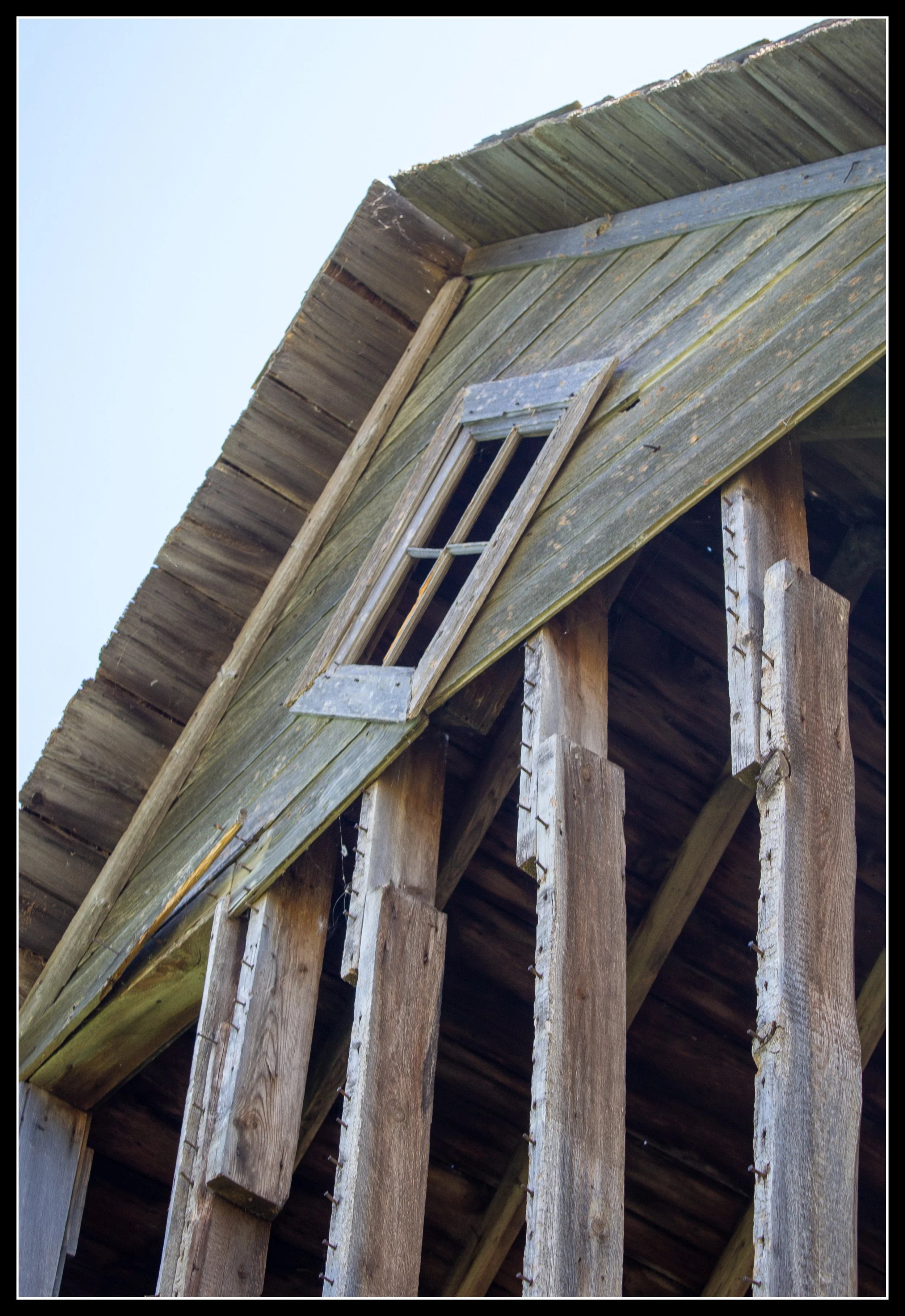
Early balloon‑frame houses in Manitoba were built with true 2×4 lumber, mixed species, and whatever the frontier could supply. This Ramble explores the 1872–1885 transitional era — rough mills, rail‑shipped long boards, fieldstone foundations, and the improvised framing that defined Manitoba’s earliest light‑frame homes.
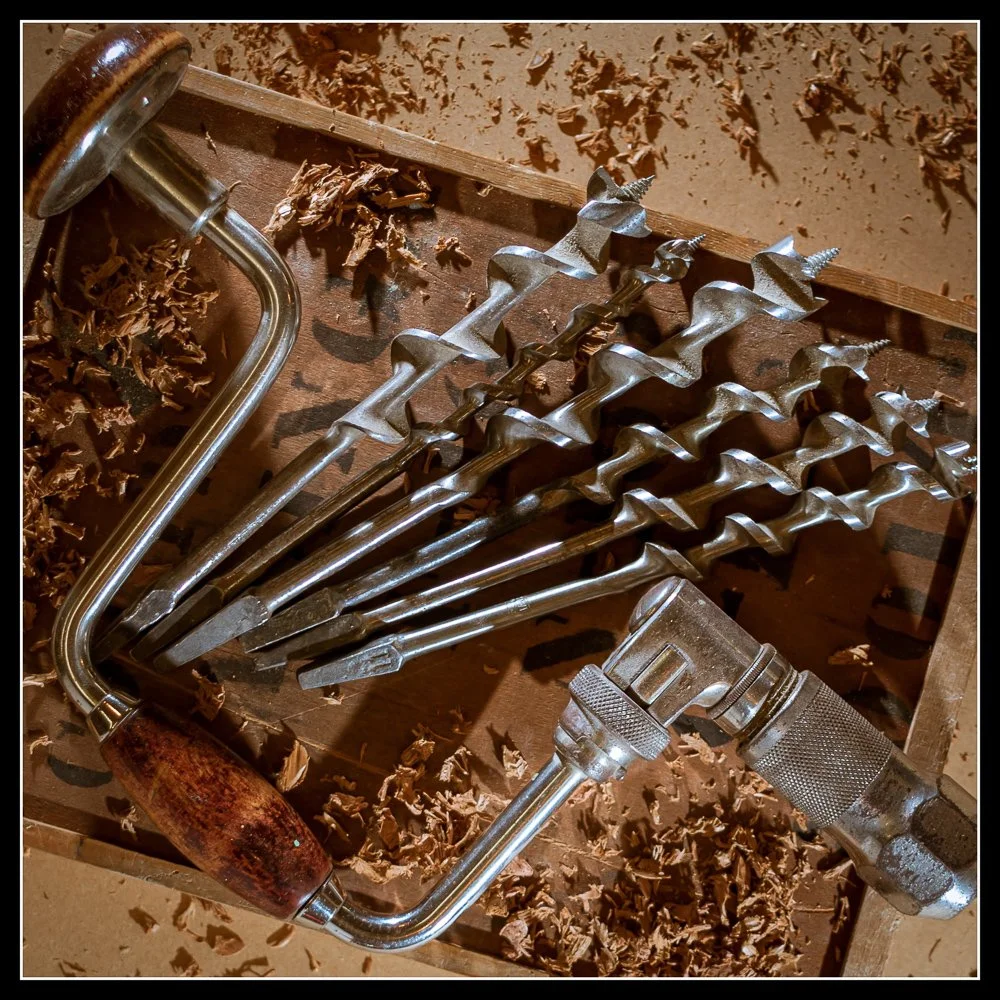
Grandpa’s Toolbox
A Quiet Story about heritage tools, basement shops, and the hand plane passed from Grandpa to father to son — a reminder of why old tools matter, what they carry, and how they shape the craftspeople who inherit them.
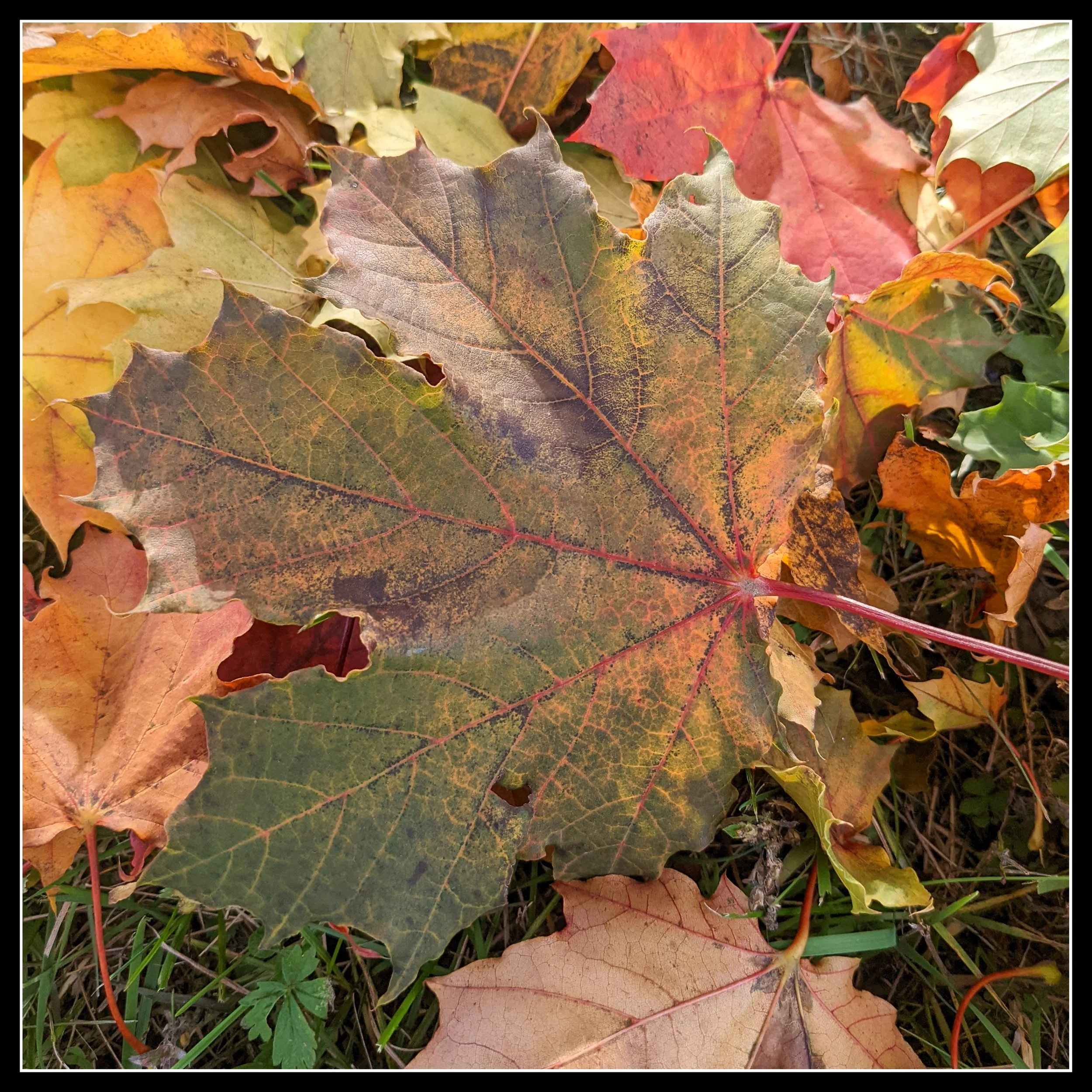
🍁 Hard Maple
Hard maple comes from the sugar maple — a northern, slow‑grown hardwood shaped by freeze–thaw cycles, tight grain, and dense, closed‑pore anatomy. This Ramble explains why it burns on dull blades, shines under sharp tools, and remains one of the most reliable woods in the shop.
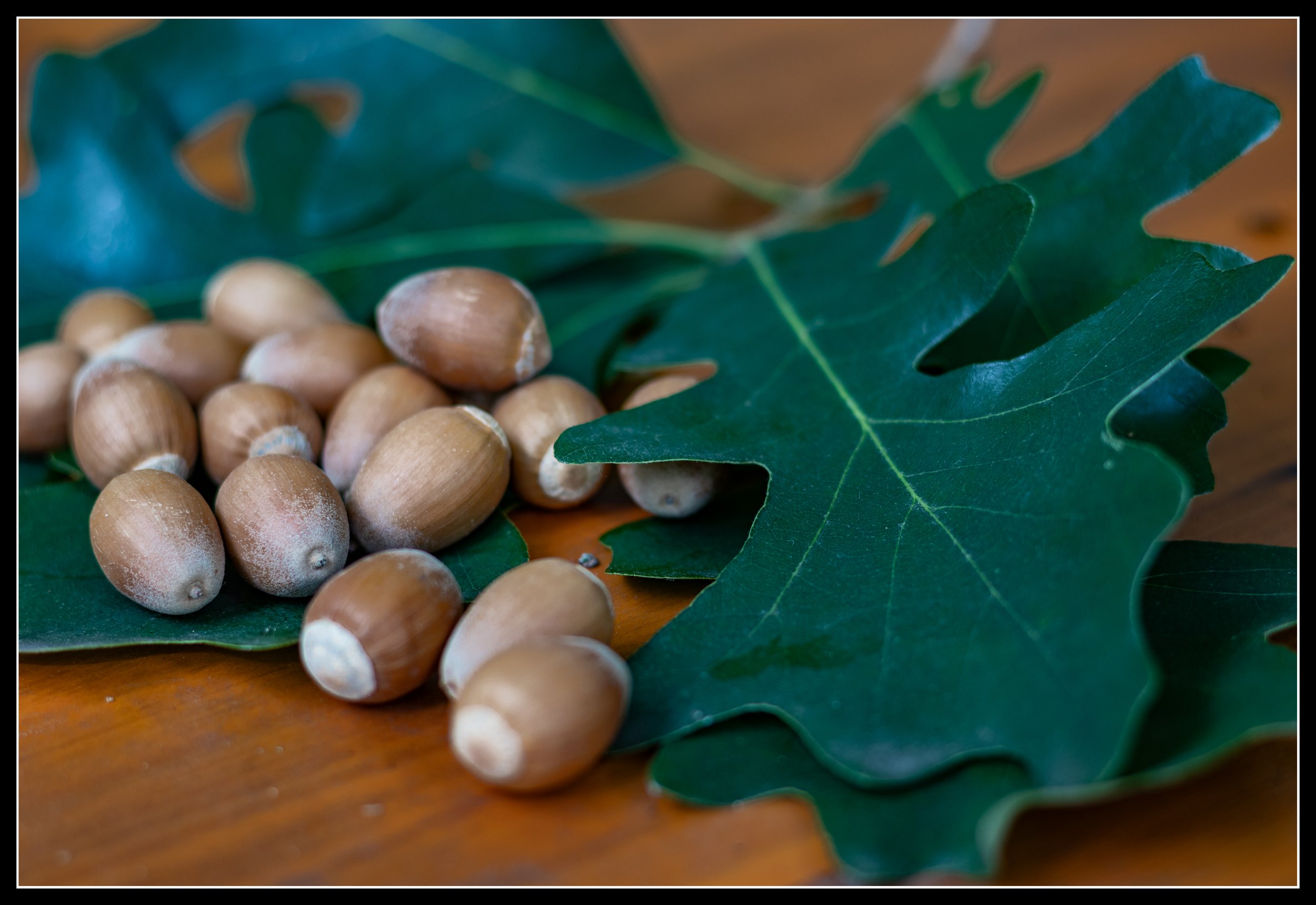
Oak vs Oak
Oak on the Prairies meant different things in different eras — white oak in early 1900s heritage homes, red oak in the builder‑grade kitchens of the 70s–90s. This Ramble explains the real differences between the two oaks, the history behind them, and why each species carries its own story.
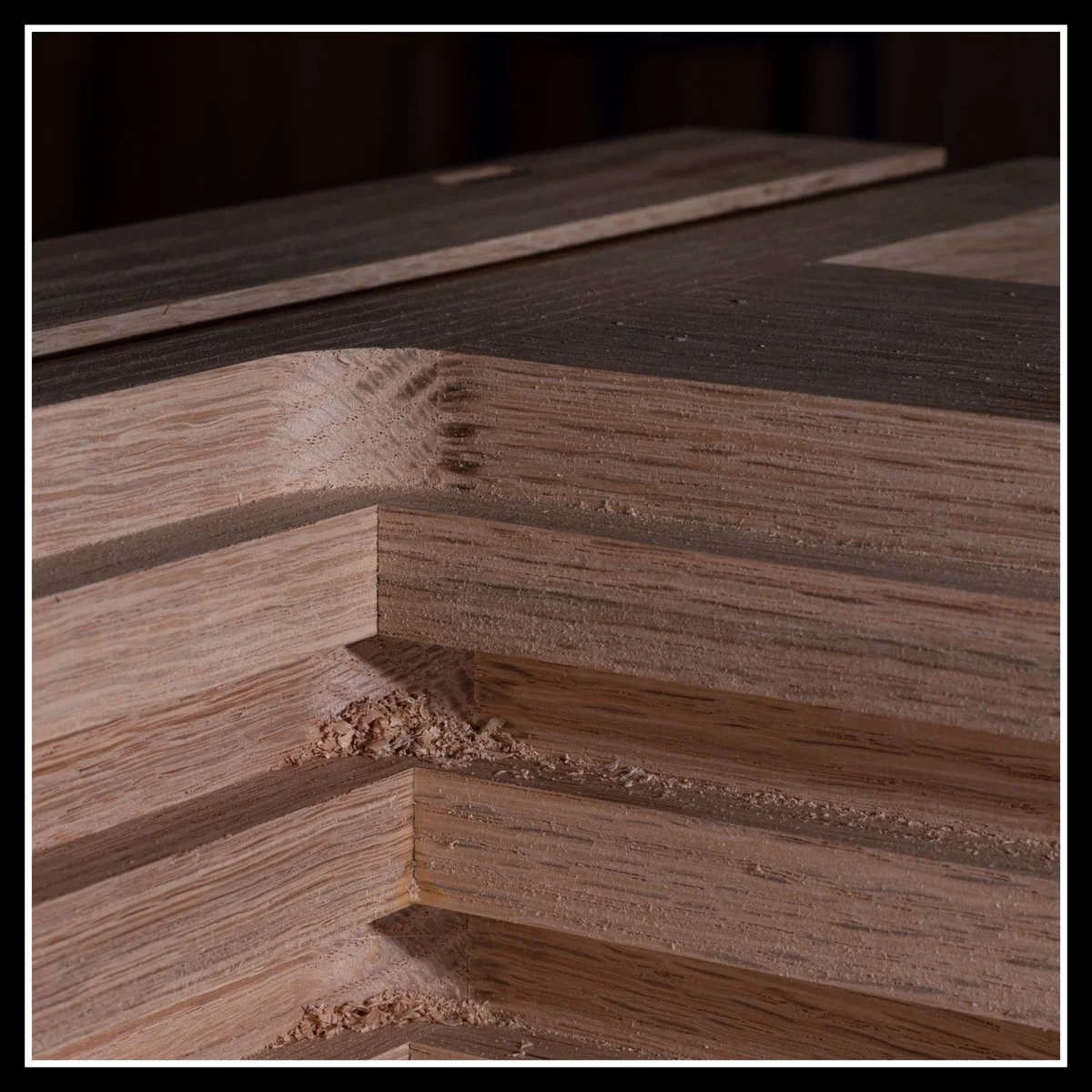
Red oak
Red oak is open‑pored, fast‑growing, and honest. This story explores how its earlywood–latewood contrast shapes its behaviour in the shop — from tear‑out to finishing — and why it remains the wood so many of us learned on.
White oak
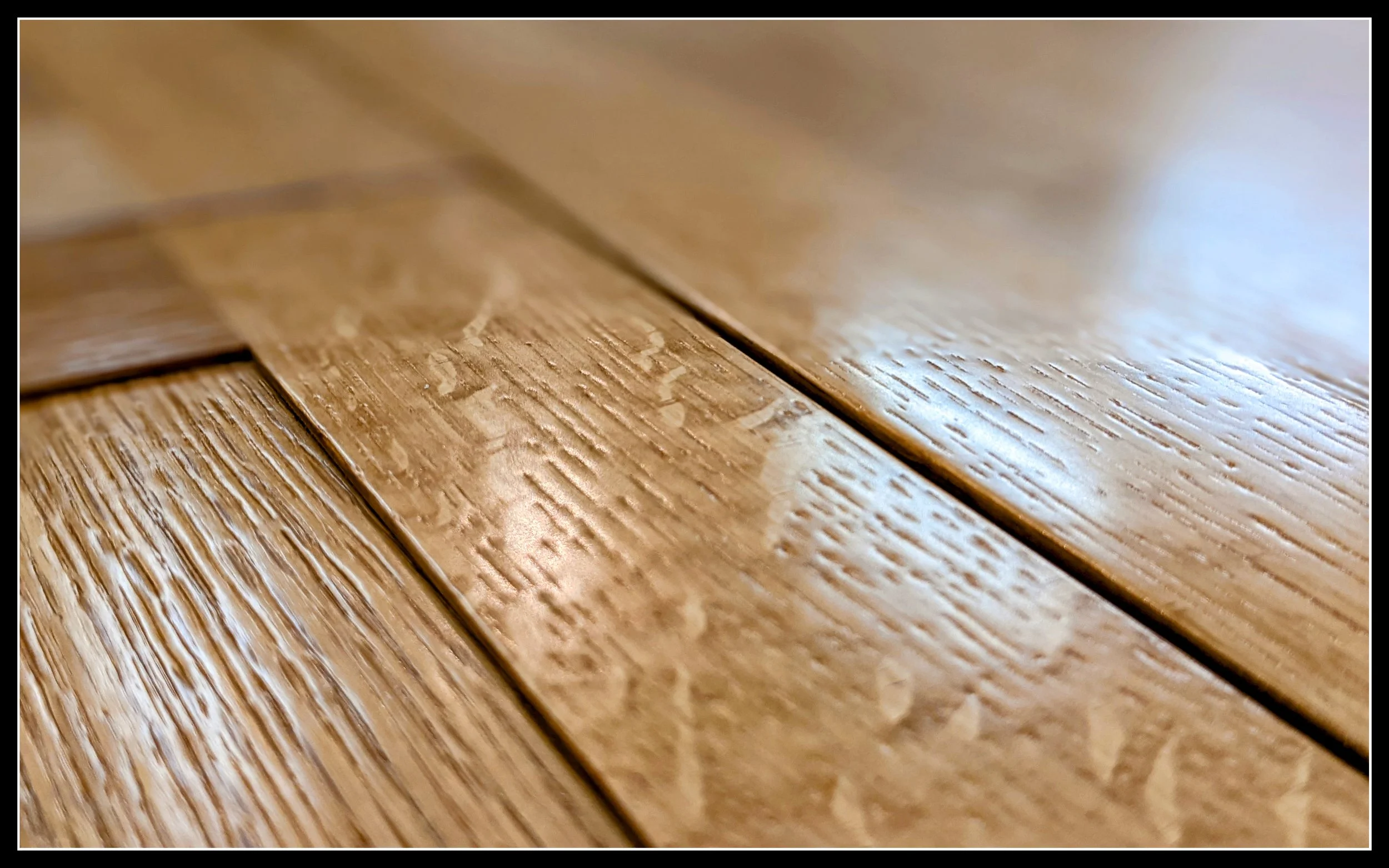
White oak is one of North America’s toughest hardwoods — shaped by slow growth, tyloses, tannins, and a history of surviving where other trees fail. Its strength and stability made it the wood generations trusted to last.
Bur Oak: Giants and Legends
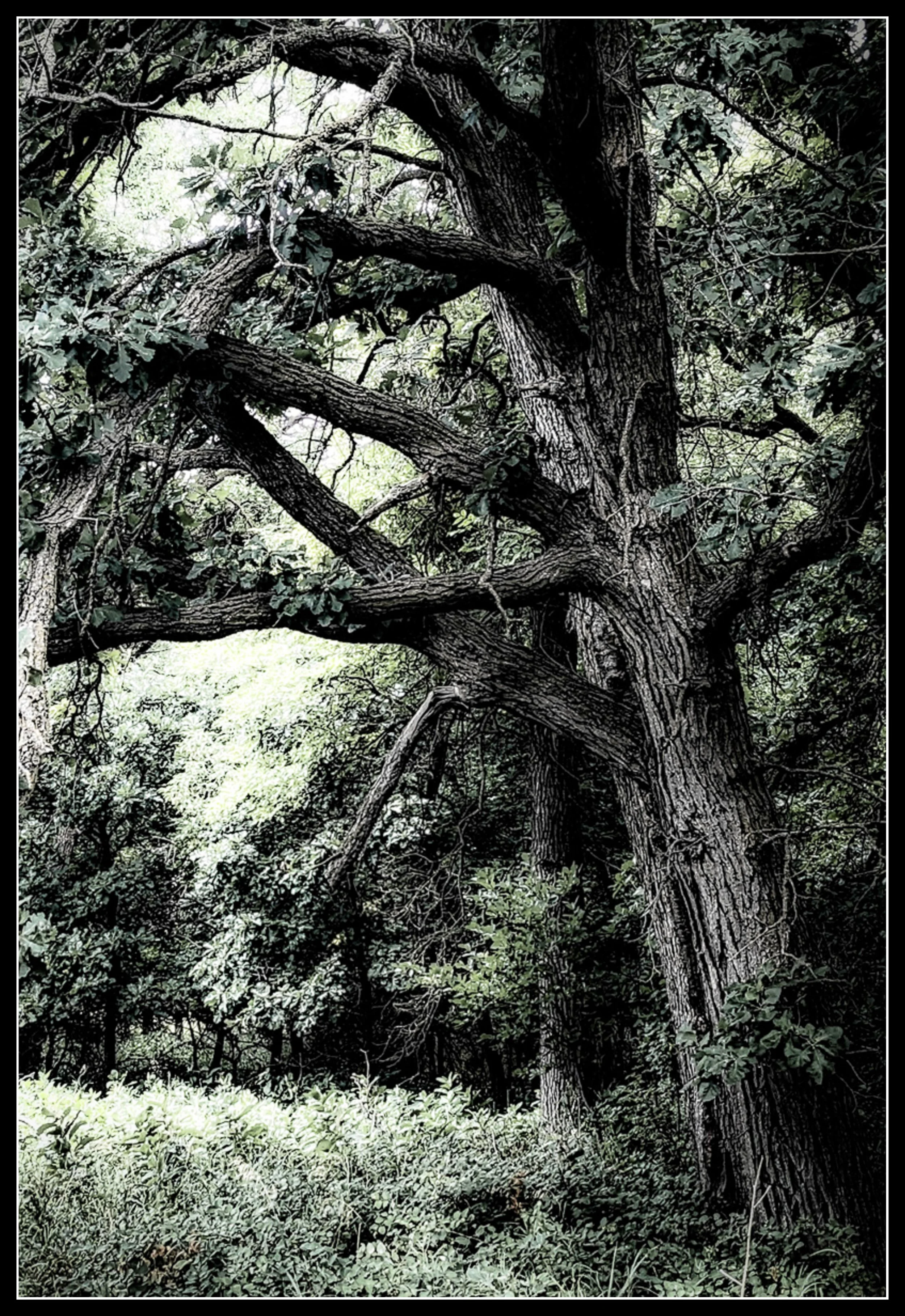
There are trees that grow fast, live fast, and vanish without leaving much behind. And then there are the giants — the ones that shape a land, raise generations, and carry centuries in their bark. This is the story of the bur oak, and the story of the prairie people who grew up under them.
Fast Hardwood — Reader Question
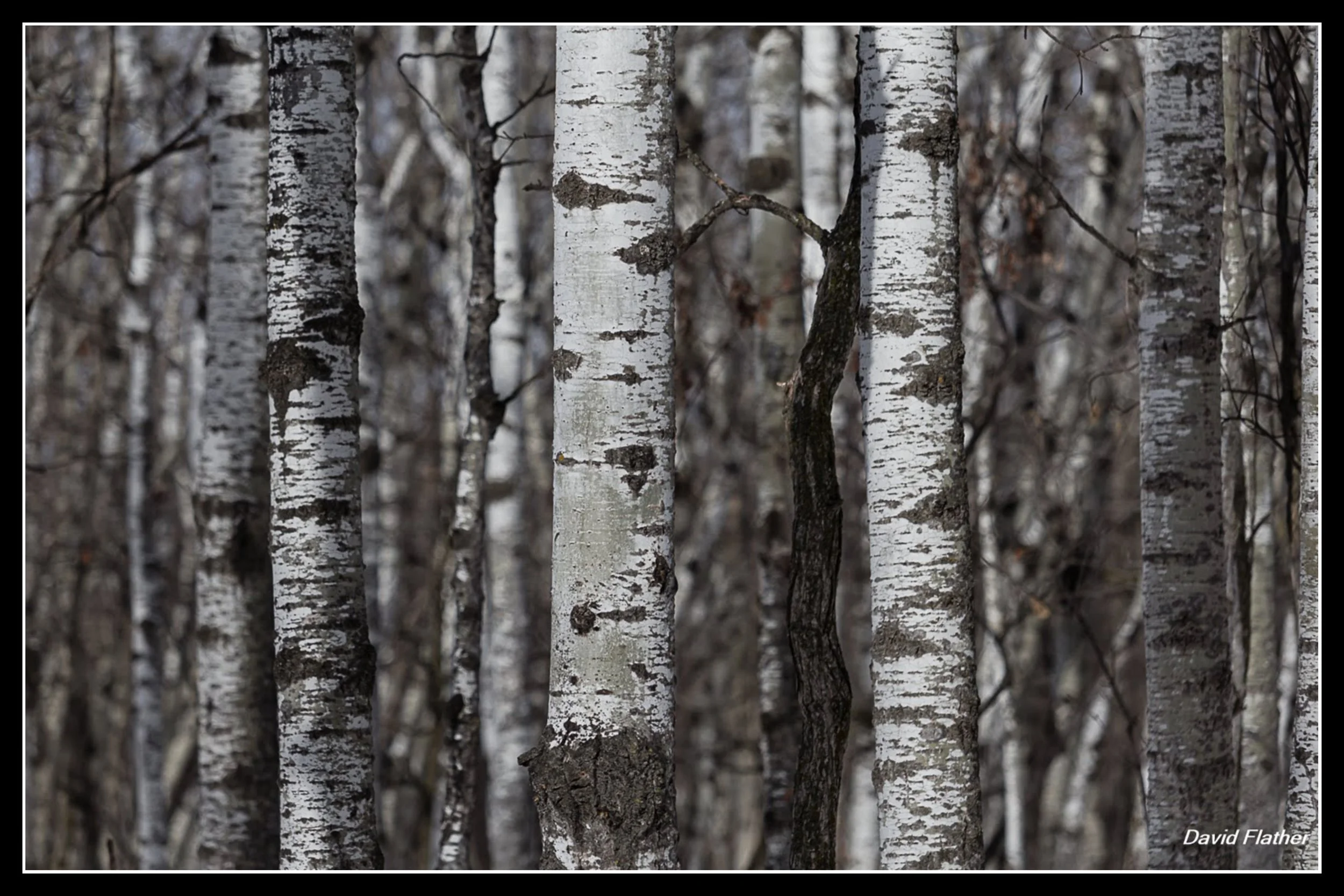
Hardwoods don’t all grow slowly. This follow‑up explains the fast pioneer hardwoods — poplar, willow, and soft maples — and how forest succession shapes the difference between hardwood and softwood growth.
Hardwood vs Softwood
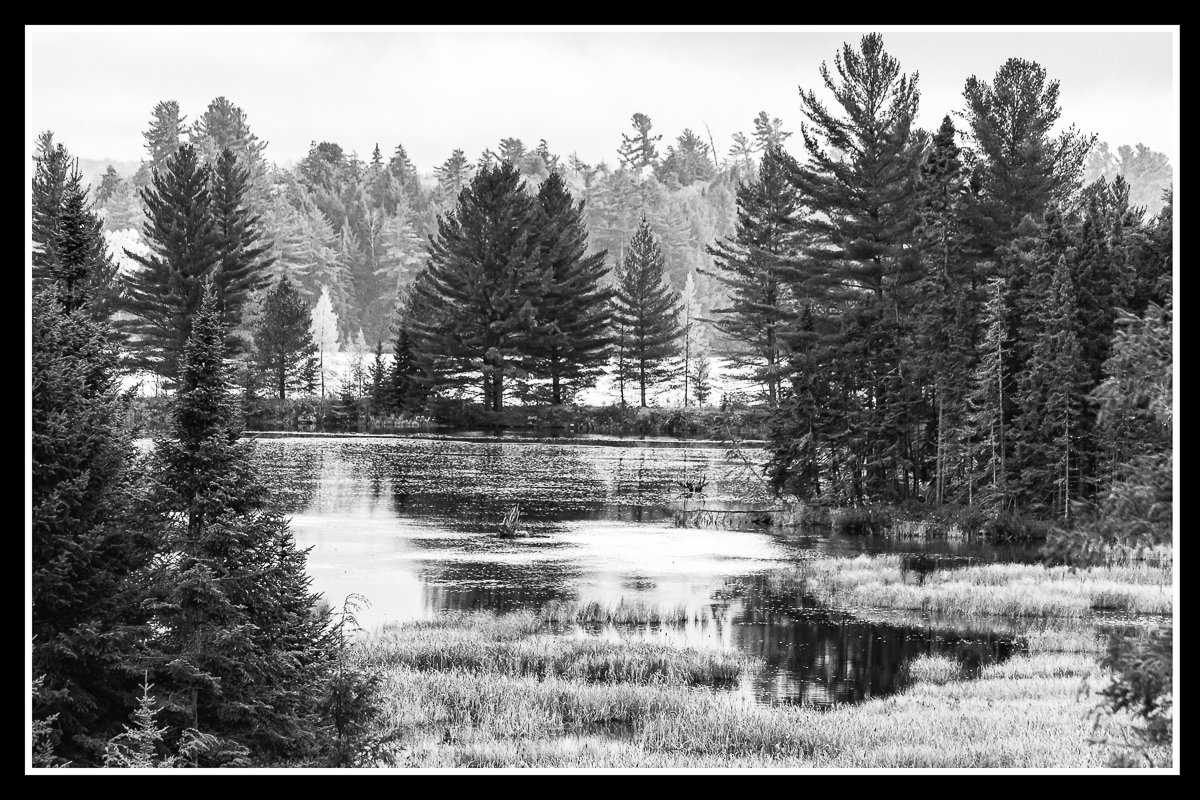
Hardwood vs softwood isn’t just a difference in leaves or needles — it’s the story of how trees survived fire, drought, extinction, and time itself. This piece traces the rise of the two great families of wood, from ancient barren landscapes to the forests we work with today, revealing how evolution shaped every board in the shop and every species in the Wood Archive.

Rarity of Wood
Old‑growth wood is disappearing — not because we’re running out of trees, but because time itself has become rare. This story explores how younger forests, industry changes, disease, fire, and salvage have reshaped the wood we build with, and why the tight‑grained, high‑quality lumber our grandparents knew is now hard to find. From pioneer beams to salvaged elm and century‑old cedar, this is a look at what true wood once was — and why its rarity matters.
Understanding Wood
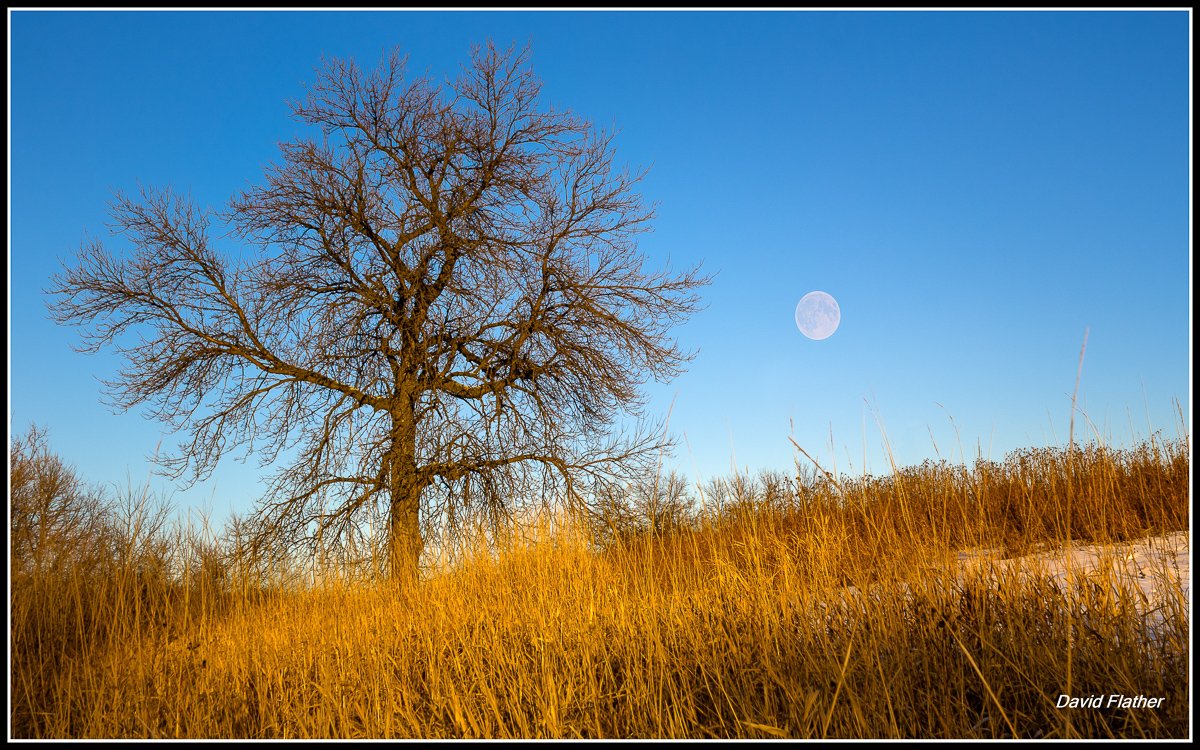
Wood behaves the way it does because every board carries the memory of the tree it came from. Leaning trunks, shifting riverbanks, floodwater, wind pressure, scars, tension wood, compression wood — all of it becomes grain, movement, and character in the shop. This piece explains how trees grow, adapt, and survive, and why those hidden forces show up decades later when a woodworker planes a board and the wood reacts. Understanding wood begins with understanding the life it lived.
Recovery Ramble
Recovery slows life down, but it sharpens perspective. This Shop Ramble reflects on rebuilding after surgery, the future of a growing woodworking website, and the beginnings of a gallery that evolves alongside a cancer survivor’s craft — one room, one story, one tool at a time.